

Passionate Travel

Diverse Destinations

Best Price Guarantee

Beautiful Places
Tour Deals
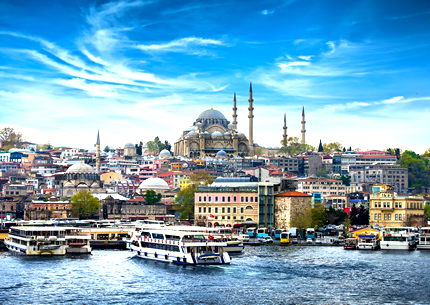
Visit some of the most famous and historical areas that Turkey has to offer to its visitors on one of our Turkey Travel Packages and Turkey Tours.
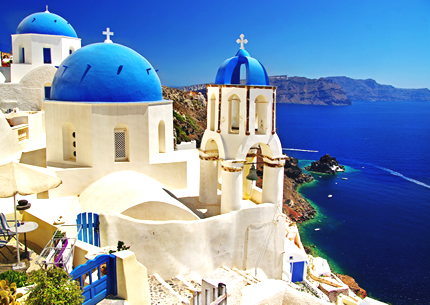
You are planning to visit Greece. That is great! A most fascinating and splendid experience awaits you. Come and live not only the glory that was Greece.

Turkey and the Greek Island tours Combines Athens with beautiful Aegean islands and some of Turkey's as Ephesus, Pamukkale, Cappadocia and Istanbul.
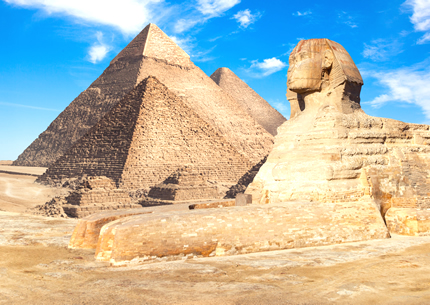
We offer premium Egypt tours with budget to Luxury hotels, expert Egyptology tour guides and sightseeing of Cairo, the Pyramids, Luxor, Aswan & Nile cruising.
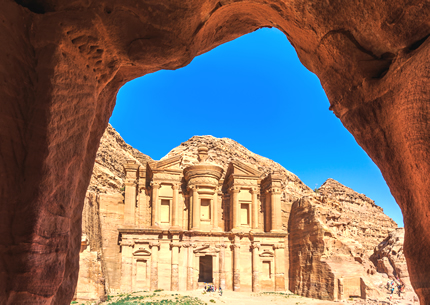
Ancient archaeological sights & biblical landmarks from Petra to famous Amman plus extend your tour to visit the dead sea and the treasures of Madaba.
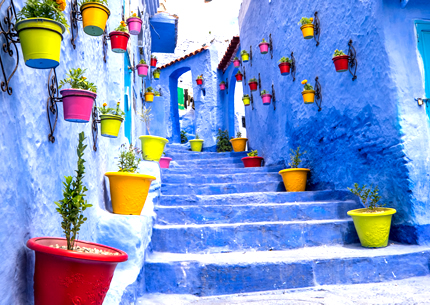
A combination tour is a good way to explore multiple activities while sightseeing. We offer combination tours to Turkey, Greece, Egypt , Morocco and Jordan.
Popular Destinations
Whether you enjoy the outdoors, art museums, cultural experiences,
shopping, cuisine, nature, architecture or just
wandering in a new place, any of these top destinations will inspire you for the trip of a
lifetime.

Turkey
74
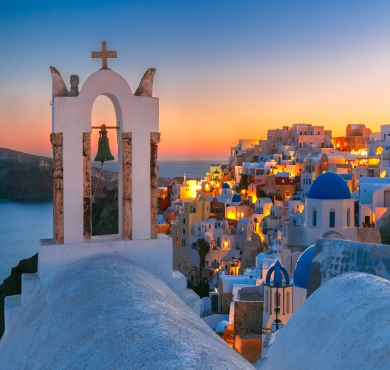
Greece
32
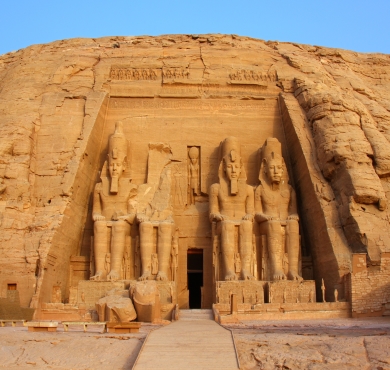
Egypt
11
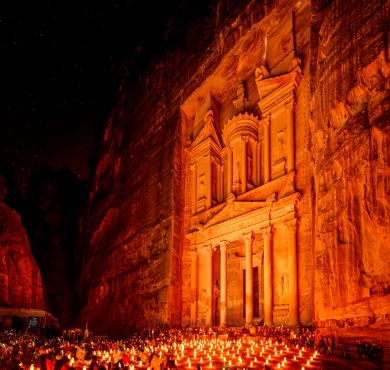
Jordan
21

Morocco
13
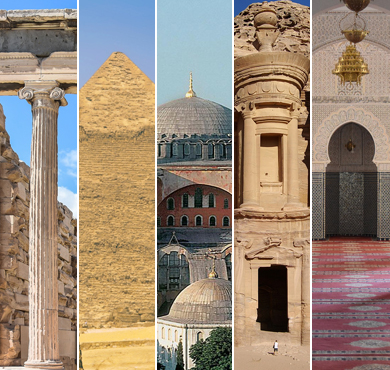
Other Combination Tours
12
Most Popular Tours
-

11-day Israel and Jordan Package Tour is the best way to see all the best sites in both countries without feeling rushed for time.
-
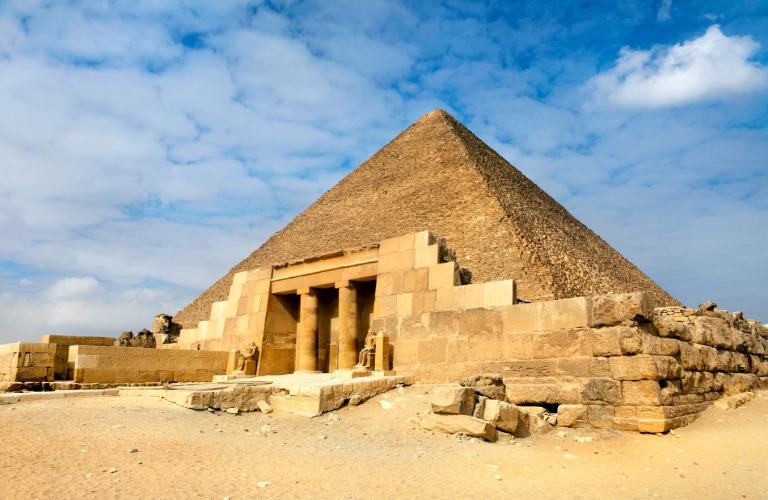
Egypt and Jordan tour packages the best way to enjoy a vacation include tours to the most famous archaeological sites.
-
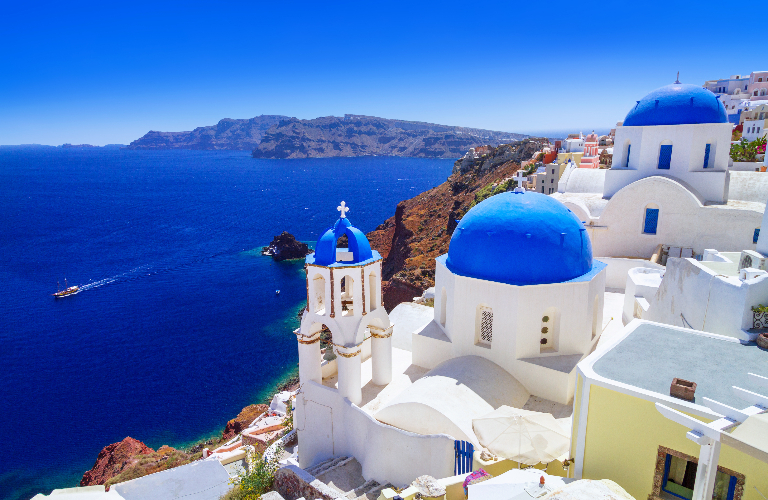
Enjoy this 21 day Turkey, Greece and Egypt tour package and discover the splendors and history. Explore the culture.
-
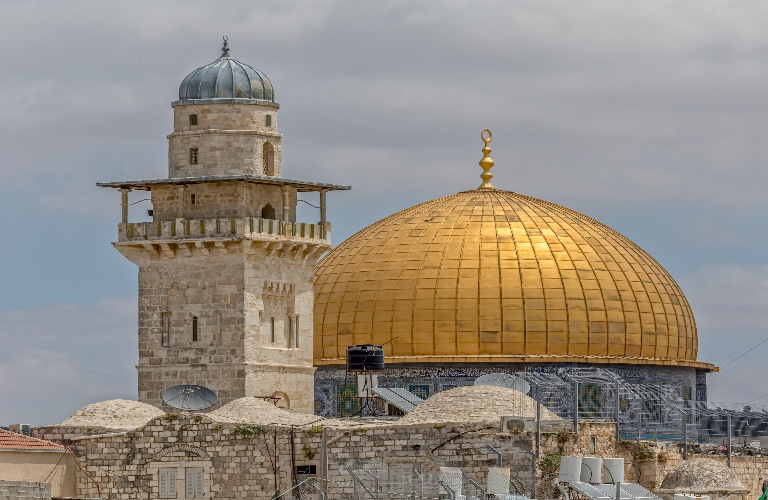
Our 17 Day Highlights of Israel, Jordan, and Egypt Tour Package is the perfect way to see three gems of the Middle East.
-

14-day Turkey & Greece tour is a guided group tour covers all the major highlights in both countries.
-
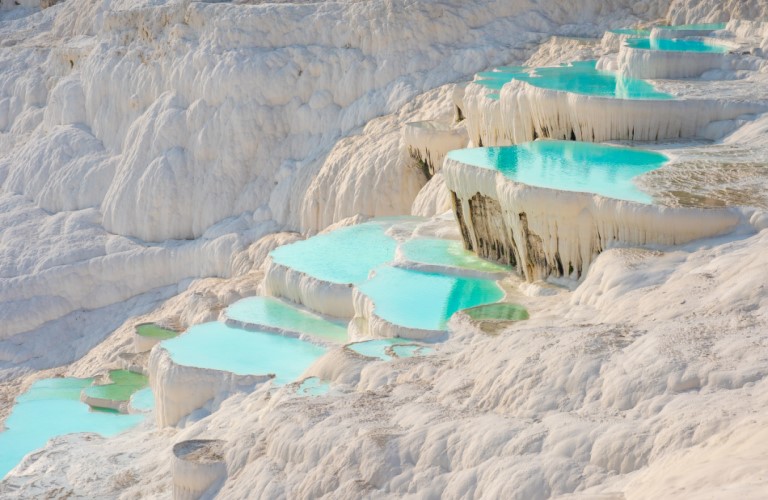
Experience Turkey & Jordan in a 13-day tour. From Istanbul's history to Petra's wonders, Cappadocia's landscapes to Dead Sea.
-
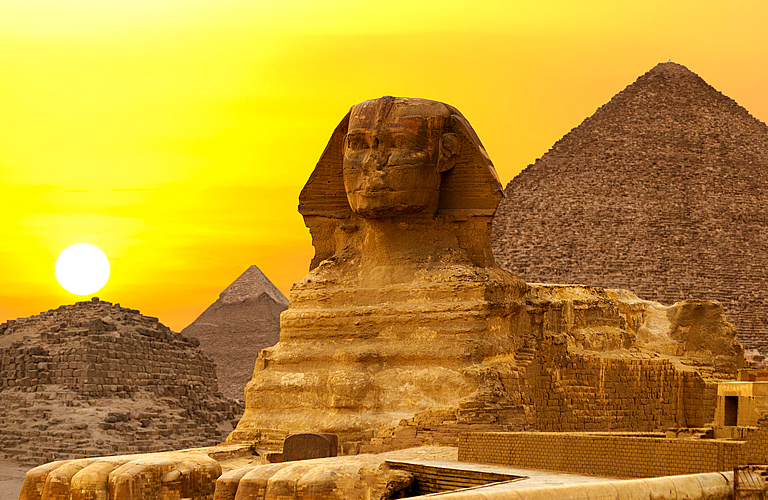
A Combo tour to visit Athens, Mykonos, Santorini, Pyramids, Cairo, Aswan Nile Cruise and Luxor
-
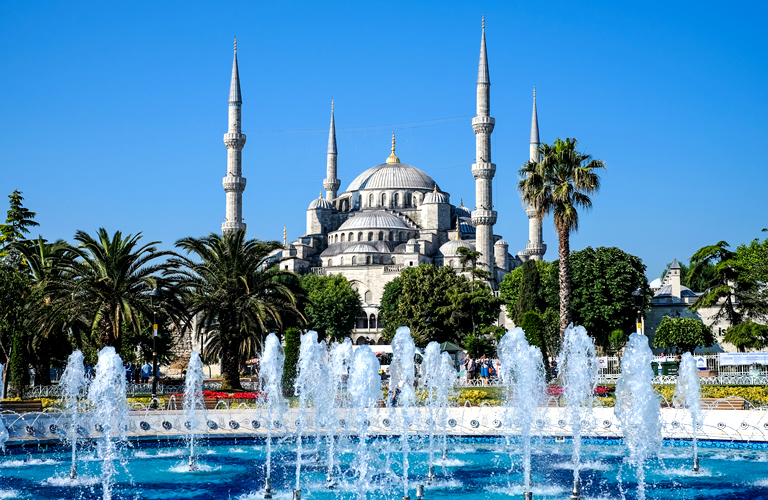
Both Egypt and Turkey tour offer a wide array on impressive cultural and historical experiences.....
Tour Reviews
Latest Post

Fethiye, Turkey: A Jewel of the Turquoise Coast
Introduction:Nestled along the breathtaking Turquoise Coast of Turkey, Fethiye is a coastal paradise that enchants visitors with its stunning natural beauty, rich history, and vibrant culture. From its pristine beaches and crystal-clear waters to its ancient ruins and bustling markets, Fethiye offers travelers an unforgettable experience...
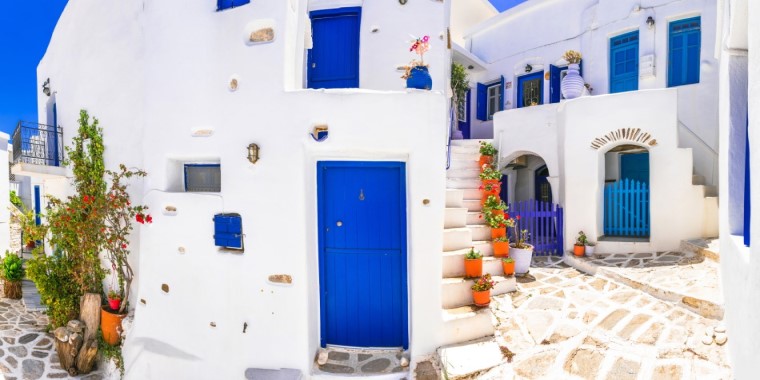
Exploring Greece's Jewish Heritage: A Journey Through Time
Introduction:Greece, often celebrated for its ancient ruins and picturesque islands, also boasts a rich and diverse Jewish heritage that spans centuries. From the ancient Jewish communities of antiquity to the modern-day synagogues and cultural sites, Greece offers visitors a unique opportunity to explore the history and contributions of...


