Visiting Hagia Sophia Today: What You Need to Know
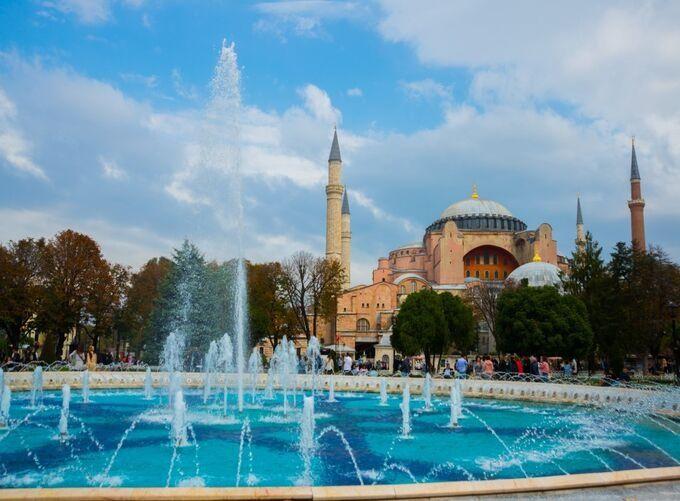
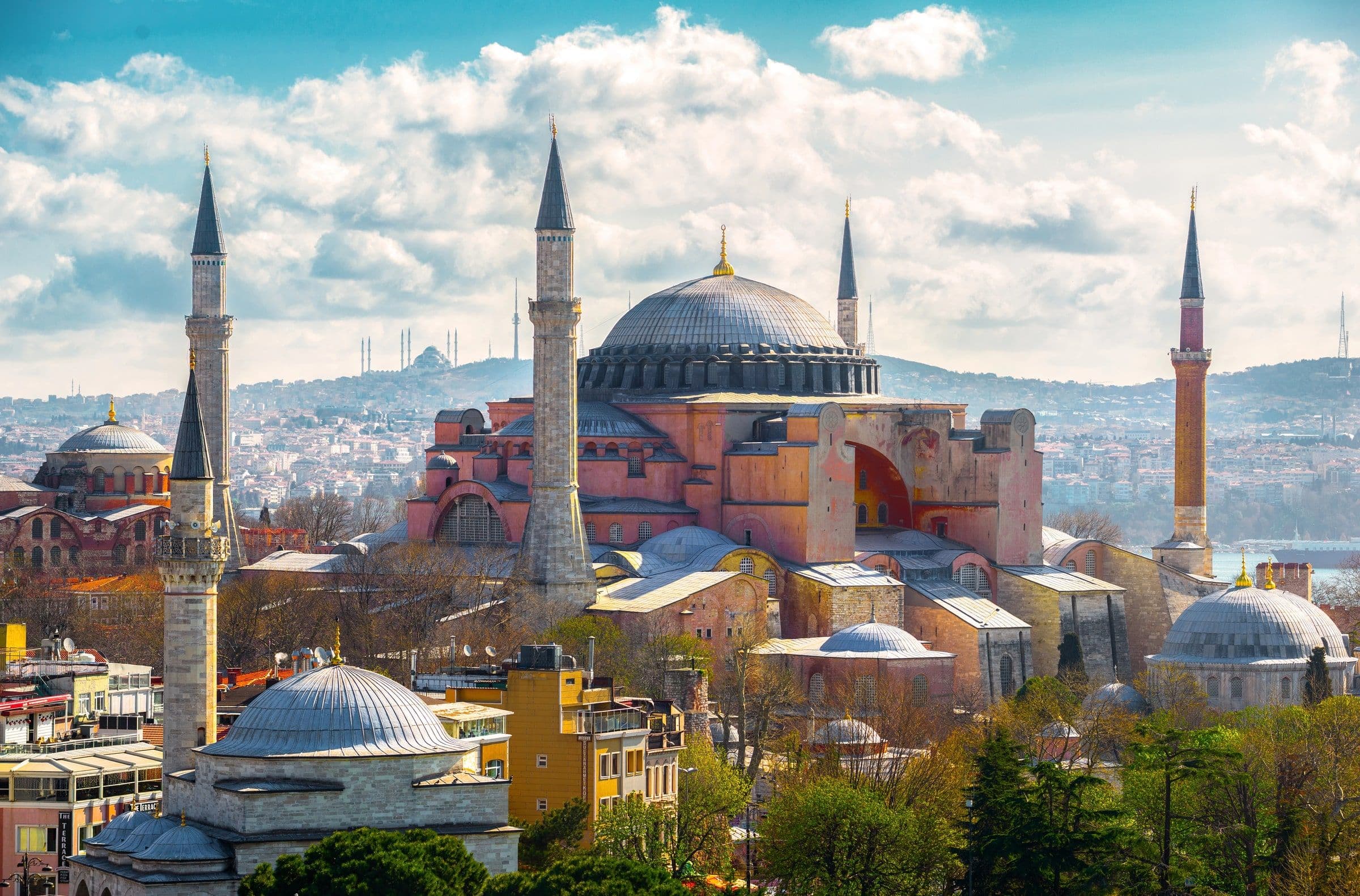
Few buildings in Istanbul carry as much history as Hagia Sophia. Its enormous dome has stood above the city for nearly fifteen centuries, surviving earthquakes, imperial changes and countless alterations. Yet for today's visitor, the first surprise may be how different the experience is from what older guidebooks describe.
Hagia Sophia returned to mosque status in 2020, and since January 2024, sightseeing visitors have followed a separate route through the upper gallery. The main prayer hall remains reserved for worship, meaning tourists no longer explore the entire interior as they could during its museum years.
Understanding this distinction before arriving helps avoid confusion over tickets, entrances and which parts of the building are accessible.
Hagia Sophia Tickets and Entrance Fees in 2026
The published admission price for foreign sightseeing visitors is €25 per person. This provides access to the designated upper gallery, where visitors can appreciate Hagia Sophia's architecture and surviving Byzantine mosaics.
Children under eight can enter free when accompanied by an adult and presenting valid identification. MuseumPass İstanbul and MüzeKart are not accepted for the sightseeing route.
| Visitor information | Details |
| Foreign visitor ticket | €25 |
| Children under 8 | Free with identification |
| Sightseeing access | Upper gallery |
| Entry for worship | Free |
| MuseumPass Istanbul | Not accepted |
| Suggested visit duration | 45–90 minutes |
Tickets are available at the designated ticket office opposite the Fountain of Ahmed III, near Topkapı Palace's Imperial Gate.
Some online sellers offer advance tickets with audio guides or additional services. These may save time at the ticket office, but they do not bypass mandatory security screening.
The admission fee and access conditions may change, so check the published visitor information before traveling.
Hagia Sophia Opening Hours and When to Visit
Published visitor hours are generally 08:00–19:30 from April to September and 09:00–19:30 from October to March. Ticket sales normally end at 19:00, although religious observances and operational requirements may affect access.
Friday midday is particularly important because sightseeing visits are suspended around congregational prayers. Rather than relying on a fixed closure time, check the current prayer schedule and allow flexibility.
Early morning is often the most comfortable time to visit, particularly during summer when Sultanahmet attracts large tour groups. Arriving before the busiest hours also gives you more time to appreciate the gallery without feeling rushed.
Allow approximately one hour inside, with additional time for ticketing and security. During peak periods, the complete visit may take considerably longer.
The Story Behind Hagia Sophia's Extraordinary Architecture
The present Hagia Sophia was completed in 537 under Byzantine Emperor Justinian I. Its architects, Anthemius of Tralles and Isidore of Miletus, created a building whose immense central dome transformed the possibilities of religious architecture.
For centuries, Hagia Sophia served as Constantinople's principal cathedral and an important setting for Byzantine imperial ceremonies. Its marble surfaces, mosaics and remarkable proportions influenced generations of architects throughout the eastern Mediterranean.
Following the Ottoman conquest of Constantinople in 1453, Sultan Mehmed II converted the cathedral into a mosque. Minarets and Islamic architectural features were gradually added, while Ottoman architects reinforced the structure and adapted it to its new religious function.
During the sixteenth century, Mimar Sinan contributed important structural strengthening work. Later restorations included extensive interventions by the Fossati brothers during the reign of Sultan Abdülmecid.
Hagia Sophia opened as a museum in 1935 before returning to mosque status in 2020. Its significance lies partly in this continuous transformation: Byzantine engineering, Christian mosaics and Ottoman religious art remain visible within the same monumental building.
What Can You See Inside Hagia Sophia?
The upper gallery offers a remarkable perspective on the interior. From here, the central dome rises approximately 55 metres above the floor, supported by an architectural arrangement of great arches, semi-domes and massive piers.
Among Hagia Sophia's most celebrated artworks is the Deesis mosaic, depicting Christ between the Virgin Mary and John the Baptist. Other surviving mosaics portray Byzantine rulers and religious figures, revealing the close relationship between imperial authority and faith.
The Ottoman period is equally present. Monumental calligraphic roundels, the mihrab and other Islamic architectural additions reflect the building's long history as an imperial mosque.
Rather than rushing between individual artworks, take time to observe how the different architectural elements relate to one another. The building's extraordinary scale becomes clearer from the gallery, where the vast central space can be appreciated from above.
Will Restoration Work Affect Your Visit?
Hagia Sophia has required repeated repairs throughout its history, particularly because of earthquakes and the structural demands of its enormous dome.
A major restoration and reinforcement project involving the dome began in 2025. Protective structures, scaffolding and temporary barriers may affect views of the interior while conservation continues.
This does not necessarily mean the monument is closed, but visitors should be prepared for changes to the normal sightseeing route.
Some mosaics or architectural details may be temporarily obscured, and photography opportunities can differ from those shown in older travel guides.
If seeing a particular artwork is important to your visit, check the latest restoration arrangements before purchasing tickets.
Where Is the Hagia Sophia Tourist Entrance?
Sightseeing visitors use a separate entrance near the Fountain of Ahmed III, on the Topkapı Palace side of the monument.
The designated route leads through historic ramps and stairs toward the upper gallery. Because these surfaces can be challenging for people with reduced mobility, visitors requiring assistance should confirm the current accessible entrance arrangements before purchasing admission.
Restoration work may occasionally change circulation routes, so follow the signs and staff instructions displayed at the monument.
Dress Code and Visitor Etiquette
Hagia Sophia remains an active mosque, and visitors are expected to dress respectfully. Shoulders and knees should be covered, while women should wear a head covering.
Scarves and suitable coverings are available near the entrance for a small charge, although bringing your own is more convenient.
Inside, keep conversations quiet, silence mobile phones and avoid photographing people engaged in prayer. Photography restrictions may apply to certain areas or equipment, especially during conservation work.
An audio-guide experience is available for the visitor route. Bringing headphones can be useful if you prefer exploring independently.
Large bags and unnecessary equipment may complicate security screening, so traveling with essential belongings is generally preferable.
Hagia Sophia Mosque and the History & Experience Museum
Hagia Sophia Grand Mosque and the Hagia Sophia History & Experience Museum are separate attractions.
The mosque is the original sixth-century monument, where visitors follow the designated upper-gallery route.
The nearby museum presents the building's history through audiovisual exhibitions and historical displays, offering additional context about its Byzantine, Ottoman and modern periods.
Each attraction has separate admission arrangements, and purchasing a mosque gallery ticket does not automatically include museum entry.
How to Get to Hagia Sophia
Hagia Sophia stands in Sultanahmet, within Istanbul's UNESCO-listed historic peninsula. The T1 tram is a convenient option from Karaköy, Eminönü and Kabataş, with Sultanahmet station only a short walk from the monument.
The Blue Mosque, Basilica Cistern and Topkapı Palace are all nearby, making this part of Istanbul particularly suitable for exploring on foot.
Although these landmarks are close together, Hagia Sophia deserves more than a brief stop between attractions. Its architecture reveals nearly fifteen centuries of changing religious, political and cultural history.
Even with the restrictions of the current sightseeing route, the experience remains distinctive. Few places allow visitors to encounter Byzantine engineering and Ottoman heritage within a single building of such extraordinary scale.
Frequently asked questions
The published sightseeing admission fee is €25 per person. Children under eight can enter free with valid identification and an accompanying adult.
Free entry is intended for worship. Sightseeing visitors use the separate paid upper-gallery route, which has its own entrance and admission requirements.
Published hours are generally 08:00–19:30 in summer and 09:00–19:30 in winter. Prayer schedules, restoration work and operational changes may temporarily restrict access.
The upper gallery contains important Byzantine mosaics, including the Deesis. Restoration work and temporary restrictions may affect visibility, so check current conditions.
No. MuseumPass İstanbul and MüzeKart do not cover the Hagia Sophia sightseeing gallery. Visitors need a separate ticket for the designated route.