Turkey Weather Guide: What to Expect Across Cities and Seasons
You can leave Istanbul wearing a rain jacket, arrive in Cappadocia to find frost on the ground the following morning, and spend the afternoon in Antalya sitting outside in the sunshine. Nothing about that combination is particularly unusual in Turkey. The country covers such a varied landscape that weather conditions can change dramatically over a relatively short journey, especially when traveling between the coast and the Anatolian interior.
The familiar image of Turkey as a warm Mediterranean destination tells only part of the story. Istanbul sits between two seas, Cappadocia occupies an elevated inland plateau, and the mountains of Eastern Anatolia experience winters far colder than those along the southern coast. Meanwhile, the Black Sea receives rainfall throughout the year, and southeastern cities can become intensely hot during summer.
Turkey's weather varies considerably by region. Istanbul has warm summers and cool, often rainy winters; Cappadocia experiences hot days, cold nights and winter snow; and Antalya has long, hot summers with mild, wetter winters. The Black Sea coast is generally humid, while Eastern Anatolia experiences some of the country's coldest conditions.
For visitors traveling between several destinations, these differences matter more than a single national temperature average.
Why Turkey's Weather Changes So Much Between Regions
Turkey lies between the Black Sea, Aegean Sea and Mediterranean, but the surrounding water does not influence every part of the country equally. The Taurus Mountains rise behind the southern coastline, while the Pontic Mountains extend along the Black Sea. Between these mountain systems lies the Anatolian plateau, where elevation and distance from the sea produce a more continental climate.
Coastal areas generally experience smaller seasonal temperature differences than the interior. Around Antalya and Bodrum, summers are typically hot and dry, while winter brings more rainfall. In Central Anatolia, winters are colder, summers are often dry, and the difference between afternoon and nighttime temperatures can be considerable.
Elevation becomes increasingly important farther east. Cities such as Erzurum and Kars experience prolonged winter cold, while lower-lying southeastern destinations, including Şanlıurfa and Diyarbakır, are known for intense summer heat. These contrasts explain why the weather forecast for one Turkish city should never be treated as representative of the entire country.
Turkey Weather in Spring: March, April and May
Spring arrives unevenly across Turkey. March can feel mild along the Mediterranean coast while Cappadocia still experiences freezing nights and occasional snowfall. Istanbul often alternates between sunshine, cool winds and showers, making a light waterproof jacket useful for exploring Sultanahmet, Galata and the Bosphorus waterfront.
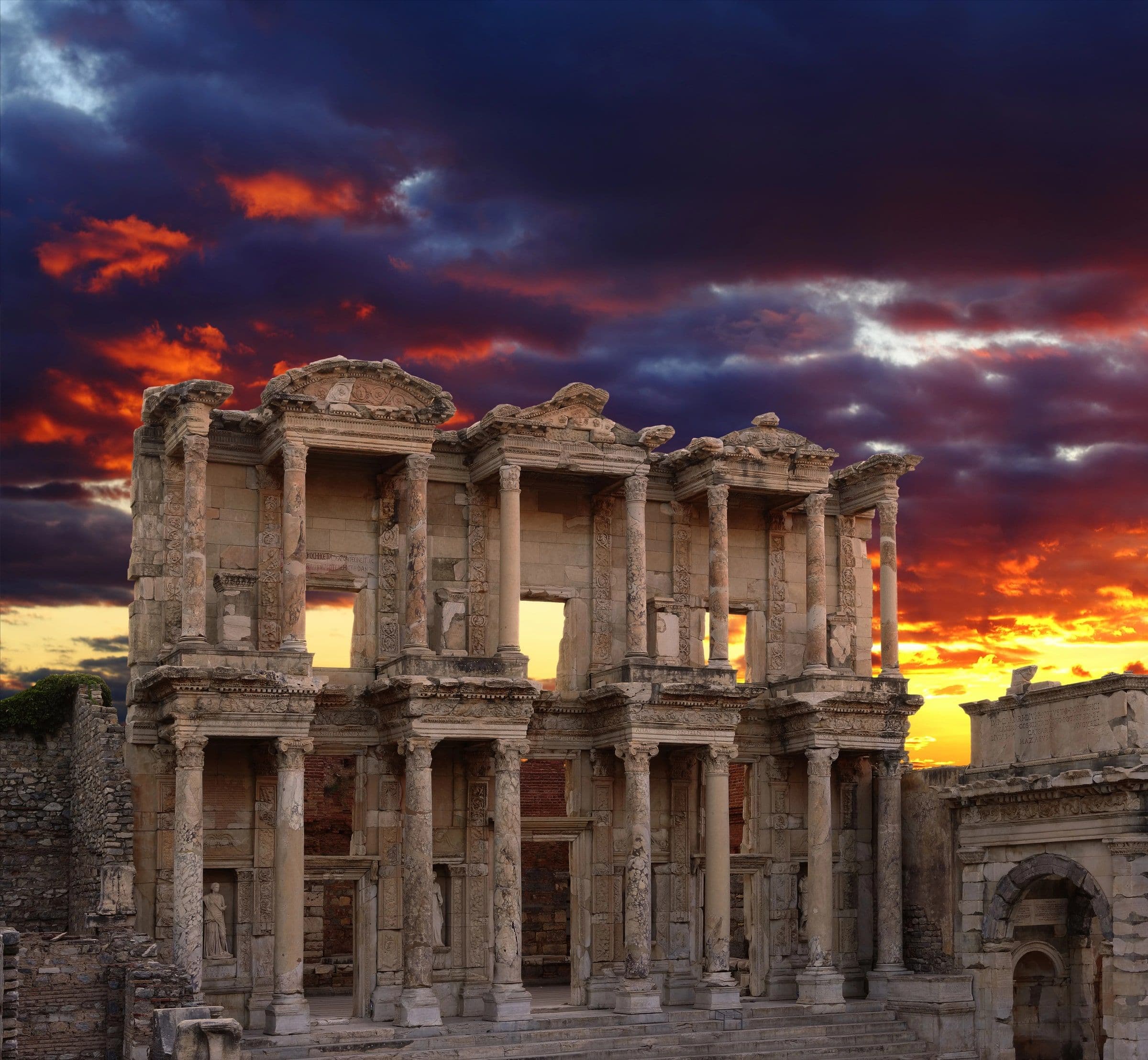
By April, western Turkey generally becomes warmer. Izmir, Kuşadası and Ephesus often experience comfortable daytime conditions for walking through archaeological sites, although unsettled weather remains possible. Around Pamukkale, spring temperatures can make exploring the travertine terraces and Hierapolis more pleasant than during the hottest summer months.
May usually brings more consistent warmth to Antalya, Bodrum and Fethiye. However, a sunny afternoon does not necessarily mean the sea has reached its summer temperature. Cappadocia also becomes milder, but visitors heading out before sunrise should still expect cooler conditions than the afternoon forecast suggests.
Turkey Weather in Summer: June, July and August
Summer is generally hot and dry along Turkey's western and southern coasts. Antalya frequently records daytime temperatures above 30°C, with July and August often bringing prolonged heat. Humidity can make conditions feel especially uncomfortable, particularly during afternoons spent away from the beach.
Bodrum, Marmaris and Fethiye also experience strong summer sunshine, although coastal breezes can provide some relief. The weather is well suited to swimming and boat excursions, but exposed archaeological sites require more preparation. At Ephesus, Perge and Aspendos, stone surfaces, limited shade and high temperatures can make extended midday sightseeing exhausting.
Istanbul tends to be less intensely hot than Antalya, although humidity can make walking through crowded historic districts uncomfortable. Cappadocia's inland climate produces hot afternoons but often cooler evenings, while southeastern cities such as Şanlıurfa can approach or exceed 40°C during particularly hot periods.
The Black Sea coast behaves differently. Trabzon and Rize remain comparatively humid, with showers possible even when much of western Turkey is experiencing uninterrupted sunshine.
Turkey Weather in Autumn: September, October and November
September often retains summer warmth along the Mediterranean and Aegean coasts. Sea temperatures remain relatively high after the summer months, while the strongest afternoon heat gradually begins to ease. In Istanbul, the transition is usually noticeable through cooler evenings and increasingly variable weather.
October brings more substantial changes, especially inland. Cappadocia's mornings become colder, and visitors may need warm layers for sunrise activities even when daytime sightseeing remains comfortable. Around Ephesus and Pamukkale, lower temperatures can make walking more pleasant, although the likelihood of rain increases as autumn progresses.
By November, the Mediterranean coast generally becomes wetter, while Central Anatolia moves toward winter. Snowfall and freezing temperatures may already occur in higher parts of Eastern Anatolia. A traveler visiting Antalya and Cappadocia during the same November holiday should therefore prepare for two very different climates.
Turkey Weather in Winter: December, January and February
Winter in Istanbul is usually cool, damp and windy. Rain is more common than snow, although snowfall does occur in some years. Conditions can feel particularly cold along the Bosphorus, where exposed ferry decks and waterfront promenades offer little protection from strong winds.
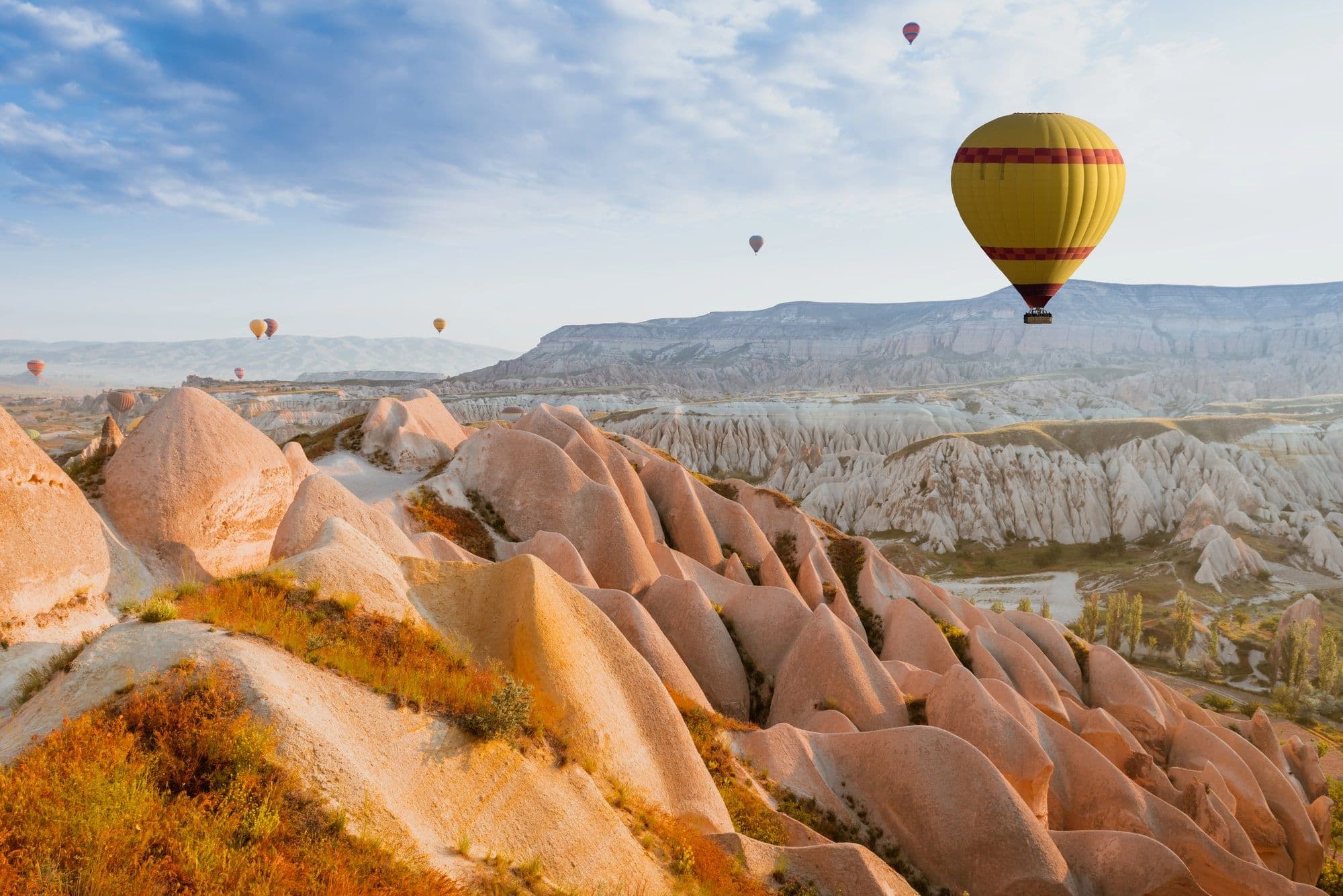
Cappadocia experiences a more severe winter, with freezing nights, frost and occasional snow covering its valleys and fairy chimneys. Hot-air balloons may still operate when weather permits, but strong winds, poor visibility and other safety conditions can prevent flights.
Antalya remains considerably milder, with typical January daytime highs around 15°C. However, winter is also one of the wettest periods on the Mediterranean coast, and heavy rain or storms can interrupt outdoor plans. Eastern Anatolia experiences much colder conditions, particularly around Erzurum and Kars, where snow and prolonged frost are common features of the season.
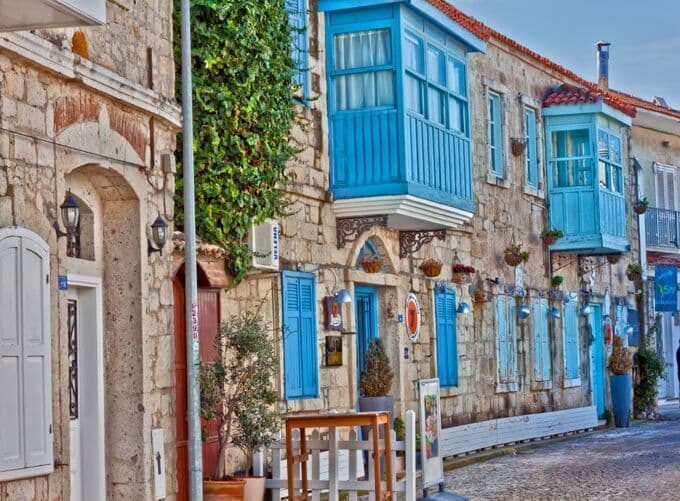
Istanbul Weather: The Influence of Two Seas
Istanbul's location between the Black Sea and the Sea of Marmara gives it a climate that differs from both inland Anatolia and the southern resorts. Summers are warm and sometimes humid, while winters bring cooler temperatures, cloudier skies and more frequent rainfall.
Typical daytime highs reach approximately 29–30°C in July and August, compared with around 9–10°C in January. These are broad climate averages rather than predictions for a particular travel date.
Weather can also feel different across the city. A sheltered street near the Grand Bazaar may be comfortable while strong winds affect the Bosphorus shoreline. For visitors exploring Hagia Sophia, Topkapi Palace or the neighborhoods around Galata, the most practical preparation is clothing that can accommodate changing conditions throughout the day.
Cappadocia Weather: Hot Afternoons and Cold Mornings
Cappadocia's elevated location in Central Anatolia creates pronounced seasonal differences. Summer afternoons are often hot and dry, but temperatures can fall noticeably after sunset. Winter brings freezing conditions, frost and occasional snowfall, transforming the appearance of the region's valleys.
Around Nevşehir, typical July daytime highs are approximately 28–29°C, while January highs are closer to 4°C. Temperatures around Göreme, Uçhisar, Ürgüp and Avanos also vary with elevation and local conditions.
Early mornings deserve particular attention because hot-air balloon departures usually take place around sunrise. Even during relatively warm months, waiting outdoors before dawn can feel chilly. Balloon flights depend on wind, visibility and aviation safety requirements, so pleasant sightseeing weather does not necessarily mean flying conditions will be suitable.
Antalya, Bodrum, Fethiye and Coastal Weather
Although Turkey's coastal resorts share Mediterranean influences, their local weather is not identical. Antalya is generally hot and can be humid in midsummer, while Bodrum's position on the Aegean coast exposes it to noticeable sea breezes. Fethiye and Kaş lie near mountainous terrain, where weather conditions can change with elevation.
Antalya's typical July daytime highs are around 34°C, while January averages are closer to 15°C. Rainfall is strongly seasonal, with dry summers and much wetter winters.
Sea temperatures follow a different pattern from air temperatures. Water warms gradually through spring and summer and generally remains relatively warm into early autumn. Wind and sea conditions also matter for boat excursions, even on days when the sky appears clear.
Ephesus, Pamukkale and Western Turkey Weather
Ephesus, near Selçuk, experiences the hot, dry summers characteristic of much of the Aegean region. Its ancient streets and archaeological structures are largely exposed to sunlight, making high temperatures especially noticeable during long visits.
Pamukkale lies farther inland near Denizli, where seasonal temperature differences are more pronounced. Summer afternoons can be extremely hot, while winter mornings may bring frost and colder conditions than those experienced in coastal Kuşadası.
Rain can affect walking conditions around archaeological areas and the travertine terraces. Visitors combining Ephesus and Pamukkale should therefore consider the local forecast for each destination rather than assuming that western Turkey experiences uniform weather.
Black Sea Weather: Rain Beyond the Summer Season
Turkey's Black Sea coast has a more humid climate than the Aegean and Mediterranean regions. Trabzon and Rize receive rainfall throughout the year, supporting forests, tea plantations and green mountain landscapes.
Rainfall is especially substantial along parts of the eastern Black Sea coast, although this does not mean every day is wet. Summer can bring pleasant sunshine alongside showers and periods of cloud.
Higher destinations such as the Ayder Plateau are often cooler than coastal towns. Fog, rain and reduced visibility may affect mountain excursions, so visitors should check local conditions rather than relying only on a forecast for Trabzon or Rize.
Eastern and Southeastern Turkey: Cold Mountains, Hot Plains
Eastern Anatolia is strongly influenced by elevation. Erzurum, Kars, Mount Ararat and the surrounding highlands experience cold winters, with snow and freezing temperatures common. Summer is considerably milder, although mountain weather can change quickly.
Southeastern Turkey has a different climate. Gaziantep, Mardin, Şanlıurfa and Diyarbakır experience very hot summers, with relatively little rainfall during the hottest months. Around Şanlıurfa, average July daytime highs approach 39°C.
These conditions are particularly relevant for visits to Göbeklitepe, Mardin's historic streets and other exposed archaeological sites, where summer heat can significantly affect the comfort of outdoor sightseeing.
Preparing for Different Weather Conditions in Turkey
Packing for a journey that includes Istanbul, Cappadocia and Antalya requires more flexibility than preparing for a single coastal resort. Lightweight clothing and sun protection are useful during summer, while a waterproof or wind-resistant layer is valuable in Istanbul and the Black Sea region. Cappadocia's early mornings may require warmer clothing even when afternoons are sunny.
Winter travel through Central and Eastern Anatolia calls for insulated layers and appropriate footwear. On the Mediterranean coast, milder temperatures may allow lighter clothing, but rain protection remains important.
Long-term climate averages describe typical conditions, not the weather on a specific day. Travelers planning hot-air balloon flights, boat excursions, mountain visits or extended outdoor sightseeing should check local forecasts shortly before departure.
Frequently asked questions
Turkey has hot coastal summers, colder inland winters and varied rainfall. Istanbul is relatively humid, Cappadocia has continental conditions, and the Black Sea stays wetter.
Antalya frequently exceeds 30°C, while southeastern cities can approach 40°C. Istanbul is generally less hot, and elevated areas in Eastern Anatolia experience cooler summer conditions.
Yes. Cappadocia experiences frost, freezing nights and occasional snowfall during winter. Snowfall varies annually, and weather conditions may affect scheduled hot-air balloon flights.
Winter is generally among Istanbul's wetter periods, with cloudy skies, rain and occasional storms. Snow is possible, although rainfall is more common across the city.
Antalya has relatively mild winters, with January daytime highs averaging around 15°C. However, rainfall increases significantly, and sea temperatures are generally less comfortable for swimming.
Yes. The Black Sea coast receives rainfall throughout the year, particularly around Rize and Trabzon. Summer can bring sunshine, showers and humid conditions.
Yes. During seasonal transitions, elevated inland regions may experience snow or freezing temperatures while Mediterranean coastal cities enjoy mild sunshine and comfortable outdoor conditions.