Map of Egypt: Nile, Pyramids, Ancient Sites & Coastal Resorts
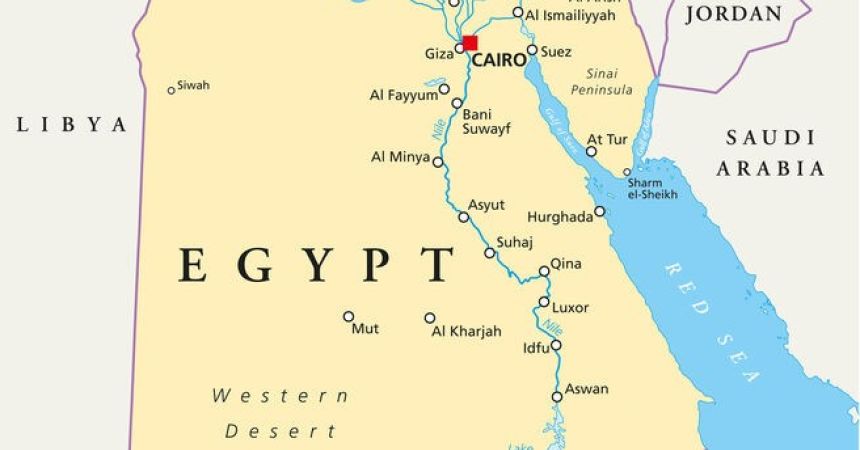
Egypt map spans the Nile Valley, Red Sea coast, and Sinai Peninsula, connecting ancient pyramids, bustling cities, vast deserts, and world-famous archaeological sites. Understanding Egypt's geography makes planning your trip much easier, whether you're visiting Cairo, cruising the Nile, relaxing on the Red Sea, or exploring ancient temples in Luxor and Aswan.
Many travelers search for an Egypt map, an Egypt map with cities, or an Egypt Nile map before planning their itinerary. This guide explains the country's geography, highlights its major regions, and shows how Egypt's famous landmarks are connected.
Why Understanding the Map of Egypt Matters
Egypt is much larger than many first-time visitors expect. Covering more than one million square kilometers, it stretches from the Mediterranean Sea in the north to Sudan in the south and from Libya in the west to the Red Sea and Israel in the east.
Although much of the country is desert, nearly all of Egypt's population lives along the fertile Nile River. This narrow green corridor has supported civilization for thousands of years and remains the heart of modern Egypt today.
Knowing where each destination is located helps you choose the best transportation, estimate travel times, and create a realistic itinerary.
Egypt at a Glance
| Region | Highlights |
|---|---|
| Northern Egypt | Cairo, Alexandria, Mediterranean Coast |
| Nile Valley | Luxor, Aswan, Valley of the Kings |
| Red Sea Coast | Hurghada, Marsa Alam, El Gouna |
| Sinai Peninsula | Sharm El Sheikh, Dahab, Mount Sinai |
| Western Desert | Siwa Oasis, White Desert |
Each region offers a completely different travel experience, making Egypt an incredibly diverse destination.
Egypt by Region: North, Nile Valley & Red Sea Coast
Egypt can be divided into several distinct geographical regions, each with its own landscapes, attractions, and atmosphere.
Northern Egypt
Northern Egypt is home to the country's largest cities and most famous landmarks.
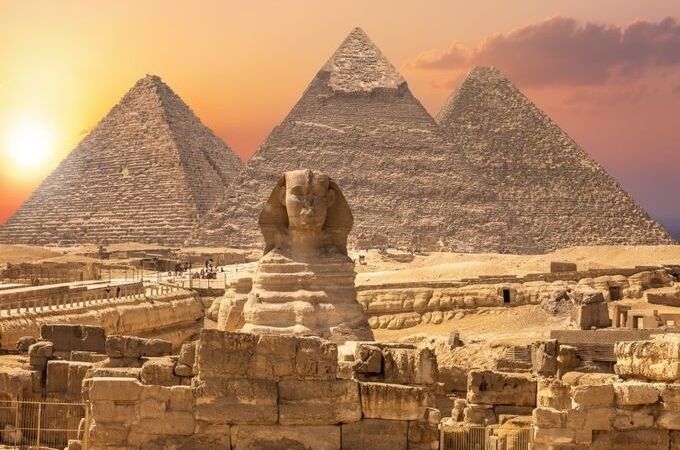
Cairo, the capital, sits near the Nile Delta and serves as the gateway to the legendary Pyramids of Giza, the Egyptian Museum, and countless historic mosques and markets.
Further north, Alexandria combines Mediterranean charm with fascinating Greco-Roman history.
This region is ideal for travelers interested in ancient history, vibrant city life, and cultural experiences.
Nile Valley
The Nile Valley forms the historical backbone of Egypt.
Flowing from south to north, the Nile connects many of the country's greatest archaeological treasures.
Visitors traveling through the Nile Valley can explore:
- Luxor Temple
- Karnak Temple
- Valley of the Kings
- Edfu Temple
- Kom Ombo Temple
- Aswan High Dam
- Philae Temple
A Nile cruise remains one of the most relaxing ways to experience these remarkable sites.
Red Sea Coast
Egypt's Red Sea coastline offers a completely different atmosphere.
Instead of temples and monuments, visitors find:
- Coral reefs
- White-sand beaches
- Luxury resorts
- Diving centers
- Water sports
- Desert excursions
Destinations such as Hurghada, El Gouna, Marsa Alam, and Soma Bay have become internationally renowned for year-round sunshine and crystal-clear waters.
Egypt Map Cities
When looking at an Egypt map with cities, several destinations stand out as essential stops.
| City | Known For |
| Cairo | Pyramids, museums, Islamic Cairo |
| Giza | Great Pyramids & Sphinx |
| Luxor | Ancient temples and tombs |
| Aswan | Nile cruises and Nubian culture |
| Alexandria | Mediterranean coastline |
| Hurghada | Beaches and diving |
| Sharm El Sheikh | Resorts and snorkeling |
| Siwa Oasis | Desert landscapes |
These cities form the backbone of most Egypt travel itineraries.
Nile Route Map: Cairo to Aswan
One of Egypt's most popular travel routes follows the Nile River from Cairo to Aswan.
Typical itinerary:
Cairo → Luxor → Edfu → Kom Ombo → Aswan
Many travelers choose to fly from Cairo to Luxor before boarding a Nile cruise that sails south toward Aswan.
Along the way, visitors discover some of the world's best-preserved temples while enjoying spectacular river scenery.
This classic route combines history, culture, and relaxation in a way few destinations can match.
Egypt Nile Map
The Nile River is Egypt's lifeline.
Stretching more than 6,600 kilometers from East Africa to the Mediterranean Sea, it has shaped Egypt's civilization for over five thousand years.
Nearly every famous ancient monument is located close to the river, making the Nile the natural route for travelers exploring Upper Egypt.
Today, luxury river cruises allow visitors to experience the same landscapes that inspired pharaohs, explorers, and historians throughout history.
Red Sea Resorts Map: Hurghada vs Sharm
Although both destinations sit along the Red Sea, they offer different travel experiences.
| Destination | Best For |
| Hurghada | Families, beaches, diving, island trips |
| Sharm El Sheikh | Luxury resorts, snorkeling, nightlife |
Hurghada offers easier access to Luxor, making it popular with travelers combining beach holidays and cultural sightseeing.
Sharm El Sheikh, located on the Sinai Peninsula, is famous for coral reefs, luxury hotels, and excursions to Mount Sinai.
Many visitors choose one resort based on their preferred activities rather than location alone.
How to Use an Egypt Map When Planning Your Trip
Understanding the map before booking helps you avoid unnecessary travel time.
For example:
- Cairo and Luxor are connected by regular domestic flights.
- Luxor and Aswan are easily explored by Nile cruise.
- Hurghada is a convenient extension after visiting Luxor.
- Sharm El Sheikh usually requires a separate flight from Cairo.
Planning your route geographically creates a smoother and more enjoyable journey while reducing long overland transfers.

Egypt Transportation Map: Getting Around the Country
Egypt is a large country, but traveling between its major destinations is easier than many first-time visitors expect. Understanding the transportation network alongside an Egypt map helps you build an efficient itinerary and reduce unnecessary travel time.
Here are the most common ways to travel between regions:
| Route | Recommended Transport | Approximate Time |
|---|---|---|
| Cairo → Luxor | Domestic flight | 1 hour |
| Cairo → Aswan | Domestic flight | 1.5 hours |
| Luxor → Aswan | Nile cruise or train | 3–4 days (cruise) |
| Hurghada → Luxor | Private transfer | 4–5 hours |
| Cairo → Alexandria | High-speed train | 2–3 hours |
| Cairo → Sharm El Sheikh | Flight | 1 hour |
Domestic flights are the fastest option for covering long distances, while Nile cruises offer the most scenic way to explore Upper Egypt.
Popular Egypt Travel Routes
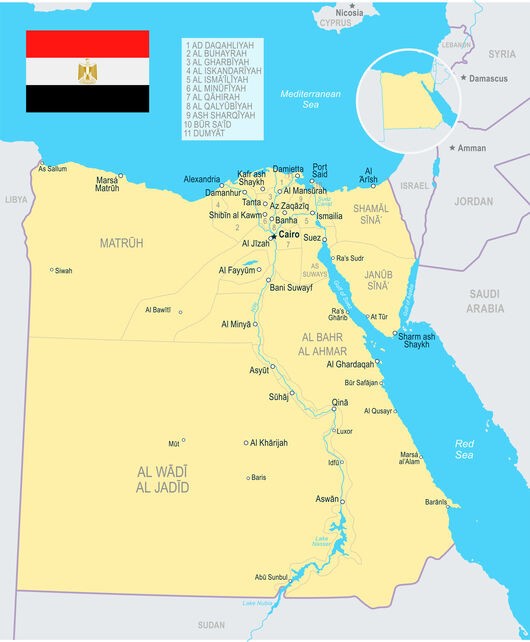
A map of Egypt quickly shows why most itineraries follow a similar pattern. The country's greatest attractions are naturally connected by geography, making route planning straightforward.
7-Day Egypt Highlights
- Cairo
- Giza
- Luxor
- Aswan
Perfect for travelers focused on Egypt's most famous historical sites.
10-Day Egypt Explorer
- Cairo
- Alexandria
- Luxor
- Nile Cruise
- Aswan
This itinerary combines ancient history with Mediterranean culture and one of the world's most iconic river journeys.
12-Day Egypt & Red Sea
- Cairo
- Giza
- Luxor
- Aswan
- Hurghada
Ideal for visitors who want to balance archaeological wonders with a relaxing beach holiday.
Using an Egypt map with cities while planning helps ensure travel flows naturally from north to south without unnecessary backtracking.
Why Maps Are Essential for First-Time Visitors
Looking at an Egypt map before traveling helps you understand that the country's famous attractions are spread across several regions rather than concentrated in one city.
For example:
- The Pyramids are near Cairo.
- Abu Simbel is close to Aswan.
- The Valley of the Kings is in Luxor.
- The Red Sea resorts lie several hours east of the Nile Valley.
Knowing these locations allows you to choose the right transportation, estimate travel times, and avoid trying to fit too much into a short itinerary.
Planning the Perfect Egypt Itinerary
When creating your itinerary, think geographically instead of simply listing attractions.
A logical route often looks like this:
- Arrive in Cairo and explore the Pyramids of Giza, the Egyptian Museum, and Old Cairo.
- Fly to Luxor to visit Karnak Temple and the Valley of the Kings.
- Cruise the Nile to Aswan, stopping at Edfu and Kom Ombo.
- Continue to Hurghada for several days by the Red Sea or return to Cairo for departure.
Following the natural layout shown on an Egypt Nile map reduces travel fatigue and gives you more time to enjoy each destination.
Which Region of Egypt Is Right for You?
Different travelers have different priorities, and Egypt offers something for everyone.
| Travel Style | Recommended Region |
| Ancient history | Cairo, Giza, Luxor, Aswan |
| Beach holiday | Hurghada, Marsa Alam, Sharm El Sheikh |
| Family vacation | Cairo & Hurghada |
| Luxury travel | Nile Cruise & Red Sea Resorts |
| Adventure | Sinai Peninsula & Western Desert |
| Photography | Nile Valley & White Desert |
Choosing destinations based on your interests makes planning much easier than trying to visit every corner of the country in a single trip.
Explore Egypt with a Guided Tour
Planning an Egyptian itinerary independently can be rewarding, but combining domestic flights, Nile cruises, hotel reservations, and transportation requires careful coordination.
Our professionally designed Egypt tours simplify the process by bringing together the country's most iconic landmarks in one seamless itinerary.
Whether you're interested in ancient temples, relaxing on the Red Sea, or cruising the Nile, our carefully curated Egypt travel packages offer comfortable accommodations, knowledgeable guides, and well-balanced schedules that maximize your time.
If you're looking for a complete cultural journey, the best of Egypt tour combines Cairo, Luxor, Aswan, and a memorable Nile cruise into one unforgettable experience, allowing you to discover Egypt's greatest treasures without worrying about logistics.
About Magnificent Travel
At Magnificent Travel, we specialize in creating thoughtfully designed journeys that showcase the very best of Egypt. From the legendary Pyramids of Giza and the timeless temples of Luxor to the tranquil beauty of the Nile and the crystal-clear waters of the Red Sea, our itineraries combine history, culture, and comfort. With experienced local guides, carefully selected accommodations, and seamless transportation, we help travelers experience Egypt with confidence and ease. Whether you're planning your first visit or returning to explore more, our personalized service ensures an unforgettable adventure from beginning to end.
Frequently Asked Questions
1. What is the best map to use when planning a trip to Egypt?
An Egypt map showing major cities, the Nile River, and transportation routes is the most useful for trip planning. It helps travelers understand distances, organize sightseeing efficiently, and choose logical travel routes between Cairo, Luxor, Aswan, and the Red Sea resorts.
2. Which cities should first-time visitors include on an Egypt itinerary?
Most first-time visitors should include Cairo, Giza, Luxor, and Aswan because they feature Egypt's most famous historical attractions. Travelers with additional time often extend their journey to Hurghada or Sharm El Sheikh for beaches, diving, and relaxation along the Red Sea coast.
3. Why is the Nile River so important on an Egypt map?
The Nile River has been Egypt's lifeline for thousands of years, supporting agriculture, trade, and civilization. Most of the country's iconic temples, tombs, and ancient cities are located along its banks, making it the central route for many travel itineraries.
4. Is Hurghada or Sharm El Sheikh better for a beach holiday?
Hurghada is ideal for combining beach relaxation with visits to Luxor because of its convenient location. Sharm El Sheikh is better known for luxury resorts, exceptional diving, colorful coral reefs, and easy access to the stunning landscapes of the Sinai Peninsula.
5. How far is Luxor from Cairo?
Luxor lies approximately 650 kilometers (404 miles) south of Cairo. Most travelers choose a one-hour domestic flight, although overnight trains are also available. Flying saves valuable sightseeing time, especially for shorter itineraries covering several destinations.
6. What is the best route for exploring Egypt?
A classic route begins in Cairo, continues to Luxor by air, follows a Nile cruise to Aswan, and finishes with a relaxing stay in Hurghada or another Red Sea resort. This itinerary combines Egypt's greatest historical landmarks with beautiful coastal scenery.

A travel professional specializing in tailor-made travel planning, guest experience management, and multi-destination tourism operations.
With over 23 years of experience in the travel industry, he designs and manages private and cultural tours for international travelers across Türkiye, Greece, Egypt, Jordan, Morocco, and other destinations.
He has strong expertise in both online and face-to-face guest communication, sales processes, and end-to-end travel operations.
Working closely with hotels, travel agencies, and local partners, he ensures smooth coordination and high-quality travel experiences at every stage of the journey.
His focus is on delivering personalized, reliable, and seamless travel experiences for international guests worldwide.