Crossing the Aegean from Turkey to Greece
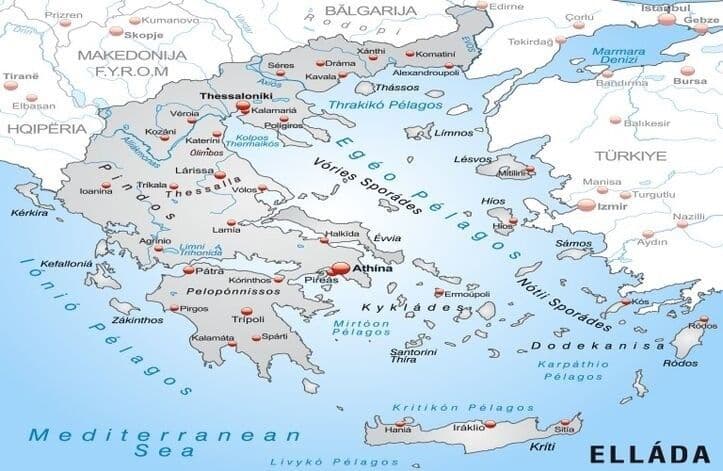
On a clear morning in Bodrum, the Greek island of Kos is visible across the water. From Kuşadası, Samos lies close to the Turkish coastline, while travelers staying in Marmaris or Fethiye can reach Rhodes without making a long journey through mainland Greece.
This proximity makes the Aegean rather unusual: two countries with distinct histories, languages and cultures are separated by stretches of water that ferries can cross in less than an hour.
For visitors exploring Turkey's western coastline, traveling to Greece by ferry can be an enjoyable way to continue their holiday. Someone finishing a visit to Ephesus might choose to spend a few nights on Samos, while travelers staying in Bodrum could visit Kos for the day before returning to Turkey.
The practical details, however, deserve more attention than the short distances suggest. Ferry services follow seasonal schedules, different operators use different terminals, and passengers must complete international border formalities even when the journey itself lasts only 20 or 30 minutes.
Choosing the right ferry is therefore less about finding the shortest crossing and more about understanding which departure port suits your location, where the boat arrives and how much time you will actually have on the Greek island.
Turkey to Greece Ferry Routes and Crossing Times
Several Turkish coastal towns have direct ferry connections with nearby Greek islands, particularly along the Aegean coast, where the distance between the two countries is relatively small.
The following table covers the principal routes used by international travelers.
| Departure from Turkey | Arrival in Greece | Approximate crossing time |
| Bodrum | Kos | 20–60 minutes |
| Kusadasi | Samos | 30–90 minutes |
| Cesme | Chios | 20–80 minutes |
| Marmaris | Rhodes | 50–70 minutes |
| Fethiye | Rhodes | 85–120 minutes |
| Ayvalik | Lesvos | 45–90 minutes |
| Kas | Kastellorizo (Meis) | 10–30 minutes |
| Seferihisar | Samos | 60–90 minutes |
These are approximate sailing times rather than guaranteed journey durations. The actual crossing depends on the ferry operator, vessel type, weather conditions and arrival terminal, while some connections operate only during particular months.
Bodrum to Kos: One of the Shortest and Most Convenient Crossings
Bodrum and Kos face each other across a narrow section of the Aegean Sea, making this one of the most practical ferry routes for travelers staying on Turkey's southwestern coast.
Fast ferries can complete the crossing in approximately 20–30 minutes, although conventional vessels take longer. The journey is particularly attractive because Kos Town is relatively easy to explore after arriving at the harbor, with archaeological remains, shaded streets and waterfront restaurants within walking distance.
Visitors interested in ancient history can explore the island's archaeological sites, while those staying longer may wish to visit the Asklepion, traditional villages or beaches beyond the main town.
A day trip from Bodrum is possible when the ferry schedule allows sufficient time ashore, but an overnight stay provides more flexibility for exploring the island.
Before booking, check whether your service departs from central Bodrum or Turgutreis, since the two ports are located in different parts of the peninsula.
Kusadasi to Samos: A Natural Connection After Ephesus
Kusadasi is one of Turkey's main gateways to Ephesus, and its ferry connections with Samos offer a convenient opportunity to continue a journey into Greece.
Depending on the operator and sailing date, ferries may arrive at Vathy or Pythagorion. These are different ports, so the arrival location should be checked before arranging accommodation or onward transportation.
Pythagorion has a pleasant waterfront and several nearby archaeological attractions, while Vathy provides access to Samos Town and the surrounding countryside.
Unlike smaller islands that can be explored comfortably in a few hours, Samos has mountain villages, wooded landscapes and beaches spread across a relatively large area. Travelers interested in seeing more than the arrival port will generally find an overnight stay more rewarding than a rushed day trip.
For visitors who have already explored Ephesus and the nearby Aegean coast, this crossing provides a convenient continuation of their journey without requiring another flight.
Marmaris to Rhodes: A Short Journey to a Medieval City
Rhodes is among the most interesting Greek islands accessible directly from Turkey, particularly for travelers drawn to historic architecture and cultural sightseeing.
Ferries from Marmaris generally reach Rhodes in approximately one hour, although the actual duration varies according to the vessel and operating conditions.
The island's UNESCO-listed Medieval City is one of its greatest attractions. Within the fortified walls, visitors can walk along narrow stone streets, explore buildings associated with the Knights of St. John and visit the Palace of the Grand Master.
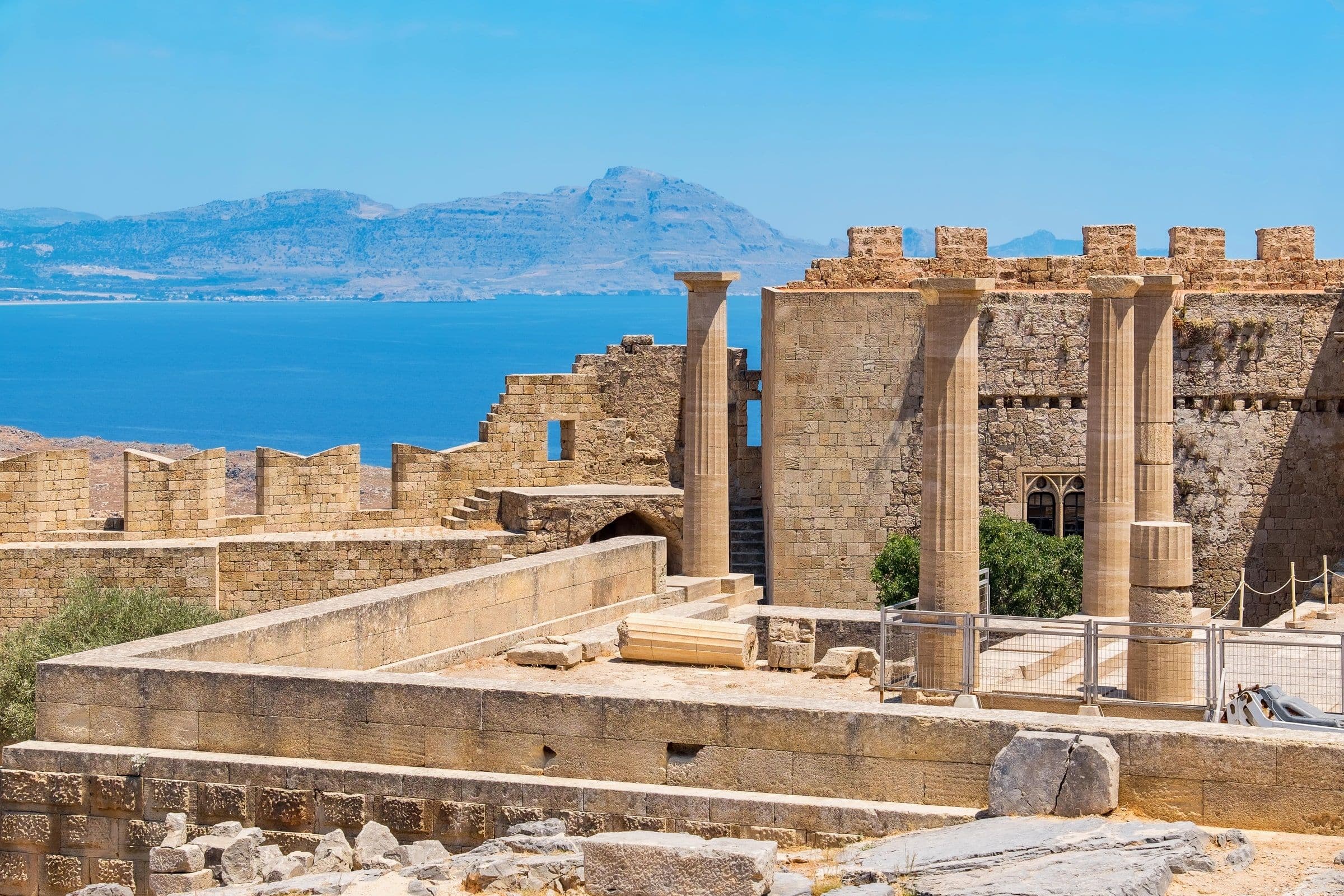
Rhodes also offers beaches, traditional villages and the historic settlement of Lindos, whose ancient acropolis overlooks the coastline.
Although a day trip from Marmaris can be enjoyable, visitors hoping to explore beyond Rhodes Town should consider spending at least one night on the island.
Fethiye to Rhodes: An Alternative for Travelers on Turkey's Southern Coast
Visitors staying in Fethiye or nearby Oludeniz may find the ferry to Rhodes more convenient than traveling overland to Marmaris.
The crossing generally takes around 90 minutes or longer, depending on the service, and departures are more limited outside the main tourist season.
This connection is particularly useful for travelers who have spent several days exploring Fethiye's coastline, enjoying boat excursions or visiting nearby Lycian historical sites.
Rather than returning toward a major airport, they can continue directly to Rhodes when a suitable ferry is operating.
Because schedules vary seasonally, confirming the departure date before booking accommodation is especially important on this route.
Cesme to Chios: A Greek Island Close to İzmir
For travelers staying in Çeşme or Alaçatı, Chios is one of the easiest Greek islands to reach.
Fast ferry services can complete the crossing in approximately 20–30 minutes, although some vessels take longer.
Chios offers a different atmosphere from the fashionable coastal resorts of western Turkey. Beyond its harbor, the island is known for traditional villages, medieval architecture and the cultivation of mastic, a distinctive resin associated with its southern settlements.
Pyrgi is particularly memorable for the geometric decorations covering many of its buildings, while Mesta preserves the character of a fortified medieval village.
A day trip provides enough time to enjoy Chios Town, but exploring the island's villages is easier with an overnight stay or prearranged transportation.
Ayvalik to Lesvos and Kas to Kastellorizo
Not every worthwhile ferry crossing begins in a major resort town.
Ayvalık, known for its historic streets, waterfront restaurants and olive-growing landscape, has connections with Lesvos, one of the largest islands in the northeastern Aegean.
Lesvos appeals to visitors interested in traditional villages, regional cuisine and a quieter island experience, although its size makes it better suited to a longer stay than a brief afternoon excursion.
Farther south, Kaş faces Kastellorizo, known in Turkey as Meis. The crossing is exceptionally short, and the island's colorful neoclassical houses create a striking impression as the ferry approaches its small harbor.
Kastellorizo is compact enough for a leisurely visit, although excursions to attractions such as the Blue Cave depend on suitable sea conditions.
How Much Does a Ferry from Turkey to Greece Cost?
Ferry prices vary according to the route, operator, season and vessel type. As a general budgeting reference rather than a confirmed fare quotation, many popular one-way passenger crossings fall around €50–€90, although some services cost considerably more.
The shortest route is not necessarily the cheapest. Fast catamarans, limited departure availability and increased demand during July and August can all influence ticket prices.
When comparing fares, travelers should check whether port taxes, booking charges and luggage allowances are included in the advertised price. Some operators collect certain charges separately, meaning the final amount may be higher than the initial fare displayed online.
Return tickets can sometimes offer better value than purchasing two separate one-way journeys, although this depends on the operator and fare conditions.
Cancellation policies also deserve attention, particularly when ferry travel forms part of a longer holiday with accommodation or flights already arranged.
When Do Ferries Operate Between Turkey and Greece?
The greatest choice of departures is generally available between late spring and early autumn, when tourism demand supports more frequent crossings.
July and August are usually the busiest months, particularly on routes connecting popular Turkish resorts with nearby Greek islands. June and September can offer a pleasant balance between suitable weather and somewhat quieter destinations.
April, May and October may also be attractive for sightseeing, but not every route operates daily during these months.
Winter services are more limited. Certain established connections, including selected sailings between Bodrum and Kos, Çeşme and Chios, Ayvalık and Lesvos, and Marmaris and Rhodes, may continue on reduced schedules, while other routes suspend operations until the following tourist season.
Even during summer, strong Aegean winds can occasionally cause delays or cancellations. Travelers planning to connect with an international flight should therefore avoid relying on a tightly scheduled same-day ferry arrival.
Do You Need a Passport or Visa to Take the Ferry?
Traveling from Turkey to Greece involves crossing an international border, regardless of how short the ferry journey may be.
Greece belongs to the Schengen Area, while Turkey does not, meaning passengers must satisfy Greek immigration requirements before entering the islands.
Citizens of countries such as the United States, United Kingdom, Canada and Australia can generally visit Greece without obtaining a Schengen visa for short tourist stays, provided they meet the applicable entry conditions and have sufficient permitted days remaining.
Travelers whose nationality requires a Schengen visa must normally obtain the appropriate authorization before departure.
Eligible Turkish citizens may be able to use Greece's special short-stay island visa arrangement for participating islands, subject to the current program conditions and application procedures. This arrangement has specific geographical and duration restrictions and should not be confused with a standard Schengen visa.
For many non-EU visitors, passports must have been issued within the previous ten years and remain valid for at least three months after the intended departure from the Schengen Area.
Anyone planning to return to Turkey should also check Turkish re-entry requirements, particularly when traveling with a visa that limits the number of permitted entries.
Because immigration rules can change, passengers should verify the requirements applicable to their nationality before purchasing non-refundable tickets.
What Happens at the Ferry Terminal?
Although some crossings take less than half an hour, passengers should allow considerably more time for the complete international journey.
Travelers normally check in with their ferry operator, present their passports and complete Turkish departure formalities before boarding. On arrival in Greece, they pass through Greek immigration before leaving the port.
During the summer, these procedures can take longer when several ferries arrive close together, especially at smaller terminals.
Arriving approximately 60–90 minutes before departure is a sensible general guideline, although the ferry operator's specific check-in deadline should always take priority.
One detail that occasionally catches travelers by surprise is the time difference between the two countries. Turkey remains on UTC+3 throughout the year, whereas Greece changes between summer and winter time.
During winter, Greece is one hour behind Turkey, so ferry tickets should always be read according to the local departure and arrival times shown.
Is a Day Trip from Turkey to Greece Worth It?
A day trip can be an enjoyable addition to a holiday along Turkey's coastline, especially when the Greek arrival port has interesting attractions within walking distance.
Kos and Kastellorizo are particularly suitable for short visits when ferry schedules provide enough time ashore, while Chios can also work well for travelers interested in exploring the main town.
Rhodes and Samos present a different choice because their attractions extend well beyond the harbor. Visitors hoping to explore historic sites, traditional villages and beaches may find that staying overnight makes the experience considerably more enjoyable.
The return ferry schedule is often more important than the outward crossing. A boat that reaches Greece late in the morning but departs again in the early afternoon may leave surprisingly little time once immigration procedures and local transportation are taken into account.
For travelers who prefer a slower pace, spending one or two nights on the island allows more freedom to explore without constantly watching the clock.
Choosing the Right Ferry for Your Journey
The most practical ferry is usually the one departing closest to where you are already staying in Turkey.
Travelers in Bodrum will generally find Kos more convenient than Rhodes, while visitors finishing their sightseeing around Ephesus may prefer the direct connection from Kuşadası to Samos. Those staying in Fethiye or Marmaris are better positioned for Rhodes, provided the sailing schedule matches their dates.
Before booking, confirm the exact departure terminal, arrival port, luggage conditions and check-in deadline. Passengers hoping to take a vehicle should also verify that the specific service accepts cars, since many fast passenger ferries do not.
A rental car requires particular attention because companies frequently restrict international border crossings, even when vehicle ferries are available.
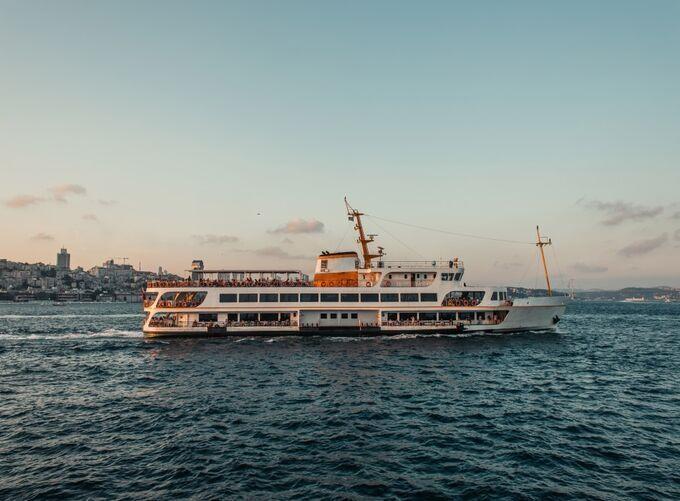
For travelers already exploring Turkey's western coastline, a ferry can offer something that air travel rarely provides: the chance to watch one shoreline gradually disappear while another comes into view.
With the right departure port and a realistic allowance for border formalities, crossing the Aegean can become one of the most enjoyable parts of a journey between Turkey and Greece.
Frequently asked questions
There is no regular direct passenger ferry from central Istanbul to the popular Greek islands. Travelers generally reach a Turkish Aegean coastal port before crossing.
Kaş to Kastellorizo and Çeşme to Chios are among the shortest crossings, with some fast services taking approximately 20–30 minutes depending on the vessel.
US passport holders can generally enter Greece visa-free for short tourist visits, provided they satisfy Schengen entry requirements and have sufficient permitted stay remaining.
Selected services carry vehicles, particularly on the Çeşme–Chios and Ayvalık–Lesvos routes. Rental company authorization and suitable international insurance are essential before traveling.
Some ferry connections operate year-round with reduced winter frequencies, while others are seasonal. Availability depends on the route, operator, weather conditions and intended travel date.