Ortahisar is an excellent place to stay in Cappadocia if you enjoy quieter surroundings and prefer returning to a traditional village after a day of sightseeing. Its position within central Cappadocia makes regional excursions straightforward with arranged transportation, while its historic streets and rock-carved buildings offer a more intimate setting than the busiest parts of Göreme.
The decision becomes less straightforward if you intend to explore independently, eat somewhere different every evening or walk everywhere from your accommodation. Ortahisar's appeal is closely connected to its smaller scale, and the very qualities that make it attractive to some travelers can make it inconvenient for others.
What Staying Beneath Ortahisar Castle Actually Means
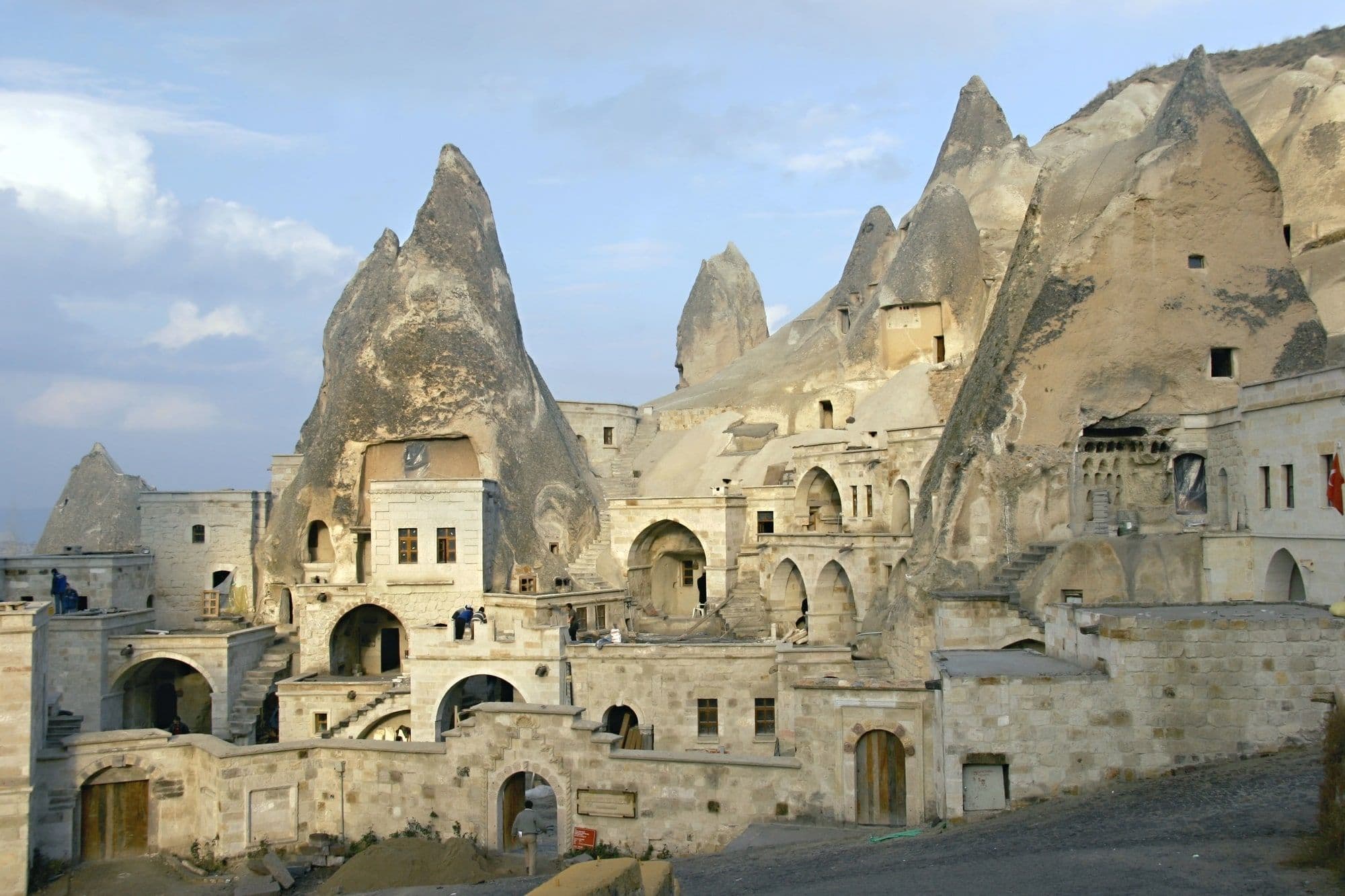
It is difficult to understand Ortahisar without considering the enormous rock formation around which the settlement developed. The castle rises directly from the village, with traditional houses occupying the surrounding slopes. Seen from below, the fortress appears almost inseparable from the residential buildings gathered around its base.
The relationship between architecture and geology continues throughout the older streets. Houses, courtyards and passageways occupy different levels, following the contours of the volcanic landscape rather than a regular street plan. Staying here allows you to experience this setting beyond the brief encounter offered by a sightseeing stop.
GoTürkiye's official destination information also highlights Ortahisar's agricultural heritage. Excavated chambers within the surrounding valleys historically served as storage facilities for local produce and citrus fruits brought from Mediterranean Turkey. These spaces reveal how extensively the volcanic landscape influenced everyday economic life.
In 2026, Ortahisar became Türkiye's 29th member of the International Cittaslow Network, according to GoTürkiye. This recognition reflects the settlement's commitment to preserving its cultural identity and architectural heritage. It does not mean that Ortahisar is untouched by tourism, but it provides useful context for understanding the kind of destination the town aims to remain.
Central on the Map Does Not Mean Everything Is Within Walking Distance
Ortahisar lies approximately six kilometers from Ürgüp, a distance confirmed by GoTürkiye's official Nevşehir destination guide. Göreme and several of Cappadocia's principal valley landscapes are also accessible by road.
For travelers choosing accommodation, the important distinction is between geographical centrality and everyday convenience. Cappadocia's attractions are scattered across a broad landscape, so staying in a busier town does not eliminate the need for transportation. An organized sightseeing day beginning in Ortahisar can be just as practical as one beginning elsewhere, provided that hotel collection is included.
The difference becomes noticeable outside organized activities. Returning to another town for dinner, arranging an independent excursion or visiting a particular shop requires more consideration when your accommodation is away from the region's busiest commercial streets.
Ortahisar consequently works better as a base when you already have a reasonable idea of how you will move around Cappadocia. It is less suited to travelers who want every decision to remain open until the last moment.
Which Cappadocia Base Matches Your Daily Routine?
Rather than ranking the region's accommodation centers, consider how each location would influence an ordinary day during your holiday.
| What matters to you | How Ortahisar fits | Alternative worth considering |
| Quiet surroundings after sightseeing | Traditional streets and a generally calmer evening atmosphere | Uçhisar for similarly relaxed accommodation settings |
| Numerous restaurants within walking distance | Local choices, particularly around the village center | Göreme or central Ürgüp |
| Traditional architecture immediately outside your hotel | Historic buildings clustered around the rock castle | Older neighborhoods of Ürgüp |
| Independent exploration without arranged transport | Possible locally, but regional outings require planning | Central Göreme |
| Expansive landscape views from your accommodation | Castle-facing and valley-facing properties | Uçhisar for elevated regional panoramas |
| Organized sightseeing with hotel pickup | A practical alternative to busier tourism centers | Any suitable property within the operator's service area |
These comparisons reflect general travel-planning considerations rather than measured rankings. Individual hotels, street locations and seasonal conditions can significantly alter the experience.
The Walk Back to Your Hotel Deserves Attention
Accommodation photographs rarely explain the physical relationship between a hotel and the surrounding streets. In Ortahisar, this can be particularly important because properties occupy different levels of the historic settlement.
A room overlooking the castle may be reached through a narrow, sloping passage. A restaurant that appears close on a map may require a noticeable uphill walk on the return journey. Hotels slightly removed from the older streets may offer easier vehicle access but less opportunity to experience the village directly.
For travelers with limited mobility, the route between the room, breakfast area and hotel entrance can be more important than the distance to the village center. Even guests who are comfortable walking may prefer straightforward access after spending much of the day exploring Cappadocia's uneven archaeological landscapes.
Ask for information about the actual pedestrian approach to the property. A hotel's central location does not necessarily establish that it is easy to reach with luggage or suitable for guests who struggle with stairs.
An Evening in Ortahisar Is Part of the Accommodation Decision
Imagine returning from a sightseeing excursion with no particular plans for the evening. In Göreme, the temptation might be to explore another street, browse shops or choose between numerous restaurants. In Ortahisar, you may be perfectly content to have dinner locally and spend the remainder of the evening at your accommodation.
Neither experience is inherently better. The important question is which one you would enjoy repeating throughout your stay.
Ortahisar's smaller dining scene is unlikely to be a major disadvantage if you appreciate relaxed evenings or have selected a property with suitable dining facilities. Travelers who consider restaurant discovery an important part of their holiday may place greater value on having numerous alternatives nearby.
Outside the busier travel periods, confirm restaurant availability rather than relying exclusively on online listings. A convenient restaurant that is temporarily closed offers little practical benefit when the next available option requires transportation.
Choose the Room, Not Just the Cave Hotel
Ortahisar's architecture lends itself particularly well to accommodation incorporating traditional stone construction and rock-carved interiors. However, the appearance and comfort of individual rooms can vary considerably.
A deeply recessed cave room may appeal to travelers who enjoy unusual architecture, while someone sensitive to enclosed spaces might prefer a room with external windows and more natural daylight. The distinction cannot always be determined from the general description of a cave hotel.
Terraces require similarly careful consideration. A photograph showing Ortahisar Castle from a hotel's communal rooftop does not mean that the reserved room has the same view. Confirm whether the outlook belongs to your room, a private terrace or a shared outdoor area.
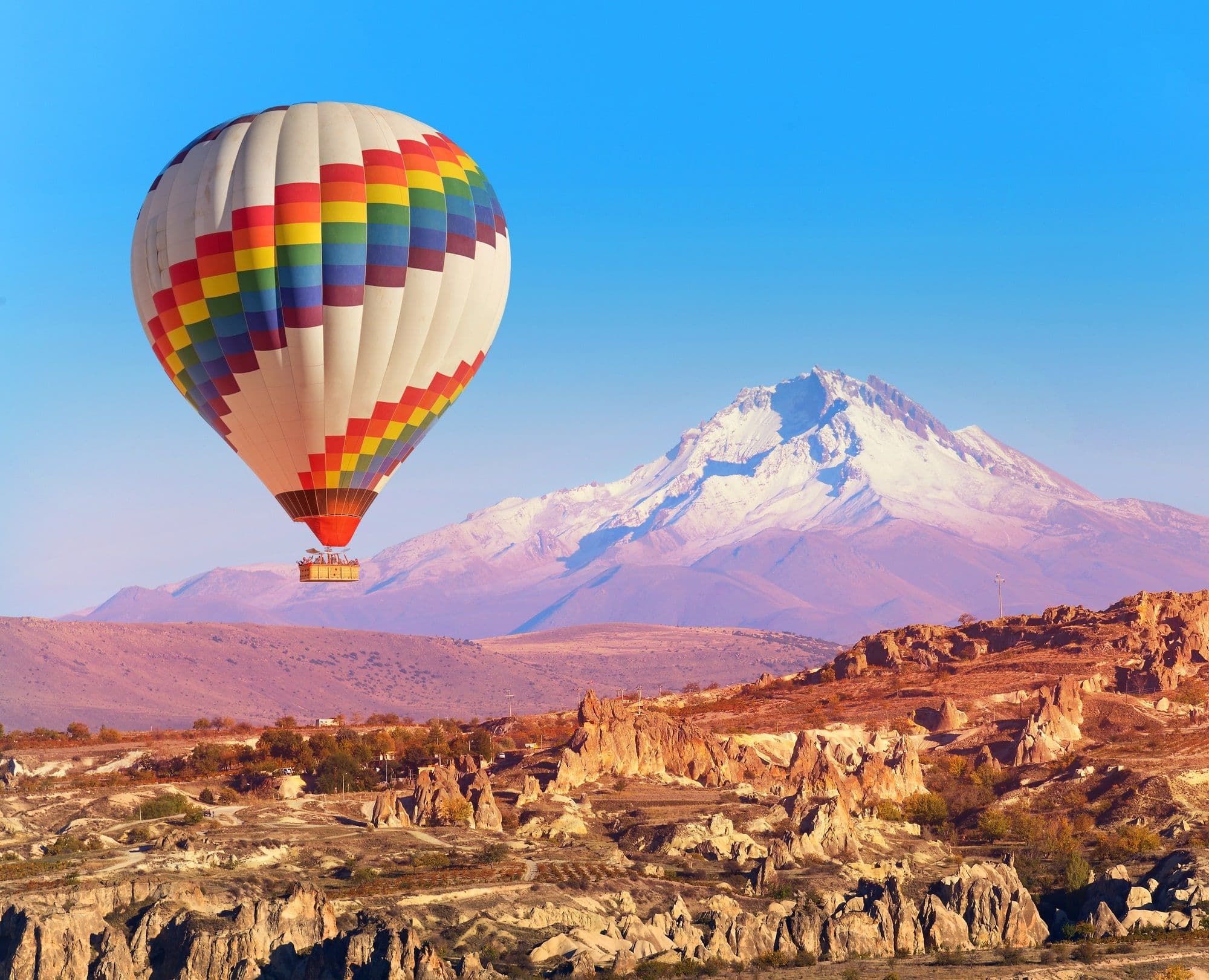
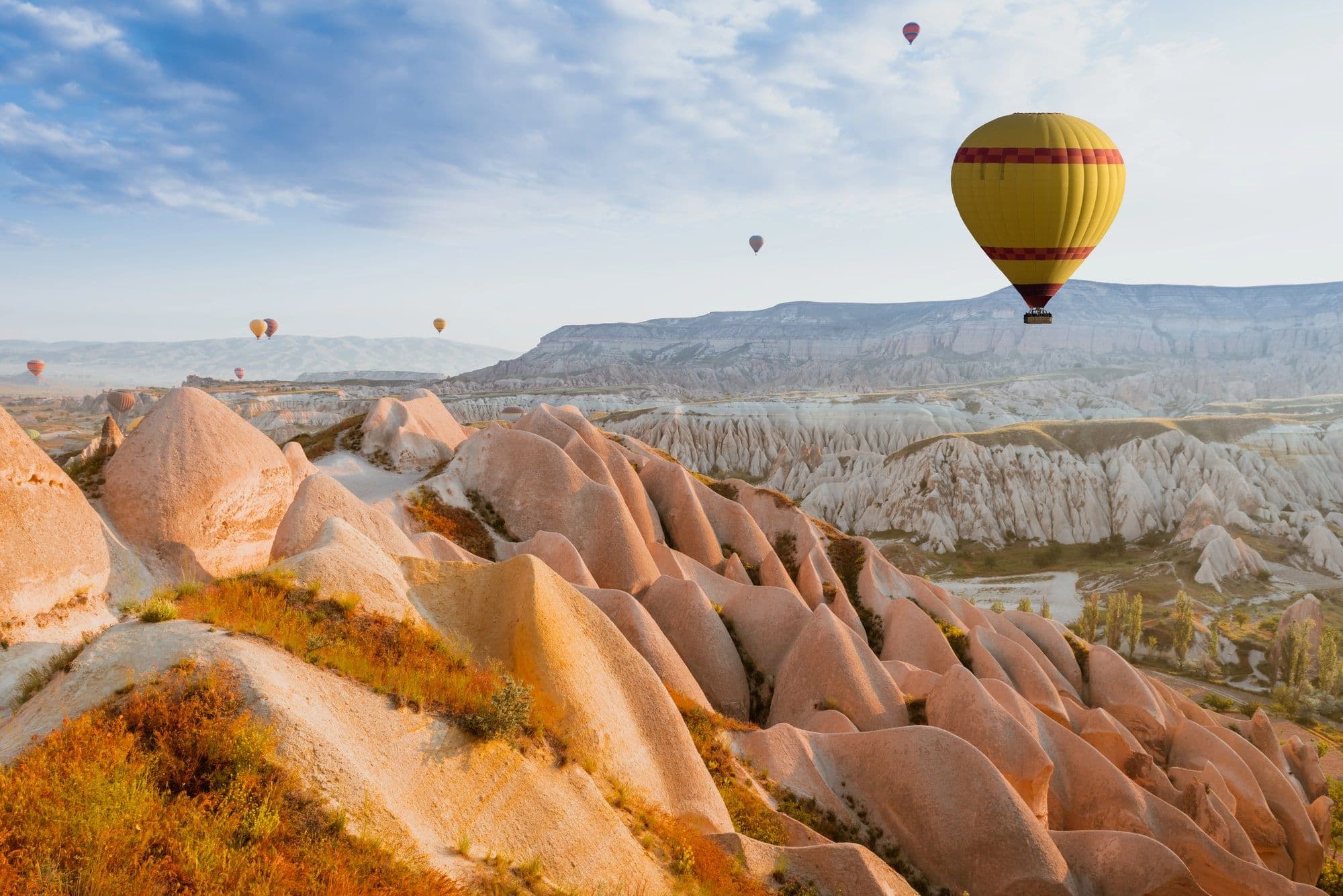
Balloons may also be visible from Ortahisar, depending on flight routes and atmospheric conditions. Their presence above a particular property cannot be guaranteed. Choosing accommodation for its permanent architectural setting is more dependable than choosing it for a sunrise photograph that may never be repeated.
Check These Details Before Confirming Your Reservation
Once you have identified an appealing Ortahisar property, establish whether its practical arrangements match your expectations.
- Obtain the hotel's exact location. Examine its relationship with the central square, surrounding streets and vehicle-accessible roads.
- Confirm sightseeing collection. Ask whether your chosen tour operator provides pickup and return transportation directly from the property.
- Investigate the approach on foot. Establish whether reaching nearby restaurants involves steep streets, steps or uneven surfaces.
- Verify the reserved room's features. Confirm window access, internal stairs, heating arrangements and any advertised private views.
- Resolve evening arrangements. Identify suitable dining options and transportation alternatives for occasions when you want to leave Ortahisar.
These checks are particularly useful because the difference between two properties within the same village can be greater than their respective descriptions suggest.
When Ortahisar Is Not the Obvious Choice
A short Cappadocia stay does not automatically make Ortahisar impractical. With dependable transfers and organized excursions, travelers can enjoy the village without sacrificing valuable sightseeing time.
Likewise, renting a car does not automatically make every Ortahisar hotel convenient. Narrow approaches, parking arrangements and internal stairs remain relevant even when independent transportation is available.
Families may find that accessible rooms and straightforward dining matter more than a secluded terrace. Travelers arriving late in the evening should confirm reception, luggage assistance and food arrangements. Those expecting extensive independent walking may benefit from accommodation closer to the services they intend to use.
Ortahisar is most rewarding when the village itself contributes something to your holiday. If you would enjoy opening the hotel door onto a quiet stone-paved lane beneath the castle, rather than immediately entering a busy tourism district, the decision becomes considerably easier.
Destination Sources and Accommodation Notes
- GoTürkiye – Nevşehir Destination Guide: Official information concerning Ortahisar's location, distance from Ürgüp, castle and traditional settlement architecture.
- GoTürkiye – Cittaslow Central Anatolia: Ortahisar's admission to the international Cittaslow network in 2026 and its cultural preservation objectives.
- GoTürkiye – Türkiye Welcomes Its 29th Slow City: Official announcement covering Ortahisar's Cittaslow membership, agricultural heritage and historic rock-carved storage facilities.
Accommodation recommendations and comparisons are qualitative travel-planning assessments. Individual hotel facilities, accessibility, restaurant availability and transportation coverage should be confirmed directly before booking.
Frequently asked questions
Ortahisar suits travelers seeking traditional surroundings, distinctive accommodation and quieter evenings. It is particularly practical when airport transfers and transportation for daily sightseeing are arranged.
According to GoTürkiye's official destination information, Ortahisar lies approximately six kilometers from Ürgüp. Actual driving arrangements depend on the location of your accommodation and destination.
Ortahisar generally offers a calmer village environment, while Göreme provides greater immediate access to restaurants and tourism services. Individual hotel locations can significantly influence noise levels.
Yes. Confirmed airport transfers and organized sightseeing can eliminate the need for a rental car. Additional transportation may be useful for independent excursions and evening outings.
Some historic streets have noticeable gradients, steps and uneven surfaces. Travelers with mobility concerns should examine their hotel's pedestrian approach and internal accessibility before reserving accommodation.
Balloons are sometimes visible from Ortahisar, depending on flight direction and weather conditions. Hotel orientation, surrounding buildings and terrace elevation influence the quality of individual views.
Ortahisar joined the international Cittaslow network in 2026, reflecting commitments to cultural preservation, sustainable development and local identity rather than guaranteeing an entirely traffic-free tourism environment.