Ancient Egypt Has a New Home in Giza
There is something unusual about visiting the Grand Egyptian Museum. Before you reach the first exhibition, the building itself makes you think about scale. Its enormous entrance hall, monumental sculptures and carefully framed views towards the Giza Plateau establish a connection between the objects inside and the pyramids standing nearby.
For decades, travelers interested in ancient Egypt moved between the Egyptian Museum in Cairo's Tahrir Square, the pyramids and archaeological sites farther south. The Grand Egyptian Museum brings a remarkable part of that history together in a purpose-built setting.
Commonly known as GEM, it is the world's largest archaeological museum dedicated to a single civilisation. Following its official inauguration on 1 November 2025, the museum opened fully to the public on 4 November, including the long-awaited Tutankhamun galleries.
Earlier travel articles sometimes describe only selected galleries being accessible. Those accounts reflect the museum's partial-opening period, not the complete visitor experience available today.
The real challenge now is deciding how to explore a collection that could easily occupy an entire day.
Tutankhamun's Treasures: The Collection Everyone Wants to See
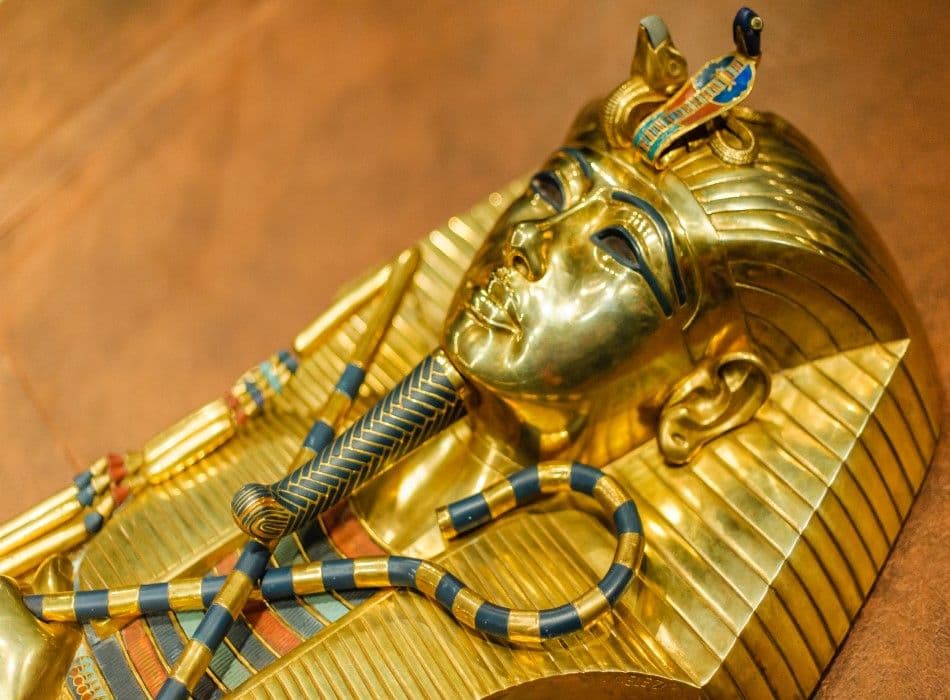
Tutankhamun is undoubtedly the museum's biggest attraction. Yet the importance of his collection extends far beyond the famous golden funerary mask.
In 1922, British archaeologist Howard Carter discovered the young pharaoh's tomb in the Valley of the Kings near Luxor. Unlike many royal tombs that had been extensively looted, this burial preserved an extraordinary collection of objects associated with the king's life and journey into the afterlife.
More than 5,000 objects were recovered from the tomb. The Grand Egyptian Museum brings the collection together in dedicated galleries, allowing visitors to understand the treasures as part of a single archaeological discovery.
There are elaborate pieces of jewellery, ceremonial objects, furniture, chariots and personal belongings. Some demonstrate astonishing craftsmanship; others reveal surprisingly ordinary aspects of royal life.
That contrast is what makes the collection memorable. A magnificent gold object communicates the wealth and power of Egypt's Eighteenth Dynasty, while a simple personal possession brings the young king closer to the visitor.
The galleries also explain the religious beliefs behind the burial. Ancient Egyptians believed that death marked a transition rather than an ending, and many objects were intended to support the deceased in the next world.
It is worth giving this section more time than the famous photographs might suggest. The golden mask may be the highlight, but the smaller objects often tell the more revealing stories.
Ramesses II Makes the First Impression
Visitors encounter one of the museum's most imposing exhibits almost immediately.
Standing in the Grand Hall is a colossal statue of Ramesses II, approximately 11 metres tall. Its size is impressive, but its setting makes an equally strong impression. Rather than being surrounded by crowded display cases, the statue occupies a vast open space where its proportions can be appreciated.
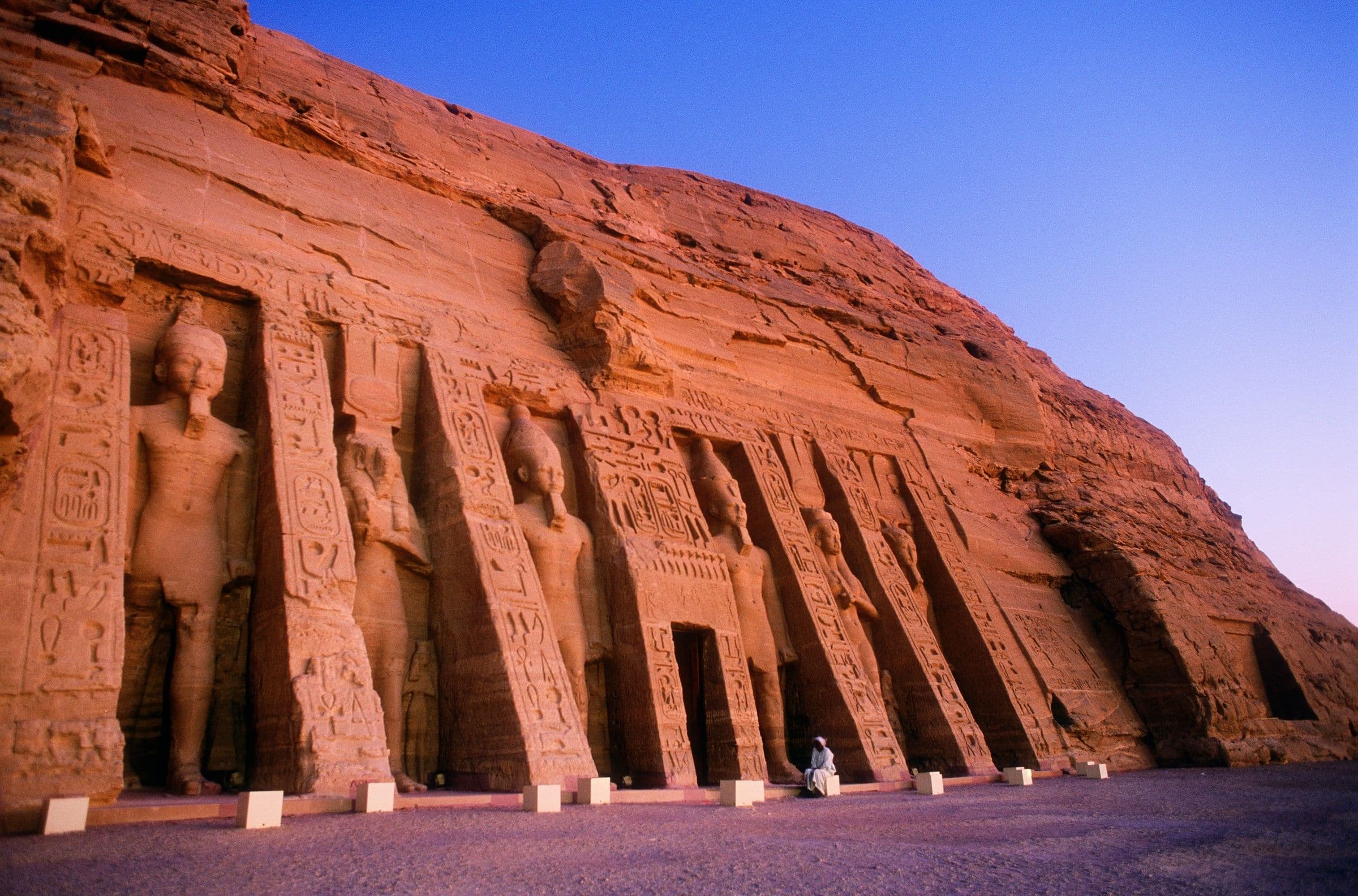
Ramesses II ruled during Egypt's Nineteenth Dynasty and is associated with major building projects, including the temples of Abu Simbel.
The statue introduces a theme that runs throughout the museum: ancient Egyptian rulers used monumental art to express political authority, religious legitimacy and their place in history.
The Grand Hall also reveals the museum's architectural ambition. Natural light and broad sightlines create a different experience from the more traditional exhibition rooms many visitors associate with Egyptian museums.
The Grand Staircase Is Worth Slowing Down For
The Grand Staircase is much more than a way to reach the upper galleries.
Monumental sculptures, architectural fragments and other antiquities accompany visitors as they ascend, creating an introduction to ancient Egyptian kingship and religious symbolism.
The arrangement allows objects to be seen from changing angles. Details that might be overlooked in a conventional gallery become more noticeable as you move through the space.
At the upper levels, the museum's architecture also draws attention towards the nearby Giza Plateau, connecting the collections with the landscape where some of Egypt's most famous monuments were built.
Many visitors naturally want to reach Tutankhamun's treasures as quickly as possible. The staircase, however, deserves time of its own.
What Will You Find in the Twelve Main Galleries?
Beyond the royal treasures, GEM's twelve principal galleries explore ancient Egyptian civilisation across thousands of years.
The exhibitions combine chronology with themes such as society, kingship and religious belief. This makes it easier to understand how Egyptian culture developed without reducing its history to a sequence of rulers and dynasties.
Royal statues demonstrate how pharaohs presented themselves. Coffins, funerary objects and religious imagery reveal changing beliefs about death and rebirth. Everyday items offer glimpses of craftsmanship, domestic life and the people who lived beyond the royal court.
These galleries are particularly rewarding for travelers visiting other parts of Egypt.
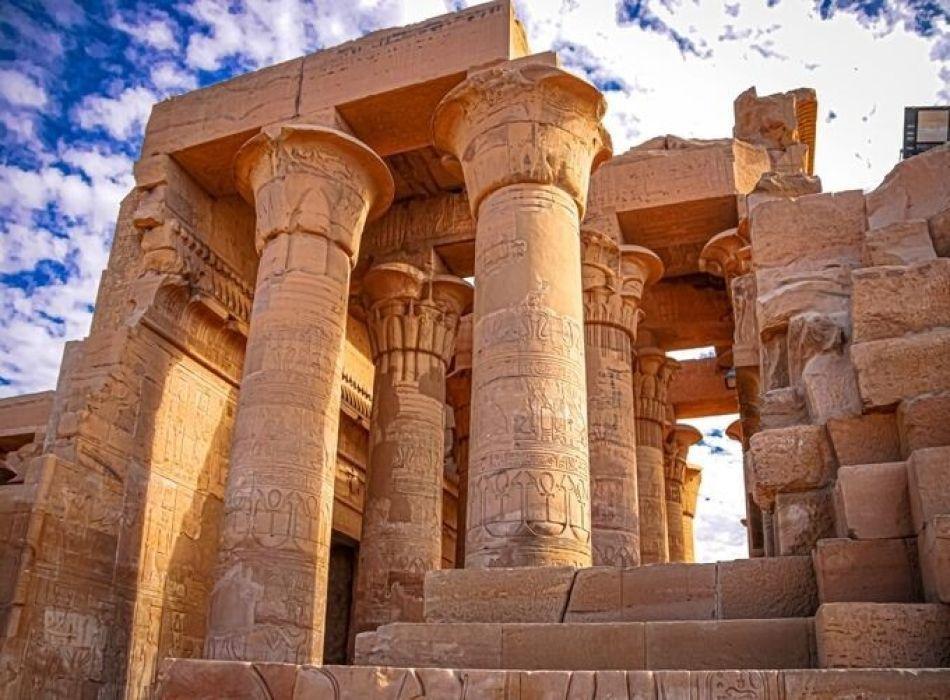
After seeing the temples of Karnak and Luxor, for example, museum objects can help explain the religious traditions behind their monumental architecture. Similarly, the funerary collections provide context for tombs in the Valley of the Kings.
For visitors beginning their Egyptian journey in Cairo, the galleries offer a useful introduction before traveling south to Luxor and Aswan.
Khufu's Boat: A Remarkable Connection to the Pyramids
One of the museum's most extraordinary exhibits is the ancient wooden boat associated with King Khufu, the pharaoh who commissioned the Great Pyramid.
Discovered in 1954 in a sealed pit beside the pyramid, the vessel dates back approximately 4,500 years.
Its remarkable preservation provides valuable evidence of ancient Egyptian woodworking and boatbuilding techniques. The boat was constructed with considerable skill, reflecting a sophisticated understanding of materials and vessel design.
Its precise ceremonial purpose remains a subject of scholarly interpretation, although its connection to Khufu's funerary complex is well established.
The boat is displayed in the dedicated Khufu's Boats Museum.
Seeing it after visiting the pyramids creates an interesting connection between the enormous stone monuments outside and the objects associated with ancient Egyptian royal burial practices.
Grand Egyptian Museum Tickets and Opening Hours
The Grand Egyptian Museum operates a timed-entry ticketing system. Visitors should book online through the official website and select their preferred date and entry time.
Admission prices vary according to nationality, residency, age and eligibility for concessions.
At the museum's full opening in November 2025, the published foreign adult admission price was EGP 1,450. As rates may change, the price displayed by the official booking system should be treated as the current amount.
| Visitor information | Details |
| Location | El Remayah Square, Giza |
| Regular gallery hours | 9:00 AM–6:00 PM |
| Wednesday and Saturday gallery hours | 9:00 AM–9:00 PM |
| Regular complex hours | 8:30 AM–7:00 PM |
| Wednesday and Saturday complex hours | 8:30 AM–10:00 PM |
| Last gallery entry | One hour before closing |
| Ticket booking | Online, with a selected entry time |
| Children under six | Free admission, subject to eligibility rules |
| Recommended visit | Four to five hours |
Standard admission covers the principal museum collections, including the Tutankhamun galleries, Grand Hall, Grand Staircase, twelve main galleries and Khufu's Boats Museum.
Guided tours and certain special experiences may require separate reservations or additional charges.
Tickets are generally valid for one entry on the reserved date. Review the booking conditions carefully, particularly the rules concerning cancellations, refunds and changes.
Opening hours and access arrangements can change during special events or operational adjustments, so confirm them before traveling.
How Much Time Do You Really Need?
Four to five hours is a sensible starting point for a first visit, but archaeology enthusiasts could easily spend longer.
A practical approach is to begin in the Grand Hall, continue through the Grand Staircase and reserve substantial time for the Tutankhamun galleries. The twelve main galleries and Khufu's boat can then be explored according to your interests.
Trying to examine every object in a single visit is unrealistic. The experience becomes more rewarding when you choose a few collections to explore properly rather than moving quickly through every room.
A guided visit can be particularly useful for understanding historical periods and religious symbolism. An Egyptologist can also explain connections between objects that may not be immediately obvious to first-time visitors.
Families may prefer shorter periods in the galleries, with breaks between sections. The museum complex includes cafés, restaurants and visitor facilities that make a longer visit more manageable.
Should You Visit GEM and the Giza Pyramids on the Same Day?
The museum's proximity to the pyramids makes a combined visit appealing, but both attractions deserve considerable time.
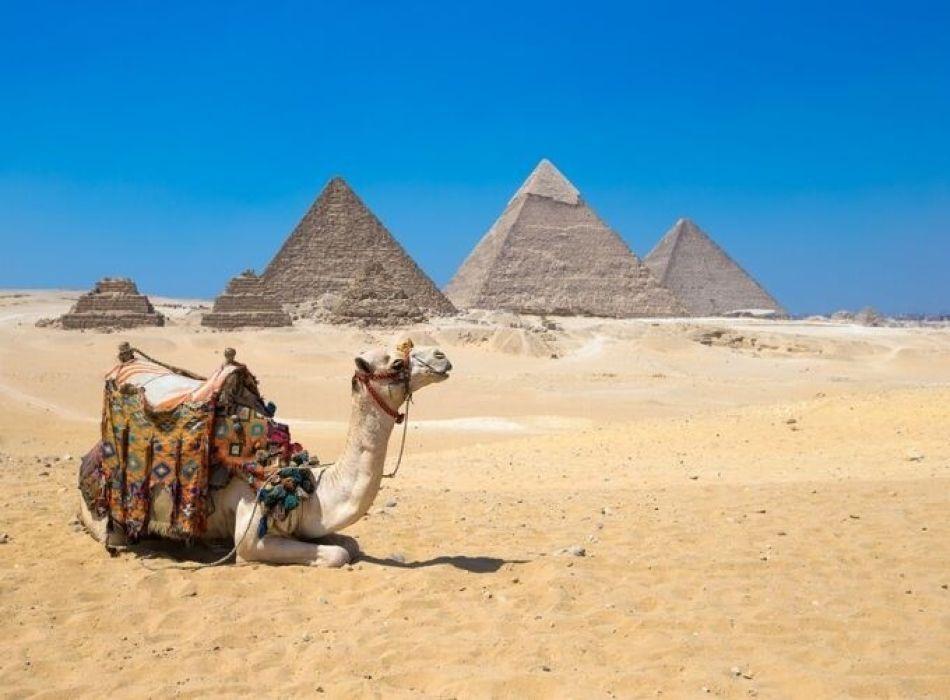
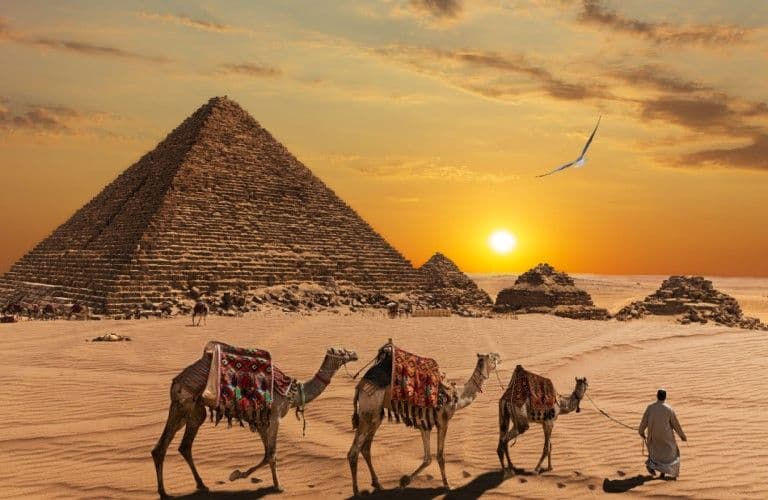
The Giza Plateau includes the Great Pyramid of Khufu, the pyramids of Khafre and Menkaure, the Great Sphinx and additional archaeological remains.
Exploring the plateau involves walking outdoors, often under strong sunlight. The museum is primarily an indoor experience, although its size still requires considerable walking.
For travelers with only one day in Giza, visiting the pyramids early in the morning and continuing to GEM afterward is generally a practical arrangement.
Those who want to enter a pyramid, explore the plateau thoroughly and examine the museum collections without rushing may prefer separate days.
Remember that the museum and pyramid complex have independent admission systems. A GEM ticket does not include entrance to the Giza Plateau or the interiors of the pyramids.
Getting to GEM and Preparing for Your Visit
The museum is located near El Remayah Square along the Cairo–Alexandria Desert Road.
Visitors staying in central Cairo or Giza can reach it by taxi, private vehicle or organised transfer. Traffic can be unpredictable, so allow extra travel time before your reserved entry slot.
Comfortable shoes are essential. Even a selective visit involves considerable walking.
Personal photography is generally permitted, although restrictions apply in certain galleries. In the Tutankhamun galleries, mobile-phone photography is allowed under published rules, while other cameras are restricted. Flash photography, tripods and selfie sticks are prohibited.
Large bags may need to be stored in designated facilities. Visitors requiring mobility assistance can use accessible facilities and request guidance from museum staff.
Before arriving, check the latest visitor rules, particularly if you intend to bring professional camera equipment or require special assistance.
What Makes GEM Different From Other Egyptian Museums?
The Grand Egyptian Museum is not simply a larger building filled with ancient objects.
Its real achievement is the way collections are presented together. Tutankhamun's possessions become part of a complete burial story. Royal statues are connected to the political and religious world that produced them. Khufu's boat gains meaning through its relationship with the nearby pyramids.
The historic Egyptian Museum in Tahrir Square remains a separate institution with its own important collections. GEM offers a different perspective, using spacious galleries and modern exhibition design to connect objects across periods and themes.
The pyramids demonstrate what ancient Egyptian civilisation was capable of building. The Grand Egyptian Museum helps explain the people, beliefs and skills behind those achievements.
The most memorable discovery may not be the largest statue or the most valuable piece of gold. Sometimes it is an ordinary object that makes a civilisation thousands of years old feel unexpectedly familiar.
Frequently asked questions
Yes. Following its full opening in November 2025, visitors can explore the Tutankhamun galleries, twelve main galleries, Grand Staircase and Khufu's Boats Museum.
Prices vary by visitor category. Foreign adult admission was EGP 1,450 at full opening, but current rates should be checked through the official ticketing website.
Allow four to five hours for a comfortable first visit. Travelers particularly interested in Tutankhamun, royal sculpture and Egyptian archaeology may prefer longer.
Yes. An early pyramid visit followed by GEM is practical, although separate days provide more time to explore both attractions without rushing.
No. The Grand Egyptian Museum is near the Giza Pyramids, while the historic Egyptian Museum stands in central Cairo's Tahrir Square. They are separate institutions.