Egypt Tourist Rules: Essential Laws, Customs, and Travel Tips
What Are the Rules for Tourists in Egypt?
Visiting Egypt isn't about following a long list of strict rules.
It's more about understanding the country's culture and showing a little respect for local traditions.
Millions of visitors travel to Egypt every year without any problems because the expectations are actually quite straightforward. Dress appropriately when needed, respect historical sites, ask before photographing people, and use common sense in public places.
Most travelers quickly discover that Egyptians are welcoming, friendly, and happy to help visitors who show genuine respect for their culture.
The biggest mistakes usually happen because people simply don't know what is considered normal.
Something that feels perfectly acceptable at home may attract unwanted attention in another country. Learning a few basic customs before you arrive can make your trip smoother, more enjoyable, and far more comfortable.
In this guide, we'll explain the most important rules and cultural expectations every tourist should know before visiting Egypt.
Respect Local Culture
Egypt is a modern country with world-famous tourist destinations, but it is also a society where traditions remain important.
In hotels, beach resorts, and tourist areas, you'll generally notice a relaxed atmosphere. Outside those places, especially in residential neighborhoods or religious areas, local customs become more visible.
The easiest approach is simple.
Observe how local people dress and behave, then follow the same level of respect.
You don't need to change your personality.
Just remember that you're a guest in another culture.
Dress Modestly in Certain Places
One of the questions travelers ask most often is whether there is a dress code.
The answer depends on where you are.
| Location | Recommended Clothing |
|---|---|
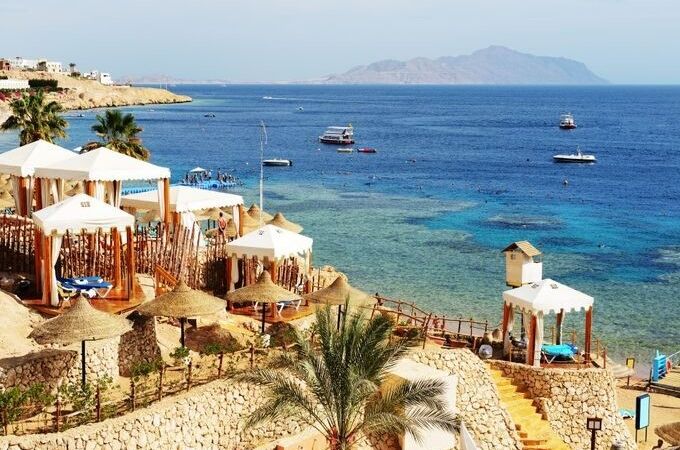
| Beach resorts | Normal beachwear |
| Hotel pools | Swimwear |
| City sightseeing | Comfortable, modest clothing |
| Mosques | Shoulders and knees covered |
| Local neighborhoods | Respectful casual clothing |
Women do not normally need to cover their hair unless entering a mosque where head coverings may be required.
Men should also avoid entering religious sites wearing sleeveless tops or very short shorts.
Dressing respectfully isn't about strict rules.
It's about showing courtesy toward local customs.
Photography Has Some Important Limits
Egypt offers incredible photography opportunities, but there are a few rules worth knowing.
Personal photography with phones and standard cameras is generally allowed at tourist attractions and public places. Professional filming equipment or large commercial setups may require permits.
More importantly, avoid photographing:
- Military buildings
- Police facilities
- Government installations
- Security checkpoints
- Certain infrastructure
It's also polite to ask permission before photographing local people, and extra care should be taken around children.
Leave Your Drone at Home
This is one rule that surprises many visitors.
Egypt has very strict regulations regarding drones.
Tourists should not bring recreational drones into the country because they may be confiscated, and unauthorized possession can lead to legal consequences.
If aerial photography is part of your travel plans, it is far better to enjoy professional photos or licensed aerial footage than risk bringing your own drone.
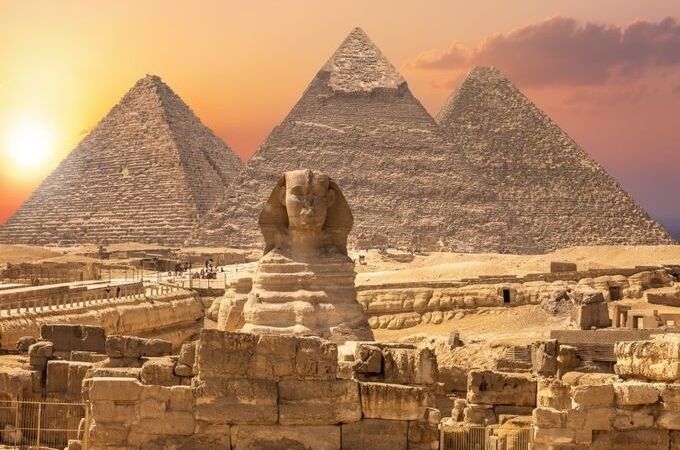
Respect Ancient Monuments
The pyramids and temples have survived for thousands of years because they are carefully protected.
Visitors should never climb monuments unless clearly permitted, touch ancient carvings unnecessarily, or remove stones or artifacts from archaeological sites.
Even small actions that seem harmless can contribute to long-term damage.
Take photographs.
Admire the history.
Leave everything exactly where you found it.
Public Behavior Matters
Egypt is generally more conservative than many Western countries.
That doesn't mean tourists are expected to follow complicated rules, but modest public behavior is appreciated.
Very public displays of affection are uncommon outside tourist resorts, loud arguments attract attention, and respectful conduct is always the safest approach.
A smile, patience, and politeness go a long way.
Be Respectful During Ramadan
If your visit falls during Ramadan, daily life may feel slightly different.
Many local people fast from sunrise until sunset, so restaurants, cafés, and business hours can change.
Tourists are still welcome to eat and drink, especially inside hotels and tourist restaurants, but avoiding food or drinks directly in front of people who are fasting is considered thoughtful.
Once the sun sets, cities often become lively again as families gather for evening meals.
For many visitors, Ramadan becomes one of the most memorable cultural experiences of the trip.
Bargaining Is Part of the Experience
In traditional markets such as Khan el-Khalili, bargaining is perfectly normal.
It isn't considered rude.
Instead, it's often viewed as part of the shopping experience.
The key is to negotiate politely and keep the conversation friendly.
If the price doesn't work for you, simply thank the seller and continue walking.
There's rarely any need for confrontation.
Many travelers actually find bargaining becomes one of the more enjoyable parts of visiting local markets.
Stay With Licensed Tour Providers
Whether you're booking a Nile cruise, a desert excursion, or airport transfers, choosing licensed companies makes the experience much smoother.
Reliable operators usually provide better vehicles, experienced guides, clearer schedules, and proper local support.
For travelers who want everything organized from arrival to departure, Egypt guided tour packages can remove much of the uncertainty while allowing you to focus on enjoying the journey rather than arranging logistics.

A travel professional specializing in tailor-made travel planning, guest experience management, and multi-destination tourism operations.
With over 23 years of experience in the travel industry, he designs and manages private and cultural tours for international travelers across Türkiye, Greece, Egypt, Jordan, Morocco, and other destinations.
He has strong expertise in both online and face-to-face guest communication, sales processes, and end-to-end travel operations.
Working closely with hotels, travel agencies, and local partners, he ensures smooth coordination and high-quality travel experiences at every stage of the journey.
His focus is on delivering personalized, reliable, and seamless travel experiences for international guests worldwide.