Greece Travel Tips: What First-Time Visitors Should Know
Planning your first trip to Greece becomes considerably easier when you resist the temptation to visit too many destinations, check accommodation accessibility and leave room for changes in your travel schedule. Beyond the famous archaeological sites and island sunsets, understanding local customs, regional differences and the practical realities of getting around will help you enjoy the country rather than spend your holiday managing reservations.
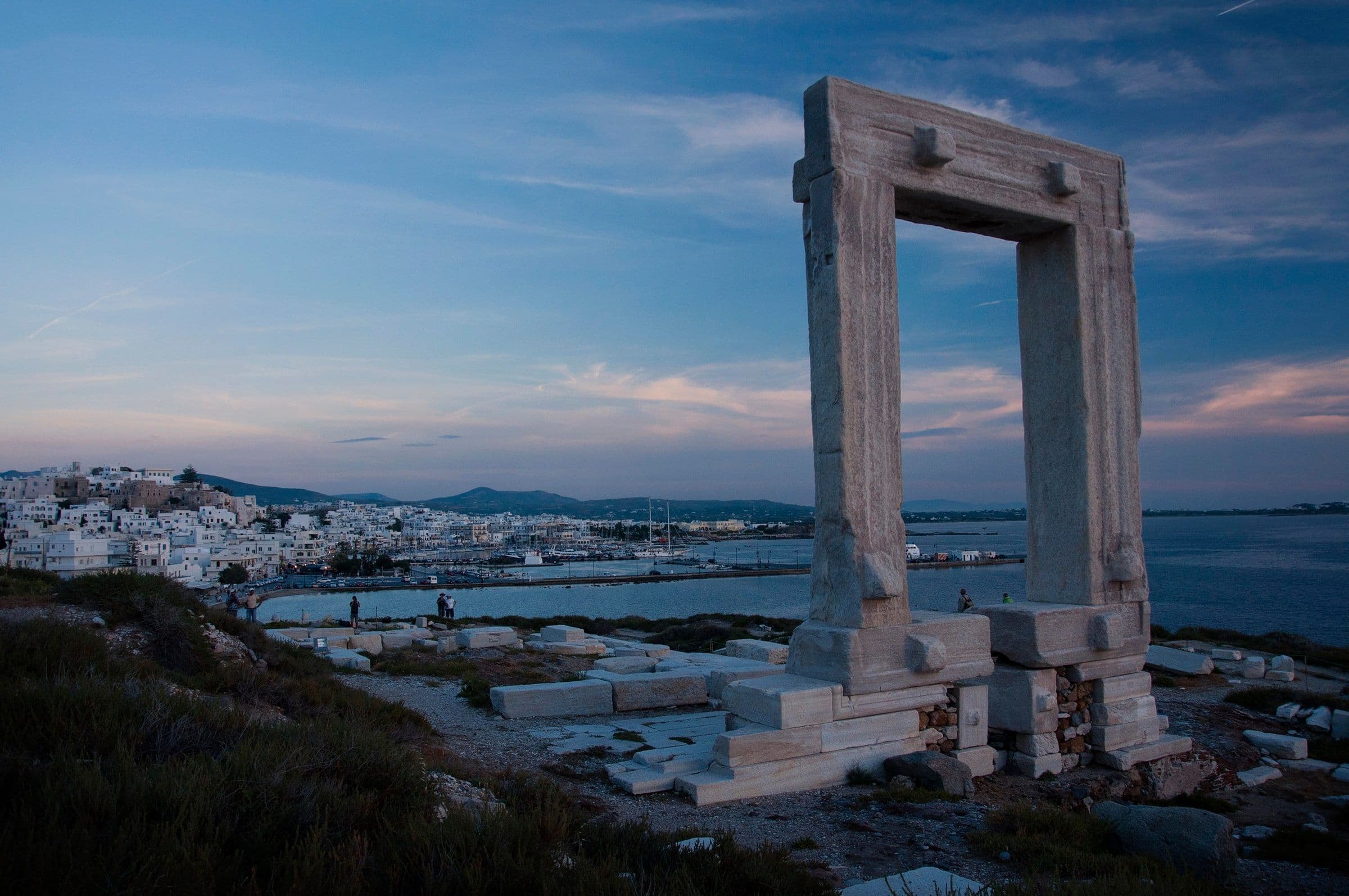
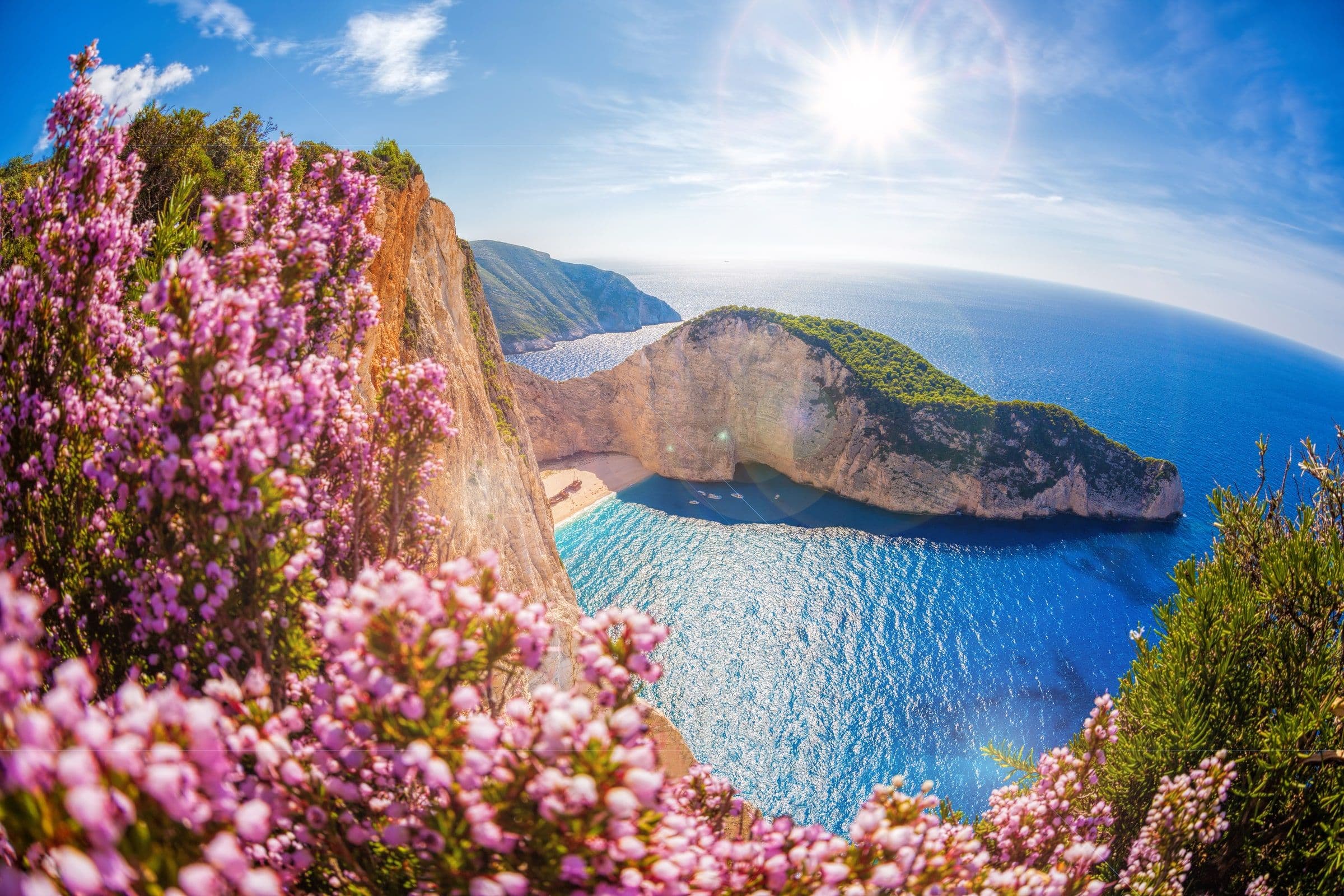
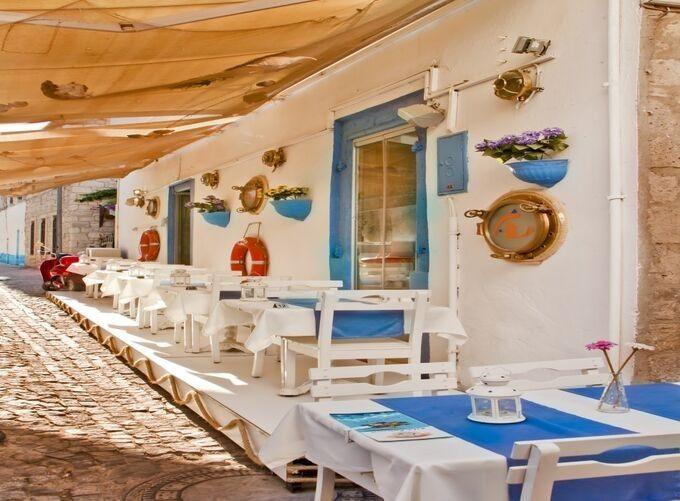
Greece is often imagined through a handful of familiar scenes: whitewashed houses overlooking the Aegean, fishing boats tied beside waterfront tavernas and ancient temples standing beneath clear skies. These images are part of the experience, but they reveal surprisingly little about what everyday travel through the country actually involves.
Choose the Holiday You Want, Not the Island Everyone Talks About
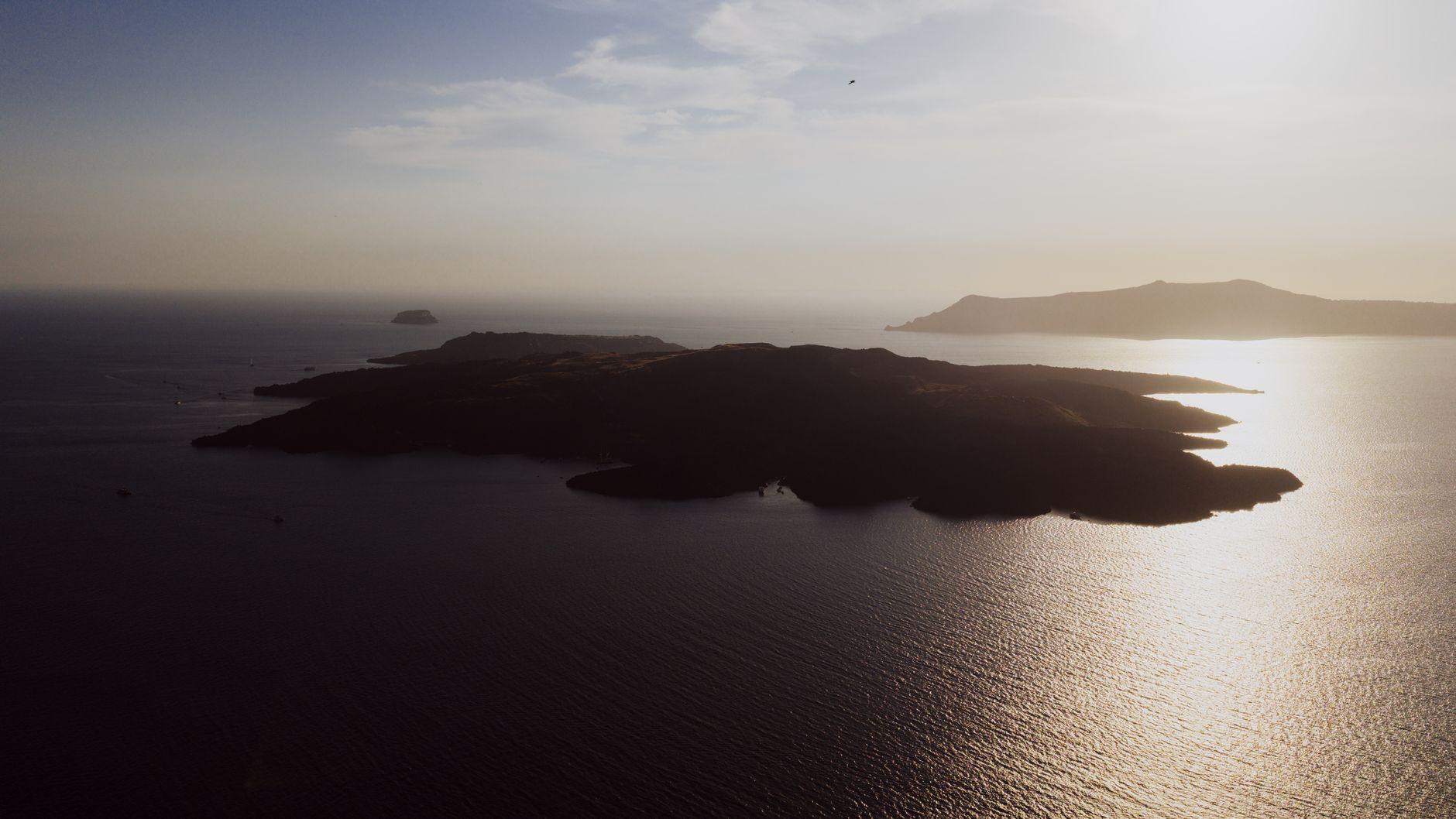
Santorini is a good example of why a destination's reputation should not determine your entire holiday. Its caldera villages, volcanic scenery and hillside architecture are extraordinary, but a room overlooking the cliffs of Oia offers a very different experience from accommodation near the beaches of Kamari or Perissa.
Crete presents another consideration. The island's archaeological heritage, mountain communities and extensive coastline make it rewarding to explore, but trying to experience every region within a short stay can mean spending much of your holiday on the road.
Before deciding where to stay, imagine an ordinary day rather than an exceptional sightseeing excursion. Would you prefer swimming before breakfast, walking through traditional villages or spending the evening overlooking a harbor? Those preferences provide a better starting point than simply following a list of Greece's most photographed destinations.
Look Beyond the Hotel Photographs
Some of the most appealing accommodation in Greece occupies buildings that were never designed around modern transportation or accessibility requirements.
A traditional property overlooking Santorini's caldera may require guests to follow stepped pathways from the nearest access road. Within Mykonos Town, pedestrian lanes may prevent a transfer vehicle from reaching the hotel entrance. Older neighborhoods in Athens can also involve uneven paving and sloping streets.
Ask where your vehicle can stop, whether luggage assistance is available and how you will reach your assigned room. An elevator inside the building does not solve the problem of a difficult approach to the entrance.
Travelers with mobility limitations should establish these details before booking. A spectacular view loses some of its appeal when reaching the room becomes the most physically demanding part of every day.
Practical Decisions That Can Improve Your Greek Holiday
| Travel situation | Recommended approach | Common mistake |
| Visiting several islands | Consider the complete transfer day | Counting only ferry sailing time |
| Booking hillside accommodation | Check vehicle access and stairs | Choosing exclusively for the view |
| Exploring archaeological sites | Allow breaks and wear suitable footwear | Underestimating exposed terrain |
| Visiting outside summer | Verify essential seasonal services | Expecting identical facilities throughout the year |
| Choosing a beach | Consider access and swimming conditions | Relying entirely on photographs |
| Eating at traditional tavernas | Try regional specialties and shared dishes | Ordering the same familiar meals everywhere |
| Visiting monasteries | Follow individual visitor instructions | Treating active religious buildings as museums |
Give Island Connections More Time Than They Appear to Need
A ferry crossing begins long before the vessel leaves the harbor. Checking out of your hotel, reaching the port, boarding and transferring to your next accommodation can collectively occupy a substantial part of the day.
The consequences of a delayed ferry become more serious when you have an independently booked international flight. European Union passenger protection rules apply to qualifying maritime journeys, but compensation depends on the circumstances. Dangerous weather conditions can create exceptions to certain compensation obligations, as explained by the EU's Your Europe portal.
Do not assume that a missed, separately purchased flight will automatically be reimbursed by the ferry operator. Returning to your international departure gateway in advance can reduce this risk, particularly when replacement flights would be expensive or difficult to arrange.
Travelers with flexible tickets and realistic alternative connections may reasonably approach this differently.
Do Not Let Ancient Greece Become Your Entire Experience
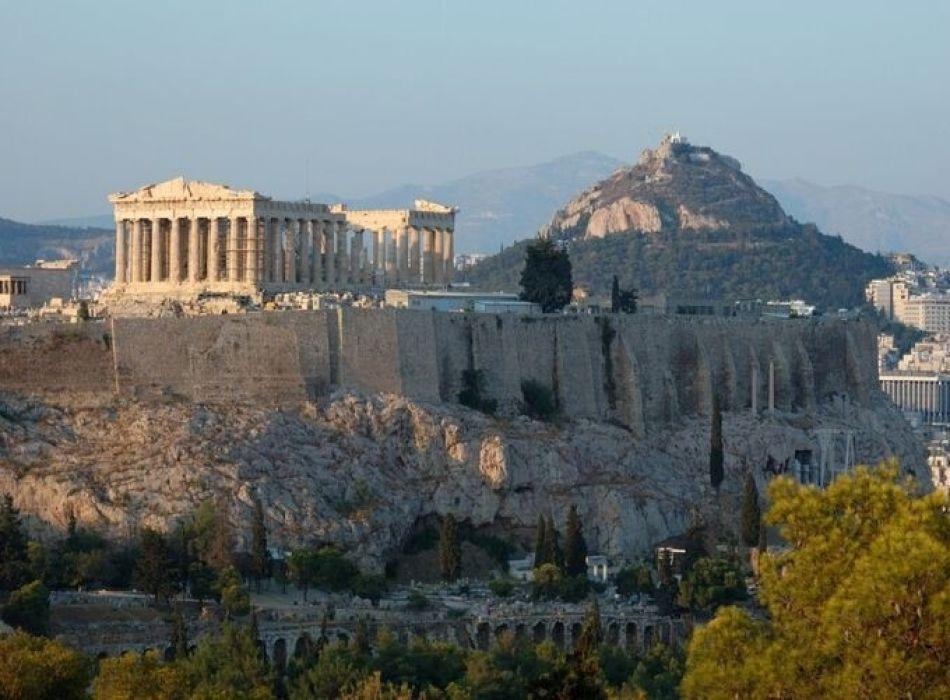
The Acropolis deserves its place at the center of a first visit to Athens, but the modern capital offers experiences that have little to do with classical antiquity.
Around the Varvakios Central Market, food shops and produce stalls reveal an everyday side of Athens that contrasts with its monumental heritage. Residential neighborhoods such as Pangrati offer opportunities to discover bakeries, cafés and streets that do not exist primarily for international visitors.
Thessaloniki has a different urban character, shaped by its waterfront, Byzantine heritage and culinary traditions. Experiencing both cities makes it easier to appreciate the diversity of contemporary Greece.
A morning spent exploring ancient monuments and an afternoon wandering through an ordinary neighborhood can complement one another remarkably well. You do not need to choose between historical sightseeing and everyday culture.
Order Something You Have Not Already Tried
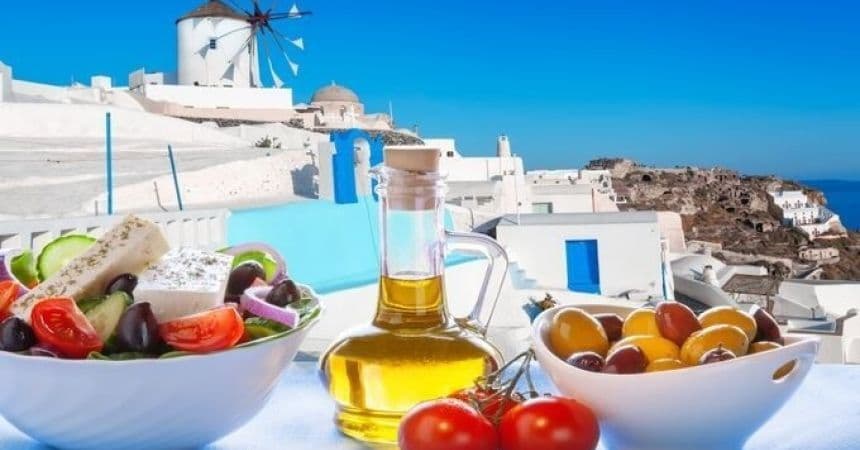
Greek food becomes more interesting when you pay attention to where you are eating. A familiar Greek salad may be available throughout the country, but regional specialties offer a closer connection to the destination.
In Crete, try dakos, traditionally prepared with barley rusks, tomatoes and cheese. On Santorini, look for local fava made from yellow split peas, or tomatokeftedes, the island's characteristic tomato fritters. Both feature in the Greek National Tourism Organisation's descriptions of Santorini's culinary heritage.
At a traditional taverna, ordering several dishes to share gives you the opportunity to discover unfamiliar flavors without committing to a large individual portion.
Travelers with food allergies should communicate their specific requirements before ordering, including any concerns about cross-contact. A translated menu may not identify every ingredient used in a traditional recipe.
A Quiet Island Is Not Necessarily an Inconvenient One
Traveling outside the busiest holiday period can change the atmosphere of a Greek island considerably. There may be fewer visitors in village streets, less activity around the harbor and a noticeably slower rhythm to daily life.
For someone interested in photography, architecture and walking, these conditions can be particularly appealing. For a traveler expecting beach clubs, nightlife and frequent organized excursions, the same circumstances might feel disappointing.
Confirm the availability of the experiences that matter to you before reserving accommodation. The popularity of a destination does not guarantee that its seasonal businesses operate throughout the year.
If affordability is your main consideration, the dedicated guide to the cheapest month to visit Greece examines seasonal travel costs in greater detail.
Understand the Boundaries Between Tourism and Local Life
The appeal of Greek villages often lies in their traditional buildings, narrow streets and intimate residential spaces. However, an attractive doorway or staircase may belong to someone's home rather than form part of a public visitor area.
Similar awareness is necessary at the monasteries of Meteora and other active religious institutions. Individual sites may have their own clothing requirements, photography restrictions and visiting arrangements. Check these before entering.
A few everyday Greek expressions can make ordinary interactions more enjoyable. Kalimera means good morning, while efcharistó means thank you. Even without speaking the language fluently, greeting someone before making a request is a pleasant way to begin a conversation.
Respectful travel is less about memorizing an extensive set of etiquette rules than recognizing the difference between a public attraction, a place of worship and someone's private space.
What to Arrange Before Departure and What to Leave Open
Not every aspect of a Greek holiday benefits from advance reservations. The arrangements worth securing are generally those that would be difficult to replace if something went wrong.
Before leaving home:
- Review accommodation confirmations, paying particular attention to accessibility and essential room requirements.
- Confirm departure locations and allow flexibility between independently booked transportation services.
- Establish whether priority archaeological visits and guided excursions require separate admission arrangements.
- Save hotel addresses, reservation details, emergency contacts and transfer instructions for offline access.
- Check entry eligibility with the appropriate Greek authorities and ensure you have suitable insurance for your planned activities.
Keep an alternative payment method available. Detailed information about cash, cards and banking belongs to the separate Greece Currency guide, while passport and visa procedures require their own dedicated explanation.
Travelers attending a particular cultural event, requiring accessible facilities or working with limited holiday time may benefit from additional advance coordination.
For many other experiences, however, flexibility is part of the pleasure. A taverna with an inviting courtyard, a bakery selling something unfamiliar or a waterfront village you had not intended to stop in may deserve more of your time than another attraction on a crowded itinerary.
Sources and Official Travel Information
- Greek National Tourism Organisation (Visit Greece) — Santorini (Thera).
- Greek National Tourism Organisation (Visit Greece) — Crete.
- Greek National Tourism Organisation (Visit Greece) — Aegean Cuisine.
- European Union, Your Europe — Ship Passenger Rights.
Transportation schedules, attraction admission procedures and individual visitor requirements should be confirmed with the relevant authorities and service providers for your intended travel dates.
Frequently asked questions
Choose manageable destinations, allow realistic transfer time and confirm hotel accessibility. Reserve important experiences while keeping everyday sightseeing, dining and optional activities reasonably flexible throughout your holiday.
Common mistakes include visiting too many islands, underestimating transfer days, overlooking hotel accessibility and expecting every destination to provide identical beaches, facilities and seasonal services.
Secure essential transportation, accommodation and priority experiences beforehand. Restaurants, neighborhood walks and less important excursions can generally remain flexible, depending on the destination and travel season.
Santorini has distinctive volcanic beaches, but its caldera villages primarily attract visitors for scenery and architecture. Choose accommodation according to your preferred balance of swimming and sightseeing.
Many Greek destinations are suitable for older visitors, although accessibility varies. Check hotel entrances, stairs, walking surfaces and excursion requirements according to individual mobility and comfort.
Avoid entering private residential spaces without permission, disregarding religious-site instructions and organizing excessively tight transportation connections. Respect the surroundings and recognize differences between individual destinations.
No. Spending longer in fewer destinations allows time to discover regional food, cultural landmarks, beaches and everyday life without repeatedly interrupting your holiday for onward transportation.