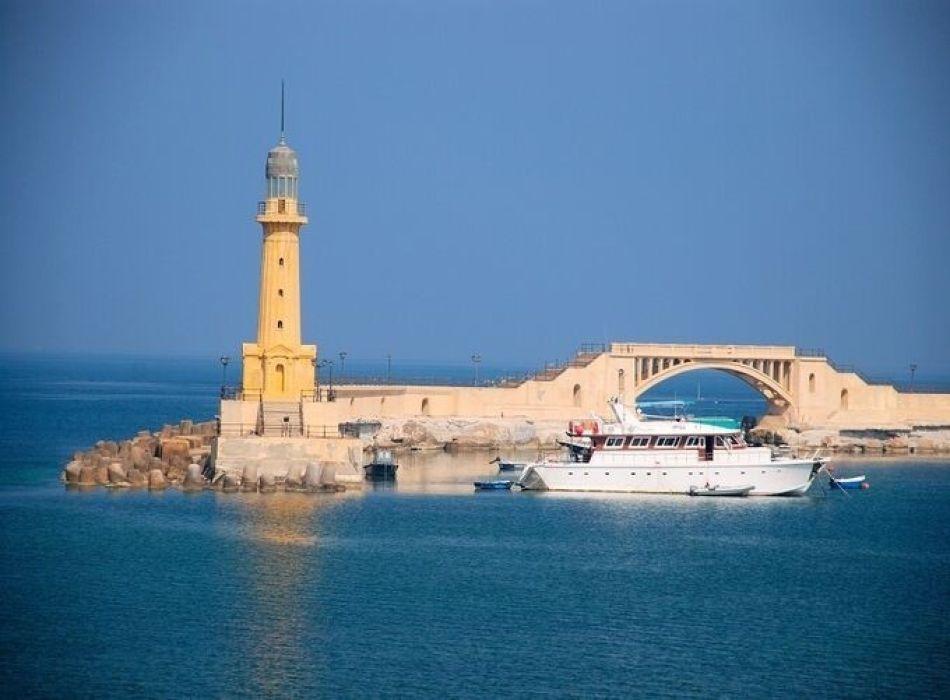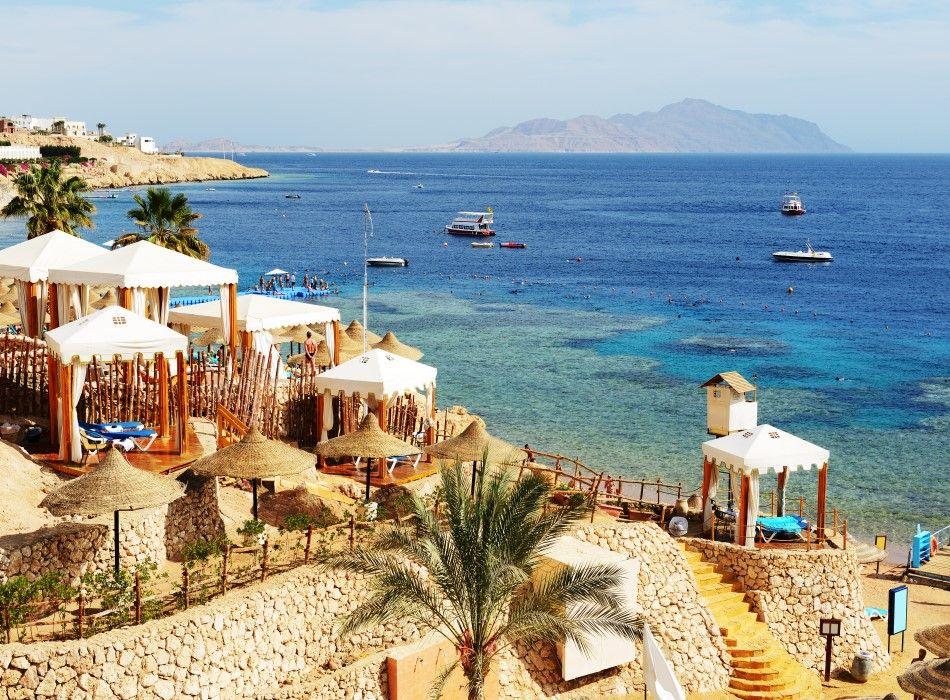
A winter holiday in Sharm El Sheikh can involve breakfast outdoors in the sunshine, followed by an evening when a light jacket feels indispensable. Return in August and the same restaurant terrace may be uncomfortably warm long after sunset. Although the Egyptian resort enjoys a remarkably dry climate, the experience of spending time beside the Red Sea changes considerably throughout the year.
Much depends on what you consider comfortable holiday weather. Someone travelling from northern Europe in January may welcome temperatures in the low twenties, while a keen swimmer might prefer the warmth of early autumn. Understanding these seasonal differences is more useful than simply choosing a month with plenty of sunshine.
Sharm El Sheikh Monthly Temperature and Rainfall Chart
Sharm El Sheikh occupies the southern tip of Egypt's Sinai Peninsula, where the desert meets the Red Sea. Its coastal location moderates some temperature extremes, but the annual climate remains distinctly arid.
The following monthly averages come from the World Meteorological Organization's World Weather Information Service, based on Egyptian Meteorological Authority observations for 1981–2010.
| Month | Average high | Average low | Monthly rainfall |
| January | 21.9°C / 71°F | 13.5°C / 56°F | 2.6 mm |
| February | 23.0°C / 73°F | 14.0°C / 57°F | 0.2 mm |
| March | 25.8°C / 78°F | 16.6°C / 62°F | 0.8 mm |
| April | 30.1°C / 86°F | 20.3°C / 69°F | 0.1 mm |
| May | 34.2°C / 94°F | 23.9°C / 75°F | 0.4 mm |
| June | 37.2°C / 99°F | 26.6°C / 80°F | 0.0 mm |
| July | 37.9°C / 100°F | 27.8°C / 82°F | 0.0 mm |
| August | 38.8°C / 102°F | 28.3°C / 83°F | 0.0 mm |
| September | 35.7°C / 96°F | 26.5°C / 80°F | 0.0 mm |
| October | 31.9°C / 89°F | 23.5°C / 74°F | 0.9 mm |
| November | 27.3°C / 81°F | 19.0°C / 66°F | 2.2 mm |
| December | 23.4°C / 74°F | 15.1°C / 59°F | 1.3 mm |
Source: World Meteorological Organization – Sharm El-Sheikh Climate Records. Fahrenheit temperatures are rounded conversions.
The figures reveal more than the difference between summer and winter. May and September, for example, remain considerably hotter than many travellers might associate with spring and autumn. Overnight temperatures also stay elevated throughout summer, limiting the relief normally associated with sunset.
December, January and February: Winter Sunshine Without Summer Heat
Winter mornings in Sharm El Sheikh tend to be unhurried. There is little reason to escape the midday sunshine, and outdoor dining can be particularly enjoyable when tables are sheltered from the breeze. The cooler conditions suit visitors who find intense heat uncomfortable.
December offers slightly warmer daytime conditions than January, although evenings across both months can feel fresh. January is historically the coolest month, while February begins the gradual transition towards spring.
The main uncertainty during winter concerns swimming rather than sightseeing. A sunny beach can feel warm enough for relaxation, but emerging from the sea into a cool breeze is another matter. Visitors who prefer long swimming sessions may appreciate a heated hotel pool, especially when staying along more exposed stretches of coastline.
March, April and May: How Quickly Spring Warms Up
Spring covers a surprisingly broad range of temperatures. March still retains some of winter's mildness, particularly after dark, whereas May brings conditions that are already comparable to summer in many Mediterranean destinations.
April occupies the middle ground. Outdoor meals, time at the beach and excursions away from the coast can generally fit into the same holiday without requiring every activity to be organised around the hottest part of the day.
By May, visitors sensitive to heat may begin moving more demanding activities into the morning. The sea is also gradually warming, although its seasonal temperature changes do not precisely follow those of the surrounding air.
June, July and August: When Heat Shapes the Day
Summer in Sharm El Sheikh is defined not only by high afternoon temperatures but also by the warmth that persists overnight. Even after sunset, walking through the resort can feel considerably warmer than visitors accustomed to European summer evenings might expect.
June marks the beginning of sustained summer heat. July and August intensify that pattern, with August recording the highest historical average daytime and overnight temperatures.
This does not make summer beach holidays impractical, but it changes their rhythm. Breakfast followed by an early swim, a shaded afternoon and more time outdoors towards evening may be considerably more comfortable than spending an entire day beneath the open sun.
The surrounding Sinai desert offers little natural shade. Longer inland excursions require particular care during this period, especially for travellers who are sensitive to high temperatures.
September, October and November: Warm Water Meets Cooler Air
September is technically an autumn month, but its temperatures still resemble summer. Visitors expecting immediately cooler conditions may be surprised by the intensity of the afternoon sunshine.
The more noticeable transition arrives during October. Air temperatures gradually become easier to manage, while the Red Sea retains warmth accumulated over the preceding summer. November continues that cooling trend, bringing milder afternoons and increasingly fresh evenings.
This seasonal difference explains why October and April can offer quite different swimming experiences despite broadly comparable daytime air temperatures. The sea enters spring after winter cooling, whereas autumn follows several months of sustained warmth.
How Swimming Conditions Change Throughout the Year
The temperature displayed on a weather forecast is only part of the swimming equation. Water temperature, wind, wave conditions and the amount of time spent in the sea all influence personal comfort.
| Season | General swimming conditions | Potential drawback |
| Winter | Cooler water | Wind chill after swimming |
| Spring | Gradually warming sea | Early spring may feel cool |
| Summer | Warm seawater | Intense sunlight and heat |
| Autumn | Lingering summer warmth | Cooler conditions towards winter |
At Ras Mohammed National Park and around the Straits of Tiran, offshore marine conditions may differ from those directly outside a hotel. Snorkellers and divers should seek current guidance from local operators rather than relying solely on monthly climate statistics.
Does It Rain Much in Sharm El Sheikh?
Rainfall rarely determines the timing of a Sharm El Sheikh holiday. Adding the published monthly WMO rainfall averages produces an approximate annual total of just 8.5 mm.
January and November receive the highest historical monthly totals, while the figures for June through September round to zero. There is no substantial conventional rainy season.
Nevertheless, prolonged dry conditions should not be confused with an absence of flood risk. Occasional intense rainfall can affect desert valleys and roads, making current weather warnings particularly important when travelling beyond the coastal resort.
Why Beach Location Can Matter More Than Temperature
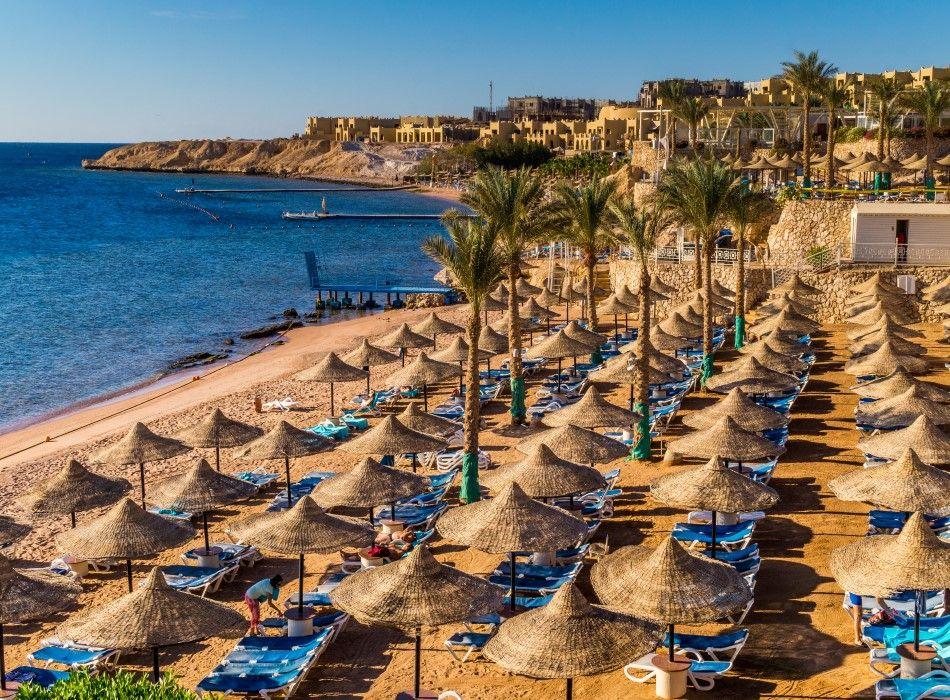
Sharm El Sheikh stretches along a varied coastline rather than occupying a single sheltered bay. Its geography includes exposed coastal sections, recessed bays and hotel beaches protected to different degrees by surrounding terrain.
Parts of Nabq Bay can be exposed to stronger coastal winds, while sheltered sections of Naama Bay and Sharm El Maya may provide more comfortable outdoor conditions during breezy weather.
These differences become especially relevant between December and February. Before booking a winter holiday, ask whether the hotel's beach is protected from prevailing winds and whether its outdoor pools are heated. A general description of Sharm El Sheikh's climate cannot answer either question.
When Monthly Averages Can Be Misleading
Certain conditions require more attention than the city's historical temperature chart can provide:
- Mount Sinai and Saint Catherine: Higher mountain elevations can experience much colder weather than the Red Sea coastline.
- Offshore excursions: Calm conditions beside a hotel do not necessarily indicate calm seas elsewhere.
- Summer heatwaves: Individual days may exceed the historical monthly maximum averages.
- Winter winds: Exposed beaches may feel cooler than the recorded air temperature suggests.
- Desert rainfall: Infrequent storms can create hazardous conditions in normally dry valleys.
These exceptions are particularly important for visitors combining a resort stay with activities elsewhere in southern Sinai.
Using the Weather Calendar Before You Book
Rather than selecting a month solely because it appears warm, consider how you intend to spend your holiday.
- Compare daytime and overnight temperatures against your personal comfort preferences.
- Check current sea-temperature information if swimming is central to the trip.
- Ask about beach shelter and heated pools when considering winter accommodation.
- Prioritise shade and accessible cooling facilities when travelling during summer.
- Review local atmospheric and marine forecasts before offshore or mountain excursions.
For many visitors, the most revealing comparison is between April and October, or between February and November. Each pair offers different stages of the annual warming and cooling cycle. Understanding that distinction helps explain why two months with similar air temperatures can produce quite different holidays beside the Red Sea.
Institutional Sources
- World Meteorological Organization (WMO) – World Weather Information Service: Sharm El-Sheikh
- Egyptian Meteorological Authority (EMA) – National meteorological observations supplied to the WMO, covering the 1981–2010 climate reference period.
The temperature and rainfall figures in this article represent historical climate averages, not forecasts for individual travel dates.
Frequently asked questions
August is historically the hottest month, with an average daytime maximum of 38.8°C. Overnight temperatures also remain high, offering relatively little relief after sunset.
January records the lowest average temperatures, with daytime highs of 21.9°C and overnight lows of 13.5°C. Sunny afternoons nevertheless remain pleasant for outdoor relaxation.
No substantial rainy season occurs. Historical rainfall averages remain exceptionally low throughout the year, although occasional storms can affect coastal areas and nearby desert routes.
Swimming is possible year-round when marine conditions permit. Personal comfort varies during winter, particularly when cooler water temperatures coincide with stronger coastal winds.
October's average daytime maximum is 31.9°C, compared with 30.1°C in April. The Red Sea also generally retains more accumulated summer warmth during October.
July and August have the warmest historical overnight temperatures, averaging 27.8°C and 28.3°C respectively. Outdoor conditions can therefore remain quite warm long after sunset.
No. Mount Sinai's higher elevation produces substantially different conditions, including colder nights. Visitors should consult separate mountain forecasts rather than relying on coastal temperature averages.