Marrakech's weather moves between surprisingly cold winter mornings, increasingly warm spring afternoons and intense summer heat. January temperatures average around 19°C during the day but fall to approximately 6°C at night, while July brings average afternoon highs approaching 38°C. Rainfall is limited throughout the year, with most precipitation occurring outside the summer months.
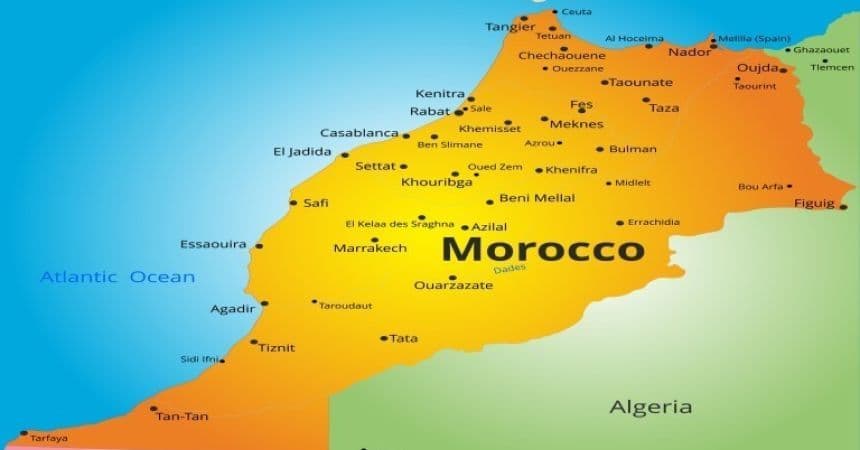
The city's location on the Haouz Plain, north of the High Atlas Mountains, explains much of its climatic character. Unlike Morocco's Atlantic coastal cities, Marrakech receives little direct maritime cooling. Its hot, semi-arid climate is also experienced differently depending on the surroundings: walking beneath the covered souks in the medina feels quite different from crossing an exposed square under the afternoon sun.
Average Monthly Temperatures and Rainfall in Marrakech
The following climate figures refer to Marrakech-Menara Airport, identified as meteorological station 60230. They represent the 1991–2020 climatological reference period and provide a consistent basis for understanding seasonal weather patterns.
| Month | Average daytime high | Average nighttime low | Average rainfall |
| January | 19.1°C | 5.9°C | 25.0 mm |
| February | 20.7°C | 7.6°C | 25.7 mm |
| March | 23.6°C | 10.3°C | 35.3 mm |
| April | 25.7°C | 12.4°C | 26.3 mm |
| May | 29.4°C | 15.2°C | 10.3 mm |
| June | 33.6°C | 17.9°C | 3.1 mm |
| July | 37.7°C | 20.6°C | 2.2 mm |
| August | 37.4°C | 21.1°C | 4.7 mm |
| September | 32.5°C | 18.6°C | 15.2 mm |
| October | 28.5°C | 15.7°C | 19.1 mm |
| November | 23.1°C | 10.7°C | 29.8 mm |
| December | 20.2°C | 7.3°C | 24.2 mm |
Data source: Marrakech-Menara station, WMO/NOAA climatological normals, 1991–2020, as reproduced in published climate datasets.
Three distinctions are particularly useful. January records the lowest temperatures, July has the highest average daytime maximum, and August experiences the warmest average nights. March is the wettest month in this particular dataset.
These figures describe long-term atmospheric conditions rather than temperature extremes, indoor comfort or forecasts for individual dates.
January and February: When Marrakech Feels Like Winter
Marrakech Weather in January
January's sunshine can be misleading. Rooftop terraces may become pleasantly warm around midday, yet the tiled interiors of traditional riads and shaded streets remain noticeably cooler. With nighttime temperatures averaging below 6°C, buildings without adequate heating can feel uncomfortable after sunset.
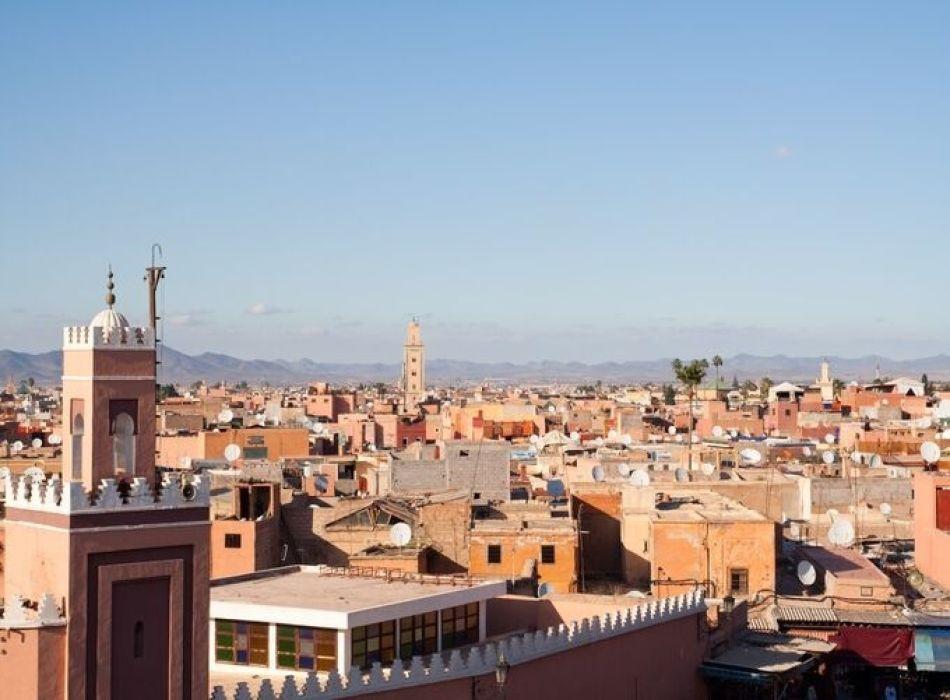
On clear days, snow-covered High Atlas peaks provide a striking backdrop to the city's palm trees and terracotta buildings. Their appearance reflects the mountain climate rather than typical winter conditions within Marrakech itself.
Marrakech Weather in February
February brings a modest increase in daytime warmth without eliminating winter's colder mornings. Atlantic weather systems can still introduce passing rain, cloud and wind, although sunny intervals remain common.
The contrast between exposed sunshine and shaded architecture continues to influence outdoor comfort. Conditions around Jemaa el-Fnaa in the afternoon may feel considerably warmer than those experienced in the medina's narrow passageways earlier in the day.
March to May: The Transition From Spring Rain to Summer Heat
Marrakech Weather in March
March occupies an unusual position in Marrakech's climate cycle. It is both noticeably warmer than winter and the wettest month in the historical dataset. Seasonal rainfall supports vegetation across the Haouz Plain, while gardens throughout the city benefit from increasing warmth.
A monthly rainfall total of approximately 35 millimetres should not be interpreted as continuous wet weather. Precipitation can accumulate during relatively brief weather events separated by dry, sunny periods.
Marrakech Weather in April
By April, the sun has become strong enough to warm exposed courtyards and open spaces considerably. Around the Menara Gardens, conditions may feel distinctly different from the sheltered interiors of the medina, where direct solar exposure remains limited.
The surrounding mountains follow a different seasonal timetable. Snow can persist at higher elevations around Oukaïmeden and Toubkal, even when Marrakech's urban weather feels comfortably springlike.
Marrakech Weather in May
May marks the point at which summer heat begins influencing everyday conditions. Afternoon temperatures approach 30°C, rainfall declines and the contrast between sunny streets and shaded courtyards becomes increasingly pronounced.
The transition is less evident during the mornings, which generally retain some freshness. Nevertheless, the city's main dry season is approaching, and the countryside gradually loses the greenery supported by earlier rainfall.
June to August: How Summer Heat Shapes the City
Marrakech Weather in June
June introduces sustained summer conditions rather than occasional hot afternoons. Rainfall becomes uncommon, and prolonged sunshine warms exposed pavement, masonry and open ground throughout the day.
Traditional architectural features become particularly relevant during this period. Covered souks and sheltered courtyards reduce exposure to direct sunlight, whereas the broad avenues of Gueliz offer fewer opportunities for continuous shade. These differences affect perceived heat without necessarily indicating substantial differences in measured air temperature.
Marrakech Weather in July
July records Marrakech's highest average daily maximum temperature, reaching 37.7°C in the 1991–2020 climate normals. The intensity of the summer sun makes exposed spaces particularly demanding, while heat absorbed by buildings can persist into the evening.
Episodes of hot, dry continental air may intensify these conditions. In Morocco, such weather can be associated with the Chergui, an easterly wind that sometimes carries airborne dust from inland regions. During exceptional heatwaves, temperatures can rise considerably above their historical monthly averages.
Marrakech Weather in August
Although July has the higher average daytime maximum, August experiences slightly warmer nights. This distinction is particularly noticeable in accommodation where masonry walls and enclosed spaces retain heat after sunset.
Rain remains uncommon, but summer thunderstorms are possible. Marrakech's generally dry climate should not be interpreted as a guarantee that every August day will be cloudless or free from precipitation.
September to November: Understanding the Retreat of Summer
Marrakech Weather in September
September often feels more like an extension of summer than the beginning of conventional autumn. Daytime temperatures continue averaging above 32°C, although mornings and evenings gradually become cooler.
Rainfall begins increasing from its midsummer minimum. The landscape surrounding Marrakech, however, may remain visibly dry until more substantial autumn precipitation arrives.
Marrakech Weather in October
October brings a clearer distinction between afternoon warmth and evening coolness. Rooftop terraces and exposed courtyards lose heat more readily after sunset than they do during midsummer.
Autumn rainfall begins replenishing dry ground across the Tensift Basin, although its timing varies considerably between years. A particularly warm October or a period of unsettled weather remains entirely consistent with Marrakech's transitional climate.
Marrakech Weather in November
The character of sunlight changes during November as days become shorter and temperatures decline. Sheltered areas can still feel comfortably warm, but wind and cloud cover have a more noticeable influence on perceived conditions.
Rainfall increases substantially compared with summer. Meanwhile, conditions in the High Atlas increasingly reflect the approach of winter, reinforcing the difference between the city's semi-arid environment and nearby mountain landscapes.
Marrakech Weather in December
An average afternoon high of around 20°C tells only part of December's story. Cold mornings, longer nights and limited heating in some traditional buildings can make winter feel considerably cooler than expected.
Sunny afternoons alternate with occasional periods of rain and cloud. Marrakech's inland location allows temperatures to fall substantially after sunset, creating a more pronounced daily temperature range than visitors may associate with Morocco's Atlantic coastline.
Why the Same Temperature Feels Different Across Marrakech
The city's architecture influences thermal comfort at street level. A meteorological station measures atmospheric conditions under standardised circumstances, while people experience additional effects from sunlight, wind, building materials and surrounding surfaces.
| Environment | Local characteristics | Effect on thermal comfort |
| Medina | Narrow streets and covered souks | Reduced direct solar exposure |
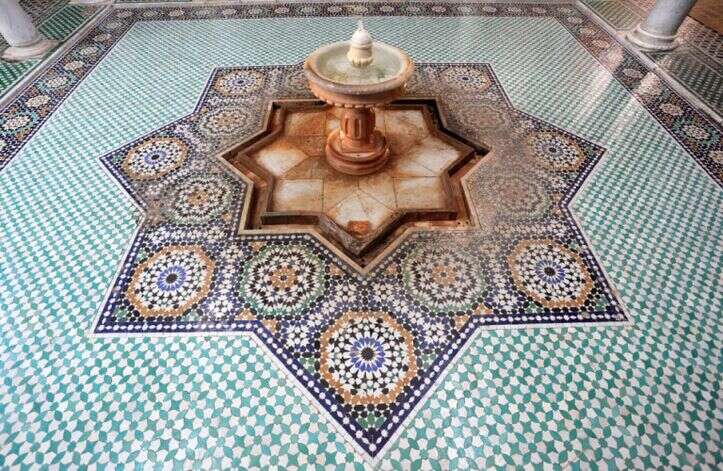
| Traditional riads | Courtyards and substantial masonry walls | Shaded interiors that may remain cool in winter |
| Gueliz | Broad avenues and exposed pavements | Greater exposure to afternoon sunshine |
| Palmeraie | Vegetation and open terrain | Variable shade and wind exposure |
| Rooftop terraces | Elevated, exposed outdoor spaces | Stronger exposure to sunshine and wind |
These differences describe local thermal exposure rather than independently measured climate zones.
The same distinction applies beyond the city. Agafay's exposed rocky landscape, the Ourika Valley's rising terrain and the High Atlas Mountains require separate forecasts. Marrakech-Menara's climate averages cannot reliably represent conditions at substantially different elevations.
Heatwaves, Dust and Unexpected Rainfall
Marrakech's low annual rainfall does not eliminate the possibility of intense storms. Heavy precipitation can generate surface runoff, while rainfall in mountain catchments may create hazardous downstream conditions. Heatwaves and dust-bearing winds can likewise produce weather substantially different from historical averages.
When interpreting Marrakech's weather information:
- Check overnight minimum temperatures rather than relying exclusively on daytime highs.
- Confirm heating availability for winter accommodation and cooling facilities for summer stays.
- Consult separate forecasts before travelling into the Atlas Mountains.
- Reduce strenuous outdoor activity during extreme heat warnings.
- Follow official alerts concerning thunderstorms, heavy rainfall and flooding.
For Marrakech, the most revealing figure in a weather forecast is not always the afternoon maximum. Winter minimum temperatures, summer overnight warmth and exposure to direct sunlight often explain more about everyday comfort than the city's reputation for sunshine.
Meteorological Sources and Data Methodology
- NOAA National Centers for Environmental Information – WMO Climate Normals: International climatological reference archive.
- Climats.com – Marrakech Climate and Daily Temperature Range: Reproduced WMO/NOAA climate normals for station 60230.
- Experium Morocco – Marrakech Monthly Climate Data: Secondary publication reproducing the Marrakech-Menara 1991–2020 monthly climate dataset.
The temperature and rainfall figures refer to the 1991–2020 reference period. Other datasets may report slightly different values depending on observation coverage and calculation methods. Historical climate averages should not replace current forecasts or official meteorological warnings.
Frequently asked questions
July records the highest average daytime maximum, reaching 37.7°C. August is almost equally hot during the day and experiences slightly warmer average nighttime temperatures.
January is the coldest month, with average daytime highs of 19.1°C and nighttime lows of 5.9°C. Shaded interiors can feel particularly cold during winter mornings.
March is the wettest month in the 1991–2020 climate normals presented here, averaging 35.3 millimetres of rainfall. July is the driest, receiving approximately 2.2 millimetres.
Snowfall within Marrakech is highly unusual. However, the nearby High Atlas Mountains regularly experience winter snowfall at higher elevations, sometimes visible from the city itself.
Marrakech generally experiences relatively dry summer heat because of its inland geography. Low humidity can accelerate perspiration evaporation, making dehydration less immediately noticeable during outdoor activities.
The Chergui is a hot, dry easterly wind associated with continental air in Morocco. It can intensify temperatures and carry dust, temporarily affecting visibility and comfort.
Its inland location and frequently clear skies allow substantial heat loss after sunset. Longer winter nights further contribute to the difference between daytime and nighttime temperatures.