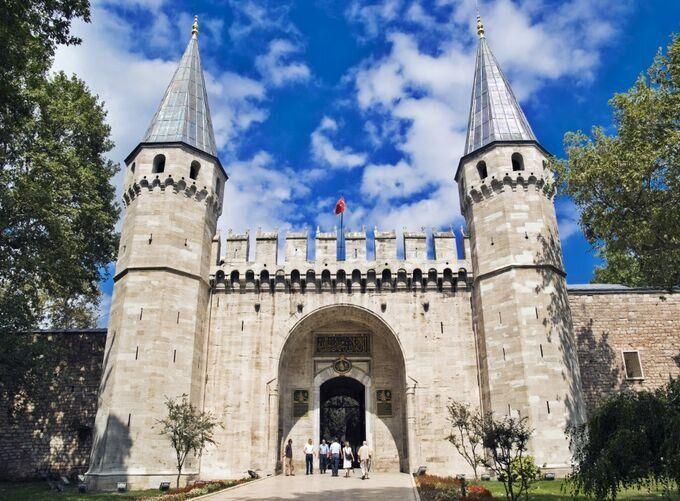
Behind the Gates of the Ottoman Empire
Topkapi Palace is unlike the royal residences many travelers encounter elsewhere in Europe. There is no single grand building containing everything worth seeing. Instead, a succession of gates leads through courtyards, administrative chambers, gardens and private apartments, each revealing a different aspect of Ottoman imperial life.
The palace occupies a remarkable position on Istanbul's historic peninsula, overlooking the Bosphorus, Golden Horn and Sea of Marmara. Its location was more than a matter of scenery. From this strategic point, Ottoman rulers could look towards the waterways connecting their capital with territories across Europe and Asia.
Sultan Mehmed II established the palace following the Ottoman conquest of Constantinople in 1453. Successive sultans expanded the complex, adding ceremonial halls, residential quarters, pavilions and administrative buildings. For approximately four centuries, Topkapi remained the principal residence and governing centre of the Ottoman Empire, before the court moved to Dolmabahçe Palace in the nineteenth century.
After the establishment of the Turkish Republic, Topkapi opened as a museum in 1924.
Today, the most rewarding way to experience the palace is to follow the relationship between its public and private spaces. The courtyards explain how imperial government operated, while the Harem reveals the household that existed behind its ceremonial walls.
Topkapi Palace Tickets: What Should You Buy?
Understanding the admission options before arriving can save time and prevent confusion. Topkapi Palace contains several distinct visitor areas, and access to the Harem and Hagia Irene has historically been subject to separate ticketing arrangements.
The Turkish National Palaces Administration publishes the official admission categories. Its published foreign visitor combined ticket has been listed at TRY 2,750, covering the main palace, Harem and Hagia Irene. Separate foreign visitor admission to the Harem has also been listed at TRY 1,050.
These are published reference prices, not guaranteed current rates. Check the official ticket information before purchasing.
| Ticket information | Details |
| Foreign visitor combined ticket | Published at TRY 2,750 |
| Foreign visitor Harem ticket | Published at TRY 1,050 |
| Combined ticket coverage | Main palace, Harem and Hagia Irene |
| Children aged 0–6 | Free under applicable admission conditions |
| Museum passes | Coverage and exclusions vary |
| Recommended visit duration | 3–4 hours |
For first-time visitors, the combined admission option is generally the most practical because the Harem is an essential part of understanding the palace.
Museum passes require particular attention. The Harem and Hagia Irene have specific admission conditions, and visitors should not assume that every museum pass includes them.
Discounts and free admission depend on eligibility and supporting documentation. Special evening visits, when available, may operate under different arrangements.
Official information: Turkish National Palaces Administration
The Harem: Inside the Sultan's Private Household
Few places in Topkapi Palace attract as much curiosity as the Harem. Yet the popular image of an extravagant, mysterious world tells only a small part of its history.
The Harem was the private residential and institutional centre of the imperial household. It operated according to an elaborate hierarchy, with rules governing education, responsibilities, access and daily life.
Among its residents were members of the sultan's family, including his mother, wives and children, alongside other members of the household. The Valide Sultan, or queen mother, occupied a particularly important position and could exercise considerable influence within the palace.
The architecture reflects this carefully organised environment. Narrow corridors connect residential rooms and private courtyards, while larger chambers were used for formal gatherings and ceremonies. Decorative details also reveal how the Harem changed as successive rulers expanded and renovated it.
One of the most impressive spaces is the Imperial Hall, distinguished by its spacious interior and elaborate decoration. The apartments associated with the queen mother and various sultans are equally interesting, particularly for visitors curious about how the imperial family lived.
The İznik tiles deserve close attention. Their intricate floral patterns, rich colours and carefully balanced compositions are outstanding examples of Ottoman decorative craftsmanship.
What makes the Harem memorable, however, is not simply its beauty. Its arrangement reveals the distinction between public authority and private life, while also showing how family relationships could influence the politics of the Ottoman court.
Allow approximately 45–75 minutes for the Harem, depending on your interests and which rooms are accessible. Temporary closures for restoration may affect the route.
The First Courtyard and Hagia Irene
The First Courtyard begins beyond the Imperial Gate, known as Bab-ı Hümayun. Historically, this outer area accommodated activities connected with the daily operation of the palace and was more accessible than the inner courtyards.
Among its most significant monuments is Hagia Irene, a Byzantine church that predates the Ottoman palace.
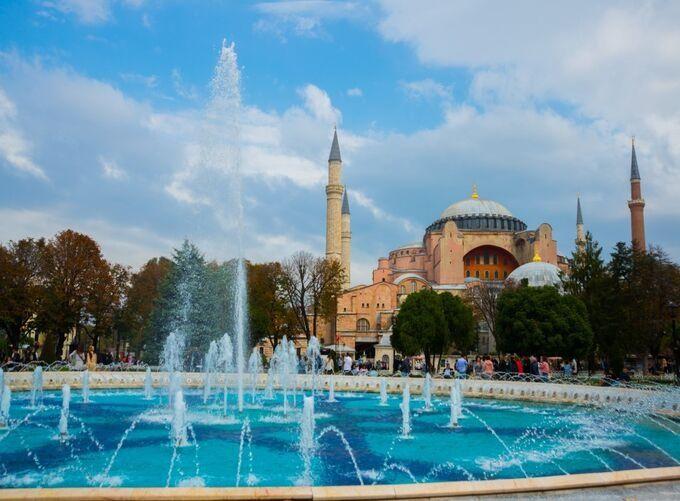
Unlike Hagia Sophia, Hagia Irene was not converted into a mosque after the Ottoman conquest. It subsequently served several functions, including use as an arsenal.
Its relatively restrained interior provides an interesting contrast with the richly decorated Ottoman chambers elsewhere in Topkapi.
For travelers interested in Istanbul's layered history, Hagia Irene demonstrates how a Byzantine religious building became part of an Ottoman imperial complex without losing its original architectural identity.
The Second Courtyard: Where Imperial Decisions Were Made
Beyond the Gate of Salutation lies the Second Courtyard, historically one of the palace's principal administrative areas.
Here, senior officials gathered in the Imperial Council, or Divan-ı Hümayun, to discuss matters of government. Nearby, the Tower of Justice symbolised the authority of the sultan.
The palace kitchens occupy another important part of this courtyard. Although less glamorous than the Treasury or Harem, they reveal the extraordinary organisation required to maintain a large imperial household.
Food preparation, storage and service operated on a substantial scale. The associated collections, including ceramics and dining objects, provide insight into Ottoman courtly customs and the importance of hospitality.
The Harem entrance is connected to this area, making the Second Courtyard a natural transition between the public business of government and the private world of the imperial family.
The Third Courtyard: The Sultan's Inner Court
Passing through the Gate of Felicity brings visitors into the Third Courtyard, also known as the Enderun Courtyard.
Access to this area was historically restricted. It contained spaces associated with the sultan's immediate household, palace education and important ceremonial functions.
The Audience Chamber was used for formal receptions, including meetings with ambassadors and distinguished visitors. The courtyard also provides access to two of Topkapi's most significant collections: the Imperial Treasury and the Sacred Relics.
The transition from the Second to the Third Courtyard illustrates how palace architecture reflected rank and proximity to the ruler. Every successive gateway marked a movement into a more exclusive part of the Ottoman court.
Imperial Treasury: The Topkapi Dagger and Spoonmaker's Diamond
The Imperial Treasury contains some of the palace's most celebrated objects, including the Topkapi Dagger and the Spoonmaker's Diamond.
The dagger is famous for its large emeralds and elaborate craftsmanship, while the diamond has become one of the best-known treasures associated with the Ottoman court.
These objects are remarkable, but their historical significance extends beyond their monetary value.
Jewelled weapons, ceremonial gifts and precious objects helped communicate imperial prestige. They also reflect diplomatic relationships, artistic influences and the extensive networks connecting the Ottoman Empire with other regions.
Rather than concentrating only on the most famous treasures, take time to examine the surrounding objects. Their materials, decoration and craftsmanship reveal how wealth and political authority were expressed through courtly possessions.
Individual exhibits may occasionally be unavailable because of conservation work or temporary changes to the displays.
Sacred Relics: Religion and Ottoman Authority
The Sacred Relics section offers a different perspective on the palace's history.
Its collection includes objects traditionally associated with the Prophet Muhammad and other important figures in Islamic religious tradition. These relics became closely connected with the Ottoman sultans' religious responsibilities and their position within the wider Islamic world.
The atmosphere here is noticeably different from the Treasury. Visitors should maintain a respectful manner and follow any instructions concerning photography, clothing and conduct.
For those interested in the relationship between religion and political authority, this section provides important context for understanding Ottoman imperial identity.
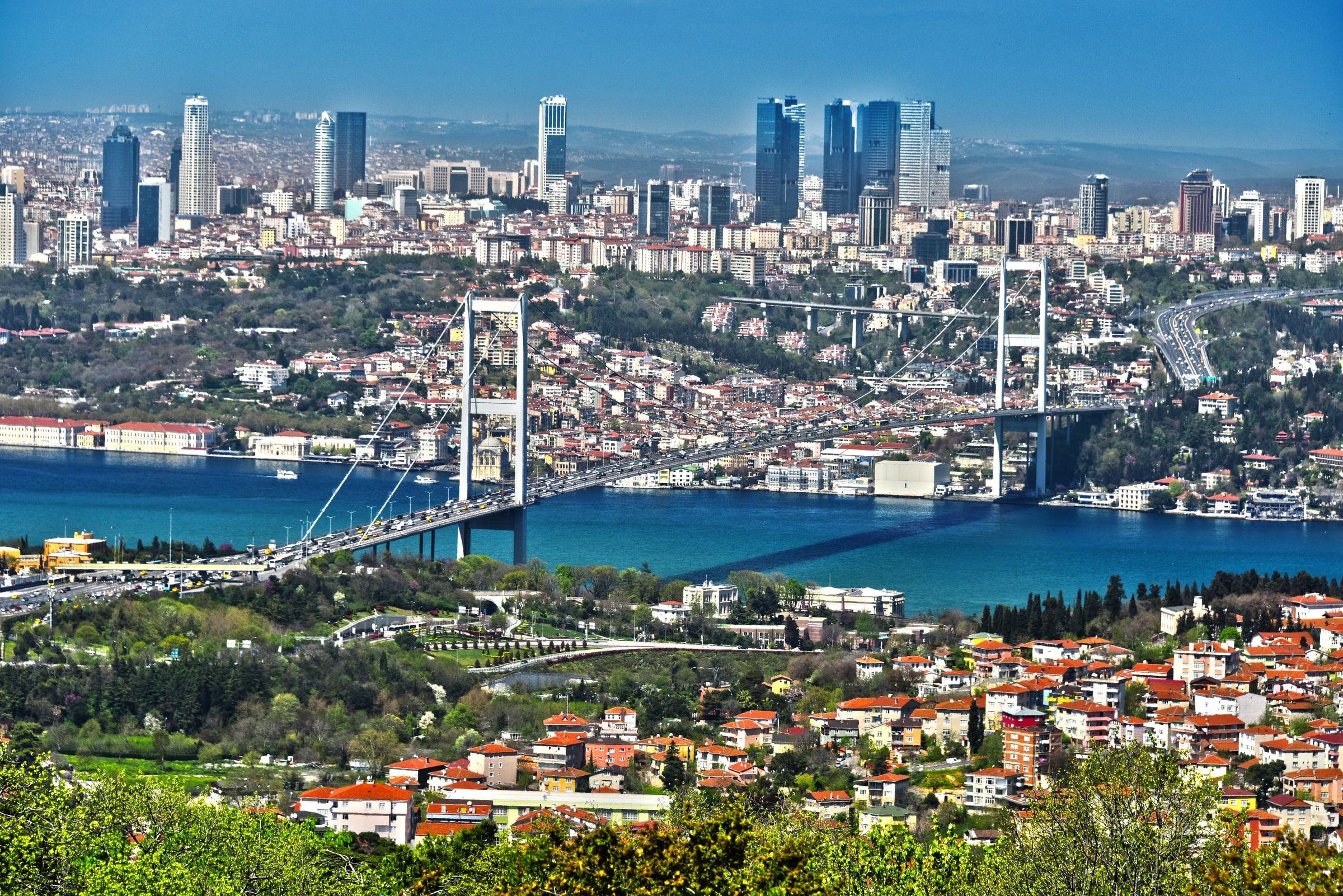
The Fourth Courtyard: Pavilions Above the Bosphorus
After exploring the enclosed chambers and exhibition galleries, the Fourth Courtyard offers a welcome change of atmosphere.
Here, landscaped terraces and elegant pavilions overlook Istanbul's waterways. The Baghdad Pavilion and Revan Pavilion are particularly notable for their architecture and decorative details, while the Iftar Pavilion occupies a memorable position above the Golden Horn.
These spaces served purposes quite different from those of the administrative courtyards. They offered settings for relaxation, private gatherings and the enjoyment of the surrounding landscape.
The views also explain why this location was so important to the Ottoman rulers. From the palace terraces, the Bosphorus, Golden Horn and surrounding districts form a panorama that connects Istanbul's geography with its imperial history.
For many visitors, the Fourth Courtyard provides the most satisfying conclusion to the palace visit.
Topkapi Palace Opening Hours and Best Time to Visit
Topkapi Palace is normally open six days a week and closed on Tuesdays.
The published regular schedule lists ticket office hours from 9:00 AM to 5:00 PM, with the museum generally closing at 6:00 PM. Public holidays, special events and operational changes may affect these arrangements.
| Visitor information | Details |
| Location | Sultanahmet, Fatih, Istanbul |
| Regular closing day | Tuesday |
| Ticket office hours | 9:00 AM–5:00 PM |
| Regular museum closing | 6:00 PM |
| Recommended duration | 3–4 hours |
| Nearest tram stop | Sultanahmet, T1 line |
Arriving near opening time is generally preferable, especially during Istanbul's busy spring and autumn travel seasons.
The Harem and Treasury can become crowded later in the morning, while some outdoor areas provide limited shade during hot summer weather.
Because the palace covers a substantial area, arriving late in the afternoon leaves little time to appreciate its most important sections.
How to Explore Topkapi Palace Without Rushing
For a first visit, three to four hours is a sensible amount of time. Visitors with a strong interest in Ottoman history may prefer longer.
Begin with the First and Second Courtyards to understand the administrative organisation of the palace. Continue into the Harem, then explore the Third Courtyard, including the Treasury and Sacred Relics.
Finish with the Fourth Courtyard, where the gardens and waterfront views provide a quieter ending.
This is a suggested route rather than a fixed sequence. Restoration projects, temporary closures and visitor management arrangements may affect access to particular sections.
Comfortable walking shoes are essential because the palace includes extensive stone pathways, uneven surfaces and steps.
Photography is permitted in certain areas, but restrictions vary between exhibitions. Follow the instructions displayed in each section, particularly around precious objects and religious relics.
A knowledgeable guide can add considerable value. Understanding why the Council Chamber, Harem and inner courtyards were separated helps transform the visit from a walk through historic buildings into a clearer picture of how the Ottoman court operated.
How to Get to Topkapi Palace
Topkapi Palace is located on Istanbul's historic peninsula, within walking distance of several important monuments in Sultanahmet.
The T1 tram is one of the easiest public transport options. Get off at Sultanahmet and walk towards Hagia Sophia, continuing to the Imperial Gate.
Visitors staying in Sirkeci can also reach the palace on foot, although the approach involves an uphill section.
Because Hagia Sophia and the Blue Mosque are nearby, it may be tempting to visit all three attractions in a single morning. Topkapi, however, requires considerably more time than a brief sightseeing stop.
If possible, reserve a substantial part of the day for the palace rather than trying to fit it between several other major attractions.
Understanding Topkapi Beyond Its Famous Treasures
The most revealing aspect of Topkapi Palace is the relationship between its different spaces.
The Council Chamber explains how imperial decisions were discussed. The kitchens demonstrate the organisation needed to support the court. The Harem introduces the people and relationships behind palace life, while the Treasury and Sacred Relics show how wealth, ceremony and faith contributed to Ottoman authority.
By the time you reach the Fourth Courtyard, the palace's commanding position above the Bosphorus feels entirely deliberate. From this setting, Ottoman rulers governed territories extending far beyond Istanbul.
Topkapi is not simply a collection of magnificent rooms. It is a place where architecture, government, family life and imperial ambition can still be understood together.
Frequently asked questions
The combined ticket includes the main palace, Harem and Hagia Irene. Check your ticket category carefully, as separate admission options and museum-pass exclusions may apply.
The published foreign visitor combined ticket has been listed at TRY 2,750. Confirm current prices and eligibility rules through the official National Palaces website.
Allow three to four hours for the courtyards, Harem, Treasury and Sacred Relics. Visitors interested in Ottoman history may prefer additional time.
No. Tuesday is the palace's regular weekly closing day. Public holidays, special events and restoration work may also affect access to particular areas.
Yes. The Harem reveals the Ottoman imperial household through its residential chambers, private courtyards and İznik tilework, offering a perspective unavailable in the public areas.