Dos and Don’ts in Istanbul: What Visitors Should Know
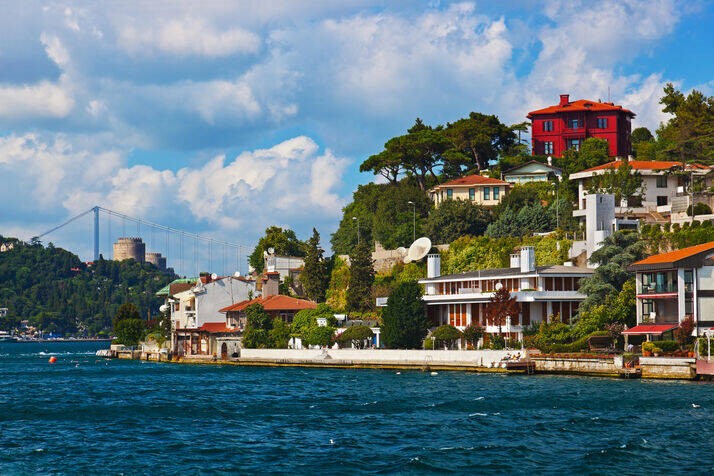
Restaurant Etiquette Is Less Complicated Than Many Guides Suggest
Dining in Istanbul rarely requires visitors to learn an elaborate set of rules.
The city ranges from small neighborhood restaurants and traditional kebab establishments to meyhanes, international dining rooms and sophisticated Bosphorus venues. Service style naturally changes with the restaurant.
Check the bill before deciding what additional tip is appropriate, because service arrangements can vary. If you are unsure whether a charge has already been included, asking is entirely reasonable.
Sharing dishes is common in many dining settings, particularly where meze forms part of the meal, although there is no need to imitate local dining habits artificially.
Likewise, do not assume every restaurant serves alcohol. Istanbul has venues that do, venues that do not, and neighborhoods where the mix differs considerably.
The most rewarding approach to Istanbul dining is curiosity without performance.
You do not need to prove that you know how locals eat. Ask questions when you need to, try unfamiliar dishes when they appeal to you, and allow the restaurant itself to establish the rhythm of the meal.
Photograph Istanbul Freely, but Photograph Individuals Thoughtfully
Few cities make people reach for a camera as often as Istanbul.
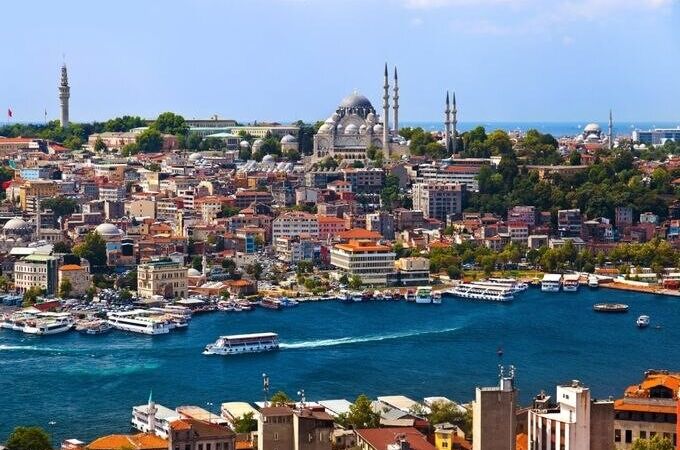
Domes appear between buildings, ferries cross behind mosque silhouettes, fishing boats move across the Bosphorus and ordinary streets can become unexpectedly photogenic within a few minutes.
Photographing public architecture and broad street scenes is one thing. Making a particular individual the obvious subject of a close photograph is another.
When someone is clearly identifiable and central to your image, particularly a shopkeeper, artisan or person going about an ordinary activity, a quick gesture or request before photographing them is good practice.
This becomes even more important inside religious spaces.
Someone praying is not a convenient cultural prop.
Travel photography becomes better, not worse, when the photographer remains aware of the people inside the frame.
During Ramadan, Watch Istanbul Rather Than Following Internet Assumptions
Ramadan generates some of the most exaggerated travel advice about Turkey.
Istanbul does not simply close during daylight hours, and international visitors are not generally expected to fast because Muslims are observing Ramadan. Hotels, tourist areas, transportation and many restaurants continue operating, although local patterns can vary.
The more noticeable change often comes around sunset, when people who have been fasting prepare for iftar, the evening meal that breaks the day's fast. Restaurants can become particularly busy, families gather and public spaces may develop a different evening rhythm.
Visitors can eat and drink during the day, but awareness remains appropriate around people who are fasting, especially in more traditional settings.
There is no need for theatrical caution.
Observe what is happening around you and behave with ordinary consideration.
A dedicated Ramadan travel guide can address religious dates and broader trip planning; here the relevant point is simply behavioral: respect does not require pretending that you are fasting too.
Istanbul's Street Sellers Require Politeness, Not Engagement
Popular areas naturally attract people selling tours, restaurant meals, souvenirs and other services.
You do not need to stop for every approach.
If you are uninterested, a polite refusal followed by continuing to walk is usually more effective than entering a long explanation. Visitors sometimes create their own uncomfortable interaction by continuing a conversation they never wanted to have because they are worried that leaving would appear rude.
It is not rude to decline.
This principle is particularly useful around highly visited areas where several commercial approaches can occur during one walk.
At the opposite extreme, responding aggressively to every person who speaks to you is unnecessary and can make Istanbul feel more confrontational than it actually is.
Clear boundaries and ordinary politeness work well together.
Ferries Teach You More About Istanbul Etiquette Than Tourist Rules Do
One of the easiest ways to understand Istanbul's everyday rhythm is to use its public ferries.
For residents, crossing the Bosphorus is transportation rather than a ceremonial tourist experience. Commuters read, talk, drink tea, watch the shoreline and continue with their day while one of the world's most recognizable cityscapes moves past the windows.
Visitors should approach ferries in the same straightforward way.
Allow passengers to disembark, avoid blocking entrances with luggage, respect seating and remember that other passengers may be traveling to work rather than participating in your sightseeing experience.
This is a small example of a larger principle.
The more Istanbul functions as an ordinary city around you, the less you need a special list of tourist behaviors.
Observe how the space works and participate accordingly.
Public Affection and Social Behavior Need Context, Not Fear
Couples frequently ask whether holding hands or showing affection in Istanbul is acceptable.
Ordinary affection between couples is commonplace, particularly in central and contemporary parts of the city. As elsewhere, more intimate public behavior can feel inappropriate depending on the environment, and greater discretion makes sense around religious sites.
Again, neighborhood and setting matter.
What feels completely unremarkable along the Bosphorus or in a busy entertainment district may be less appropriate inside a mosque courtyard.
The same contextual approach applies to loud behavior, alcohol and clothing.
Istanbul does not require tourists to become different people. It asks them to notice where they are.
That is a considerably easier standard to follow.
The Best Cultural Advice Is Not to Perform Being “Local”
Travel content often encourages visitors to “live like a local,” although trying too hard can produce stranger behavior than simply being a respectful visitor.
You are not expected to understand every custom immediately.
It is perfectly acceptable to ask how something works, admit that you do not speak Turkish, request help with a menu or confirm whether shoes should be removed before entering somewhere.
A few Turkish words are warmly received, but fluency is obviously not expected. Merhaba for hello and teşekkür ederim for thank you are useful, although politeness is communicated through tone and behavior as much as vocabulary.
Travelers on customized Turkey tours from Istanbul often worry beforehand about cultural mistakes far more than they need to. In practice, Istanbul is accustomed to international visitors, and most ordinary misunderstandings are easily resolved when people remain courteous.
Being a considerate visitor is enough.
What Visitors Should Actually Remember
If twelve different etiquette rules disappear from your memory after landing, remember the underlying logic instead.
Istanbul changes from street to street and situation to situation. Inside a mosque, prioritize the fact that you are entering an active religious space. At a bazaar, negotiate only when negotiation belongs to the transaction. In restaurants, understand the bill before automatically applying tipping habits from another country. When photographing people, distinguish a cityscape from a personal portrait. When moving around the city, allow its traffic and geography to influence your schedule.
Most importantly, do not approach every interaction defensively.
Magnificent Travel has operated journeys in Turkey since 1997, and one of the most consistent realities we see is that visitors generally find Istanbul socially easier once they are actually here than they imagined beforehand. The city is internationally experienced, culturally layered and accustomed to travelers who are still learning how things work.
Visitors combining Istanbul with Cappadocia, Ephesus, Pamukkale or other regions through Turkey cultural discovery tours will also notice that behavior and atmosphere change as they travel. What works in one setting should not automatically become a rule for an entire country.
Respect the environment in front of you, remain curious without becoming intrusive, and give yourself permission to be a visitor.
That is enough to navigate Istanbul well.
Frequently Asked Questions About Istanbul Etiquette
1. Do tourists need to cover their heads in Istanbul?
Women do not generally need to cover their hair while walking around Istanbul, dining or sightseeing. Head covering may be required when entering active mosques, so carrying a lightweight scarf can be useful when religious sites are included in the day.
2. Can tourists wear shorts in Istanbul?
Shorts are commonly worn in Istanbul during warm weather and are generally suitable for ordinary sightseeing. Different clothing standards apply when entering mosques, where visitors should follow the current requirements concerning covered shoulders, legs and, where applicable, women's hair.
3. Do I have to remove my shoes inside Istanbul mosques?
Visitors are required to remove shoes before entering designated carpeted prayer areas in active mosques. Follow the arrangements provided at each site, since visitor procedures can differ, and avoid walking into prayer spaces before checking the instructions at the entrance.
4. Is bargaining expected everywhere in Istanbul?
No. Bargaining can be appropriate in traditional bazaars and some independent shops, particularly for certain higher-value purchases, but ordinary fixed-price stores, supermarkets, restaurants and museums are not bargaining environments. Watch how the particular transaction is structured before negotiating.
5. Is it rude to refuse tea offered by a shopkeeper?
Politely declining tea is not inherently rude, and accepting a glass does not oblige you to purchase anything. When shopping conversations become lengthy, however, clear communication about your level of interest prevents hospitality from turning into an unnecessarily prolonged sales interaction.
6. Can I photograph local people in Istanbul?
Broad street scenes are commonly photographed, but when an individual becomes the obvious subject of a close image, asking first is considerate. Extra sensitivity is appropriate around worshippers, children and people who are simply working rather than participating in a tourist experience.
7. Should tourists tip in Istanbul restaurants?
Tipping practices can depend on the restaurant and the way service is presented, so check your bill before adding anything automatically. When uncertain whether service has already been included, asking the restaurant directly is more reliable than applying another country's tipping rules.
8. Can tourists drink alcohol in Istanbul?
Alcohol is available in many Istanbul restaurants, bars and hotels, although not every establishment serves it. Visitors should avoid assuming either that alcohol is prohibited throughout the city or that every restaurant will offer it, since venue practices differ considerably.
9. Can tourists eat in public during Ramadan?
Visitors are not generally expected to fast during Ramadan, and many Istanbul restaurants continue serving during daylight hours. Ordinary consideration is appropriate around people who are fasting, while sunset can bring busier restaurants and public areas as families gather for iftar.
10. Is public affection acceptable for couples in Istanbul?
Holding hands and ordinary affection are common in many parts of Istanbul. More intimate behavior deserves greater discretion depending on the setting, particularly around religious spaces, where visitors should adapt their behavior to the environment rather than applying one citywide rule.
11. What should tourists avoid doing at the Grand Bazaar?
Avoid assuming every seller must bargain, beginning negotiations for products you have no genuine interest in buying, or treating bargaining as a contest. Ask questions, understand what you are purchasing and negotiate courteously when the type of transaction makes bargaining appropriate.
12. What is the most important etiquette rule for visiting Istanbul?
Pay attention to context. Istanbul contains religious monuments, traditional markets, contemporary neighborhoods, nightlife districts and ordinary residential areas, so behavior that fits one environment may not fit another. Respecting the space you are actually in is more useful than memorizing stereotypes.

A travel professional specializing in tailor-made travel planning, guest experience management, and multi-destination tourism operations.
With over 23 years of experience in the travel industry, he designs and manages private and cultural tours for international travelers across Türkiye, Greece, Egypt, Jordan, Morocco, and other destinations.
He has strong expertise in both online and face-to-face guest communication, sales processes, and end-to-end travel operations.
Working closely with hotels, travel agencies, and local partners, he ensures smooth coordination and high-quality travel experiences at every stage of the journey.
His focus is on delivering personalized, reliable, and seamless travel experiences for international guests worldwide.