Blue Mosque Istanbul: Why It Remains the Heart of Historic Istanbul
There are certain places that appear in photographs so often that travelers begin to feel they already know them.
The Blue Mosque is one of those places.
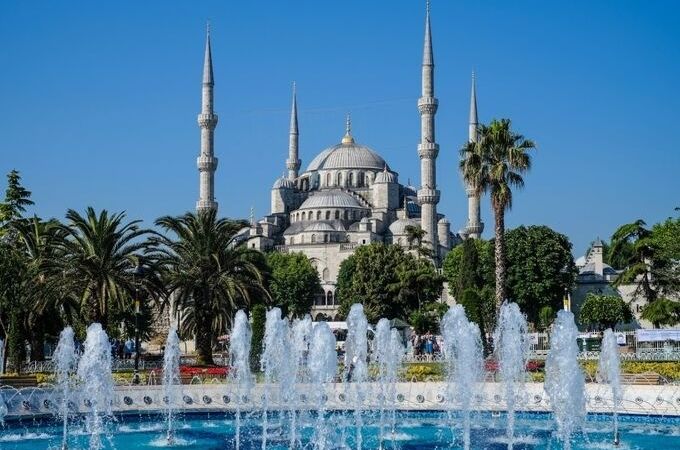
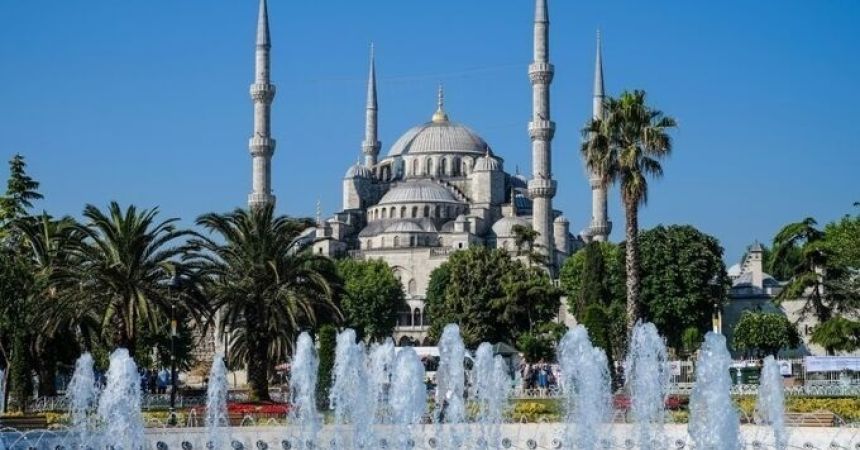
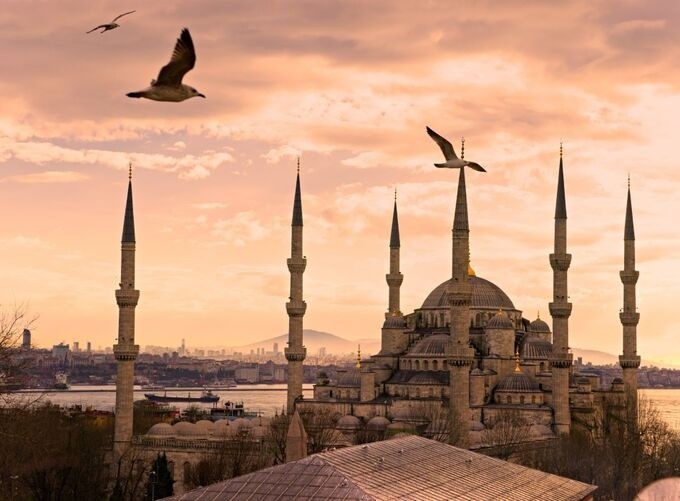
Its elegant domes and six minarets have become symbols of Istanbul, appearing on postcards, travel brochures, documentaries, and social media feeds around the world. Yet standing in front of the mosque for the first time feels very different from seeing it in a picture.
The scale is larger.
The atmosphere is quieter.
The setting is more dramatic.
Located in the heart of Istanbul's historic Sultanahmet district, the Blue Mosque has watched over the city for more than four centuries. It sits opposite Hagia Sophia, beside the ancient Hippodrome, and within walking distance of some of Turkey's most important historical landmarks.
What makes the mosque remarkable is not simply its beauty.
It remains exactly what it was designed to be, a living place of worship where history and daily life continue to exist side by side.
For many visitors, the Blue Mosque becomes one of the most memorable stops during their time in Turkey.
Why Is It Called the Blue Mosque?
Interestingly, the name most visitors know is not the mosque's official name.
The building is formally called the Sultan Ahmed Mosque, named after Sultan Ahmed I, who commissioned its construction during the early seventeenth century.
The nickname "Blue Mosque" developed because of the interior.
Inside the prayer hall, thousands of handmade İznik tiles decorate the walls and galleries. Many of these tiles feature shades of blue combined with floral patterns and geometric designs.
When sunlight enters through the mosque's windows, the blue tones become particularly noticeable, creating an atmosphere that feels both grand and peaceful.
Visitors expecting a blue exterior are often surprised.
The nickname only truly makes sense once you step inside.
The Story Behind the Blue Mosque
Construction began in 1609 during a period when the Ottoman Empire remained one of the most influential powers in the world.
Sultan Ahmed I wanted to build an imperial mosque that would demonstrate the strength and prestige of the empire. He chose a location of enormous symbolic importance, directly facing Hagia Sophia, the city's most famous monument.
The project was entrusted to Sedefkâr Mehmed Ağa, a talented architect who had studied under the legendary Mimar Sinan.
The mosque was completed in 1616 after seven years of construction.
Sadly, Sultan Ahmed I died shortly afterward and did not live long enough to fully appreciate the impact his mosque would have on future generations.
More than four hundred years later, his name remains permanently connected to one of Istanbul's most recognizable landmarks.
A Masterpiece of Ottoman Architecture
Even in a city filled with remarkable buildings, the Blue Mosque stands out.
Its design reflects the confidence of an empire at the height of its influence.
From a distance, the structure appears almost perfectly balanced.
The cascading domes rise gradually toward the central dome, creating a sense of harmony that draws the eye upward.
Several architectural features immediately capture attention:
- Six minarets
- Large central dome
- Spacious courtyard
- Elegant stonework
- Symmetrical design
The six minarets generated controversy when the mosque was completed.
At that time, the Grand Mosque in Mecca also had six minarets, a distinction many believed should remain unique.
According to historical accounts, an additional minaret was later added to the mosque in Mecca, resolving the issue.
Today, the six minarets remain one of the Blue Mosque's defining characteristics.
Stepping Inside the Mosque
The exterior attracts attention.
The interior leaves a lasting impression.
As visitors enter the prayer hall, they often pause for a moment simply to take in the scale of the space.
The central dome rises more than forty meters above the floor, supported by massive pillars that somehow feel less imposing than their size would suggest.
The space feels open, balanced, and filled with natural light.
Several details deserve special attention.
İznik Tiles
More than 20,000 handcrafted ceramic tiles decorate the interior.
The floral motifs and intricate patterns represent some of the finest examples of Ottoman decorative art.
Natural Light
Hundreds of windows allow daylight to filter into the mosque throughout the day.
The changing light creates different moods depending on the time of your visit.
Calligraphy
Beautiful Arabic calligraphy appears throughout the building, adding another layer of artistic detail.
The Atmosphere
Despite the large number of visitors, the mosque often feels calm and reflective.
Many travelers mention that this sense of peace becomes one of their strongest memories.
A Living Religious Site
Unlike some historical landmarks that function primarily as museums, the Blue Mosque remains an active place of worship.
Five daily prayers continue to take place.
Worshippers visit regularly throughout the day.
This ongoing religious function is an important part of what makes the mosque special.
Visitors are not entering a preserved historical monument frozen in time.
They are entering a space that continues to serve the community exactly as it did centuries ago.
Respectful behavior is essential.
Visitors should:
- Speak quietly
- Dress appropriately
- Follow staff instructions
- Avoid disturbing worshippers
The experience becomes more meaningful when viewed through this perspective.
Understanding the Dress Code
The dress requirements are straightforward and intended to respect the mosque's religious purpose.
Women should cover:
- Hair
- Shoulders
- Knees
Men should avoid:
- Sleeveless shirts
- Shorts above the knee
Visitors who arrive without suitable clothing can usually borrow coverings provided near the entrance.
Most travelers find the process simple and well organized.
The Best Time to Visit
The Blue Mosque is one of Istanbul's most visited attractions.
Timing can significantly affect your experience.
Early Morning
Typically offers smaller crowds and a quieter atmosphere.
Late Afternoon
Provides beautiful lighting conditions and often fewer tour groups.
Midday
Usually the busiest period.
Arriving early allows visitors to appreciate the mosque before larger crowds arrive.
Photographers also tend to prefer morning visits.
What Else Can You See Nearby?
One of the great advantages of visiting the Blue Mosque is its location.
Several of Istanbul's most important attractions sit within a short walking distance.
Hagia Sophia
Directly across Sultanahmet Square.
Basilica Cistern
One of the city's most fascinating underground sites.
Topkapi Palace
The former residence of Ottoman sultans.
Hippodrome
The social and political center of Byzantine Constantinople.
Grand Bazaar
One of the oldest and largest covered markets in the world.
Many travelers spend an entire day exploring the surrounding area without ever needing transportation.
Photography Tips
The Blue Mosque offers some of Istanbul's best photography opportunities.
For the most rewarding images:
Arrive Early
Morning light often produces cleaner photographs and fewer crowds.
Explore Different Angles
The mosque looks different from every side of Sultanahmet Square.
Include the Surroundings
Trees, fountains, and historic buildings help create context.
Visit After Sunset
The illuminated mosque creates a completely different atmosphere during the evening.
Patience often produces the best results.
Why the Blue Mosque Continues to Fascinate Visitors
Thousands of historical buildings exist across the world.
Very few maintain the balance that the Blue Mosque achieves.
It is simultaneously:
- A masterpiece of architecture
- A major tourist attraction
- A symbol of Istanbul
- An active place of worship
Many famous monuments gradually become disconnected from their original purpose.
The Blue Mosque never did.
That connection to daily life gives the building an authenticity that visitors immediately sense.
Four centuries after its construction, it remains one of the defining experiences of Istanbul.
Why Explore Istanbul with a Specialized Tour Operator?
The Blue Mosque is often one of the highlights of a visit to Istanbul, but understanding its architectural, historical, and cultural significance becomes far more rewarding when explored within the broader story of the city itself.
Many travelers begin by researching an Egypt Turkey Tour Package before exploring additional opportunities related to Tourism in Turkey. Others combine Istanbul's famous landmarks with destinations featured among the Best Places to Visit in Turkey.
Magnificent Travel specializes in culture-focused and luxury travel experiences throughout Turkey, Greece, Egypt, Jordan, Morocco, and Israel. The company offers carefully designed Istanbul tours as well as tailor-made itineraries that help travelers experience the city's most important historical and cultural sites.
Having welcomed more than 1,100 travelers and maintaining a 5.0/5.0 TripAdvisor rating, Magnificent Travel helps visitors discover Istanbul through expert local knowledge, thoughtfully planned itineraries, and personalized service.

A travel professional specializing in tailor-made travel planning, guest experience management, and multi-destination tourism operations.
With over 23 years of experience in the travel industry, he designs and manages private and cultural tours for international travelers across Türkiye, Greece, Egypt, Jordan, Morocco, and other destinations.
He has strong expertise in both online and face-to-face guest communication, sales processes, and end-to-end travel operations.
Working closely with hotels, travel agencies, and local partners, he ensures smooth coordination and high-quality travel experiences at every stage of the journey.
His focus is on delivering personalized, reliable, and seamless travel experiences for international guests worldwide.