Istanbul Tourist Attractions: What Is Actually Worth Seeing?
Updated: August 2026
Istanbul creates an unusual problem for first-time visitors: there are too many places that genuinely deserve attention.
The obvious response is to make a longer list, but that rarely produces a better trip. Hagia Sophia, the Blue Mosque, Topkapı Palace, Basilica Cistern and the Grand Bazaar can occupy a large part of a first visit before you have even considered the Bosphorus, Dolmabahçe Palace, Süleymaniye Mosque, Galata, the Spice Bazaar or the Asian side of the city.
Rather than asking which attractions are famous, it is more useful to decide which attractions add something different to your understanding of Istanbul.
A traveler fascinated by Byzantine history should make different choices from a family traveling with children, while someone with two days should be considerably more selective than a visitor staying for five. Even two attractions that appear equally important in a guidebook may compete for time because they tell similar parts of Istanbul's story.
For most first visits, the strongest approach is to build around a small group of essential landmarks, then choose additional attractions according to personal interest instead of trying to complete a universal checklist.
Start With Istanbul's Historical Core, but Do Not Try to Finish It in One Morning
The Sultanahmet area contains such a concentration of major landmarks that it can create a false impression of efficiency. Hagia Sophia, the Blue Mosque, Topkapı Palace and Basilica Cistern are geographically close, yet experiencing them properly requires considerably more time than moving between their entrances.
Hagia Sophia deserves high priority because few buildings communicate Istanbul's layered identity so clearly. Its Byzantine origins, centuries as an imperial church, Ottoman transformation and continuing religious significance make it much more than an architectural stop.
Directly opposite, the Blue Mosque, formally the Sultan Ahmed Mosque, provides another essential perspective. The two buildings should not be treated as substitutes simply because both dominate the same skyline; together they demonstrate different periods and architectural traditions within the historic city.
Nearby Topkapı Palace requires a larger commitment. Visitors interested in Ottoman imperial history can easily spend several hours exploring the palace complex, whereas travelers with limited interest in court history may prefer to use part of that time elsewhere.
This is where attraction selection begins to matter. Proximity does not mean every landmark needs equal time.
Use This Priority Matrix Before Building Your Sightseeing List
Instead of ranking Istanbul's attractions from one to ten, compare the reason each deserves your time.
| Attraction | First-Visit Priority | Time Commitment | Strongest Reason to Visit | Natural Pairing |
|---|---|---|---|---|
| Hagia Sophia | Very high | Moderate | Byzantine–Ottoman continuity | Blue Mosque |
| Blue Mosque | Very high | Moderate | Living Ottoman religious architecture | Hagia Sophia |
| Topkapı Palace | Very high | High | Ottoman imperial history | Sultanahmet |
| Basilica Cistern | High | Moderate | Byzantine engineering and atmosphere | Hagia Sophia |
| Grand Bazaar | High | Flexible | Historic commercial Istanbul | Süleymaniye |
| Bosphorus | Very high | Variable | Understanding Istanbul's geography | Üsküdar / waterfront |
| Dolmabahçe Palace | Medium–high | High | Late Ottoman imperial life | Beşiktaş |
| Süleymaniye Mosque | High | Moderate | Architecture, setting and Ottoman history | Grand Bazaar |
| Galata/Karaköy | High | Flexible | Urban texture and city views | Beyoğlu |
| Kadıköy | Interest-dependent | High | Food and contemporary neighborhood life | Ferry crossing |
The value of this table is not identifying a winner. It shows where attractions overlap and where they add a completely new layer to the trip.
Topkapı or Dolmabahçe? Choose According to the Istanbul You Want to Understand
Travelers with limited time often ask whether they need both major palaces.
Usually, they do not.
Topkapı Palace belongs to the classical Ottoman imperial story and occupies a strategically important position overlooking the Bosphorus and Golden Horn. Its courtyards, collections and architectural arrangement reveal a political world quite different from the European-style palace experience many travelers expect.
Dolmabahçe Palace represents a later Ottoman period and a different imperial aesthetic, positioned dramatically beside the Bosphorus in Beşiktaş.
If this is your first visit and you want one palace that connects naturally with the historic peninsula, Topkapı generally makes the stronger choice. If you already understand the classical Ottoman period, enjoy nineteenth-century interiors or have more time around the Bosphorus, Dolmabahçe adds an entirely different chapter.
Visiting both makes sense for a history-focused traveler, but doing so merely because both appear on a “must-see” list can consume a disproportionate amount of limited sightseeing time.
Basilica Cistern Earns Its Place by Being Completely Different
The Basilica Cistern is one of the easiest attractions to justify within a first-time itinerary because it does not duplicate the experience offered by the monuments surrounding it.
After mosques, palace courtyards and busy streets, descending into the atmospheric underground structure changes the physical and historical perspective of the day. Its columns, water, lighting and Byzantine engineering create an experience that feels distinctly separate from the nearby imperial buildings.
The detailed history belongs in a dedicated Basilica Cistern guide rather than being repeated here. For selection purposes, the important point is that it provides high contrast for a relatively manageable time commitment.
That makes it particularly valuable when a visitor has only two or three days.
Süleymaniye Is the Attraction Many First-Time Visitors Underestimate
The Blue Mosque receives more first-visit attention because of its Sultanahmet location, but Süleymaniye Mosque offers something different enough to deserve consideration rather than functioning as “another mosque.”
Designed by the great Ottoman architect Mimar Sinan for Sultan Süleyman the Magnificent, the complex occupies one of Istanbul's most commanding positions. The surrounding area also helps visitors understand the historic city beyond its most concentrated tourist zone.
For architecture enthusiasts, Ottoman-history travelers and anyone who wants a major monument without remaining inside the Sultanahmet circuit all day, Süleymaniye can be an excellent addition.
The mistake would be visiting five mosques rapidly while understanding none of them. Two carefully chosen examples usually communicate more.
The Grand Bazaar Is Worth Visiting Even If You Do Not Want to Shop
The Grand Bazaar should not be evaluated only according to whether you intend to buy carpets, jewelry or souvenirs.
Its value lies partly in experiencing Istanbul's long commercial tradition through a marketplace that still functions as a working economic environment, even though tourism has naturally changed many sections.
Visitors who dislike shopping do not necessarily need several hours inside. A focused visit can still be worthwhile, particularly when combined with the surrounding historic commercial districts rather than treating the bazaar as an isolated indoor attraction.
Those who genuinely enjoy textiles, craftsmanship and negotiation may spend much longer.
The amount of time you allocate should therefore depend on your behavior once inside, not on a standard guidebook duration.
The Bosphorus Should Rank Alongside the Monuments
One of the biggest first-time planning mistakes is treating the Bosphorus as an optional cruise to add after the “real attractions” are complete.
The Bosphorus is part of what makes Istanbul understandable.
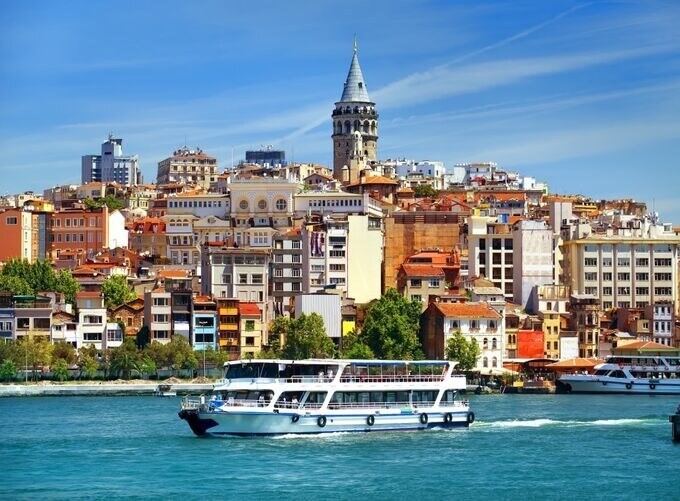
From the water, the relationship between Europe and Asia, historic waterfront settlements, palaces, mosques, bridges and modern neighborhoods becomes far clearer than it does while moving between monuments by road.
You do not necessarily need an elaborate cruise. Depending on available time and preferred style, public ferries and dedicated sightseeing cruises can provide very different experiences.
What matters is allowing the water to become part of the journey rather than merely seeing it through a taxi window.
Travelers who want sightseeing arranged around the city's major historical layers can consider Istanbul private sightseeing tours while keeping enough flexibility for the Bosphorus to feel like an experience rather than another timed admission.

A travel professional specializing in tailor-made travel planning, guest experience management, and multi-destination tourism operations.
With over 23 years of experience in the travel industry, he designs and manages private and cultural tours for international travelers across Türkiye, Greece, Egypt, Jordan, Morocco, and other destinations.
He has strong expertise in both online and face-to-face guest communication, sales processes, and end-to-end travel operations.
Working closely with hotels, travel agencies, and local partners, he ensures smooth coordination and high-quality travel experiences at every stage of the journey.
His focus is on delivering personalized, reliable, and seamless travel experiences for international guests worldwide.