
Why Visit Turkey? 15 Reasons to Travel in 2026 & 2027
Last Updated: August 6, 2026
Turkey has a way of surprising people.
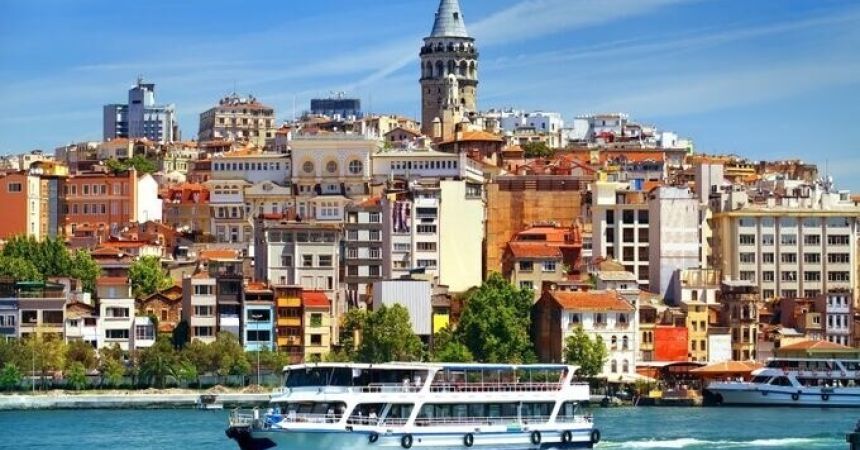
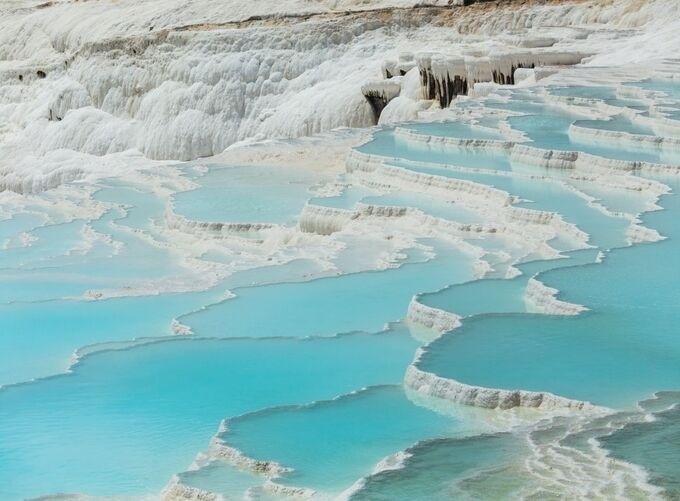
Many first-time visitors arrive expecting famous landmarks like Hagia Sophia, Cappadocia's fairy chimneys, or the white terraces of Pamukkale. They leave talking about completely different things: a fisherman who invited them for tea, a family-run restaurant hidden behind an old stone street, or an unforgettable sunset watched from the deck of a ferry crossing the Bosphorus.
That is what makes Turkey different from many destinations.
It isn't simply a country with beautiful attractions—it is a place where thousands of years of history blend naturally with modern cities, diverse landscapes, genuine hospitality, and one of the world's richest culinary traditions. Whether you're interested in ancient civilizations, coastal escapes, photography, food, or cultural experiences, Turkey offers an incredible variety within relatively short travel distances.
For travelers planning a holiday in 2026 or 2027, Turkey also remains one of the few destinations where you can experience luxury, history, adventure, and authentic local culture without needing an unlimited travel budget.
If you're wondering whether Turkey deserves a place on your travel list, these reasons may help you decide.
Turkey Is More Than One Destination
One of the biggest misconceptions about Turkey is that it offers only one style of holiday.
In reality, every region feels like a different country.
You could spend the morning wandering through Roman ruins that are nearly 2,000 years old, enjoy lunch beside the turquoise Mediterranean, and end your day watching hundreds of hot air balloons rise above volcanic valleys. Few destinations offer that level of diversity without requiring multiple international flights.
Traveling across Turkey also reveals how dramatically the scenery changes from region to region.
| Region | What Makes It Special |
|---|---|
| Istanbul | Historic monuments, vibrant neighborhoods, Bosphorus views |
| Cappadocia | Fairy chimneys, cave hotels, balloon flights |
| Aegean Coast | Ancient cities, olive groves, charming seaside towns |
| Mediterranean | Beaches, mountains, yacht cruises and coastal villages |
| Central Anatolia | Traditional culture and remarkable landscapes |
| Eastern Turkey | Untouched nature, unique architecture and local heritage |
Because domestic flights are frequent and travel distances are manageable, many visitors combine several completely different experiences into one itinerary.
If you enjoy discovering destinations with both iconic landmarks and hidden local experiences, you can explore Turkey's cultural highlights through carefully designed itineraries that connect the country's most remarkable regions without feeling rushed.
A History That Spans Thousands of Years
Few countries have influenced world history as profoundly as Turkey.
The lands that make up modern Turkey have been home to dozens of civilizations, including the Hittites, Greeks, Persians, Romans, Byzantines, Seljuks, and Ottomans. Each empire left behind monuments, traditions, architecture, and stories that still shape daily life today.
Unlike destinations where historical sites are concentrated in a single area, Turkey's history unfolds throughout the country.
One week could include:
- Walking through the ancient streets of Ephesus.
- Visiting underground cities carved into volcanic rock.
- Exploring Byzantine churches.
- Standing inside magnificent Ottoman mosques.
- Watching the sunset over Roman theaters overlooking the sea.
What makes these places memorable isn't only their age.
Many archaeological sites remain remarkably well preserved, allowing visitors to imagine everyday life thousands of years ago rather than simply viewing ruins from a distance.
Even outside museums, history is part of ordinary life. Local markets, traditional neighborhoods, centuries-old caravanserais, and family-run workshops continue customs that have been passed down for generations.
Rather than feeling like open-air museums, many historic places remain living communities where tradition continues alongside modern life.
Istanbul: A City Unlike Anywhere Else
Every traveler hears about Istanbul before visiting Turkey.
Yet no description fully prepares you for the city's atmosphere.
It is one of the very few places in the world where you can stand on one continent, cross a bridge or ferry, and arrive on another within minutes. Europe and Asia aren't simply geographical concepts here—they shape the city's identity, architecture, cuisine, and daily rhythm.
One moment you're walking through the courtyards of centuries-old imperial landmarks.
The next you're enjoying specialty coffee in a contemporary neighborhood filled with art galleries, bookstores, and independent cafés.
This contrast is exactly what makes Istanbul unforgettable.
The city rewards curiosity. While famous attractions deserve their reputation, many travelers remember the quieter moments just as much: wandering colorful back streets, watching fishermen along the Galata Bridge, discovering neighborhood bakeries, or taking an evening cruise along the Bosphorus as the skyline begins to glow.
If your itinerary includes several regions, many travelers choose to discover Istanbul and Cappadocia together, creating a journey that combines vibrant city life with some of the world's most extraordinary natural landscapes.
Turkey isn't simply a destination to visit once.
For many travelers, it becomes the country they begin recommending before their flight home has even departed. The reasons become even clearer once you leave the major cities and discover the landscapes, local traditions, and unforgettable experiences waiting across the rest of the country.
Why Cappadocia Feels Like Another Planet
Almost every country has one destination that becomes its postcard image.
For Turkey, that place is Cappadocia.
Yet photographs only tell part of the story. Standing among the region's unusual rock formations, known as fairy chimneys, is an entirely different experience. The landscape changes throughout the day as the light shifts, creating colors and shadows that make the valleys appear almost unreal.
Millions of years ago, volcanic eruptions covered this region with soft tuff stone. Wind and rain gradually shaped the landscape into the extraordinary formations visitors see today. Over centuries, local communities transformed the same rock into homes, churches, monasteries, underground cities, and even entire villages.
Today, that remarkable combination of nature and history makes Cappadocia one of the world's most distinctive travel destinations.
Of course, hot air balloons are one of the biggest reasons people visit.
Watching hundreds of colorful balloons rise together at sunrise is unforgettable, whether you're flying in one or enjoying the view from a nearby viewpoint. But Cappadocia offers much more than balloon flights.
Visitors can:
- Walk through peaceful valleys surrounded by volcanic formations.
- Stay in beautifully restored cave hotels.
- Explore underground cities once used as places of refuge.
- Visit centuries-old rock-cut churches decorated with ancient frescoes.
- Enjoy local wines produced from grapes grown in volcanic soil.
Many travelers initially plan to spend one night here but quickly realize two or three nights provide a far richer experience. Cappadocia isn't somewhere to rush through—it rewards those who slow down and appreciate its quieter moments.
For travelers looking for a balanced itinerary, many choose to experience Turkey beyond the usual routes by combining Cappadocia with lesser-known villages and scenic regions rather than focusing only on the country's most famous landmarks.
The Turkish Coast Offers More Than Beautiful Beaches
When people think about Mediterranean holidays, countries like Italy, Greece, Spain, or Croatia often come to mind first.
Turkey deserves to be part of that conversation.
Stretching for thousands of kilometers, the country's coastline offers far more than beaches. Ancient ports, hidden coves, charming fishing villages, dramatic cliffs, and archaeological treasures all sit within easy reach of one another.
Along the Aegean Coast, history and the sea exist side by side.
One morning you might walk through the remarkably preserved streets of Ephesus, one of the best-preserved Roman cities in the world. By afternoon, you could be relaxing in a quiet seaside town, enjoying freshly grilled seafood while overlooking a peaceful marina.
Further south, the Mediterranean coast reveals another side of Turkey.
Crystal-clear water, mountain scenery, pine forests, and traditional villages create a slower pace that many travelers find surprisingly relaxing. Rather than building every stretch of coastline with large resorts, many areas have retained their natural character, giving visitors the opportunity to experience both comfort and authenticity.
For those who enjoy spending time on the water, traditional gulet cruises have become one of Turkey's signature travel experiences. Sailing between secluded bays, swimming in turquoise coves, and dining under the stars creates memories that are difficult to replicate elsewhere in the Mediterranean.
Turkish Hospitality Leaves a Lasting Impression
Ask people what surprised them most about Turkey, and many won't mention a famous monument.
They'll talk about the people.
Hospitality has deep cultural roots in Turkey. Guests are traditionally treated with warmth and generosity, whether they're visiting someone's home, shopping at a local market, or dining in a family-owned restaurant.
Simple moments often become lasting memories.
A shopkeeper offering Turkish tea without expecting you to buy anything.
A restaurant owner recommending a dish prepared from a family recipe.
A local stopping to help when you look uncertain, even without sharing the same language.
These interactions rarely appear in travel brochures, yet they are often what visitors remember most after returning home.
Unlike experiences designed specifically for tourists, these encounters usually happen naturally. They add a personal dimension to a journey and remind travelers that meaningful experiences often come from conversations rather than attractions.
This welcoming atmosphere also makes Turkey an excellent choice for first-time international travelers, couples, families, and solo visitors who appreciate destinations where they can feel comfortable exploring independently.
Exceptional Experiences Without an Exceptional Price
One of Turkey's greatest strengths is the value it offers.
That doesn't simply mean lower prices—it means receiving far more for your travel budget than many comparable destinations.
Comfortable boutique hotels, private guided experiences, domestic flights, quality restaurants, and memorable activities are often available at prices that would be difficult to find in many other Mediterranean countries.
For example:
| Experience | What Visitors Often Appreciate |
|---|---|
| Boutique cave hotels | Unique accommodation with excellent service |
| Local restaurants | Fresh regional cuisine at reasonable prices |
| Guided historical sites | Outstanding value compared with many European destinations |
| Domestic flights | Convenient connections between major regions |
| Private transfers | Comfortable travel that saves valuable holiday time |
This balance between quality and affordability allows many travelers to enjoy a richer journey without constantly worrying about costs.
Instead of choosing between history, beaches, food, or adventure, visitors often discover they can comfortably include all of them within a single itinerary.
That flexibility is one of the reasons Turkey continues to attract both first-time visitors and travelers returning to discover another corner of the country.
Turkish Cuisine Is a Journey of Its Own
Food is one of the easiest ways to understand a country.
In Turkey, every region has its own recipes, cooking techniques, and local ingredients, which means your meals naturally change as you travel. The flavors you'll discover in Istanbul are different from those in Cappadocia, the Aegean coast, or southeastern Turkey.
That regional diversity is one reason many travelers return. There is always something new to taste.
While kebabs are internationally famous, they represent only a small part of Turkish cuisine. Traditional home cooking often focuses on seasonal vegetables, olive oil dishes, fresh seafood, handmade pastries, slow-cooked stews, regional cheeses, and desserts that have been perfected over centuries.
A typical day might begin with one of the world's most generous breakfasts.
Fresh bread, local cheeses, olives, tomatoes, cucumbers, homemade jams, honey, eggs, pastries, and endless glasses of Turkish tea create an experience that is as much about sharing as it is about eating.
Later in the day, you might enjoy:
- Fresh seafood overlooking the Aegean Sea.
- Handmade pottery kebab in Cappadocia.
- Grilled fish beside the Bosphorus.
- Traditional meze prepared from family recipes.
- Baklava or Turkish delight accompanied by strong Turkish coffee.
What makes Turkish cuisine memorable isn't only the variety.
Meals are rarely rushed. Dining is often a social experience where conversation continues long after the plates are empty. Whether you're enjoying lunch in a village restaurant or dinner at a rooftop terrace overlooking Istanbul, food becomes part of the journey rather than simply a break between sightseeing.
Every Season Reveals a Different Side of Turkey
Unlike destinations that are best visited during only a few months of the year, Turkey offers rewarding experiences in every season.
The key is choosing the regions that suit your interests.
Spring is often considered one of the most comfortable times to travel. Mild temperatures, blooming landscapes, and fewer crowds make sightseeing particularly enjoyable. Historical sites, hiking trails, and coastal towns feel vibrant without becoming overly busy.
Summer brings long sunny days and warm seas.
This is the ideal season for travelers looking to enjoy the Mediterranean and Aegean coasts, relax on beaches, or experience traditional gulet cruises. Popular destinations become livelier, with cafés, waterfront restaurants, and festivals creating an energetic atmosphere.
Autumn is another favorite among experienced travelers.
The weather remains pleasant across much of the country, sea temperatures stay warm well into October, and many destinations become quieter after the peak summer season. Vineyards, local harvests, and comfortable sightseeing conditions make this an excellent time for a more relaxed journey.
Winter transforms Turkey once again.
Snow-covered Cappadocia offers an entirely different perspective of its famous valleys, while Istanbul becomes quieter, allowing visitors to experience major attractions with fewer crowds. Ski resorts, thermal spas, and cozy cave hotels add another dimension that many international travelers never expect.
| Season | Ideal Experiences |
|---|---|
| Spring | Sightseeing, cultural tours, hiking, photography |
| Summer | Beaches, sailing, coastal holidays, outdoor dining |
| Autumn | Comfortable touring, food experiences, photography |
| Winter | Snowy landscapes, city breaks, thermal resorts, skiing |
Rather than asking "What is the best time to visit Turkey?", a better question might be "What kind of experience are you looking for?"
Turkey Appeals to Every Type of Traveller
Some destinations suit one particular style of travel.
Turkey is different because it adapts remarkably well to different interests, travel styles, and budgets.
Couples often choose Turkey for romantic cave hotels, boutique coastal resorts, sunset cruises, and memorable dining experiences.
Families appreciate the combination of history, beaches, wildlife, and interactive cultural experiences that appeal to both adults and children.
Solo travelers frequently mention how easy it is to meet people while still feeling comfortable exploring independently.
Photographers find inspiration almost everywhere, from the colorful streets of Istanbul and sunrise balloons in Cappadocia to ancient ruins, dramatic coastlines, and traditional village life.
History enthusiasts can spend weeks discovering archaeological sites from multiple civilizations, while adventure travelers enjoy hiking, paragliding, diving, rafting, and sailing.
Even travelers returning for a second or third visit often discover completely new regions that feel entirely different from their previous journey.
That diversity explains why Turkey attracts such a wide range of international visitors every year.
A Country That Balances Tradition and Modern Life
One of Turkey's most fascinating qualities is its ability to embrace both history and modernity without losing its identity.
You'll see centuries-old mosques standing beside contemporary architecture.
Traditional craftsmen continue skills passed down through generations, while innovative chefs reinterpret classic recipes using modern techniques.
Bustling local markets exist alongside stylish shopping districts.
Historic caravan routes have become scenic road trips connecting charming towns, boutique hotels, and cultural landmarks.
This balance makes Turkey feel authentic rather than preserved solely for tourism.
Visitors don't simply observe culture—they experience it through everyday life.
You may hear the call to prayer echo across a historic neighborhood before stepping into a contemporary art gallery. You might shop in a centuries-old bazaar during the morning and enjoy fine dining overlooking the Bosphorus in the evening.
These contrasts never feel forced.
Instead, they reflect the country's remarkable ability to preserve its heritage while continuing to evolve.
That blend of old and new is one of the reasons so many travelers describe Turkey as a destination that exceeds expectations.
By the time most visitors leave, they realize the country offered far more than they had originally imagined—not because individual attractions were impressive, but because every region contributed a different chapter to the overall journey.
Practical Tips Before You Visit Turkey
Planning a trip to Turkey is relatively straightforward, but a few practical details can make your journey even smoother.
First, avoid trying to see everything in one visit. Turkey is a large country with incredible regional diversity, and moving too quickly often means missing the experiences that make a trip memorable. Spending two or three nights in each destination usually provides a much better balance between sightseeing and relaxation.
Domestic flights connect major cities efficiently, making it easy to combine destinations such as Istanbul, Cappadocia, Ephesus, Pamukkale, Antalya, or the Turkish Riviera within a single itinerary.
Cash and credit cards are both widely accepted. Hotels, restaurants, and larger shops generally accept international cards, while carrying a small amount of Turkish Lira is useful for local markets, cafés, and smaller family-run businesses.
Comfortable walking shoes are essential. Historic districts, archaeological sites, and scenic valleys often include uneven stone paths, making proper footwear far more important than many travelers expect.
Most importantly, leave room for spontaneity.
Some of the best travel memories come from experiences that never appear on an itinerary—accepting a glass of Turkish tea, discovering a quiet seaside café, or taking an unexpected detour through a historic neighborhood.
Why Turkey Continues to Inspire Travellers in 2026 & 2027
Travel trends continue to evolve, but the reasons people choose Turkey remain remarkably consistent.
Modern travelers are looking for destinations that offer more than sightseeing. They want authentic experiences, meaningful cultural encounters, outstanding food, natural beauty, and good value—all without feeling overwhelmed by crowds or inflated prices.
Turkey continues to meet those expectations.
Whether you're planning your first international holiday, celebrating a special occasion, travelling as a family, or exploring independently, the country offers a level of variety that few destinations can match.
Instead of focusing on a single attraction, Turkey delivers a complete journey.
You can begin your morning crossing the Bosphorus between two continents, spend the following days exploring underground cities in Cappadocia, walk through remarkably preserved Roman streets in Ephesus, relax beside the turquoise Mediterranean, and finish your holiday enjoying dinner in a charming coastal village.
Very few countries allow travelers to experience so many different landscapes, cultures, cuisines, and historical periods within one itinerary.
That diversity is what transforms an enjoyable vacation into a truly unforgettable journey.
If you're searching for a destination that combines history, hospitality, breathtaking scenery, and memorable experiences, Turkey deserves a place near the top of your travel list for 2026 and 2027.
Frequently Asked Questions
1. Is Turkey worth visiting in 2026 or 2027?
Absolutely. Turkey continues to offer an excellent combination of history, culture, natural beauty, cuisine, and outstanding value. Improved tourism infrastructure, frequent domestic flights, and diverse experiences make it one of the most rewarding destinations for both first-time and returning visitors.
2. How many days should I spend in Turkey?
Ten to fourteen days is ideal for first-time visitors. This allows enough time to experience Istanbul, Cappadocia, and the Aegean or Mediterranean coast without feeling rushed. Shorter trips can focus on two regions, while longer holidays allow deeper exploration.
3. What is the best month to visit Turkey?
Spring (April to June) and autumn (September to October) are generally considered the most comfortable seasons. Mild temperatures, pleasant sightseeing conditions, and fewer crowds make these months especially popular for cultural tours and outdoor activities.
4. Is Turkey suitable for family holidays?
Yes. Turkey offers family-friendly hotels, historical attractions, beaches, boat trips, and outdoor activities suitable for all ages. Many destinations provide a relaxed atmosphere, making travel enjoyable for both children and adults.
5. Is Turkey expensive compared with other Mediterranean countries?
Many travelers find Turkey offers excellent value. Accommodation, dining, transportation, and guided experiences are often more affordable than comparable destinations while maintaining a high standard of service and hospitality.
6. Do I need to visit Cappadocia?
While every itinerary is different, Cappadocia is widely regarded as one of Turkey's most remarkable regions. Its cave hotels, volcanic landscapes, underground cities, and sunrise balloon views create experiences that are difficult to find anywhere else.
7. Can I combine beaches and historical sites during one trip?
Yes. One of Turkey's greatest strengths is its diversity. It's easy to combine major historical landmarks with beautiful coastal destinations, allowing travelers to enjoy both cultural sightseeing and relaxing seaside experiences.
8. Is Turkish food suitable for different dietary preferences?
Generally, yes. Turkish cuisine includes fresh vegetables, seafood, grilled meats, legumes, olive oil dishes, rice, salads, and vegetarian specialties. Restaurants in tourist areas are also familiar with many international dietary requirements.
9. Is English widely spoken?
English is commonly spoken in hotels, airports, museums, restaurants, and tourist destinations. Learning a few Turkish greetings is appreciated by locals and often leads to even warmer interactions during your trip.
10. What makes Turkey different from other travel destinations?
Turkey combines multiple civilizations, diverse landscapes, rich culinary traditions, welcoming hospitality, and excellent transport connections within one country. Few destinations offer such a wide variety of experiences during a single holiday.
11. Is Turkey a good destination for first-time international travellers?
Yes. Well-developed tourism services, quality accommodation, organized transportation, and friendly local hospitality make Turkey an accessible and comfortable destination for travelers with varying levels of international travel experience.
12. Why do so many visitors return to Turkey?
Because every region feels different. Many travelers begin with Istanbul and Cappadocia but later return to discover the Black Sea, the Turkish Riviera, southeastern cuisine, hidden villages, and countless historical sites they couldn't fit into their first journey.

A travel professional specializing in tailor-made travel planning, guest experience management, and multi-destination tourism operations.
With over 23 years of experience in the travel industry, he designs and manages private and cultural tours for international travelers across Türkiye, Greece, Egypt, Jordan, Morocco, and other destinations.
He has strong expertise in both online and face-to-face guest communication, sales processes, and end-to-end travel operations.
Working closely with hotels, travel agencies, and local partners, he ensures smooth coordination and high-quality travel experiences at every stage of the journey.
His focus is on delivering personalized, reliable, and seamless travel experiences for international guests worldwide.