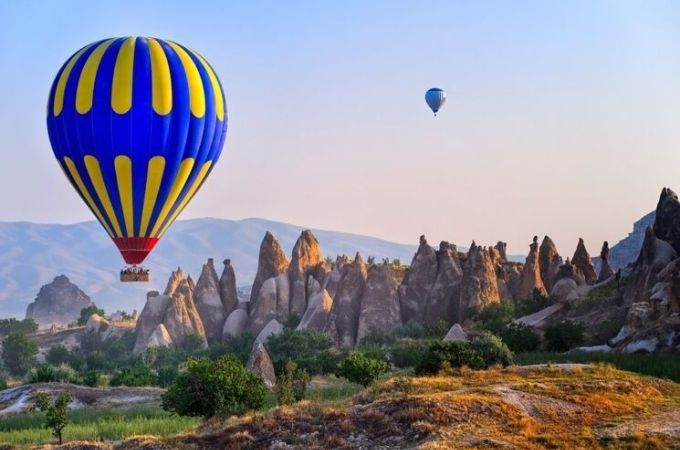
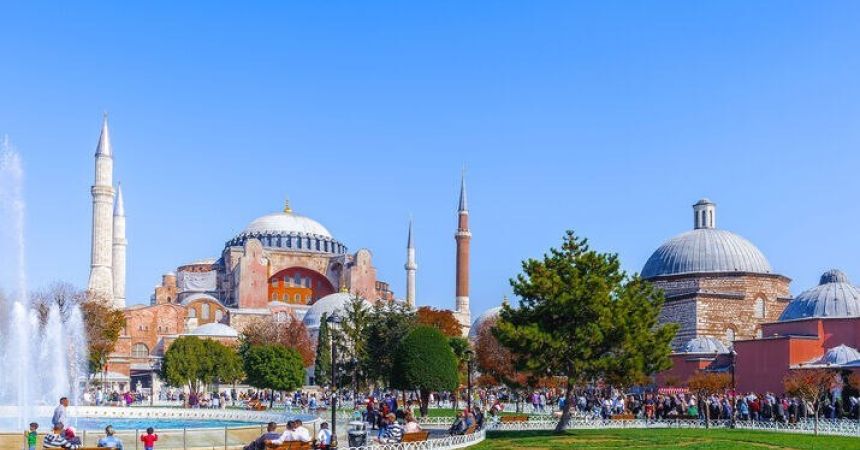
Ultimate Turkey Travel Guide 2026/2027 | Itinerary, Costs, Visa & Tips
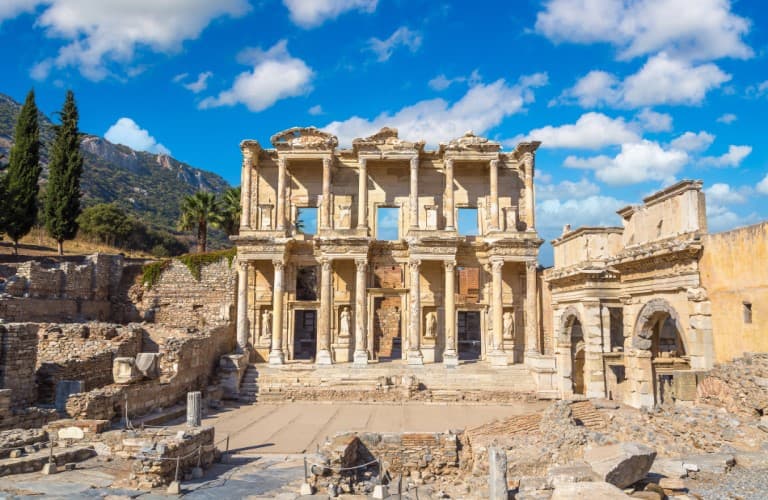

Total Turkey Trip Cost Breakdown (2026 & 2027)
One of the biggest advantages of traveling to Turkey is the exceptional value it offers. Whether you're a backpacker, a family on vacation, or a luxury traveler, Turkey provides experiences that often cost significantly less than comparable destinations in Western Europe while maintaining a high standard of hospitality.
Although prices naturally fluctuate with exchange rates, seasonality, and travel style, visitors generally find Turkey to be one of the most affordable countries for a well-rounded vacation that includes history, culture, nature, beaches, and world-class cuisine.
Estimated Daily Budget Per Person (2026 & 2027)
| Travel Style | Estimated Daily Budget |
|---|---|
| Budget Traveler | $90–150 USD |
| Mid-Range Traveler | $170–260 USD |
| Luxury Traveler | $350–500+ USD |
These estimates typically include accommodation, meals, local transportation, sightseeing, and incidental expenses. International airfare is not included.
Estimated Cost of Popular Turkey Itineraries
| Trip Length | Budget | Mid-Range | Luxury |
|---|---|---|---|
| 5 Days | $600–900 | $1,100–1,500 | $2,500+ |
| 7 Days | $800–1,100 | $1,600–2,300 | $3,500+ |
| 10 Days | $1,200–1,700 | $2,100–3,000 | $4,900+ |
| 14 Days | $1,700–2,500 | $3,200–4,500 | $7,500+ |
Traveling during spring or autumn often provides the best balance between comfortable weather and reasonable prices.
Average Accommodation Costs
Turkey offers an impressive range of accommodations, from charming boutique hotels and cave hotels to internationally recognized luxury resorts.
| Hotel Category | Average Nightly Rate |
|---|---|
| Hostel | $40–60 |
| Budget Hotel | $65–90 |
| Boutique Hotel | $120–180 |
| 4-Star Hotel | $150–250 |
| Luxury Hotel | $350–600+ |
Unique accommodations such as Cappadocia's cave hotels or restored Ottoman mansions in Istanbul may cost slightly more, but they often become highlights of the trip.
Transportation Costs
Getting around Turkey is surprisingly easy thanks to its extensive transportation network.
Average transportation costs include:
- Istanbul public transportation: $1–2 per ride
- Domestic flight: $90–150
- High-speed train: $15–50
- Long-distance bus: $50–70
- Airport transfers: $60–80
Domestic flights are particularly useful for travelers with limited time, allowing them to cover large distances efficiently.
Food & Dining Budget
Food is one of Turkey's greatest attractions, and eating well doesn't have to be expensive.
| Meal Type | Average Cost |
|---|---|
| Street Food | $3–8 |
| Casual Restaurant | $10–20 |
| Mid-Range Restaurant | $20–40 |
| Fine Dining | $50–100+ |
Sampling local specialties at family-owned restaurants often provides both the most authentic flavors and the best value.
Shopping Budget
Turkey is known for handcrafted goods, textiles, ceramics, spices, jewelry, and leather products.
Popular shopping destinations include:
- Grand Bazaar (Istanbul)
- Spice Bazaar
- Avanos pottery workshops
- Gaziantep copper markets
- İznik ceramics
- Local artisan boutiques
Bargaining remains common in traditional bazaars, although prices in shopping malls and branded stores are fixed.
Best Time to Visit Turkey
One of Turkey's greatest strengths is that it can be visited throughout the year. Each season offers a completely different experience depending on where you travel.
Instead of asking, "When is the best time to visit Turkey?" it's often more helpful to ask, "What kind of vacation am I looking for?"
Best Time to Visit Heatmap
| Destination / Activity | Spring | Summer | Autumn | Winter |
|---|---|---|---|---|
| Istanbul | 🟢 Excellent | 🟡 Good | 🟢 Excellent | 🟡 Good |
| Cappadocia | 🟢 Excellent | 🟢 Excellent | 🟢 Excellent | 🟢 Excellent |
| Mediterranean Beaches | 🟡 Good | 🟢 Excellent | 🟢 Excellent | 🔴 Limited |
| Aegean Coast | 🟢 Excellent | 🟢 Excellent | 🟢 Excellent | 🔴 Limited |
| Hiking | 🟢 Excellent | 🔴 Hot | 🟢 Excellent | 🟡 Moderate |
| Photography | 🟢 Excellent | 🟡 Good | 🟢 Excellent | 🟢 Excellent |
| Ski Resorts | 🔴 Closed | 🔴 Closed | 🟡 Early Season | 🟢 Excellent |
Monthly Travel Cost Trend (Approximate)
Travel prices vary significantly throughout the year. Peak summer months are generally the most expensive, while winter (excluding holiday periods) often offers the best deals.
| Month | Relative Cost |
|---|---|
| January | ███☆☆ Lowest |
| February | ███☆☆ Lowest |
| March | ████☆ Moderate |
| April | █████ Medium |
| May | ██████ High |
| June | ███████ Higher |
| July | █████████ Peak |
| August | █████████ Peak |
| September | ███████ High |
| October | ██████ Moderate |
| November | ████☆ Moderate |
| December | █████ Holiday Season |
Spring (March–May)
Spring is widely considered one of the best seasons to explore Turkey. Wildflowers bloom across Cappadocia, archaeological sites are comfortable to visit, and coastal towns begin welcoming visitors without the intense crowds of summer.
Ideal for:
- Sightseeing
- Photography
- Hiking
- Cultural tours
- City breaks
Summer (June–August)
Summer is beach season. The Mediterranean and Aegean coasts come alive with crystal-clear waters, sailing trips, beach clubs, and outdoor dining.
Temperatures can exceed 35°C (95°F) in many inland regions, making early morning sightseeing more comfortable.
Best destinations include:
- Antalya
- Bodrum
- Fethiye
- Marmaris
- Kaş
- Çeşme
Autumn (September–November)
Many experienced travelers consider autumn the perfect balance of pleasant weather, fewer crowds, and lower prices compared to peak summer.
Sea temperatures remain warm enough for swimming through October, while cities and historical sites become more comfortable to explore.
Winter (December–February)
Winter offers a completely different perspective on Turkey.
Travelers can experience:
- Snow-covered Cappadocia
- Ski resorts such as Uludağ and Erciyes
- Festive markets
- Lower hotel prices
- Fewer tourists at major attractions
Even during winter, southern coastal destinations often enjoy relatively mild temperatures.
Visa & Entry Requirements (2026–2027)
Turkey has one of the most visitor-friendly entry systems in the region. Many nationalities can enter visa-free, while others can conveniently apply online through the official e-Visa system before departure.
Because entry policies may change, travelers should always verify the latest requirements with the official Turkish government sources before booking their trip.
General Entry Requirements
Most visitors should have:
- A passport valid for at least six months beyond the date of arrival.
- Sufficient blank passport pages for entry and exit stamps (where applicable).
- Proof of onward or return travel if requested by immigration officials.
- Evidence of accommodation or travel plans, particularly for longer stays.
Depending on nationality, travelers may enter Turkey under one of the following categories:
| Entry Type | Typical Requirement |
|---|---|
| Visa-Free Entry | Eligible passport holders can enter without obtaining a visa in advance. |
| e-Visa | Apply online before departure using the official Turkish e-Visa portal. |
| Embassy/Consulate Visa | Required for nationalities not covered by visa-free entry or the e-Visa system. |
Passport Validity
As a general rule, your passport should remain valid for at least six months from your date of entry into Turkey. Travelers should also check whether their nationality has any additional documentation requirements.
Health & Entry Procedures
As of 2026, Turkey does not have special health-related entry procedures for most international travelers beyond standard border control requirements. However, regulations can change, so checking official government updates before departure is always recommended.
Currency, Cash & Card Usage
Turkey's official currency is the Turkish Lira (TRY).
Although credit and debit cards are widely accepted in hotels, restaurants, shopping malls, and larger businesses, carrying some cash is still advisable for:
- Small cafés
- Local markets
- Street food vendors
- Rural villages
- Public transportation in certain areas
Visa and Mastercard are accepted almost everywhere, while American Express may have more limited acceptance.
Exchange Rate Overview (2026)
Due to ongoing market fluctuations, the Turkish Lira may vary throughout the year. Rather than relying on a fixed exchange rate, travelers should check live rates before departure. Throughout much of 2026, the U.S. Dollar has generally traded within a broad range against the Turkish Lira, making Turkey an attractive destination for visitors paying in foreign currencies.
ATMs are widely available in cities, airports, shopping centers, and tourist destinations, and they typically accept international bank cards.
Getting Around Turkey
Turkey has one of the largest transportation networks in Europe and the Middle East, making it easy to travel between major cities and regions.
Domestic Flights
For travelers covering long distances—such as Istanbul to Cappadocia or Antalya to Izmir—domestic flights are often the fastest and most convenient option. Turkey's extensive airport network connects nearly every major tourist destination with frequent daily services.
Long-Distance Buses
Turkey's intercity bus system is modern, comfortable, and affordable. Coaches often include reclining seats, onboard refreshments, Wi-Fi (on many routes), and entertainment systems.
High-Speed Rail
The expanding high-speed rail network links several major cities, including Istanbul, Ankara, Eskişehir, and Konya, offering a comfortable alternative to road travel on select routes.
Bus vs. Domestic Flight
| Feature | Bus | Domestic Flight |
|---|---|---|
| Price | Lower | Moderate |
| Speed | Slower | Fastest |
| Comfort | High | Very High |
| Scenic Views | Excellent | Limited |
| Best For | Budget Travelers | Time-Saving Itineraries |
New Turkish Airlines & Pegasus Networks
Turkey's two largest carriers—Turkish Airlines and Pegasus Airlines—continue to expand their international and domestic networks, making access to the country's major tourism regions easier than ever.
Recent route additions and frequency increases have strengthened connections between Istanbul and key destinations across Europe, North America, the Middle East, Central Asia, and the Balkans. Domestically, both airlines maintain extensive schedules to cities such as Cappadocia (Nevşehir and Kayseri), Izmir, Antalya, Dalaman, Bodrum, Trabzon, Gaziantep, and Diyarbakır, providing travelers with greater flexibility when planning multi-city itineraries.
Booking Timeline
Planning ahead helps you secure better prices and greater availability, especially during peak travel periods.
| Travel Season | Recommended Booking Time |
|---|---|
| Spring | 3–5 months ahead |
| Summer | 4–6 months ahead |
| Autumn | 2–4 months ahead |
| Winter | 1–3 months ahead |
| Christmas & New Year | 6–8 months ahead |
Booking early is particularly important if you plan to stay in boutique cave hotels in Cappadocia, beachfront resorts on the Mediterranean coast, or wish to reserve a hot air balloon flight during high-demand seasons.
Turkish Food You Shouldn't Miss
One of the best ways to experience Turkey is through its food. Turkish cuisine reflects centuries of cultural influences from Central Asia, the Middle East, the Mediterranean, and the Balkans, resulting in one of the world's richest culinary traditions.
Every region has its own specialties, making food an essential part of any itinerary rather than just a daily necessity.
Must-Try Turkish Dishes
- Kebab varieties
- Meze platters
- Pide (Turkish flatbread)
- Lahmacun
- Mantı (Turkish dumplings)
- Fresh seafood
- İskender Kebab
- Gözleme
- Menemen
- Mercimek Soup
- Baklava
- Künefe
- Turkish Delight
- Simit
- Turkish Tea & Turkish Coffee
Don't hesitate to dine at locally owned restaurants. Many hidden neighborhood eateries serve recipes that have been passed down through generations and often provide a more authentic experience than tourist-focused establishments.
Vegetarian and Vegan Options
Turkey is surprisingly accommodating for vegetarian travelers.
Traditional cuisine includes a wide variety of meat-free dishes such as:
- Stuffed vegetables (Dolma)
- Lentil soup
- White beans
- Olive oil appetizers
- Grilled vegetables
- Fresh salads
- Cheese pastries
- Eggplant dishes
- Chickpea stews
In major cities like Istanbul, Izmir, Antalya, and Ankara, you'll also find numerous vegan cafés and international restaurants.
Is Turkey Safe to Visit?
Turkey welcomes millions of international visitors each year and remains one of the world's leading tourism destinations.
Popular tourist regions—including Istanbul, Cappadocia, Ephesus, Pamukkale, Antalya, Bodrum, Fethiye, and the Aegean Coast—are well-developed for international tourism and have extensive visitor services.
As with traveling anywhere in the world, practicing common-sense precautions will help ensure a smooth experience.
General Safety Tips
- Keep valuables secure in crowded places.
- Use licensed taxis or reputable ride-hailing services where available.
- Carry a copy of your passport separately from the original.
- Respect local customs, particularly at religious sites.
- Purchase comprehensive travel insurance before departure.
- Stay informed about local weather conditions if traveling during winter or hiking seasons.
Solo Travel in Turkey
Turkey is an excellent destination for solo travelers thanks to its welcoming culture, reliable transportation, and wide variety of accommodations.
Many visitors choose to travel independently while joining guided day tours for destinations such as Cappadocia, Ephesus, or Pamukkale. This offers flexibility while providing opportunities to meet fellow travelers.
Major cities also feature vibrant cafés, coworking spaces, museums, and walking tours that make solo exploration enjoyable and convenient.
Female Traveler Safety
Turkey is a popular destination for women traveling alone, and thousands of solo female travelers visit every year.
In tourist destinations, visitors generally find locals to be friendly and helpful. Dressing respectfully when visiting mosques or conservative neighborhoods is appreciated, while clothing in beach resorts is similar to other Mediterranean destinations.
Basic travel precautions—such as avoiding isolated areas late at night and using licensed transportation—remain advisable, just as they are anywhere else.
Family-Friendly Travel
Turkey is one of the most family-friendly destinations in the Mediterranean.
Children often receive a warm welcome, and many hotels, restaurants, and attractions are designed with families in mind.
Family favorites include:
- Hot air balloon viewing in Cappadocia
- Bosphorus cruises
- Ancient Roman ruins
- Beach resorts
- Water parks
- Boat excursions
- Underground cities
- Cable cars
- Aquariums
- Traditional Turkish ice cream demonstrations
Many museums also offer educational experiences suitable for children of different ages.
Language Barrier
The official language is Turkish, but English is commonly spoken in hotels, airports, restaurants, museums, and major tourist destinations.
Learning a few basic Turkish phrases can enhance your travel experience and is always appreciated by locals.
Useful expressions include:
- Merhaba (Hello)
- Teşekkür ederim (Thank you)
- Lütfen (Please)
- Evet (Yes)
- Hayır (No)
Translation apps also make communication easier in smaller towns.
Internet, Wi-Fi & SIM Cards
Staying connected while traveling in Turkey is simple.
Most hotels, cafés, restaurants, airports, and shopping centers provide free Wi-Fi. Mobile coverage is excellent throughout most of the country, including many rural tourist destinations.
Travelers have several options:
- Physical SIM cards
- eSIM services
- International roaming
- Portable Wi-Fi devices
If you're planning to stay connected throughout your trip, our Best Time to Visit Turkey travel guide also includes seasonal travel tips and planning advice that can help you choose the ideal time for your visit.
Tipping Culture
Tipping is appreciated but generally not mandatory.
Typical guidelines include:
| Service | Suggested Tip |
|---|---|
| Restaurants | 5–10% |
| Tour Guides | $10–20 per day |
| Drivers | $5–10 per day |
| Hotel Porters | $1–2 |
| Taxi Drivers | Round up the fare |
Exceptional service is often rewarded with a slightly higher gratuity.
Responsible Travel Tips
Responsible tourism helps preserve Turkey's natural beauty and cultural heritage for future generations.
Travelers are encouraged to:
- Support locally owned businesses.
- Respect historical monuments.
- Avoid touching ancient ruins.
- Reduce single-use plastics.
- Stay on marked hiking trails.
- Purchase authentic handmade products.
- Dress appropriately at religious sites.
- Follow local conservation guidelines.
Small choices can have a meaningful positive impact on local communities.
Plan Your Turkey Journey with Local Travel Experts
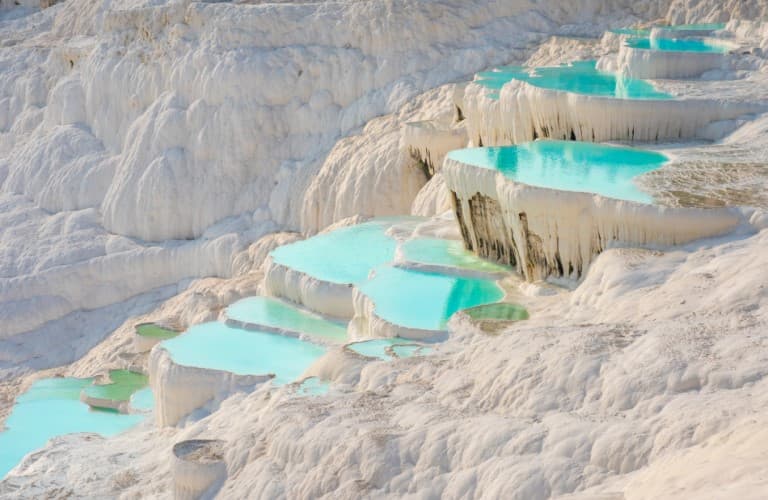
Planning a trip to Turkey can feel overwhelming, especially with so many incredible destinations to choose from. From the iconic skyline of Istanbul and the magical valleys of Cappadocia to the ancient ruins of Ephesus and the turquoise waters of the Mediterranean, creating the right itinerary requires thoughtful planning.
At Magnificent Travel, we've specialized in creating unforgettable journeys throughout Turkey for more than two decades. As a locally based tour operator, we combine first-hand destination knowledge with carefully selected hotels, licensed professional guides, reliable transportation, and personalized service to deliver seamless travel experiences.
Whether you're interested in a classic highlights itinerary, a luxury vacation, a private cultural tour, or a customized multi-country journey that includes Greece, Egypt, Jordan, or Morocco, our experienced team can help design a trip tailored to your travel style and schedule.
If you're looking for a hassle-free way to explore the country's most iconic attractions, browse our Turkey Package Tours for expertly planned itineraries that include accommodations, guided sightseeing, airport transfers, and domestic transportation. Travelers seeking greater flexibility can also discover our Private Turkey Tours, offering personalized experiences with private guides and customized schedules.
Our goal is simple: to help you experience the very best of Turkey with confidence, comfort, and authentic local insight.
Frequently Asked Questions
How much does a Turkey trip cost in 2026 or 2027?
The cost of traveling in Turkey depends on your itinerary, accommodation, and travel style. Budget travelers typically spend around $60–90 per day, while mid-range vacations average $120–220 daily. Luxury experiences with premium hotels, private transportation, and guided tours can exceed $300 per day, excluding international airfare.
Is Turkey safe for solo travelers?
Yes. Turkey is generally considered a safe destination for solo travelers, particularly in well-established tourist areas such as Istanbul, Cappadocia, Antalya, and the Aegean Coast. Staying aware of your surroundings, using licensed transportation, and following normal travel precautions will help ensure a safe and enjoyable journey.
What are the best months to visit Turkey?
April, May, September, and October are widely regarded as the best months to visit Turkey. These seasons offer pleasant temperatures, fewer crowds than peak summer, and ideal conditions for sightseeing, hiking, photography, and exploring historical attractions across multiple regions of the country.
Do I need a visa to visit Turkey?
Visa requirements depend on your nationality. Many travelers can enter Turkey without a visa, while others may need to apply through the official e-Visa system before departure. Always verify the latest entry requirements using official Turkish government resources before making travel arrangements.
Turkey vs. Greece: Which destination is better?
Turkey and Greece each offer exceptional travel experiences. Greece is known for its islands and relaxed coastal lifestyle, while Turkey provides greater geographical diversity, larger archaeological sites, richer cultural variety, and often better overall value for travelers seeking a comprehensive vacation.
Can I use credit cards throughout Turkey?
Yes. Credit and debit cards are widely accepted in hotels, restaurants, shopping malls, and most tourist businesses. However, carrying some Turkish Lira is recommended for local markets, smaller cafés, taxis, and rural areas where cash payments remain more common.
Is there a language barrier in Turkey?
English is commonly spoken in hotels, airports, museums, restaurants, and popular tourist destinations. In smaller towns, communication may be more limited, but translation apps and basic Turkish phrases usually make interactions easy and enjoyable for international visitors.
Is it okay to travel during Ramadan?
Absolutely. Traveling during Ramadan offers a unique cultural experience, with festive evenings, traditional foods, and community celebrations. While some local businesses may adjust their operating hours, major tourist attractions, hotels, restaurants, and transportation services continue operating normally.
Is Turkey safe for female travelers?
Turkey is generally considered safe for female travelers visiting established tourist destinations. Dressing respectfully at religious sites, using licensed transportation, and following standard travel safety practices will contribute to a comfortable and enjoyable travel experience throughout the country.
Are vegetarian food options easy to find?
Yes. Turkish cuisine offers numerous vegetarian dishes, including lentil soup, stuffed vegetables, olive oil specialties, fresh salads, pastries, beans, and seasonal vegetable meals. Larger cities also feature an increasing number of vegan restaurants and international dining options.
Should I travel by bus or domestic flight?
Domestic flights are ideal for covering long distances quickly, especially between Istanbul, Cappadocia, Antalya, and Izmir. Long-distance buses are comfortable, affordable, and well-equipped, making them an excellent choice for travelers with flexible schedules or smaller budgets.
Is tipping expected in Turkey?
Tipping is appreciated rather than mandatory. Leaving around 5–10% in restaurants is common, while tour guides and drivers are often tipped according to the quality and duration of the service. Small gratuities are also customary for hotel staff and porters.
Will I have reliable internet access?
Yes. Most hotels, cafés, restaurants, airports, and shopping centers provide complimentary Wi-Fi. Travelers can also purchase local SIM cards or activate an eSIM for affordable mobile data throughout Turkey, ensuring reliable internet access during most of their trip.
Is Turkey a good destination for families?
Turkey is an excellent destination for families thanks to its welcoming culture, diverse attractions, family-friendly hotels, beaches, museums, boat tours, and outdoor activities. Many destinations also offer educational experiences that children and adults can enjoy together throughout the trip.
How far in advance should I book my Turkey trip?
Booking three to six months before departure is recommended for spring and summer travel, especially if you plan to stay in boutique hotels or take a Cappadocia hot air balloon ride. Holiday periods and popular destinations tend to sell out much earlier.

A travel professional specializing in tailor-made travel planning, guest experience management, and multi-destination tourism operations.
With over 23 years of experience in the travel industry, he designs and manages private and cultural tours for international travelers across Türkiye, Greece, Egypt, Jordan, Morocco, and other destinations.
He has strong expertise in both online and face-to-face guest communication, sales processes, and end-to-end travel operations.
Working closely with hotels, travel agencies, and local partners, he ensures smooth coordination and high-quality travel experiences at every stage of the journey.
His focus is on delivering personalized, reliable, and seamless travel experiences for international guests worldwide.