The Best Time to Visit Turkey (2026/2027): A Complete Month-by-Month Guide
Choosing the best time to visit Turkey isn't as straightforward as picking a single season. Unlike many countries with relatively consistent weather, Turkey spans two continents and features an extraordinary range of landscapes—from Mediterranean beaches and snow-capped mountains to high plateaus, fertile valleys, and bustling cosmopolitan cities. The climate can vary dramatically depending on where you go and when you travel.
A sunny afternoon in Antalya doesn't necessarily mean pleasant hiking weather in Cappadocia, and while Istanbul may be enjoying colorful autumn days, parts of Eastern Anatolia could already be covered in snow. That's exactly what makes Turkey such an exciting year-round destination. Every season reveals a different side of the country, offering unique experiences for beach lovers, photographers, food enthusiasts, hikers, and history buffs alike.
Rather than asking, "When is the best time to visit Turkey?", a better question is, "What kind of trip do I want to have?"
If you're dreaming of turquoise beaches and sailing holidays, summer is ideal. If ancient ruins, pleasant temperatures, and smaller crowds sound more appealing, spring or autumn may be perfect. Winter, meanwhile, transforms parts of Turkey into a snowy wonderland while offering excellent value for travelers seeking fewer crowds.
This guide explores Turkey month by month, compares regional climates, highlights seasonal activities, and helps you choose the perfect time to visit based on your travel style, budget, and interests.
Why Timing Matters More Than You Think
Turkey covers more than 780,000 square kilometers (300,000 square miles), making it one of the largest countries in Europe and the Middle East. Because of its geography, weather conditions can vary significantly—even on the same day.
For example:
- You might swim in the Mediterranean while people are skiing in central Turkey.
- Cappadocia may have perfect balloon conditions while Istanbul experiences rain.
- The Aegean Coast could still be warm enough for beach holidays long after summer has ended.
Planning your trip around your preferred activities—not just average temperatures—can make a remarkable difference to your overall experience.
Travel timing also affects:
- Accommodation prices
- Domestic flight availability
- Crowd levels
- Photography conditions
- Festival schedules
- Hot air balloon success rates
- Beach temperatures
Understanding these seasonal differences allows you to build an itinerary that feels balanced rather than rushed.
Understanding Turkey's Climate
Although Turkey is often associated with Mediterranean sunshine, the country actually features several distinct climate zones.
Each region has its own weather patterns, creating different travel experiences throughout the year.
Mediterranean Climate
Found along:
- Antalya
- Kaş
- Kalkan
- Fethiye
- Alanya
- Side
Characteristics:
- Hot summers
- Mild winters
- Long beach season
- Low winter snowfall
Perfect for:
- Swimming
- Sailing
- Beach vacations
Aegean Climate
Covering destinations such as:
- Izmir
- Kuşadası
- Bodrum
- Çeşme
- Alaçatı
Characteristics:
- Warm summers
- Pleasant springs
- Comfortable autumns
- Lower humidity than the Mediterranean
Ideal for:
- Historical sightseeing
- Boutique hotels
- Coastal road trips
Central Anatolia
Including:
- Cappadocia
- Konya
- Ankara
Characteristics:
- Four distinct seasons
- Cold winters
- Warm, dry summers
- Large temperature differences between day and night
This region is especially popular for:
- Balloon flights
- Hiking
- Cave hotels
- Winter photography
Southeastern Anatolia (GAP)
Including:
- Gaziantep
- Şanlıurfa
- Mardin
- Diyarbakır
Characteristics:
- Hot summers
- Mild winters
- Low rainfall
Best suited for:
- Cultural travel
- Gastronomy
- Archaeology
- Photography
Spring and autumn are generally the most comfortable seasons for exploring this fascinating region.
Weather by Month
Each month offers a different perspective on Turkey. While temperatures vary across regions, the table below provides a general overview to help you decide when to travel.
| Month | Weather | Crowds | Best For |
|---|---|---|---|
| January | Cold | Low | Skiing, Museums |
| February | Cool | Low | Winter Landscapes |
| March | Mild | Moderate | City Breaks |
| April | Pleasant | Medium | Sightseeing, Tulips |
| May | Warm | Medium | Almost Everything |
| June | Hot | High | Beaches, Cruises |
| July | Very Hot | Peak | Coastal Holidays |
| August | Very Hot | Peak | Resorts, Sailing |
| September | Warm | High | Beaches & Culture |
| October | Mild | Medium | Photography, Hiking |
| November | Cool | Low | Historical Sites |
| December | Cold | Low | Christmas Markets, Winter Travel |
For many travelers, April, May, September, and October offer the best balance of comfortable temperatures, manageable crowds, and excellent sightseeing conditions.
Best Time for Different Travel Experiences
No single month is perfect for every type of vacation. Instead, the ideal time depends on what you want to experience.
Best Time for Hot Air Balloons
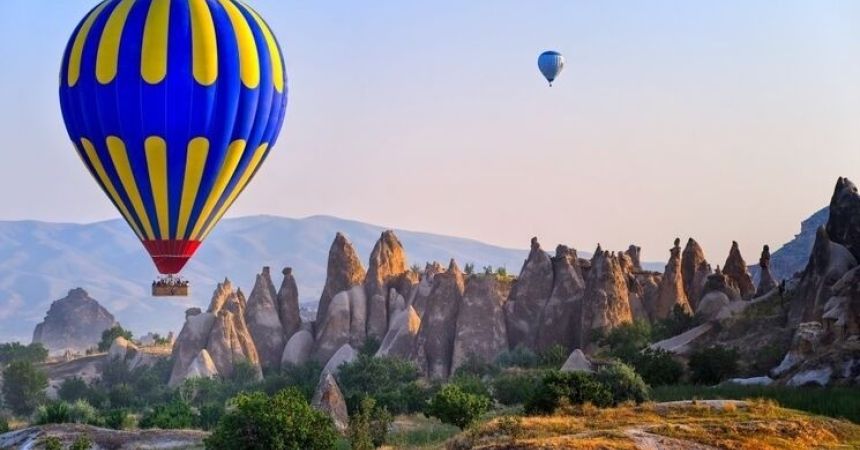
Cappadocia welcomes visitors throughout the year, but weather conditions have a direct impact on balloon flights.
Recommended Months
- April
- May
- June
- September
- October
These months typically offer:
- Stable weather
- Comfortable temperatures
- Excellent visibility
- Higher flight success rates
Winter flights can also be spectacular when snow covers the valleys, although weather-related cancellations become more common.
Best Time for Beach Holidays
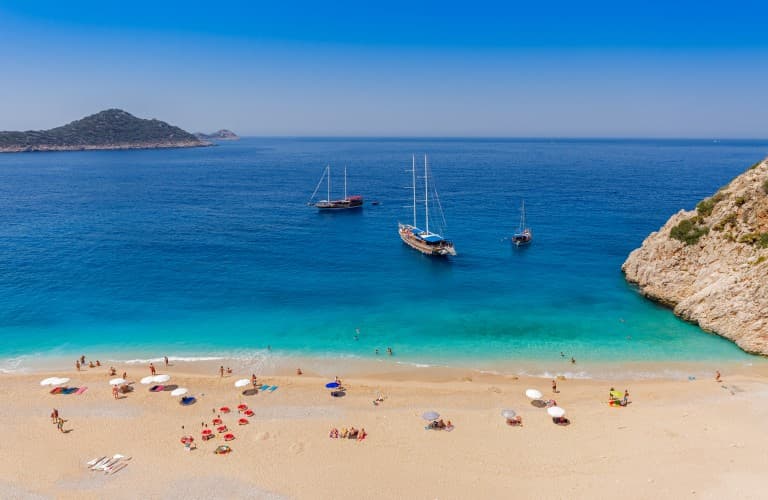
Turkey's coastline stretches for thousands of kilometers, offering everything from lively beach resorts to secluded coves.
Best Months
- June
- July
- August
- Early September
Perfect destinations include:
- Antalya
- Bodrum
- Kaş
- Fethiye
- Marmaris
- Çeşme
Travelers looking for warm sea temperatures without peak-season crowds often prefer September.
Best Time for Cultural Travel
If your itinerary focuses on museums, archaeological sites, and historic cities, spring and autumn provide the most enjoyable conditions.
Ideal months include:
- April
- May
- October
These seasons offer:
- Pleasant walking temperatures
- Smaller crowds
- Better photography light
- Comfortable outdoor dining
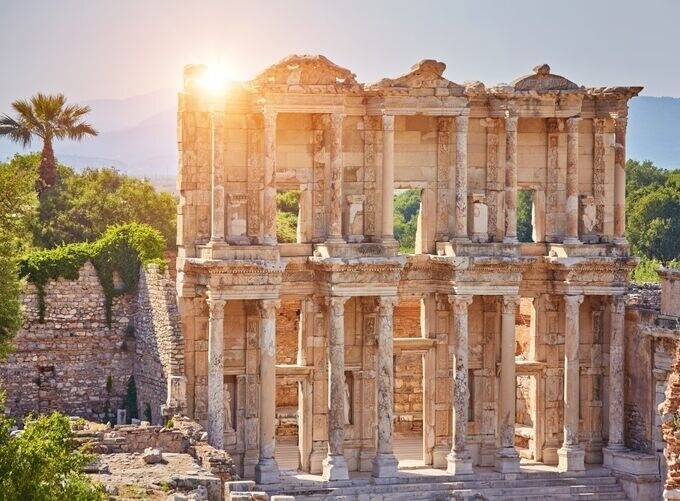
Exploring Ephesus, Troy, Göbeklitepe, or Istanbul's Historic Peninsula is far more enjoyable when daytime temperatures remain moderate.
Best Month by Region
Turkey's regional diversity means there is always somewhere enjoying ideal weather.
Aegean Region
Best Months
May, June, September, October
Why visit then?
- Pleasant temperatures
- Warm sea
- Excellent sightseeing
- Fewer crowds than July and August
Popular destinations include:
- Izmir
- Kuşadası
- Alaçatı
- Bodrum
- Çeşme
Mediterranean Region
Best Months
June through September
These months offer:
- Crystal-clear water
- Long sunny days
- Beach clubs
- Boat tours
- Sailing holidays
For travelers who prefer quieter beaches, late September is often considered the perfect compromise.
Central Anatolia
Best Months
April, May, September, October
These months provide ideal conditions for:
- Balloon flights
- Hiking
- Outdoor photography
- Exploring valleys
- Cave hotel stays
Winter also creates magical snow-covered landscapes, making December through February a favorite among photographers.
Southeastern Anatolia (GAP)
Best Months
March, April, October, November
These cooler months make exploring cities such as Gaziantep, Şanlıurfa, and Mardin much more comfortable.
Visitors can enjoy:
- Historical architecture
- Culinary experiences
- Archaeological sites
- Local markets
- Cultural festivals
Avoiding midsummer is recommended, as daytime temperatures frequently exceed 40°C (104°F).
Which Season Offers the Best Overall Experience?
If you're looking for one simple recommendation, late spring and early autumn remain the best times to visit Turkey.
During these months you'll enjoy:
- Comfortable temperatures across most regions.
- Lower humidity than midsummer.
- Excellent conditions for sightseeing.
- Beautiful natural scenery.
- Better photography light.
- More comfortable hiking.
- Fewer crowds than peak summer.
It's also easier to combine multiple destinations within one itinerary because weather conditions remain pleasant almost everywhere in the country.
Start Your Turkey Adventure at the Right Time
Choosing the right season is the first step toward creating an unforgettable journey. Whether you're planning to wander through Istanbul's historic streets, watch sunrise balloons over Cappadocia, or relax along the turquoise Mediterranean coast, traveling at the right time makes every experience even more rewarding.
Our Turkey Vacation Packages are designed around seasonal travel patterns, helping you enjoy each destination at its very best while avoiding unnecessary travel stress and making the most of your time in Turkey.
Peak Season vs. Shoulder Season: Which Offers Better Value?
One of the biggest decisions you'll make when planning a trip to Turkey isn't just where to go—it's when to go. The difference between traveling in July and traveling in May can affect everything from hotel prices and crowd levels to photography conditions and restaurant availability.
Peak season brings long sunny days, vibrant coastal towns, and a lively atmosphere, while the shoulder seasons often provide a more balanced experience with comfortable temperatures, fewer tourists, and better overall value.
For many experienced travelers, the "best" time to visit isn't necessarily the busiest time.
Peak Season (June–August)
Summer is Turkey's busiest tourism season, especially along the Mediterranean and Aegean coasts.
Popular destinations such as Antalya, Bodrum, Marmaris, Fethiye, and Çeşme are filled with beachgoers, sailing enthusiasts, and international visitors enjoying long days of sunshine.
Advantages
- Perfect beach weather
- Warm sea temperatures
- Boat tours operating daily
- Vibrant nightlife
- Long daylight hours
- Full schedule of festivals and events
Things to Consider
- Higher hotel prices
- Popular attractions become crowded
- Domestic flights sell out earlier
- Afternoon temperatures can exceed 35–40°C (95–104°F) in many regions
Peak season is ideal if your priority is a beach holiday or sailing vacation.
Shoulder Season (April–May & September–October)
For many travelers, these months offer the best overall travel experience.
The weather is pleasant across much of the country, historical sites are easier to explore, and accommodation prices are generally lower than during midsummer.
Why Travelers Love Shoulder Season
- Comfortable sightseeing temperatures
- Better hotel availability
- Smaller crowds
- Beautiful natural scenery
- Excellent hiking conditions
- Great photography light
- Higher value for money
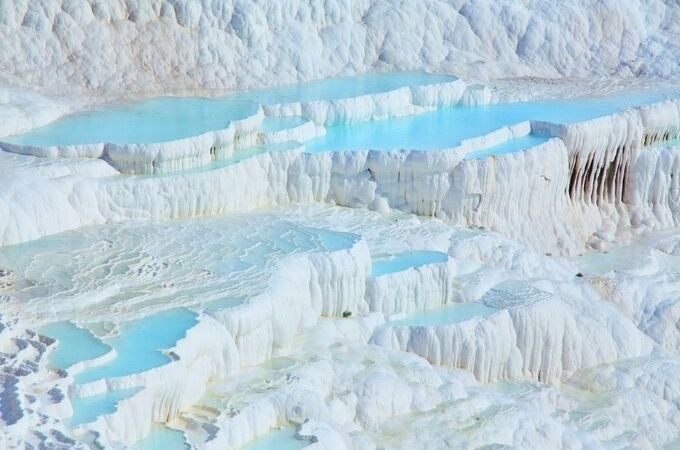
It's also the perfect season for combining multiple regions such as Istanbul, Cappadocia, Ephesus, and Pamukkale in one itinerary.
Low Season (November–March)
Winter reveals a quieter, more authentic side of Turkey.
Although beach destinations become less active, cities like Istanbul, Cappadocia, Gaziantep, and Konya remain rewarding destinations.
Advantages include:
- Lower hotel rates
- Fewer tourists
- Easier museum visits
- Snow-covered Cappadocia
- Cozy cafés and traditional restaurants
Travelers interested in photography often find winter surprisingly rewarding, particularly after snowfall in Cappadocia.
Peak vs. Shoulder Season Cost Comparison
Prices naturally fluctuate depending on demand, but the table below provides a useful comparison.
| Category | Shoulder Season | Peak Season |
|---|---|---|
| Hotels | ⭐⭐⭐⭐⭐ Value | ⭐⭐ Limited Deals |
| Domestic Flights | Moderate | Highest Prices |
| Tourist Crowds | Comfortable | Heavy |
| Restaurant Reservations | Easy | Recommended |
| Beach Weather | Good | Excellent |
| Historical Sites | Excellent | Hot & Crowded |
| Photography | Excellent | Good |
If flexibility is important, shoulder season often delivers the best overall experience.
Monthly Travel Price Index
Travel costs vary throughout the year based on demand. While this isn't an exact pricing chart, it provides a useful comparison of average tourism costs across the seasons.
| Month | Relative Travel Cost |
|---|---|
| January | ███☆☆ Lowest |
| February | ███☆☆ Lowest |
| March | ████☆ Moderate |
| April | █████ Medium |
| May | ██████ High |
| June | ███████ Higher |
| July | █████████ Peak |
| August | █████████ Peak |
| September | ███████ High |
| October | ██████ Moderate |
| November | ████☆ Moderate |
| December | █████ Holiday Period |
Money-Saving Tip: If your travel dates are flexible, visiting in late April, May, late September, or October often provides an excellent combination of favorable weather and reasonable prices.
Monthly Temperature & Rainfall Overview
Because Turkey spans several climate zones, weather varies considerably by region. The table below reflects general conditions across the country's main tourist destinations.
| Month | Avg. Temp. | Rainfall | Travel Rating |
|---|---|---|---|
| January | 5–10°C | High | ⭐⭐⭐ |
| February | 6–11°C | Moderate | ⭐⭐⭐ |
| March | 10–16°C | Moderate | ⭐⭐⭐⭐ |
| April | 15–22°C | Moderate | ⭐⭐⭐⭐⭐ |
| May | 20–27°C | Low | ⭐⭐⭐⭐⭐ |
| June | 25–32°C | Very Low | ⭐⭐⭐⭐ |
| July | 30–38°C | Minimal | ⭐⭐⭐ |
| August | 30–39°C | Minimal | ⭐⭐⭐ |
| September | 24–31°C | Low | ⭐⭐⭐⭐⭐ |
| October | 18–26°C | Moderate | ⭐⭐⭐⭐⭐ |
| November | 12–19°C | Moderate | ⭐⭐⭐⭐ |
| December | 7–13°C | High | ⭐⭐⭐ |
Suggested Visual: 12-Month Temperature & Rainfall Chart
A combined line-and-bar chart works particularly well for illustrating Turkey's seasonal weather patterns.
Line: Average monthly temperature
Bars: Average monthly rainfall
This makes it easy for readers to identify the warmest, coolest, driest, and wettest periods at a glance.
Festival Calendar (2026)
Turkey's calendar is filled with cultural, artistic, and sporting events that offer visitors a deeper connection to local traditions. If your travel dates are flexible, planning around one of these festivals can make your trip even more memorable.
| Festival | Approximate Time | Location |
|---|---|---|
| Istanbul Tulip Festival | April | Istanbul |
| International Manisa Mesir Festival | April | Manisa |
| International Orange Blossom Carnival | April | Adana |
| Cappadox Festival* | Spring or Autumn (dates vary) | Cappadocia |
| Aspendos Opera & Ballet Festival | June–July | Antalya |
| International Bodrum Ballet Festival | August | Bodrum |
| International İzmir Fair | Late August–September | İzmir |
| Istanbul Coffee Festival | September | Istanbul |
| Bozcaada Vintage Festival | September | Bozcaada |
| Istanbul Marathon | November | Istanbul |
*Festival schedules may vary each year. Check official event websites closer to your travel dates for confirmed 2026 programs.
Ramadan Calendar (2026–2028)
Ramadan is one of the most significant periods in the Islamic calendar. While tourism continues normally throughout Turkey, visitors may notice changes in local routines, evening celebrations, and dining habits.
| Year | Approximate Ramadan Period* |
|---|---|
| 2026 | Around February 17 – March 18 |
| 2027 | Around February 7 – March 8 |
| 2028 | Around January 27 – February 25 |
*Dates are based on the lunar calendar and may vary slightly depending on official moon sightings.
What Travelers Can Expect
During Ramadan:
- Museums and major attractions remain open.
- Hotels operate normally.
- Public transportation continues as usual.
- Tourist restaurants remain open.
- Local restaurants may become busier after sunset.
- Parks and public squares often host festive evening gatherings.
For many visitors, Ramadan offers a unique opportunity to experience Turkish hospitality and cultural traditions.
Seasonal Travel Recommendations by Region
Choosing the right destination for the season can dramatically improve your overall experience.
Spring
Perfect for:
- Istanbul
- Cappadocia
- Ephesus
- Pamukkale
- Southeastern Anatolia
Ideal activities:
- Walking tours
- Archaeological sites
- Photography
- Hiking
- Cultural festivals
Summer
Best destinations:
- Antalya
- Bodrum
- Kaş
- Fethiye
- Marmaris
- Çeşme
Ideal activities:
- Swimming
- Sailing
- Beach clubs
- Boat trips
- Diving
Autumn
Excellent for combining regions.
Recommended itinerary:
- Istanbul
- Cappadocia
- Pamukkale
- Ephesus
- Antalya
This season offers warm days, beautiful evening light, and significantly fewer crowds than July or August.
Winter
Perfect destinations include:
- Cappadocia
- Istanbul
- Uludağ
- Erciyes
- Gaziantep
Winter travelers enjoy:
- Snow-covered fairy chimneys
- Ski resorts
- Lower hotel prices
- Cozy cafés
- Seasonal cuisine
- Peaceful historical attractions
Travel Smarter with Seasonal Expertise
Timing your visit correctly can completely change the way you experience Turkey. The same destination often feels entirely different in spring than it does in midsummer or winter.
Our Private Turkey Tours are designed around regional weather patterns and seasonal highlights, helping travelers experience each destination when it's at its absolute best. Whether you're planning a photography adventure, a cultural journey, or a beach holiday, choosing the right season allows you to enjoy more comfortable weather, fewer crowds, and unforgettable experiences.
Which Month Fits Your Travel Style?
There's no universal "best" month to visit Turkey because every traveler experiences the country differently. A photographer chasing golden autumn light has very different priorities from a family planning a beach holiday or a couple celebrating a honeymoon.
Instead of focusing only on temperatures, think about the type of memories you'd like to create. Turkey changes dramatically throughout the year, and every season offers something unique.
Best Months for Couples
Turkey has long been one of the Mediterranean's most romantic destinations, offering everything from boutique cave hotels and rooftop dinners to private yacht cruises and coastal sunsets.
Recommended Months
- May
- June
- September
- October
Why these months?
- Comfortable daytime temperatures
- Beautiful sunsets
- Less crowded attractions
- Romantic outdoor dining
- Excellent conditions for boutique hotels
Couples visiting during spring or autumn often enjoy a more relaxed atmosphere while still experiencing ideal weather across multiple regions.
Best Months for Families
Families typically benefit from traveling when the weather is comfortable but destinations aren't at their busiest.
Recommended Months
- April
- May
- June
- September
Advantages include:
- Pleasant sightseeing temperatures
- Lower accommodation demand
- Shorter queues at attractions
- Comfortable beach weather
- Easier transportation
Children generally enjoy Istanbul's ferry rides, Cappadocia's fairy chimneys, and the relaxed pace of the Aegean Coast during these seasons.
Best Months for Solo Travelers
Solo travelers often prefer seasons that balance affordability with opportunities to meet other visitors.
Best Choices
- April
- May
- October
These months provide:
- Active tourism
- Comfortable hostels and boutique hotels
- Excellent walking weather
- Group tours operating daily
- Plenty of social opportunities
Best Months for Photographers
Turkey is one of the world's most rewarding photography destinations, but timing makes an enormous difference.
Spring
Perfect for:
- Wildflowers
- Green landscapes
- Tulips
- Mild weather
Autumn
Ideal for:
- Warm evening light
- Golden vineyards
- Fewer crowds
- Rich seasonal colors
Winter
Excellent for:
- Snow-covered Cappadocia
- Empty historical sites
- Dramatic cityscapes
- Atmospheric street photography
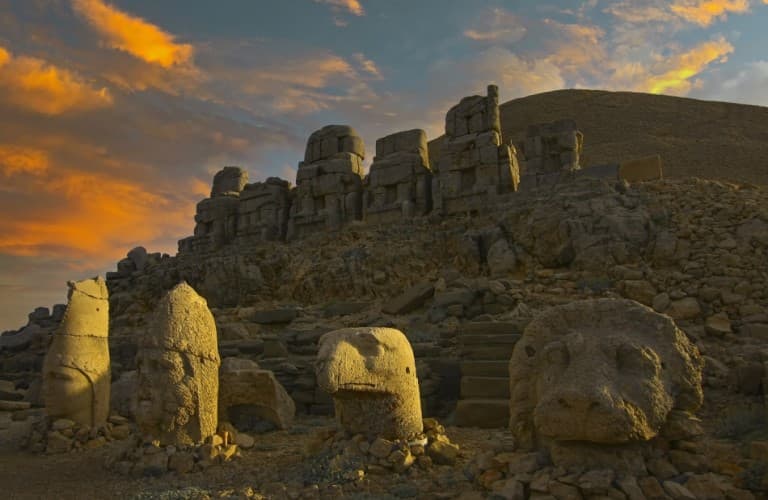
Photographers often consider October one of Turkey's most beautiful months because the softer sunlight creates exceptional conditions throughout the country.
Best Months for Nature Lovers
Turkey's incredible geographical diversity makes it a paradise for outdoor enthusiasts.
Recommended periods include:
- April
- May
- September
- October
Activities include:
- Hiking in Cappadocia
- Lycian Way trekking
- Black Sea mountain villages
- Butterfly Valley
- Saklıkent Gorge
- National parks
These months provide pleasant temperatures without the intense summer heat.
Quick Seasonal Recommendations
If you're still unsure when to visit, the table below provides a simple overview.
| Travel Interest | Best Months |
|---|---|
| Sightseeing | April, May, October |
| Beach Holidays | June, July, August, September |
| Hot Air Balloons | April, May, September, October |
| Photography | April, October, December |
| Hiking | April, May, September |
| Food Tours | October, November |
| Honeymoon | May, June, September |
| Family Vacation | May, June, September |
| Lowest Prices | January, February, November |
Seasonal Packing Tips
Packing for Turkey depends greatly on the regions and months you'll be visiting. Even during the same trip, temperatures can vary considerably between Istanbul, Cappadocia, and the Mediterranean coast.
Spring & Autumn
Bring:
- Light jacket
- Comfortable walking shoes
- Layers
- Sunglasses
- Light rain jacket
Summer
Pack:
- Breathable clothing
- Hat
- Sunscreen
- Reusable water bottle
- Swimsuit
- Sandals
Winter
Don't forget:
- Warm coat
- Waterproof shoes
- Gloves
- Thermal layers
- Scarf
Visitors traveling across multiple regions should always pack a few extra layers, particularly when visiting Cappadocia, where mornings and evenings can be much cooler than daytime temperatures.
Travel Through Turkey with Local Expertise
Choosing the right season is only one part of planning a memorable trip. Knowing how to combine destinations, avoid unnecessary travel time, and match each region with the best weather can make a remarkable difference to your overall experience.
At Magnificent Travel, we've been helping international travelers explore Türkiye for more than two decades through thoughtfully designed itineraries that reflect local knowledge rather than generic travel schedules.
Because we're based in Turkey, we understand how the seasons affect every destination—from the best months for Cappadocia balloon flights and Mediterranean beach holidays to the ideal time for exploring Istanbul's historic neighborhoods or photographing autumn landscapes in Central Anatolia.
Whether you're planning your first visit or returning to discover new regions, our travel specialists create journeys that combine carefully selected hotels, licensed local guides, efficient transportation, and authentic experiences tailored to your interests.
If you're looking for a stress-free way to explore the country, our Turkey Vacation Packages offer professionally designed itineraries that maximize sightseeing while keeping travel comfortable and efficient. Travelers who prefer complete flexibility can also discover our Private Turkey Tours, where every detail is customized around your preferred pace, destinations, and travel style.
If you're still deciding how to organize your route, our Turkey in 10 Days Itinerary provides a practical day-by-day guide covering many of the country's most iconic destinations.
Frequently Asked Questions
What is the best month to visit Cappadocia?
April, May, September, and October are widely considered the best months to visit Cappadocia. These seasons typically offer comfortable temperatures, beautiful hiking conditions, and a higher likelihood of successful hot air balloon flights due to more stable weather patterns.
When is the best time for a beach holiday in Turkey?
June through September offers the warmest sea temperatures along the Mediterranean and Aegean coasts. Travelers seeking quieter beaches often prefer September, when the water remains warm but many summer crowds have already disappeared.
What is the cheapest month to visit Turkey?
January and February generally offer the lowest hotel prices outside holiday periods. November is another excellent value month, particularly for travelers interested in cultural sightseeing rather than beach vacations.
When is Ramadan in 2026, 2027, and 2028?
Ramadan is expected to take place approximately from February 17 to March 18 in 2026, February 7 to March 8 in 2027, and January 27 to February 25 in 2028. As dates follow the lunar calendar, slight variations are possible.
What is the best season for Cappadocia balloon flights?
Spring and early autumn usually provide the most reliable flying conditions. April, May, September, and October combine mild temperatures with generally favorable weather, although flights always depend on daily aviation safety conditions.
Does Turkey have a rainy season?
Rainfall varies considerably by region. Istanbul and the Black Sea receive more precipitation throughout the year, while the Mediterranean and Central Anatolia remain relatively dry during summer. Winter generally brings the highest rainfall to western Turkey.
Does it snow in Cappadocia?
Yes. Snowfall is common between December and February, transforming Cappadocia into one of Turkey's most picturesque winter destinations. Balloon flights continue whenever weather conditions permit, creating spectacular photography opportunities above snow-covered valleys.
Is Istanbul too hot during summer?
July and August can be quite warm, with daytime temperatures often exceeding 30°C (86°F) and occasional humidity. Morning sightseeing, Bosphorus cruises, and evening walks are popular ways to enjoy the city during the hottest months.
When can I see autumn colors in Turkey?
October and early November are excellent for autumn scenery, particularly in Cappadocia, the Black Sea region, Yedigöller National Park, and vineyards across Central Anatolia. Cooler temperatures also make hiking and photography especially enjoyable.
When is tulip season in Istanbul?
Tulip season usually peaks throughout April, when millions of flowers bloom in parks including Emirgan Park, Gülhane Park, Sultanahmet Square, and Yıldız Park. The annual Istanbul Tulip Festival makes spring one of the city's most colorful seasons.

A travel professional specializing in tailor-made travel planning, guest experience management, and multi-destination tourism operations.
With over 23 years of experience in the travel industry, he designs and manages private and cultural tours for international travelers across Türkiye, Greece, Egypt, Jordan, Morocco, and other destinations.
He has strong expertise in both online and face-to-face guest communication, sales processes, and end-to-end travel operations.
Working closely with hotels, travel agencies, and local partners, he ensures smooth coordination and high-quality travel experiences at every stage of the journey.
His focus is on delivering personalized, reliable, and seamless travel experiences for international guests worldwide.