Turkey in January: One Country, Several Winters
Last Updated: August 8, 2026
Turkey doesn't have one January.
On the same trip, you might watch rain sweep across the Bosphorus, wake to frost or snow in Cappadocia, explore Ephesus without summer heat, and enjoy a considerably milder afternoon beside the Mediterranean.
That contrast is what makes winter travel here interesting.
Turkey stretches across several climate zones, so a national temperature average tells you surprisingly little about the experience on the ground. Istanbul is typically cool and changeable. Central Anatolia experiences a proper continental winter. The Aegean is generally milder but can be rainy, while the Mediterranean coast often enjoys the softest winter conditions of the major touring regions.
January isn't the month to recreate a Turkish summer holiday with a heavier jacket. Beaches and long evenings outdoors aren't the focus.
Instead, ancient sites become easier to explore, museums deserve more time, restaurants settle into their local rhythm, and Cappadocia may reveal an entirely different personality beneath frost or snow.
The key is choosing the right regions—and packing for the journey rather than the country.
Turkey Weather in January by Region
| Destination | January Feel | Rain / Snow | Best For |
|---|---|---|---|
| Istanbul | Cool, damp, changeable | Rain likely; occasional snow possible | History, museums, food, neighbourhoods |
| Cappadocia | Cold continental winter | Frost and snow possible | Winter scenery, caves, photography |
| Ephesus / Aegean | Cool and relatively mild | Periodic rain | Archaeology, cultural touring |
| Pamukkale | Cool, colder after sunset | Rain possible | Hierapolis, thermal landscapes |
| Antalya | Generally milder | Winter rainfall possible | Ancient sites, old town, coastal scenery |
| Ankara | Cold inland winter | Frost and snow possible | Museums, Anatolian history |
These differences matter more than finding a single answer to "How cold is Turkey in January?"
The better question is: Where are you going?
Istanbul Works Surprisingly Well in Winter
January doesn't stop Istanbul.
Ferries still cross the Bosphorus. The Grand Bazaar opens its doors. Restaurants fill at lunchtime, and the city's museums, palaces, mosques and underground landmarks make it easy to adapt the day when rain arrives.
Winter also changes the atmosphere.
Sultanahmet can feel noticeably calmer than during peak season, while neighbourhoods such as Kadıköy and Karaköy continue moving to their normal local rhythm.
On a clear day, walk.
When the weather turns, step into a museum, historic hammam, covered bazaar or neighbourhood restaurant.
That's why Istanbul works so well as the beginning of one of our Turkey journeys combining Istanbul with regional highlights: the city doesn't depend on perfect weather to be rewarding.
Cappadocia Can Look Like Another Planet
Cappadocia is cold in January, particularly before sunrise.
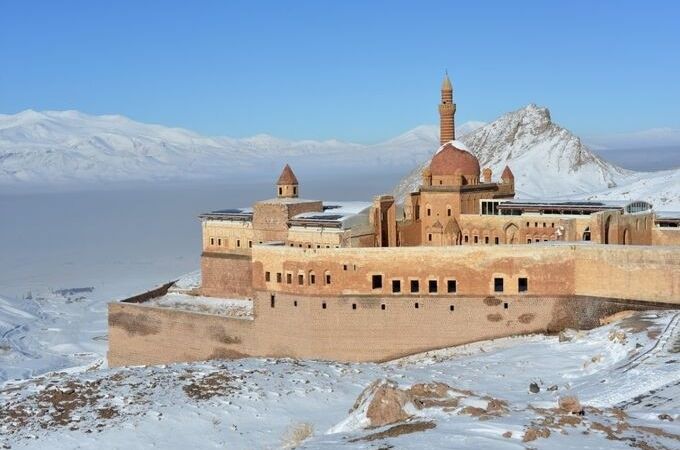
Snow isn't guaranteed, but when it arrives, the valleys and fairy chimneys can change overnight. The landscape becomes quieter, simpler and remarkably photogenic.
Hot-air balloon flights remain weather-dependent, so travellers should never build the entire Cappadocia experience around a guaranteed flight.
Fortunately, there is much more to see.
Underground cities, cave churches, rock formations and traditional towns remain fascinating regardless of balloon conditions.
Our winter routes featuring Cappadocia and Central Anatolia can incorporate enough time in the region to appreciate Cappadocia from the ground as well as, conditions permitting, from the air.
Ephesus Without the Summer Heat
January brings a completely different advantage to Ephesus.
You can walk.
The Library of Celsus, theatre and ancient streets deserve time, yet summer heat can make long archaeological visits tiring. During suitable January weather, cooler conditions allow a slower exploration of the site.
Rain remains possible, of course.
But for travellers whose priority is history rather than beaches, winter can be an excellent trade-off.
The same logic applies to nearby archaeological and cultural destinations across western Turkey.
January doesn't diminish their history.
It simply changes the conditions in which you experience it.
Antalya Shows How Different a Turkish Winter Can Be
Arrive in Antalya after spending several days in Cappadocia and January suddenly feels like a different season.
The Mediterranean influence generally means milder conditions, although this is still winter. Rainy days are possible, evenings can be cool, and January shouldn't be treated as guaranteed beach weather.
Its advantage lies elsewhere.
Without intense summer heat, exploring Kaleiçi or archaeological sites such as Perge and Aspendos can be considerably more comfortable. On a clear afternoon, the contrast between palm-lined streets, the Mediterranean and the Taurus Mountains is particularly striking.
For travellers more interested in history and landscapes than swimming, the region can add an unexpected dimension to a winter itinerary.
Pamukkale Makes Sense in Cooler Weather
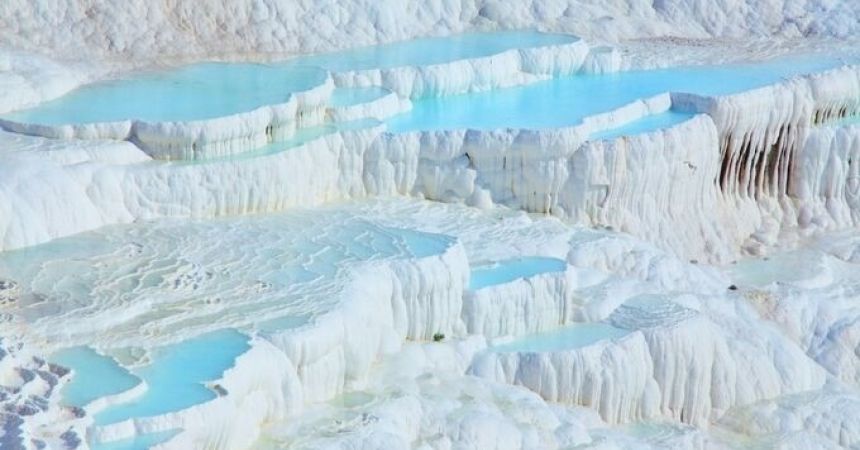
Pamukkale is famous for its white travertine terraces, but stopping there misses half the story.
Above them stands Hierapolis.
January's cooler conditions encourage you to give this ancient city the time it deserves. Its theatre, necropolis and monumental remains reveal why Pamukkale should be considered an archaeological destination as well as a natural one.
There is also something particularly fitting about experiencing a thermal landscape when the surrounding air is cool.
Blue skies aren't guaranteed, and winter rain may occasionally affect sightseeing. But lower visitor numbers and comfortable walking conditions on fair-weather days can compensate.
Travellers interested in combining western Turkey's major historical sites can consider our Aegean and Pamukkale cultural journeys, connecting ancient landscapes without building each day around summer temperatures.
Which January Route Suits You?
Not every traveller needs to visit every region.
A shorter, well-designed itinerary usually works better than trying to cross the entire country.
| If Your Priority Is... | Consider This Combination | Why It Works |
|---|---|---|
| First-time highlights | Istanbul + Cappadocia | Strong contrast between city culture and Anatolian landscapes |
| Ancient history | Istanbul + Ephesus + Pamukkale | Major heritage sites with more comfortable winter exploration |
| Milder weather | Istanbul + Antalya | Combines cultural sightseeing with the Mediterranean coast |
| Winter photography | Istanbul + Cappadocia | Atmospheric city scenes, winter light and possible snow |
| Regional variety | Istanbul + Cappadocia + Ephesus | Three distinctly different January environments |
| Slow cultural travel | Istanbul + Aegean | Museums, archaeology, food and everyday city life |
January isn't a month for collecting destinations.
It rewards choosing fewer places and understanding them better.
What Should You Pack for Turkey in January?
Packing should follow your route rather than a generic "Turkey winter" checklist.
For Istanbul, waterproof outerwear and comfortable walking shoes matter. Cappadocia requires warmer layers, particularly if you'll be outside before sunrise. The Aegean generally calls for flexible layers and rain protection, while Mediterranean destinations may feel noticeably milder during the day.
Useful items include:
- Layered clothing
- Waterproof jacket
- Comfortable, weather-resistant walking shoes
- Warm sweater or fleece
- Scarf
- Gloves and a hat for Cappadocia or inland regions
- Thermal base layer for very cold mornings
- Compact umbrella
One practical mistake is packing a single extremely heavy coat for every destination.
Layers work better.
You can add them before a Cappadocia sunrise and remove them during a mild afternoon farther south.
January Changes the Shape of the Day
Winter travel also requires thinking about daylight.
A July itinerary might comfortably continue outdoors well into the evening. January doesn't offer the same flexibility.
Outdoor archaeological sites are best positioned during useful daylight hours. Museums, bazaars and other indoor experiences can fill periods when the weather becomes less cooperative.
This often produces a better itinerary anyway.
Instead of racing between attractions, you have time for lunch.
A museum visit can last two hours rather than forty minutes.
A free afternoon in Istanbul might turn into an unexpected ferry ride to the Asian side simply because the sky suddenly cleared.
Winter rewards plans that leave room for the day to change.
Don't Let Weather Decide the Entire Trip
Checking the forecast is sensible.
Designing every decision around it isn't.
A rainy morning in Istanbul doesn't make the city disappointing. It might simply become the morning you explore the Basilica Cistern before spending longer than expected inside the Grand Bazaar.
A cancelled balloon flight doesn't make Cappadocia unsuccessful.
A cloudy afternoon doesn't make Ephesus less significant.
The strongest winter itineraries contain experiences that work in different conditions.
Our tailor-designed Turkey holidays for winter travel can combine cities, archaeological sites and regional landscapes while keeping the pace realistic for January's shorter days and changing conditions.
That's ultimately the best approach to Turkey in January.
Don't search for a route where winter disappears.
Choose one where winter makes the journey more interesting.

January Has Its Own Flavours
Cold weather changes the way you eat in Turkey.
After a few hours walking through Istanbul, a bowl of hot mercimek çorbası suddenly feels more appealing than an elaborate lunch. Street carts send the smell of roasted chestnuts through busy squares, while salep, traditionally served warm with cinnamon, appears on winter menus.
Then there is Turkish tea.
It arrives after breakfast, during a shopping break, beside the Bosphorus and sometimes simply because you've been talking to someone for more than five minutes.
These aren't major sightseeing experiences. That's precisely why they matter.
January gives you enough time to notice the ordinary rituals that continue regardless of the tourism season.
Winter Is a Good Time to Slow Down at Breakfast
A proper Turkish breakfast was never designed for travellers in a hurry.
Cheese, olives, eggs, bread, honey, preserves and several small dishes gradually fill the table. Tea keeps coming long after you thought breakfast had finished.
On a cold morning, nobody seems particularly interested in rushing outside.
Nor should you be.
One of the pleasures of January is accepting that an hour around the breakfast table can be as much a part of travelling as the museum you visit afterwards.
A Hammam Feels Different When It's Cold Outside
Some Turkish experiences make even more sense in winter.
A hammam is one of them.
Step inside from a chilly Istanbul street and the contrast is immediate: warm marble, steam and a pace that feels completely disconnected from the city outside.
Historic hammams are more than convenient rainy-day activities. They belong to a bathing tradition that once played an important social role in Ottoman urban life.
January simply gives that tradition the right setting.
Cappadocia Starts Before Sunrise
Anyone hoping to take a hot-air balloon flight should prepare for a genuinely cold morning.
The temperature before sunrise can feel very different from the afternoon forecast. Thermal layers, gloves, a hat and suitable footwear are worth packing.
More importantly, balloon flights depend on weather conditions and aviation approval.
Cancellation is always possible.
That shouldn't ruin Cappadocia.
Underground cities, rock-cut churches, valleys and cave architecture provide plenty to explore from ground level. Our Cappadocia travel packages can incorporate the region into a broader journey rather than treating one balloon flight as its entire purpose.
Winter Brings Istanbul Back Indoors
When rain arrives, Istanbul doesn't stop.
It changes rooms.
The Grand Bazaar becomes somewhere to wander rather than rush through. Museums get another hour. Lunch lasts longer than expected. A ferry journey across the Bosphorus may end with tea in Kadıköy instead of another monument.
The trick is not to treat these moments as replacements for "real" sightseeing.
They are part of it.
Travellers interested in experiencing the country's historical and everyday sides together may also consider our Turkey heritage tours, where major landmarks are balanced with the places and traditions found between them.
The Best January Moments May Be Unplanned
You will probably remember Hagia Sophia, Ephesus and Cappadocia.
But winter tends to leave smaller memories around them.
A glass of tea after coming in from the rain.
Fresh bread from a bakery you happened to pass.
The first glimpse of snow outside a Cappadocia hotel window.
A conversation with a shopkeeper that lasts much longer than the purchase.
None of these experiences needs to appear on an itinerary.
That's what makes them useful reminders of why we travel in the first place.
January doesn't give you a lesser version of Turkey.
It gives you more room to notice it.
Is January Right for Your Turkey Trip?
January works best when you know what you're coming for.
If the dream is swimming along the Mediterranean coast and spending long evenings outdoors, wait for warmer months.
If you're interested in history, food, museums, Cappadocia landscapes and seeing major sites at a quieter time of year, the calculation changes.
January isn't about getting the "summer experience" for less.
It's about experiencing Turkey differently.
January Travel Snapshot
| January Is Particularly Good For | Think Twice If You Mainly Want |
|---|---|
| Istanbul museums and historic sites | Guaranteed sunshine |
| Cappadocia winter scenery | A guaranteed balloon flight |
| Ephesus without intense heat | Beach and swimming weather |
| Regional Turkish cuisine | Long daylight hours |
| Lower visitor numbers at many sites | Consistent weather nationwide |
| Cultural and archaeological touring | A summer-style coastal holiday |
Frequently Asked Questions About Turkey in January
1. Is January a good time to visit Turkey?
It can be an excellent month for travellers interested in culture, archaeology, food and winter landscapes. Visitor numbers are generally lower at many major attractions, although shorter daylight hours and changing weather require a more flexible itinerary than in spring or autumn.
2. How cold is Turkey in January?
There is no single answer because Turkey covers several climate zones. Istanbul is generally cool and damp, Cappadocia and Central Anatolia can be very cold, while Antalya and parts of the Mediterranean coast usually experience milder winter conditions.
3. Does it snow in Turkey in January?
Yes, snow is possible in many inland and elevated regions, including Cappadocia and Central Anatolia. Istanbul can occasionally receive snow as well, although it shouldn't be expected on specific travel dates. Mediterranean coastal regions experience much milder conditions.
4. Is Cappadocia worth visiting in January?
Yes, particularly if you enjoy dramatic landscapes and quieter sightseeing. Snow can make Cappadocia exceptionally beautiful, but it isn't guaranteed. Balloon flights are also weather-dependent, so the itinerary should include the region's valleys, cave churches and underground cities.
5. Do hot-air balloons fly in January?
Balloon flights can operate during January when weather and aviation conditions are suitable. However, wind, snow or poor visibility may lead to cancellations. Travellers should consider ballooning a potential highlight rather than the only reason for visiting Cappadocia.
6. Is Istanbul worth visiting during January?
Definitely for travellers interested in history, museums, food and neighbourhood culture. January weather can be wet or cold, but Istanbul has enough indoor and outdoor attractions to adapt easily when conditions change during the day.
7. Can I visit Ephesus in January?
Yes. In fact, cooler weather can make walking through the extensive archaeological site more comfortable than during midsummer. Rain is possible, so suitable footwear and weather protection are sensible additions to your day bag.
8. Is Antalya warm in January?
Antalya is generally milder than inland Turkey, but January is still winter rather than guaranteed beach weather. The season is better suited to Kaleiçi, archaeological sites, coastal scenery and relaxed cultural exploration than a traditional swimming holiday.
9. What should I pack for Turkey in January?
Pack according to your route. Layers, waterproof outerwear and comfortable shoes work well for Istanbul and western Turkey. Cappadocia and Central Anatolia require warmer clothing, including gloves and a hat, particularly for early mornings.
10. Are tourist attractions open in January?
Many major museums, archaeological sites and cultural attractions operate throughout winter, although opening hours may differ seasonally and holiday closures can occur. Check official schedules shortly before visiting rather than relying on summer operating times.
11. Is January suitable for a first trip to Turkey?
Yes, provided beaches and consistently warm weather aren't priorities. A first-time itinerary combining Istanbul, Cappadocia and selected archaeological destinations can work particularly well for travellers primarily interested in Turkey's history, culture and landscapes.
12. How many days should I spend in Turkey in January?
Around seven to ten days allows a useful introduction without rushing across too many regions. With two weeks, you can add western or Mediterranean destinations while maintaining enough flexibility for winter transport and changing weather conditions.

A travel professional specializing in tailor-made travel planning, guest experience management, and multi-destination tourism operations.
With over 23 years of experience in the travel industry, he designs and manages private and cultural tours for international travelers across Türkiye, Greece, Egypt, Jordan, Morocco, and other destinations.
He has strong expertise in both online and face-to-face guest communication, sales processes, and end-to-end travel operations.
Working closely with hotels, travel agencies, and local partners, he ensures smooth coordination and high-quality travel experiences at every stage of the journey.
His focus is on delivering personalized, reliable, and seamless travel experiences for international guests worldwide.