Turkey in December: When Winter Changes the Journey
Last Updated: August 8, 2026
December has a way of exposing just how large Turkey really is.
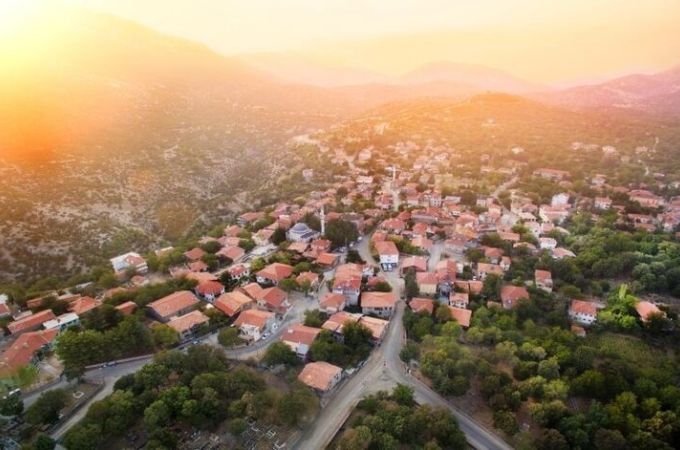
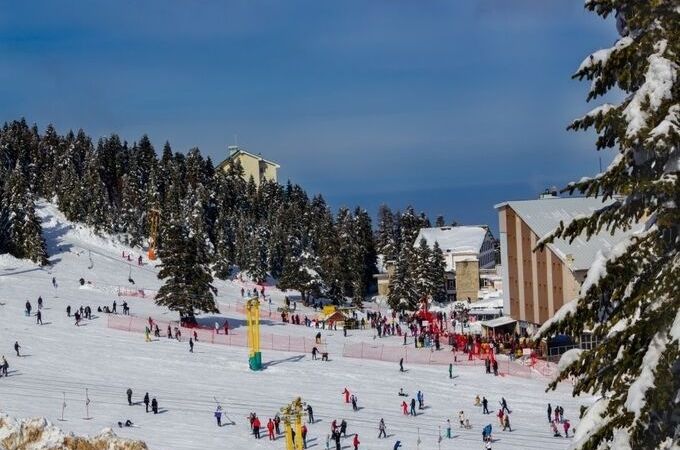
You can wake to a pale, cold morning in Cappadocia, travel south, and find people drinking tea outdoors in Antalya.
Istanbul may give you rain, wind and a sudden patch of blue sky before lunch.
Ephesus feels completely different without summer heat bouncing off the ancient stone.
And somewhere in Cappadocia, everyone is checking the forecast for the same reason:
Could it snow tonight?
December doesn't simply make Turkey colder.
It changes how you experience it.
The days become shorter. Meals grow longer. Indoor attractions become part of the natural rhythm rather than something saved for bad weather.
And landscapes that looked familiar in summer can become almost unrecognisable once winter begins touching them.
December Makes Geography Impossible to Ignore
Packing for “Turkey in December” is difficult because there isn't one December.
| Destination | December Character | What Changes | Best Reason to Visit |
|---|---|---|---|
| Istanbul | Cold, damp, changeable | Shorter outdoor windows | History, museums, food, Bosphorus |
| Cappadocia | Cold, possible snow | Winter becomes part of the landscape | Scenery, underground cities |
| Ephesus | Cool, occasionally wet | Much quieter archaeological experience | Slow exploration |
| Pamukkale | Cool to cold | Thermal landscape feels completely different | Hierapolis and hot springs |
| Antalya | Relatively mild | Outdoor touring remains practical | Archaeology and old town |
| Aegean Region | Cool and wetter | Tourism becomes culture-focused | Ancient sites and regional life |
You could try to average all of that into one national temperature.
Please don't.
It wouldn't tell you anything useful.
Istanbul Becomes a City of Short Chapters
December daylight changes the way you move through Istanbul.
You don't have endless hours.
So the day becomes a series of chapters.
A morning in Sultanahmet.
Lunch somewhere warm.
The Basilica Cistern.
A walk when the rain stops.
Tea.
Perhaps a ferry before the light disappears.
Then dinner.
This sounds slower because it is.
But slower doesn't mean less interesting.
The city contains enough indoor history to make poor weather manageable without creating a second-rate itinerary.
Topkapi Palace deserves time.
Museums deserve time.
Mosques deserve more than a rushed photograph before moving to the next attraction.
December gives you fewer daylight hours and, strangely, sometimes more patience.
Travellers exploring the city during the colder season can consider our Istanbul winter tours, combining the major historical sites with enough flexibility for December conditions.
Cappadocia Becomes a Different Landscape
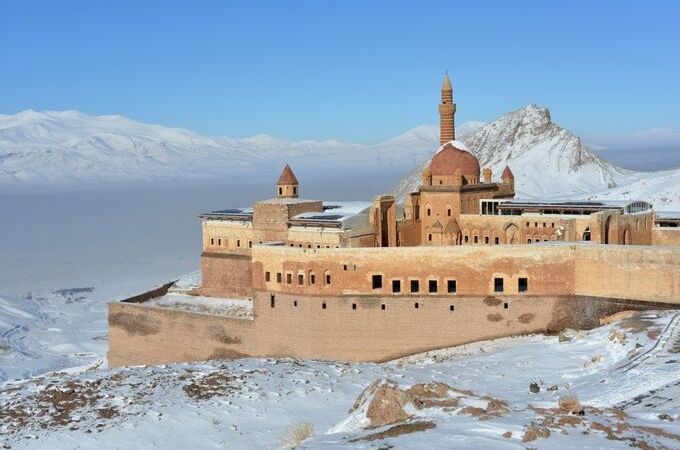
Snow changes Cappadocia faster than almost any other famous Turkish destination.
One evening, the valleys are brown and grey.
The next morning, white settles across ledges, cave openings and fairy chimneys.
If you're lucky enough to see it, the transformation is extraordinary.
But don't book December expecting a guaranteed snow-covered Cappadocia.
Weather doesn't work according to travel photography.
Snow may fall.
It may not.
It may arrive before your trip and disappear.
The better reason to visit is that winter gives Cappadocia another personality regardless.
Cold air sharpens the landscape.
Crowds can feel different from warmer months.
Underground cities suddenly seem like very sensible places to spend part of the day.
And a cave-style hotel room feels considerably more appropriate when you're coming inside from the cold.
What About the Balloons?
The question becomes more urgent in winter.
Yes, balloon flights can operate in December.
No, December does not guarantee them.
Wind, visibility and other weather conditions determine whether flights receive aviation approval.
Winter weather can lead to cancellations, so don't build the emotional success of the entire trip around one morning.
If balloons fly over a snowy landscape, wonderful.
If they don't, Cappadocia hasn't disappeared.
Go underground.
Walk when conditions allow.
Visit rock-cut churches.
Find a viewpoint.
Eat something warm.
The region is far too strange to be reduced to what happens in the sky.
Ephesus Sounds Different in December
There are fewer footsteps.
That's the first thing you notice.
Not silence exactly.
But space.
Ephesus in December feels less like a famous attraction everyone is trying to photograph and more like an archaeological city you are actually walking through.
The cooler conditions help.
You don't need to calculate shade.
Water remains important, but it isn't the central strategic concern it was in July.
Instead, the weather asks for something else:
a decent jacket and shoes that can handle damp surfaces.
Then walk.
The Library of Celsus will still be there.
But perhaps this time you'll spend just as long somewhere less famous.
Our ancient Turkey trips can connect Ephesus with other historical regions when archaeology—not beach weather—is the reason for travelling.
Antalya Becomes Turkey's Climate Escape Hatch
Then you go south.
Antalya in December isn't a summer resort.
That's important.
But compared with Cappadocia or Istanbul, the Mediterranean climate can feel remarkably gentle on suitable days.
This makes December an interesting time to see the region differently.
Perge without midsummer heat.
Aspendos without planning the visit around shade.
Kaleiçi as an actual neighbourhood to wander through rather than somewhere you hurry across on the way to the beach.
Swimming isn't the reason to come.
History is.
And suddenly Antalya's ancient landscape gets much more attention.
December Changes What a Good Day Looks Like
In summer, success can mean seeing everything on the itinerary.
December has different standards.
| A Good December Day Might Include... | Why It Works |
| One major museum + neighbourhood walk | Uses limited daylight intelligently |
| Cappadocia landscape + underground city | Balances outdoor and indoor experiences |
| Ephesus without rushing | Cooler conditions favour slow archaeology |
| Antalya old town + ancient site | Takes advantage of the milder south |
| Long lunch + shorter afternoon visit | Fits the winter rhythm naturally |
| Unplanned café stop | Weather changes don't derail the day |
This isn't lowering expectations.
It's adjusting them to the season.
Packing for December Is Mostly About Layers
A heavy coat alone doesn't solve everything.
You need flexibility.
Cappadocia can be properly cold.
Istanbul may be wet and windy.
Antalya can feel surprisingly mild during the middle of a favourable day.
Pack warm layers, a waterproof or water-resistant outer layer, comfortable footwear with decent grip, gloves and something warm for Cappadocia mornings.
Then include lighter layers underneath.
Because Turkey still enjoys making you carry the coat you desperately needed three hours earlier.
December Doesn't Give You More Turkey
It gives you a different one.
There are fewer hours of daylight.
Some outdoor plans become weather-dependent.
You may need to change the order of a day.
But something else happens.
Meals become part of the journey rather than interruptions between attractions.
Museums receive the time they deserve.
Cappadocia's landscape becomes moodier and occasionally spectacular.
Ancient sites feel less hurried.
And the contrast between cold Central Anatolia and the milder Mediterranean becomes impossible to miss.
For travellers interested in this seasonal version of the country, our Turkey winter trips can connect regions without pretending December should behave like spring.
Bring warmer clothes.
Leave some flexibility.
And don't spend the entire trip waiting for snow.
Winter has already changed Turkey.
You just need to notice how.
Shorter Days Change What Is Worth Doing
December makes one thing scarce.
Daylight.
That sounds limiting until you realise how much unnecessary movement disappears once you accept it.
You stop crossing Istanbul three times in one afternoon.
You stop trying to squeeze Pamukkale into the same day as a long road transfer and another major visit.
You stop looking at an itinerary with eight activities and calling it “efficient.”
December rewards better choices.
Pick what matters.
Give it time.
Then go somewhere warm.
Istanbul Needs a Different Map in December
A summer itinerary might connect attractions according to distance.
In December, think about clusters.
Spend a morning around Sultanahmet and keep nearby indoor alternatives available. On another day, combine Galata, Karaköy and the surrounding streets. Cross to the Asian side when the forecast gives you a good window rather than because Tuesday's spreadsheet says so.
| Istanbul Conditions | A Sensible Response |
|---|---|
| Clear morning | Prioritise outdoor landmarks and neighbourhoods |
| Light rain | Mix shorter walks with museums or covered sites |
| Strong wind | Reduce exposed waterfront time |
| Bright afternoon | Take the opportunity for a Bosphorus journey |
| Early darkness | Shift towards food, hammam or evening experiences |
The city becomes easier once you're no longer travelling across it simply to complete a checklist.
A Grey Bosphorus Is Still the Bosphorus
Travel photography has trained us to expect Istanbul under perfect blue skies.
December isn't always interested.
The Bosphorus can turn silver-grey. Clouds sit low over the city. Ferries appear and disappear against a skyline that looks almost monochrome.
It isn't the postcard version.
Stay on deck for a while anyway.
You may find that winter Istanbul suits the water surprisingly well.
And when the wind eventually sends you inside, order tea.
Problem solved.
Cappadocia Snow Is a Possibility, Not a Product
This distinction matters.
Search for Cappadocia in December and you'll quickly find photographs of fairy chimneys covered in snow.
Beautiful.
Also impossible to guarantee for your particular dates.
Winter weather can transform the region, but conditions vary. Snow may fall before you arrive, during the trip or not at all.
Plan for cold.
Hope for snow if that's something you'd love to see.
But don't make the entire journey depend on it.
Travellers interested in seeing the region during the colder season can explore our Cappadocia winter tours, where valleys, underground cities and rock-cut heritage remain central regardless of snowfall.
The Mediterranean Gives You Another Option
December becomes more interesting when the itinerary moves south.
Antalya doesn't suddenly turn into July, but its generally milder Mediterranean climate provides a useful contrast with inland Turkey.
This can completely change a multi-region journey.
One day you're wearing gloves in Cappadocia.
Later in the trip, you may be eating lunch outside in Antalya during favourable weather.
That contrast is part of Turkey.
Don't flatten it into an average national forecast.
Southern Turkey also becomes more appealing to travellers who care about history rather than beaches. Without peak-summer heat dominating the day, Perge and Aspendos can receive the attention they deserve.
Winter Food Starts Making Sense
Some Turkish dishes feel as though they were waiting for December.
Soup is the obvious example.
A bowl of mercimek çorbası after a cold morning doesn't need elaborate presentation. Bread arrives. Lemon sits beside the bowl.
That's enough.
Then there are stews, grilled dishes, oven-cooked meals and regional foods that suddenly seem far more attractive than they did during August.
And tea.
Always tea.
You will probably drink more of it than expected.
Not because somebody told you tea is culturally important.
Because it's cold outside and the glass is warm.
That's considerably more convincing.
December Evenings Don't Need to Be Empty
Early sunset doesn't mean the travel day is finished.
It means the type of travel changes.
Consider a hammam.
Spend longer over dinner.
Explore Istanbul's restaurant neighbourhoods.
Attend an evening cultural performance if something genuinely interests you.
Or go back to the hotel early.
That's allowed too.
Not every night needs an activity attached to it.
Travellers who want a cultural route without relying on long daylight can consider our Turkey cultural escapes, combining historical destinations with a winter pace that doesn't treat darkness as a problem requiring a solution.
Don't Use Summer Distances in a Winter Itinerary
This is where December planning often goes wrong.
A route may be geographically possible without being enjoyable.
Shorter daylight means arriving somewhere at 16:30 has different consequences than it does in June.
Weather can also affect road travel.
So resist the temptation to collect destinations.
Three places experienced properly are better than five viewed partly through transfer windows.
Stay another night.
Take the earlier flight.
Remove the stop that only exists because somebody said you “must see” it.
December rewards editing.
The Day Isn't Short If You Stop Wasting It
That's the paradox.
You have fewer daylight hours.
Yet a well-planned December day can feel surprisingly full.
You aren't fighting the afternoon heat.
You aren't spending hours moving between unrelated attractions.
You aren't trying to use every minute simply because sunset is late.
Instead, the day develops naturally.
History in the morning.
Lunch somewhere warm.
Another visit.
Perhaps a ferry.
Then darkness arrives.
And instead of feeling that Turkey has closed, you start wondering where to eat.
That's a much better problem to have.
Darkness Doesn't Send Everyone Home
At five o'clock, the sightseeing day may feel finished.
The travel day isn't.
That's an important distinction in December.
Istanbul is still moving. Ferries cross between the two sides of the city. Restaurants begin filling. Shop windows glow against streets that suddenly look much darker than they did an hour earlier.
You start looking for somewhere warm.
So does everyone else.
Winter doesn't remove Turkey's social life.
It moves more of it indoors.
A Hammam Makes More Sense When It's Cold Outside
A Turkish bath can be visited at any time of year.
December gives it context.
There is something deeply satisfying about stepping out of cold Istanbul streets and into a warm historic hammam.
The experience also provides a useful break in an itinerary dominated by walking.
You stop looking at things.
You stop checking directions.
For an hour or two, there isn't another monument to reach before closing time.
That can feel surprisingly luxurious.
And when you return outside, the cold air suddenly seems much more dramatic than it did before.
Winter Food Isn't Trying to Impress You
Some of the best December meals are not particularly photogenic.
Soup.
Beans.
Stews.
Bread.
Something slowly cooked that arrives at the table without anybody explaining its culinary philosophy.
Good.
Turkey's everyday food is much broader than the dishes that dominate travel brochures.
Cold weather makes this easier to discover because you begin choosing meals according to what you actually want to eat rather than what you're supposed to photograph.
Travellers curious about this regional side of the cuisine can explore our Turkey winter food tours, but you don't need a dedicated culinary trip to participate.
Find somewhere busy.
Look at what people are eating.
Ask.
Istanbul Looks Good on Wet Pavement
Rain creates inconvenience.
It also creates reflections.
Streetlights stretch across wet stone. Tram lights appear in puddles. Mosque courtyards become quieter. The city takes on a darker palette that couldn't look less like the standard summer postcard.
Photographers should resist the instinct to wait exclusively for blue sky.
December has its own light.
Use it.
A waterproof jacket will help considerably.
Cappadocia Evenings Become Properly Quiet
The difference from Istanbul can feel enormous.
Once the daylight disappears in Cappadocia, the landscape retreats.
Rock formations become silhouettes.
Villages grow quieter.
The cold becomes more noticeable.
This is when staying in a cave-style property can feel less like a novelty and more connected to the place.
Dinner becomes the evening.
Perhaps a drink afterwards.
Then an early night because somebody has suggested meeting before sunrise tomorrow.
Whether the balloons eventually fly is another question.
For now, you're warm.
That's enough.
December Has Its Own Kind of Luxury
It isn't necessarily a five-star hotel.
It's having nowhere else you need to be.
A long dinner because it's raining outside.
A second glass of tea because your ferry isn't for another twenty minutes.
An afternoon hammam after several days of walking.
Returning to the hotel earlier than planned and discovering you're perfectly happy about it.
Summer travel often encourages maximum use of daylight.
Winter reminds you that a holiday isn't an efficiency project.
The City Becomes More Local After Sightseeing Hours
Once many daytime visitors return to their hotels, Istanbul keeps functioning.
Commuters head home.
Friends meet for dinner.
People queue for ferries.
Restaurants that seemed empty in mid-afternoon begin filling.
This is useful perspective.
Historic Istanbul is not a stage that closes after the attractions do.
Walk into a neighbourhood where dinner, rather than sightseeing, is the reason everyone is there.
Our Istanbul local tours can introduce parts of the city beyond its headline monuments, but December evenings are particularly good for exploring without feeling that every stop needs historical significance.
Sometimes you're just looking for dinner.
That's normal life too.
Don't Try to Fill the Darkness
This may be December's most useful lesson.
Early sunset creates a temptation to replace every lost daylight hour with an indoor activity.
Museum.
Show.
Dinner reservation.
Another experience.
Stop.
You don't have to compensate.
Some evenings can simply be evenings.
Walk back slowly.
Buy something sweet.
Have tea.
Go to bed early.
Tomorrow's daylight will arrive soon enough.
December Turkey becomes much more enjoyable once you stop treating darkness as missing travel time.
It's part of the season.
And sometimes, the memory you keep isn't the monument you visited at noon.
It's standing outside a restaurant later that night, pulling your coat tighter and arguing with everyone about whether the hotel is really close enough to walk.
It probably isn't.
You walk anyway.
Who Will Actually Enjoy Turkey in December?
December works best when you arrive without demanding a particular kind of weather.
If sunshine appears, use it.
If Cappadocia wakes beneath snow, enjoy your luck.
If Istanbul gives you rain instead, change the order of the day and keep going.
That flexibility separates travellers who merely tolerate December from those who genuinely enjoy it.
| Traveller Type | December Fit | Why |
|---|---|---|
| History traveller | Excellent | Museums and archaeological sites suit the season |
| City-break traveller | Excellent | Istanbul has strong indoor and outdoor variety |
| Cappadocia traveller | Very good | Winter can transform the landscape |
| Food-focused traveller | Excellent | Cold weather suits regional comfort food |
| Photographer | Very good | Moody skies, winter light and possible snow |
| Slow traveller | Excellent | Shorter days naturally encourage a calmer pace |
| Beach traveller | Limited | Swimming weather cannot be assumed |
| Warm-weather seeker | Limited | Another season will generally suit better |
December isn't the month to chase a summer version of Turkey at a lower price.
It has its own personality.
Travel for that.
Frequently Asked Questions About Turkey in December
1. Is December a good time to visit Turkey?
Yes, particularly for travellers interested in history, city experiences, food and winter landscapes. December requires warmer clothing and flexible planning, but major cultural destinations remain rewarding and some tourism-focused areas can feel calmer than during summer.
2. How cold is Turkey in December?
Conditions vary significantly by region. Istanbul is generally cold and can be damp or windy, Cappadocia experiences colder inland conditions, while Antalya and the Mediterranean coast tend to remain considerably milder.
3. Does it snow in Turkey in December?
Snow is possible in several inland and elevated regions, including Cappadocia, but it isn't guaranteed for specific travel dates. Istanbul can also experience snow in winter, although visitors shouldn't plan a December trip assuming it will occur.
4. Is Istanbul worth visiting in December?
Yes. Istanbul has enough palaces, museums, mosques, historic buildings, restaurants and covered attractions to support a strong winter itinerary. Shorter daylight simply makes geographical planning and flexible scheduling more important.
5. Does Istanbul get snow in December?
Snow can occur, but December snowfall in Istanbul shouldn't be treated as predictable or guaranteed. Rain, wind and cold conditions are generally more useful expectations when packing and planning the trip.
6. Is Cappadocia worth visiting in December?
Yes, provided you are comfortable with cold weather. Possible snow can transform the landscape, while underground cities, cave churches and valleys remain worthwhile regardless. Suitable winter clothing and flexible outdoor plans are important.
7. Do Cappadocia balloons fly in December?
Balloon flights can operate when wind, visibility and other aviation conditions are suitable. Winter weather can cause cancellations, so travellers should avoid making a balloon flight the only reason for visiting Cappadocia.
8. Is Ephesus open in December?
Ephesus operates throughout the year, although opening arrangements can change and should be checked before visiting. December's cooler conditions can create an excellent environment for extended archaeological exploration when the weather is dry.
9. Is Antalya warm in December?
Antalya is generally milder than Istanbul or Cappadocia, but it shouldn't be treated as a guaranteed winter beach destination. Pleasant outdoor sightseeing days are possible, making the region particularly attractive for archaeology and cultural exploration.
10. What should I wear in Turkey in December?
Pack warm layers, a waterproof or water-resistant jacket, comfortable shoes with good grip, and winter accessories such as gloves for colder destinations. Cappadocia generally requires warmer clothing than Antalya, so multi-region travellers need adaptable outfits.
11. Is Turkey crowded in December?
Many archaeological and seasonal tourism destinations can be quieter than during summer. Istanbul remains a major year-round city, however, and visitor numbers may increase around the Christmas and New Year travel period.
12. Is Turkey good for Christmas and New Year travel?
Turkey can be an interesting December holiday destination, especially for travellers prioritising culture, food and city experiences. Christmas is not celebrated nationally in the same way as in predominantly Christian countries, while New Year's Eve is widely recognised and can be lively in major cities.
December Doesn't Need Snow to Work
This is worth saying one final time.
You might have imagined Cappadocia covered in white.
Perhaps it will be.
Perhaps it won't.
You might picture Istanbul beneath perfect winter sunshine.
Instead, you could get rain.
That's December.
The mistake is making one particular weather condition responsible for whether the trip feels successful.
Turkey gives you too many alternatives for that.
If Cappadocia balloons don't fly, the underground cities haven't disappeared.
If Istanbul gets wet, Topkapi Palace hasn't closed because your shoes are damp.
If Antalya isn't warm enough for swimming, Perge and Aspendos suddenly become much more interesting ways to spend the day.
December works when the itinerary can change without feeling downgraded.
For travellers wanting that kind of seasonal journey, our Turkey December tours can connect Istanbul, Cappadocia and other cultural regions without pretending winter conditions are something to work around at all costs.

A travel professional specializing in tailor-made travel planning, guest experience management, and multi-destination tourism operations.
With over 23 years of experience in the travel industry, he designs and manages private and cultural tours for international travelers across Türkiye, Greece, Egypt, Jordan, Morocco, and other destinations.
He has strong expertise in both online and face-to-face guest communication, sales processes, and end-to-end travel operations.
Working closely with hotels, travel agencies, and local partners, he ensures smooth coordination and high-quality travel experiences at every stage of the journey.
His focus is on delivering personalized, reliable, and seamless travel experiences for international guests worldwide.