Winter in Turkey: How to Plan the Right Trip
Updated: August 2026
Winter changes Turkey more dramatically than many first-time visitors expect.
A summer itinerary can move naturally between Istanbul, the Aegean coast, Mediterranean resorts and archaeological sites without asking too many questions about daylight or seasonal services. In winter, the same route requires a different logic. Cappadocia can become stark and atmospheric, Istanbul moves indoors more often, archaeological sites gain space but lose daylight, and large stretches of the coast stop behaving like the resort destinations seen in summer photographs.
That does not make winter a weaker season.
It makes it a more selective one.
The strongest winter Turkey trip is rarely a summer itinerary performed in colder clothes. It is designed around destinations that gain something from the season rather than simply remaining open despite it.
For some travelers, that means Istanbul, Cappadocia and one additional cultural region. Others may deliberately include Uludağ or another mountain area. A slower itinerary can combine Ottoman heritage in Bursa with thermal experiences, while archaeology-focused travelers may prefer winter precisely because they would rather walk through ancient cities without summer heat.
The useful question is therefore not:
“Is Turkey good in winter?”
It is:
“Which parts of Turkey become more interesting to me when summer is removed from the equation?”
Winter Turkey Rewards Selection More Than Ambition
The first rule of winter travel is to reduce geographical greed.
Turkey is large in every season, but winter makes poor route design more obvious. Shorter daylight means a long transfer consumes a larger percentage of the usable day. Weather disruptions can make tightly connected itineraries more vulnerable, and destinations that rely heavily on seasonal coastal activity may offer less reason to justify the transport time.
This is why a winter trip often improves when the number of regions decreases.
Four nights in Istanbul, three in Cappadocia and perhaps another thoughtfully chosen destination can produce much more value than trying to include six regions in ten days.
Winter favors depth, not coverage.
It gives cities time to feel lived in, encourages longer meals and makes museums or hammams feel like part of the itinerary rather than backup plans.
Istanbul Works in Winter Because It Never Depends on One Type of Experience
Istanbul is one of Turkey’s safest winter choices because the city is not dependent on beaches, open-air resorts or one seasonal activity.
Its major strengths remain.
Mosques, palaces, markets, museums, food, ferries, neighborhoods and the Bosphorus all continue to define the trip.
What changes is the rhythm.
You may spend less time sitting outside and more time moving between indoor and outdoor experiences. A long lunch suddenly feels sensible rather than indulgent. A hammam becomes more appealing. A Bosphorus crossing may be memorable because of winter light rather than warm evening air.
This makes Istanbul particularly useful at the beginning of a winter journey.
It gives the trip flexibility.
If weather changes one afternoon, you can reorganize without losing the city itself.
Cappadocia Is the Winter Destination People Romanticize Most
Few places in Turkey are more visually associated with winter than Cappadocia.
Snow can transform the valleys, fairy chimneys and cave villages dramatically.
The important word is can.
Travelers should not book January or February as though Cappadocia operates a guaranteed snow-production system. Conditions vary, and the strongest winter itinerary should remain worthwhile even if the landscape is cold and dry rather than perfectly white.
The region still offers cave hotels, rock-cut heritage, underground cities, viewpoints and distinctive winter atmosphere.
The difference is operational.
Days are shorter. Early mornings feel much colder. Outdoor walking requires better preparation, while balloon operations remain dependent on suitable conditions.
Winter Cappadocia therefore suits travelers who enjoy the seasonal version of the region rather than simply wanting cheaper Cappadocia.
For visitors deliberately seeking that atmosphere, Cappadocia winter tour journeys can make the region the central winter chapter rather than treating snow as an optional decoration.
Snow Changes Cappadocia More Than It Changes the Itinerary
This distinction matters.
When snow arrives, the photographs change dramatically.
The basic logic of the trip does not.
You still need several nights if ballooning is important.
You still need appropriate sightseeing time.
You still need to decide how much valley walking is realistic.
The hotel still matters.
The mistake is allowing snow photography to become the only reason for travel.
A strong winter Cappadocia itinerary should remain satisfying on a clear cold day, a cloudy day or a snowy day.
If your entire emotional investment depends on one specific landscape condition, you are planning a photoshoot rather than a holiday.
Winter Is Excellent for Archaeology if You Accept Shorter Days
Travelers who find summer archaeology physically exhausting may genuinely prefer winter.
Ephesus, Pergamon, Hierapolis and other ancient sites involve large outdoor areas, exposed stone and substantial walking. Removing midsummer heat can make long periods of concentration far easier.
The trade-off is daylight.
You cannot begin casually at midday and expect the day to stretch indefinitely.
Winter archaeological travel benefits from earlier starts and realistic sequencing.
Choose one substantial site and understand it properly instead of stacking several ambitious visits into the same short day.
This is one of the clearest cases where winter can improve the actual quality of sightseeing rather than merely reduce crowd levels.
The Aegean Becomes Cultural Rather Than Coastal
Izmir, Kuşadası and western Turkey do not disappear in winter.
Their travel identity changes.
A summer traveler may think about beaches, boat trips and evening waterfront dining. A winter traveler is more likely to build around archaeology, city food culture, markets and quieter coastal atmosphere.
This means Kuşadası becomes primarily useful as an Ephesus-area base rather than a beach holiday.
Izmir remains a living Aegean city with food, ferries and markets.
Pergamon remains historically important regardless of swimming conditions.
The Aegean works in winter when you choose it for western Turkey culture, not because you are waiting for summer to happen accidentally.
Antalya Is Not Automatically a Winter Beach Holiday
This deserves realistic positioning.
Antalya can be considerably milder than many inland Turkish destinations, but mild weather and a conventional summer resort experience are not the same product.
If the reason for visiting is Kaleiçi, Antalya Museum, Perge, Aspendos or other historical experiences, winter can make excellent sense.
If the entire holiday depends on guaranteed swimming, sunbathing and full summer-resort atmosphere, expectations need more caution.
Some hotels operate strongly through winter; others change their facilities or seasonal rhythm.
The city itself remains valuable.
The beach-resort identity becomes less reliable as the sole purpose of the trip.
Side and Alanya Still Have History After the Sun-Lounger Season Ends
The Mediterranean coast contains destinations whose historical identity survives even when beach weather is not the main attraction.
Side remains an ancient city integrated into a modern coastal town.
Alanya retains its castle peninsula, Seljuk Red Tower and harbor geography.
That can make winter surprisingly interesting for travelers who normally dismiss them as resort destinations.
The key is stay length.
A full seven-night beach-style stay may not make sense for every traveler in winter.
Two or three culturally focused nights can.
Seasonality should change the role of the destination inside the itinerary.
Bursa Gains Value in Winter for Reasons Beyond Skiing
Bursa is frequently associated with Uludağ once winter arrives.
That relationship is important, but the city should not become merely the accommodation below a ski mountain.
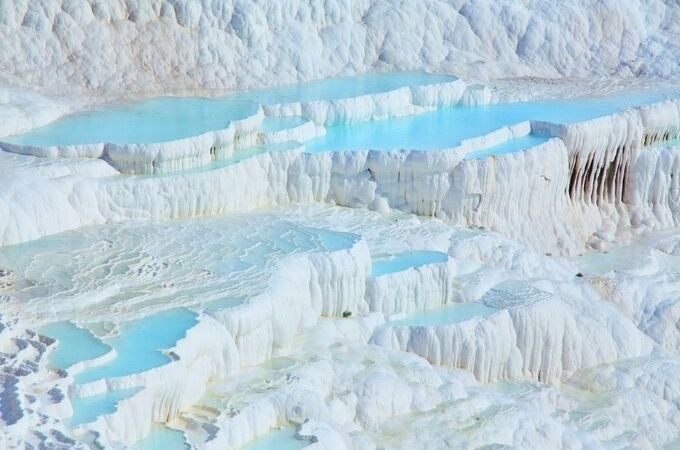
Early Ottoman mosques, Koza Han, bazaars, regional food and thermal traditions give Bursa a complete winter identity even for travelers who never put on ski boots.
In fact, cold weather can make the city’s thermal culture more appealing.
This creates an unusually coherent seasonal trip:
historical sightseeing during the day, regional food afterward, and thermal relaxation later.
For travelers who want winter without building the entire journey around snow sports, Bursa winter heritage routes can provide a very different alternative to the Istanbul–Cappadocia formula.
Skiing Deserves Its Own Trip Logic
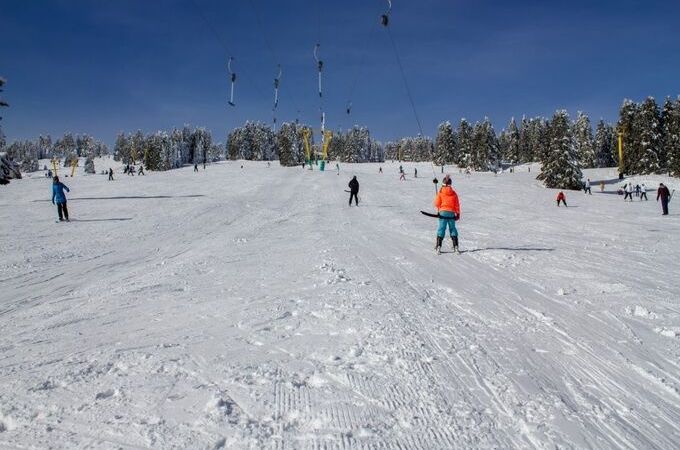
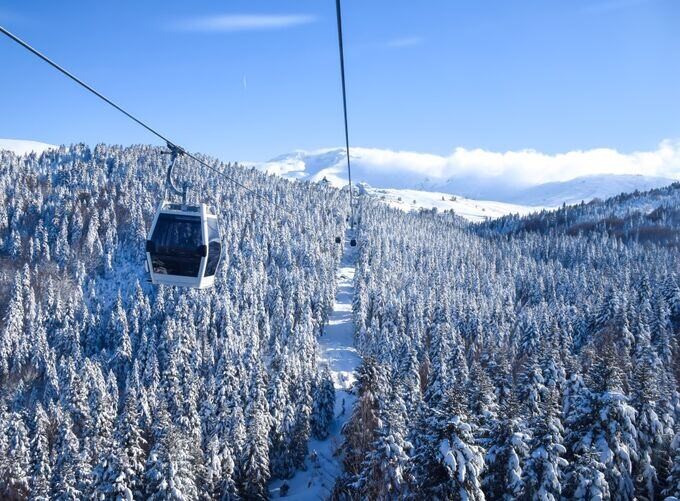
Turkey has multiple ski regions, including Uludağ, Erciyes, Palandöken and others.
This article should not rank them.
That belongs to the dedicated skiing cluster.
The winter-country decision is more basic:
Do you want skiing to be the holiday, or one component of the holiday?
If skiing is central, choose the mountain first and build transportation around it.
If you simply want one or two snow days, a destination that combines easily with the cultural route may provide better overall value.
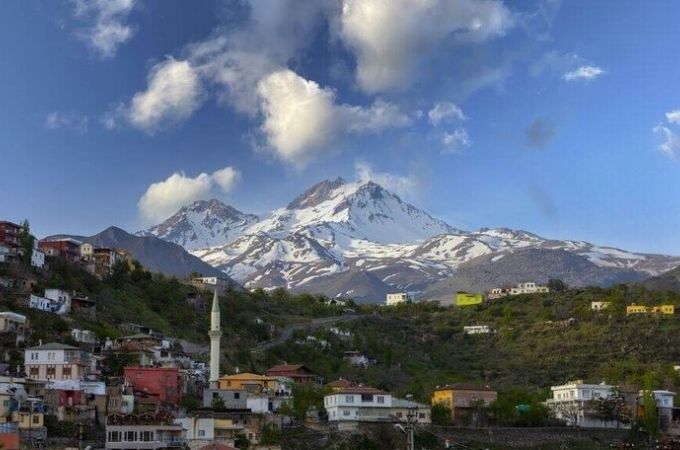
A traveler visiting Cappadocia may find Erciyes geographically relevant.
Someone staying in Istanbul or Bursa may think differently.
The strongest itinerary minimizes unnecessary movement between snow and culture.
Turkey in Winter Has Five Different Travel Personalities
Instead of ranking destinations, it is more useful to choose the winter experience first.
| Winter priority | Strongest style | What you gain | What you compromise |
|---|---|---|---|
| City culture | Istanbul | Maximum flexibility | Outdoor days shorter |
| Winter landscape | Cappadocia | Dramatic seasonal atmosphere | More weather dependency |
| Archaeology | Aegean / western Turkey | Cooler site exploration | Less daylight |
| Thermal + heritage | Bursa | Balanced winter pacing | Less iconic first-trip route |
| Snow sports | Ski regions | Dedicated winter activity | Requires separate mountain logistics |
| Milder cultural coast | Antalya region | Outdoor history without summer heat | Not guaranteed beach holiday |
The table is intentionally about trip personality, not monthly temperatures.
Those belong elsewhere.
Daylight Is the Winter Resource You Need to Budget
People often obsess over temperature and underestimate daylight.
That is backwards for cultural touring.
A winter day has fewer usable outdoor hours, so poor sequencing becomes expensive.
Put archaeology, viewpoints and walking-dependent experiences earlier.
Use museums, hammams, bazaars, dinners and indoor activities later.
In Istanbul, this might mean Sultanahmet during the day and a hammam or long dinner afterward.
In Cappadocia, valleys belong to the brighter hours while hotel terraces and dinner naturally take over later.
Winter itineraries feel smoother when darkness is treated as a design constraint rather than an inconvenience.
Hotel Location Matters More in Winter
Walking twenty minutes through a pleasant Istanbul evening is one thing.
Doing it repeatedly in rain, wind or cold conditions can change how you feel about a cheap hotel.
This makes location more valuable in winter.
A central hotel reduces transport dependence, protects energy and allows spontaneous returns to the room without sacrificing half the day.
The same principle applies in Cappadocia.
A beautiful cave hotel can be wonderful, but if every dinner requires complicated movement and you dislike winter evenings outdoors, location deserves attention.
Winter magnifies small logistical weaknesses.
That is why accommodation should be chosen for how the day works, not only for how the room looks.
Winter Clothing Should Follow the Route, Not the Country Name
A Turkey winter itinerary can include wildly different conditions.
Istanbul requires urban winter clothing.
Cappadocia may require significantly more protection around early mornings and exposed landscapes.
A Mediterranean city may feel softer during the day.
A mountain region obviously requires a different level of preparation.
The intelligent packing strategy is layering.
A useful winter wardrobe adapts as the trip moves rather than forcing one heavy outfit onto every destination.
This article should not duplicate temperature-by-temperature weather guidance; the point is simply that Turkey is too geographically varied for one winter packing assumption.

A travel professional specializing in tailor-made travel planning, guest experience management, and multi-destination tourism operations.
With over 23 years of experience in the travel industry, he designs and manages private and cultural tours for international travelers across Türkiye, Greece, Egypt, Jordan, Morocco, and other destinations.
He has strong expertise in both online and face-to-face guest communication, sales processes, and end-to-end travel operations.
Working closely with hotels, travel agencies, and local partners, he ensures smooth coordination and high-quality travel experiences at every stage of the journey.
His focus is on delivering personalized, reliable, and seamless travel experiences for international guests worldwide.