Cappadocia Weather in January: Snowy Valleys & Frozen Mornings
Last Updated: August 2026
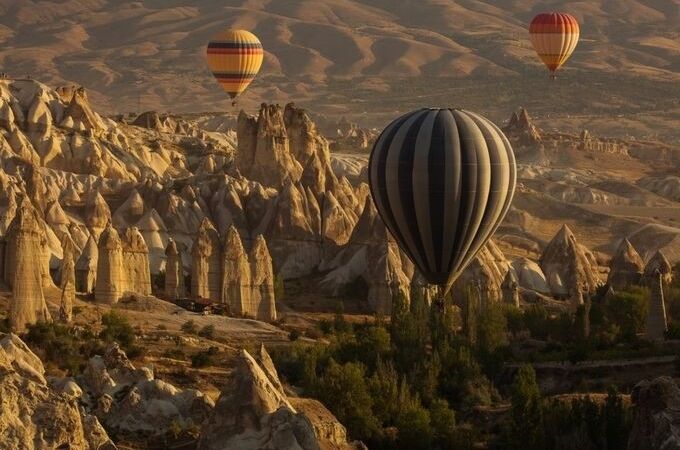
Cappadocia in January feels very different from the landscape most travelers know from photographs. The pale valleys can disappear beneath fresh snow, fairy chimneys acquire white caps, and on clear mornings the entire region has a stillness that is difficult to find during the busier months of the year. It is beautiful, but this is genuine winter rather than a mildly chilly version of the main tourist season.
Daytime temperatures often hover only a few degrees above freezing, while nights regularly fall below 0°C. Snow is possible throughout the month, as are frost, icy roads and periods of cold but brilliantly clear weather. Conditions can also change quickly. A morning that begins under blue skies may feel very different after sunset, particularly in exposed valleys.
January therefore suits travelers who are comfortable adapting their plans. You may trade long hiking days for snowy viewpoints, warm cave interiors and shorter excursions, but Cappadocia's winter landscape can make that trade surprisingly worthwhile.
January Weather at a Glance
Weather varies from year to year, so averages are more useful for planning than predicting the conditions on a particular date.
| January Condition | What to Expect |
|---|---|
| Daytime temperature | Usually around 2–6°C |
| Night temperature | Often around -5–0°C |
| Snow | Possible throughout the month |
| Rain | Occasional, sometimes mixed with snow |
| Frost and ice | Common risk in early mornings and at night |
| Daylight | Short winter days |
| Valley conditions | Snowy, frozen, muddy or slippery depending on recent weather |
| Balloon mornings | Very cold; flights remain weather-dependent |
The temperature alone does not always explain how January feels. Cappadocia sits on a high plateau, and wind can make exposed viewpoints noticeably colder. At the same time, sunshine on a calm afternoon can make sheltered areas feel considerably more comfortable than the thermometer suggests.
That contrast is part of January travel here: cold does not necessarily mean gloomy.
What Snow Changes in Cappadocia
Snow changes more than the appearance of the valleys.
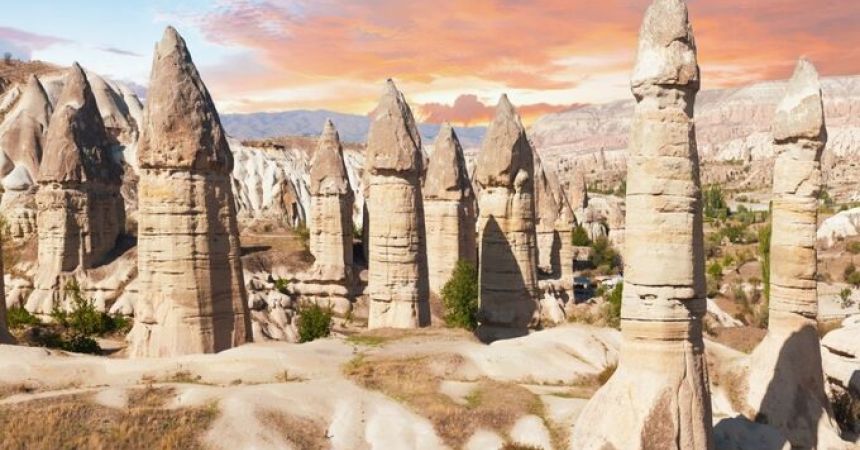
Fresh snowfall can transform Göreme, Uçhisar and the surrounding rock formations almost overnight. Rose Valley and Red Valley lose much of their familiar warm coloring beneath white ground, while the fairy chimneys around Paşabağ can look particularly striking after snow.
The practical side is less romantic. Paths that are easy in warmer weather may become slippery, and shaded sections can retain ice long after sunny areas have thawed. After temperatures rise, melting snow may create muddy trails.
This makes January a poor month for travelers whose main goal is completing several long valley hikes on a fixed schedule. It can, however, be an excellent month for people who enjoy winter scenery and are happy to decide each morning what is sensible.
A broader Cappadocia tour experience can work particularly well in winter because sightseeing does not have to depend entirely on hiking. Underground cities, rock-cut churches, villages and panoramic stops provide alternatives when trails are uncomfortable.
Snowy Cappadocia vs a Dry January Day
January does not mean continuous snow.
Some visitors arrive immediately after a snowfall and see the landscape completely white. Others experience dry ground, cold sunshine and freezing nights. A week can contain both.
| After Fresh Snow | Cold, Dry Weather |
| Dramatic white landscapes | Easier walking conditions |
| Excellent winter photography | More predictable road travel |
| Greater risk of icy paths | Cold but often manageable sightseeing |
| Snow-covered viewpoints | Clear views across valleys |
| More winter atmosphere | Better conditions for longer outdoor stops |
This uncertainty is why it is better to plan for winter conditions rather than plan specifically for snow.
If seeing Cappadocia under snow is your main reason for traveling, January gives you a realistic opportunity, but no particular week can guarantee it.
How Cold Are the Mornings?
Early morning is usually the part of the day visitors notice most.
This matters because several Cappadocia experiences begin early. Anyone leaving a cave hotel before sunrise may encounter frost, frozen pavements and temperatures well below those experienced later in the afternoon.
The difference between a sunny afternoon and a pre-dawn departure can be substantial. Dressing for the afternoon temperature alone is one of the easiest mistakes to make in January.
A warm outer layer is important, but smaller items often make the biggest difference: gloves, a hat that covers the ears, warm socks and shoes with reliable grip. Layers are more useful than one extremely heavy piece of clothing because indoor spaces can be much warmer.
Can Hot Air Balloons Fly in January?
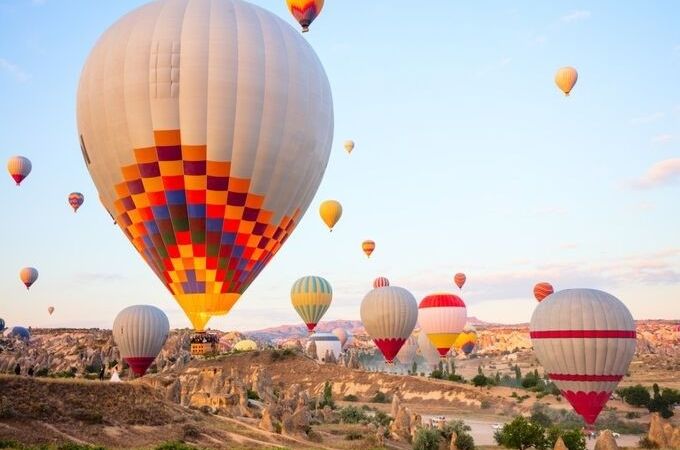
Yes. Hot air balloons operate during winter when weather conditions permit, and a snowy landscape can make a January flight particularly memorable.
Winter, however, requires flexibility.
Balloon operations depend on factors such as wind, visibility and other aviation conditions rather than temperature alone. A freezing but calm morning may be suitable, while a warmer morning with unsuitable wind may not be.
January travelers should therefore avoid building the entire Cappadocia visit around one specific balloon morning. Staying at least two nights gives more flexibility than arriving for a single night, although additional nights still cannot guarantee a flight.
If the balloon is important to you, arranging a Cappadocia balloon tour alongside a multi-day stay gives you a more practical schedule than treating it as a stand-alone excursion.
The other consideration is clothing. Balloon departures happen around dawn, when January temperatures can be at their lowest. Dress for the waiting period and pre-flight preparation as well as the flight itself.
Are the Roads Difficult in January?
Major roads connecting Kayseri, Nevşehir, Göreme, Uçhisar and other principal locations are used throughout winter, and tourism does not stop in January. Nevertheless, snow and ice can occasionally slow journeys.
The bigger concern for most visitors is not whether Cappadocia is accessible, but whether a rigid itinerary leaves enough room for weather-related delays.
This is one reason organized transport can be particularly useful in winter. A private Cappadocia journey allows sightseeing times and stops to be adjusted more easily when conditions change.
Visitors renting cars should be comfortable driving in winter conditions and check the weather before setting out, especially after overnight snowfall. Smaller roads and elevated areas may behave differently from major routes.
What Should You Wear in Cappadocia in January?
Pack for freezing mornings rather than simply looking at the average daytime high.
A practical January wardrobe usually includes a warm winter coat, thermal or insulating base layers, sweaters or fleece, gloves, a hat, warm socks and water-resistant footwear with decent traction.
Footwear deserves particular attention.
Cappadocia's terrain is uneven even in good weather. Add snow, frozen ground or mud and fashionable city shoes quickly become inconvenient. You do not necessarily need technical mountaineering boots, but shoes should be comfortable, warm and stable.
Sunglasses are also useful. Bright winter sun reflecting from fresh snow can be surprisingly intense.
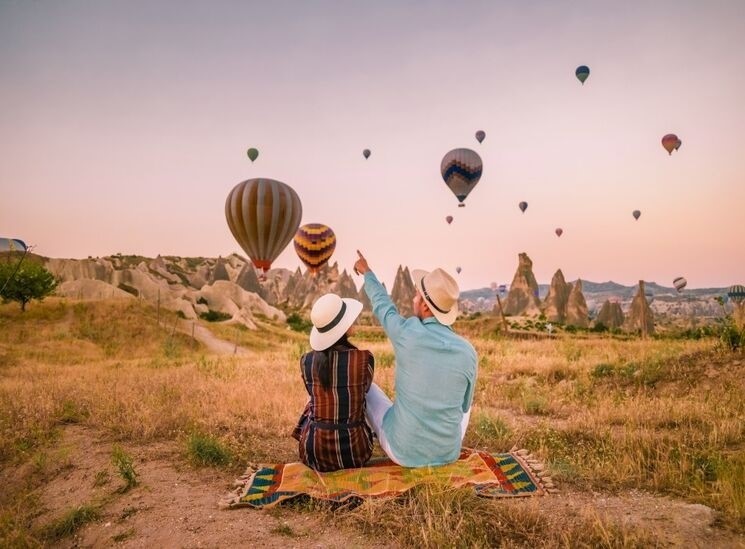
January Is Better for Short Explorations Than Marathon Sightseeing
Trying to reproduce a summer itinerary in January misses the point of visiting Cappadocia in winter.
Instead of spending an entire day moving rapidly between outdoor sites, January works better with a slower rhythm. Visit a viewpoint while the morning light is good, spend time inside an underground city or rock-cut church, stop for a warm lunch, and return outside when conditions are comfortable.
Göreme Open-Air Museum remains particularly useful in this kind of schedule because the experience combines outdoor walking with historic rock-cut interiors. Kaymaklı or Derinkuyu offers another option when prolonged exposure to winter weather is less appealing.
Uçhisar is rewarding on clear days because the elevated position provides wide views, although exposed areas can feel colder in the wind.
This slower pace is not necessarily a disadvantage. With fewer visitors around, places that can feel busy in high season often have a completely different atmosphere.
Is January a Good Month for Photography?
For winter landscape photography, it can be exceptional.
Fresh snow simplifies Cappadocia's already unusual shapes, creating strong contrasts around fairy chimneys, cave entrances and valley walls. Clear weather following a storm can produce particularly crisp visibility.
There is another advantage: winter sunlight remains lower in the sky than during summer, which can create softer shadows for longer periods of the day.
The challenge is unpredictability. You cannot order fresh snow for the morning of your visit, and overcast conditions may occasionally flatten the landscape.
Photographers should therefore treat snow as a possibility rather than a requirement. Even without it, bare winter vegetation and low-season light give Cappadocia a visual character quite different from spring or autumn.
Who Should Visit Cappadocia in January?
January works best for travelers who value atmosphere over predictability.
It is particularly appealing if you enjoy winter landscapes, photography, quieter archaeological sites and cave-hotel evenings. Travelers who dislike heat may also find daytime sightseeing comfortable when the weather is calm and sunny.
On the other hand, January is not the strongest choice if long valley hikes are the main purpose of your visit, if you dislike freezing mornings, or if every activity must happen on a fixed day.
That distinction matters.
Cappadocia is not “better” or “worse” in January. It is simply a different version of the destination, and travelers who arrive expecting that version tend to appreciate it far more.
How Many Days Should You Allow?
Two nights can cover the essentials, but winter rewards a little extra flexibility.
With only one full day, poor weather has a much greater influence on the trip. A three-night stay gives you additional room to rearrange outdoor sightseeing, photography and a possible balloon flight around conditions.
Extra time does not eliminate weather uncertainty, but it makes that uncertainty easier to live with.
January is therefore one of the months when adding a night can improve the experience for reasons that have little to do with seeing more attractions.
Frequently Asked Questions About Cappadocia in January
Does it snow in Cappadocia in January?
Yes, snow is possible and January is firmly within Cappadocia's winter season. Fresh snowfall can cover valleys and fairy chimneys, but snow cover varies considerably from year to year and even from one week to another. Travelers should prepare for snow without assuming they are guaranteed to see a completely white landscape.
How cold is Cappadocia in January?
Daytime temperatures are commonly only a few degrees above freezing, while nights and early mornings can fall below 0°C. Wind makes exposed viewpoints feel colder. Because temperatures change throughout the day, layered clothing is much more practical than choosing clothes based only on the forecast afternoon maximum.
Do hot air balloons operate in January?
They can operate throughout January when aviation and weather conditions are suitable. Winter temperatures alone do not prevent flights, but wind, visibility and other factors can lead to cancellations. Travelers particularly interested in ballooning benefit from spending several nights in Cappadocia rather than relying on one available morning.
Is Cappadocia worth visiting in January?
It can be one of the region's most atmospheric months for travelers who enjoy winter. Snowy landscapes, quieter sites and cave hotels create a very different experience from high season. It is less suitable for visitors primarily interested in long hikes or those who want consistently mild outdoor weather.
Are Cappadocia's attractions open during January?
Major attractions generally continue operating during winter, although opening arrangements and access conditions can change. Weather may have a greater effect on outdoor paths and viewpoints than on the principal museums and underground cities. Checking current opening information shortly before visiting is sensible, particularly around holidays or severe weather.
Can you hike the valleys in January?
Sometimes. Conditions matter more than the calendar. Dry, cold days can provide enjoyable walking, while snow, ice or melting snow can make trails slippery or muddy. Rather than committing to a long hike in advance, check local conditions and choose a route appropriate for that particular day.
Is January crowded in Cappadocia?
January is generally much quieter than the main spring, summer and autumn travel periods. This can make museums, viewpoints and villages feel noticeably calmer. Visitor numbers can still increase around holiday periods, and balloon demand may remain strong whenever flying conditions are favorable.
Are cave hotels warm in winter?
Many established cave hotels operate throughout winter and have heating, making January evenings surprisingly cozy. However, properties differ in design and heating systems. Travelers who feel the cold easily should check room heating arrangements when booking rather than assuming every cave room provides exactly the same winter experience.
What shoes should I wear in January?
Warm, water-resistant footwear with good traction is the most useful choice. Cappadocia already has uneven terrain, and January can add snow, frost, ice or mud. Shoes designed only for city streets may be uncomfortable around valleys and viewpoints, even if you are not planning serious hiking.
Is January good for a Cappadocia honeymoon?
For couples who enjoy winter scenery, cave hotels and quieter surroundings, January can feel especially intimate. It is less suitable for a honeymoon built around long outdoor days. Choosing a comfortable hotel and allowing some flexibility in the itinerary makes a significant difference during winter.
Should I rent a car in Cappadocia in January?
A rental car provides independence, but drivers should be confident with possible snow and ice. Conditions may change overnight, and smaller roads can differ from major routes. Travelers without winter-driving experience may find organized transfers and guided transportation more relaxing during this particular month.
Is January or February better for Cappadocia?
January is the stronger choice if your priority is the possibility of a deeply wintry landscape and snow-covered scenery. February remains winter but has its own character as the season gradually moves toward its later phase. Choose January specifically for the full winter atmosphere rather than treating the two months as interchangeable.
Is January the Right Time for You?
January reveals a side of Cappadocia that warm-season photographs rarely capture. The valleys are quieter, cave hotels feel particularly inviting after dark, and fresh snow can turn familiar rock formations into an entirely different landscape.
The trade-off is flexibility. You need proper winter clothing, realistic expectations about trails and roads, and enough room in the itinerary for weather to influence the day.
If that sounds appealing rather than inconvenient, January can be one of the most distinctive times to experience Cappadocia.

A travel professional specializing in tailor-made travel planning, guest experience management, and multi-destination tourism operations.
With over 23 years of experience in the travel industry, he designs and manages private and cultural tours for international travelers across Türkiye, Greece, Egypt, Jordan, Morocco, and other destinations.
He has strong expertise in both online and face-to-face guest communication, sales processes, and end-to-end travel operations.
Working closely with hotels, travel agencies, and local partners, he ensures smooth coordination and high-quality travel experiences at every stage of the journey.
His focus is on delivering personalized, reliable, and seamless travel experiences for international guests worldwide.