
Exploring Turkey's Climate: A Regional Weather Guide for Travelers
Turkey is one of those countries where the weather can completely change your travel experience.
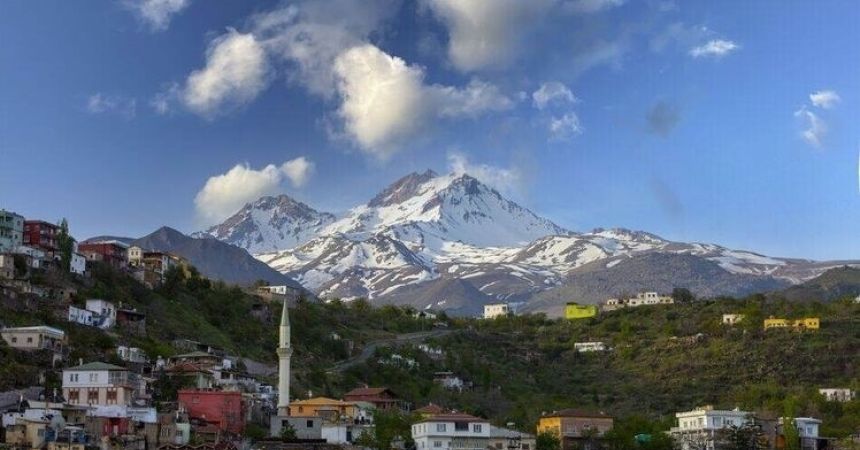
You might be walking along a sunny beach in Antalya while snow covers the mountains behind the city.
You might need a jacket in Cappadocia at sunrise, then sit outside for lunch in comfortable sunshine.
Or you might arrive in Istanbul expecting Mediterranean weather and discover that the Bosphorus has its own changing mood.
That is what makes exploring Turkey's climate so interesting.
Turkey is not a one-weather destination.
Its climate changes by region, season, altitude, and coastline. Understanding these differences helps travelers choose the right route, pack properly, and avoid surprises.
Quick Climate Snapshot
| Region | Climate Style | Best Travel Months |
|---|---|---|
| Istanbul & Marmara | Mild, mixed, changeable | April-June, September-October |
| Aegean Coast | Mediterranean | May-June, September-October |
| Mediterranean Coast | Hot summers, mild winters | April-June, September-November |
| Central Anatolia | Dry, cold winters, hot summers | April-June, September-October |
| Eastern Turkey | Long winters, short summers | June-September |
| Black Sea Region | Rainy, green, humid | May-September |
| Southeastern Turkey | Hot, dry summers | March-May, October-November |
Why Turkey Has So Many Climate Types
Turkey sits between Europe, Asia, the Mediterranean, the Black Sea, and the Middle East.
That location creates real variety.
Coastal areas are shaped by the sea.
Central regions are affected by altitude.
Eastern Turkey has harsher winters.
The Black Sea stays green because of regular rainfall.
This is why a two-week Turkey itinerary can feel like several different countries in one journey.
Istanbul and the Marmara Region
Istanbul has a mixed climate.
It is not as hot as Antalya.
It is not as dry as Cappadocia.
And it changes quickly because of the Bosphorus, the Black Sea, and the Sea of Marmara.
Spring and autumn are usually the most comfortable seasons.
Summer can be warm and humid.
Winter is cool, rainy, and occasionally snowy.
Many first-time visitors are surprised that Istanbul feels more seasonal than Turkey's southern coast.
The Aegean Coast
The Aegean region includes places such as Izmir, Ephesus, Kusadasi, Bodrum, and Pamukkale.
This area has a classic Mediterranean climate.
Summers are hot and dry.
Winters are mild and wetter.
Spring brings flowers, green landscapes, and comfortable sightseeing weather.
Autumn keeps the sea warm while reducing the summer crowds.
For cultural travel, May and October are often more comfortable than July and August.
The Mediterranean Coast
Antalya, Fethiye, Kas, Kalkan, Side, and Alanya enjoy some of Turkey's warmest weather.
Summers are hot, sunny, and very dry.
Winters are mild compared with most of Europe.
Spring and autumn are excellent for combining beaches, boat trips, ancient ruins, and hiking.
One thing travelers often notice is the contrast between warm coastal weather and snow-covered Taurus Mountains in the background.
Central Anatolia and Cappadocia
Cappadocia has a very different climate from coastal Turkey.
Because of its altitude and inland location, temperatures change sharply between day and night.
Summers are dry and warm.
Winters can be cold and snowy.
Spring and autumn are the most comfortable seasons for hiking, sightseeing, and hot air balloon flights.
Even in summer, mornings can feel cool, especially before sunrise balloon departures.
The Black Sea Region
Turkey's Black Sea coast feels completely different.
This region is greener, wetter, and more humid.
Places such as Trabzon, Rize, and the highlands receive regular rainfall throughout the year.
Visitors often find tea plantations, forests, waterfalls, and misty mountain scenery.
Unlike southern Turkey, the Black Sea region is not mainly about beach holidays.
It is best for nature, mountain villages, photography, and cooler summer escapes.
Eastern Turkey
Eastern Turkey has the country's most dramatic seasonal changes.
Winters are long, cold, and snowy.
Summers are short but often pleasant.
Destinations such as Van, Erzurum, Kars, and Mount Ararat are best visited during late spring, summer, and early autumn.
Travelers interested in history, landscapes, and less-visited routes often find eastern Turkey deeply rewarding, but timing matters more here than in western regions.
Southeastern Turkey
Southeastern Turkey includes cities such as Gaziantep, Sanliurfa, Mardin, and Diyarbakir.
This region has hot, dry summers and mild winters.
July and August can be extremely hot for sightseeing.
Spring and autumn are much more comfortable.
Many visitors prefer March, April, October, or November for exploring historical cities, old bazaars, stone architecture, and regional cuisine.
Turkey by Season
Spring
Spring is one of the best times to visit Turkey.
The weather is mild.
Landscapes are green.
Crowds are manageable.
It is ideal for Istanbul, Cappadocia, Ephesus, Antalya, and southeastern Turkey.
Summer
Summer is beach season.
The Mediterranean and Aegean coasts are at their busiest.
Istanbul can be humid.
Cappadocia is dry and sunny.
Southeastern Turkey can become very hot.
Autumn
Autumn is one of Turkey's most balanced seasons.
The sea remains warm.
Sightseeing becomes easier.
Hotel demand begins to soften after peak summer.
Many repeat visitors quietly prefer September and October.
Winter
Winter varies greatly by region.
Antalya remains mild.
Istanbul becomes cool and rainy.
Cappadocia may receive snow.
Eastern Turkey experiences real winter conditions.
Winter is excellent for cultural travel, photography, skiing, and fewer crowds.
Best Time to Visit Turkey by Travel Style
| Travel Style | Best Months |
| First-Time Turkey Trip | April-June, September-October |
| Beach Holiday | June-September |
| Cultural Sightseeing | April-May, October-November |
| Cappadocia Balloons | April-June, September-October |
| Hiking | April-June, September-November |
| Budget Travel | November-March |
| Photography | Spring, autumn, snowy winter |
What to Pack for Turkey's Climate
Packing depends heavily on your route.
For Istanbul, bring layers.
For Cappadocia, pack for cool mornings.
For Antalya in summer, light clothing and sun protection are essential.
For eastern Turkey, warmer clothing may be needed even outside winter.
A good rule is simple: never pack for "Turkey" as one climate. Pack for the specific regions you will visit.
Turkey Climate Travel Tips
Check your route before packing.
Do not assume Istanbul and Antalya have the same weather.
Plan archaeological sites for mornings during summer.
Allow flexibility for Cappadocia balloon flights.
Bring layers for spring and autumn.
Consider altitude, not only season.
This small planning effort can make the trip much more comfortable.
Why Understanding Turkey's Climate Matters
Turkey rewards travelers who plan around the weather.
The same country can offer beach days, snowy mountains, green highlands, desert-like plains, and cool historic cities.
That variety is part of the appeal.
Exploring Turkey's climate helps visitors choose the right destinations at the right time and enjoy a smoother, more memorable journey.
Why Plan Your Turkey Trip with Magnificent Travel?
Turkey's climate changes dramatically from region to region, so good planning can make a major difference to your travel experience.
Many visitors use a Turkey Seasonal Travel Planner, explore the Best Coastal Routes in Turkey, and review a Cappadocia and Central Anatolia Guide before finalizing their route.
Magnificent Travel specializes in tailor-made journeys across Turkey, Greece, Egypt, Jordan, Morocco, and Israel. With expert local knowledge and personalized service, the company helps travelers match destinations, seasons, hotels, and activities for a smoother experience.
Having welcomed more than 1,100 travelers and maintaining a 5.0/5.0 TripAdvisor rating, Magnificent Travel continues creating memorable journeys across Turkey and beyond.
Frequently Asked Questions
What type of climate does Turkey have?
Turkey has several climate types because of its size, coastline, and mountain ranges. Coastal areas are generally Mediterranean, central regions are drier with colder winters, the Black Sea is wetter, and eastern Turkey experiences stronger seasonal extremes.
What is the best month to visit Turkey?
April, May, September, and October are often the best months for most travelers. These periods usually offer comfortable temperatures, good sightseeing conditions, manageable crowds, and suitable weather for combining Istanbul, Cappadocia, Ephesus, and coastal regions.
Is Turkey hot in summer?
Yes, many parts of Turkey become hot in summer, especially the Mediterranean, Aegean, and southeastern regions. Coastal areas are excellent for beach holidays, while cultural sightseeing is more comfortable in the morning or later afternoon.
Does it snow in Turkey?
Yes, snow is common in many inland and eastern regions during winter. Cappadocia, eastern Turkey, and mountain areas can receive significant snowfall, while Istanbul occasionally sees snow. Southern coastal cities such as Antalya rarely experience snow.
Which region of Turkey has the best weather?
It depends on the season. Antalya and the Mediterranean coast are excellent for mild winters and beach holidays, while Istanbul and Cappadocia are best in spring and autumn. The Black Sea region is ideal for green summer landscapes.
Is Turkey good to visit all year?
Yes, Turkey can be visited year-round, but the best region depends on the season. Winter suits culture and snow landscapes, spring is ideal for sightseeing, summer is best for beaches, and autumn offers balanced weather.

A travel professional specializing in tailor-made travel planning, guest experience management, and multi-destination tourism operations.
With over 23 years of experience in the travel industry, he designs and manages private and cultural tours for international travelers across Türkiye, Greece, Egypt, Jordan, Morocco, and other destinations.
He has strong expertise in both online and face-to-face guest communication, sales processes, and end-to-end travel operations.
Working closely with hotels, travel agencies, and local partners, he ensures smooth coordination and high-quality travel experiences at every stage of the journey.
His focus is on delivering personalized, reliable, and seamless travel experiences for international guests worldwide.


