Best Month to Visit Cappadocia: Choose by Travel Style
Updated: August 2026
There is no single best month to visit Cappadocia.
There is, however, a month that is probably better for you.
A traveler who wants long valley walks, comfortable outdoor sightseeing and enough daylight to explore slowly should not necessarily choose the same month as someone whose main ambition is photographing snow around Göreme. A couple planning a special trip around a balloon flight may value schedule flexibility differently from a photographer willing to accept colder conditions for a more dramatic landscape.
This is where most “best month” advice becomes too simplistic.
Cappadocia is not a destination where the only question is whether the weather is warm. The experience depends on several moving parts: balloon operations, early-morning conditions, walking comfort, hotel demand, landscape color, daylight, tour pacing and how much uncertainty you are willing to tolerate.
The most useful way to choose a month is therefore not to rank the calendar from one to twelve.
It is to ask:
What part of Cappadocia matters most to me, and which month gives that priority the best chance to work well?
If You Want the Broadest Balance, Think May or September
For many first-time travelers, May and September offer the most balanced versions of Cappadocia.
The reason is not that every day is guaranteed to be perfect. No month provides that.
What these periods often offer is a useful combination of outdoor comfort, longer usable days, active tourism infrastructure and enough flexibility to enjoy valleys, viewpoints, underground cities and early-morning experiences without building the entire itinerary around either winter cold or midsummer heat.
May tends to feel fresher and greener in the wider landscape.
September often carries a drier, more settled late-season character.
For a traveler who says:
“I want Cappadocia to feel easy rather than extreme,”
these are usually the first months worth comparing.
They are not always the cheapest or quietest, but they make relatively few demands on the traveler.
April Is for Travelers Who Like Cappadocia Slightly Unfinished
April can be particularly rewarding for people who do not need every day to behave predictably.
Spring is arriving, but the region may still feel transitional rather than fully settled into the long warm-season rhythm.
That creates personality.
Valleys can look fresh, crowds may feel different from peak periods, and the destination can be rewarding for travelers who enjoy spring conditions rather than expecting guaranteed outdoor perfection.
The trade-off is greater variability.
If your trip is tightly structured around one morning, one balloon possibility and one specific photography condition, April may feel less reassuring than later spring.
If you enjoy a destination that still feels as though the season is changing around you, it can be one of the most interesting months.
June Is Better for Long Days Than for Empty Valleys
June offers another kind of advantage: usable daylight.
Travelers who like stretching a day can fit more comfortably around early starts, long lunches, valley walks and evening viewpoints without feeling that darkness arrives before the itinerary has finished.
This can be particularly valuable for independent travelers who do not want every activity bundled into a formal tour.
The compromise is growing demand.
Cappadocia becomes increasingly active, and popular viewpoints, restaurants and hotels can feel busier.
June therefore works best for travelers who value long days and energetic sightseeing more than solitude.
If your idea of the perfect Cappadocia trip includes quiet trails and empty terraces, another month may suit you better.
July and August Are Not “Bad Months” — They Require a Different Rhythm
Generic travel advice often dismisses July and August because they are warmer and busier.
That is too easy.
Thousands of travelers enjoy Cappadocia successfully during these months, but the day needs to be structured differently.
Early starts become more valuable.
Long exposed walks are better placed earlier rather than around the hottest part of the afternoon.
Hotel terraces, shaded lunches and slower mid-day periods become part of sensible pacing rather than signs that you are wasting time.
The months also suit travelers whose wider Turkey journey naturally falls in summer and who prefer reliable tourism infrastructure to shoulder-season uncertainty.
The question is not whether Cappadocia “works” in July or August.
It does.
The question is whether you enjoy organizing a sightseeing day around heat rather than pretending it is not there.
October Is for Travelers Who Want Autumn Without Giving Up the Full Experience
October is one of Cappadocia’s strongest months for travelers who enjoy cooler days, softer seasonal atmosphere and a more autumnal landscape without intentionally choosing winter.
The month often suits couples, photographers and travelers who prefer walking in cooler conditions.
The main planning difference from September is that the margin for seasonal variability increases as the month progresses.
That should not discourage you.
It simply means early and late October should not be treated as identical travel periods.
If you are flexible, enjoy layers and value atmosphere more than maximum daylight, October can feel particularly satisfying.
It is also a useful month for travelers who want Cappadocia as one part of a broader Turkey journey without experiencing the intensity of peak summer.
November Belongs to Travelers Who Do Not Need Cappadocia to Feel Warm
November changes the character of the region more substantially.
The main advantage is not simply fewer visitors or potentially lower demand.
It is mood.
Cappadocia begins to feel quieter, more introspective and less like a destination operating at full warm-season rhythm. The landscape can appear more muted, mornings more demanding and the day shorter.
For some travelers, this is exactly what makes November appealing.
For others, it removes the parts of Cappadocia they imagined enjoying most: long outdoor lunches, extended valley exploration and comfortable evenings on terraces.
Choose November if the quieter atmosphere attracts you.
Do not choose it merely because you heard shoulder-season travel is always “better value.”
December Through February Are About Winter Cappadocia, Not Discount Cappadocia
Winter should be selected for what it is.
Snow around Göreme or Uçhisar can transform Cappadocia into one of Turkey’s most visually distinctive landscapes, but snow is not something any traveler should treat as guaranteed decoration waiting for arrival.
Cold mornings, shorter days and winter operational realities become part of the trip.
That trade-off is worthwhile for travelers who genuinely enjoy winter.
It is less sensible for someone who simply wants Cappadocia at a lower price while expecting the same day structure as May.
This distinction matters enormously.
Winter Cappadocia is not the warm-season product sold more cheaply.
It is a different experience.
Travelers deliberately interested in that version of the region can compare Cappadocia winter tour journeys rather than selecting January or February solely because accommodation looks attractive.
March Is for People Comfortable With Seasonal Ambiguity
March is one of the hardest months to generalize because it sits between winter and spring.
That is also its attraction.
The region may still show winter characteristics while beginning to move toward spring, creating a travel environment that can feel dramatically different from one week to another.
For flexible travelers, this gives March an appealing unpredictability.
For people planning a once-in-a-lifetime trip where every activity has to operate exactly as imagined, another month may provide more emotional comfort.
This is an important distinction:
some travelers enjoy variability as atmosphere.
Others experience it as stress.
Knowing which type you are is more useful than reading another average climate table.
Choose the Month According to the Experience You Refuse to Compromise On
This is the most practical decision framework.
| Your non-negotiable priority | Months to examine first | Why |
|---|---|---|
| Balanced first visit | May, September | Strong overall compromise |
| Long outdoor days | June | Daylight supports flexible touring |
| Cooler hiking | May, October | Comfortable walking emphasis |
| Summer Turkey itinerary | June–August | Easy to combine with wider trip |
| Autumn atmosphere | October | Strong seasonal character |
| Winter photography | December–February | Most distinctive cold-season potential |
| Fewer warm-season crowds | April, November | More transitional atmosphere |
| Green spring character | April–May | Landscape feels fresher |
| Maximum seasonal predictability | Late spring / early autumn | Fewer extremes than winter or peak summer |
This table deliberately avoids temperatures.
Those belong to the individual monthly weather owners.
Here, the decision is about travel style.
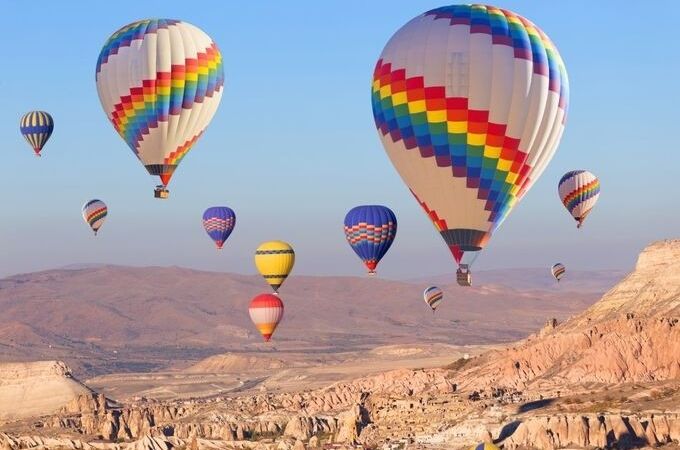
Balloon Flights Should Influence the Month — but Not Control It
Hot-air ballooning is one of Cappadocia’s defining experiences, so travelers naturally want to choose the month that guarantees a flight.
No such month exists.
Balloon operations depend on suitable conditions, and cancellations can occur at different times of the year.
The stronger strategy is not chasing a mythical month when balloons never cancel.
It is building itinerary resilience.
If ballooning is a major priority, give Cappadocia enough mornings that a cancellation on the first opportunity does not automatically end the possibility.
That is more useful than selecting the “best balloon month” and spending only one night in the region.
The number of opportunities often matters more than the month label.
Two Nights Changes the Best Month Calculation
This is where duration and timing interact.
A traveler spending two nights has less tolerance for disruption than someone staying four.
With a very short stay, you may value months where the overall travel rhythm is generally easier and daylight more generous.
With four or five nights, transitional months become more attractive because you have time to adapt.
One morning can be slow.
One afternoon can change.
A balloon attempt can move.
A hiking day can be swapped with an underground-city visit.
This is why the “best month” question cannot be separated entirely from how long you are staying.
A month that works beautifully for a flexible four-night trip may be unnecessarily risky for a tightly compressed visit.
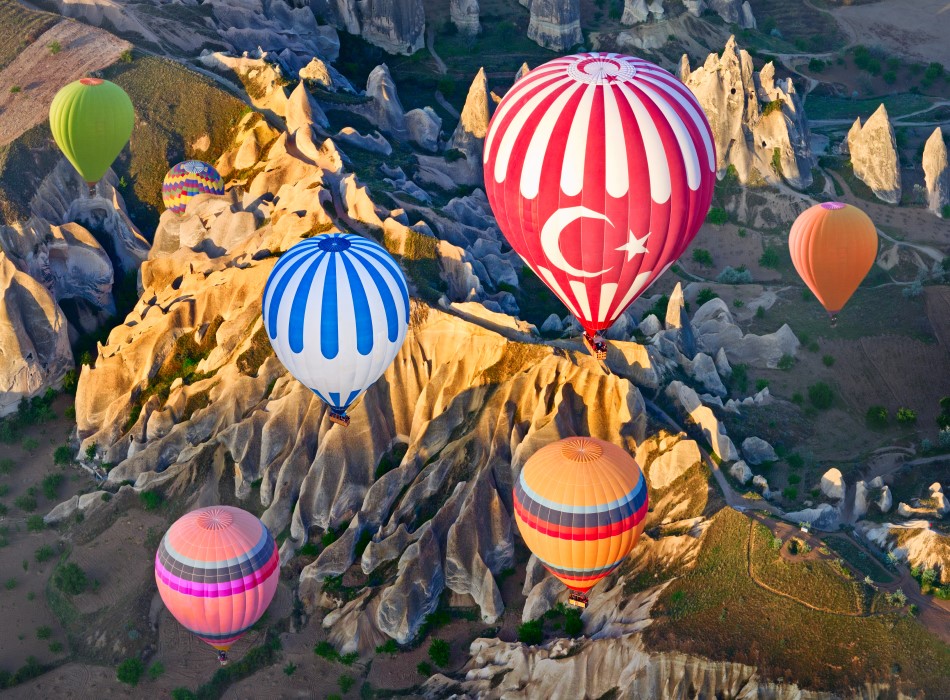
Hiking Changes the Calendar More Than Many Travelers Realize
Cappadocia’s valleys are not museum corridors.
They involve open landscapes, uneven terrain, changing elevation and exposure.
If hiking through valleys such as Rose, Red or Pigeon Valley is central to the trip, comfort while moving matters more than whether the afternoon looks attractive from a hotel terrace.
Late spring and early autumn often appeal strongly to active travelers for this reason.
Summer still works, but walking becomes more time-sensitive.
Winter creates completely different terrain and preparation requirements.
For travelers who plan to see Cappadocia mainly by vehicle and viewpoint, these differences matter less.
That is another reason generic month rankings fail: two visitors can experience the same destination physically in completely different ways.
Photographers Should Choose the Landscape, Not the Temperature
Photography changes the month-selection logic again.
Spring can provide fresher vegetation and changing skies.
Summer often delivers drier colors and more predictable long daylight.
Autumn softens the landscape differently.
Winter can transform the entire visual identity if snow arrives.
None is objectively better.
The right month depends on the images you want to make.
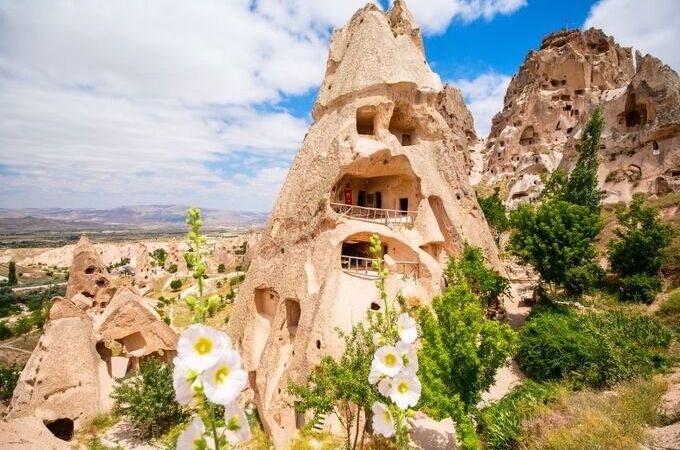
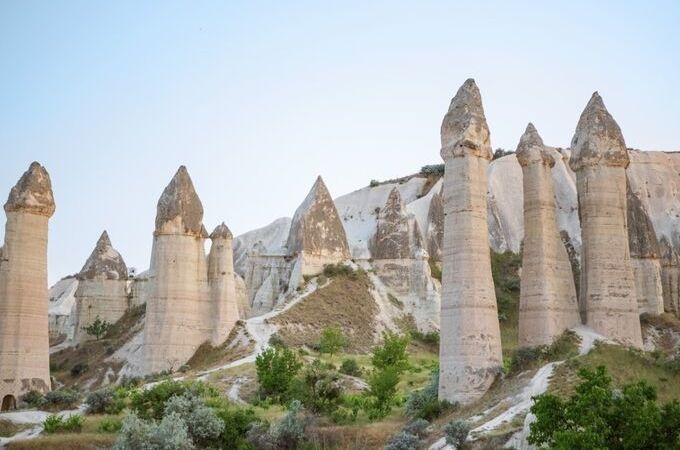
Photographers should also think beyond sunrise balloons. Cappadocia offers rock texture, cave architecture, village details, late light and weather-driven mood throughout the day.
Traveling solely for the famous sunrise image can make a multi-day photographic destination surprisingly narrow.
Families Usually Benefit From Months With Lower Planning Friction
Families can travel to Cappadocia throughout the year, but the best month depends heavily on children's ages.
Very young children often make extreme heat, cold or long outdoor walking less convenient.
School-age children may tolerate a broader range of conditions but still benefit from an itinerary that does not require every day to be reorganized around weather.
For many families, May, June, September or early October can therefore feel easier from an operational perspective.
That is not a rule.
A family that loves snow may prefer winter.
Another that can travel only in July can have an excellent summer trip by scheduling intelligently.
The useful objective is reducing unnecessary friction, not finding a perfect month.
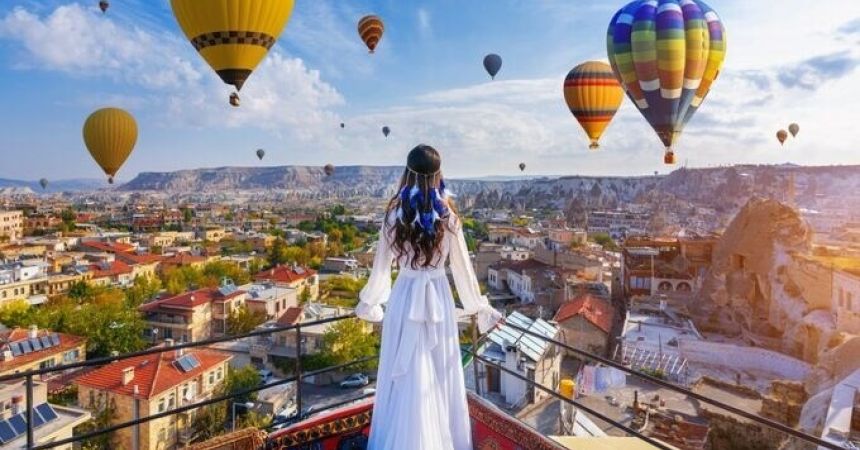
Couples Often Care More About Atmosphere Than Efficiency
Couples planning a honeymoon, anniversary or special trip sometimes evaluate Cappadocia differently from families or intensive touring groups.
Hotel choice matters more.
Terrace time matters more.
A slow evening can matter as much as completing another valley.
For that type of trip, May, September and October often become attractive because outdoor comfort and atmosphere can align well.
Winter can also be highly romantic for couples who genuinely enjoy cold-weather travel and accept the associated unpredictability.
The mistake is assuming romance requires warm weather.
What it requires is a travel style that matches both people.
Hotel Demand Is Part of Month Selection
Cappadocia has many distinctive cave hotels, but the most desirable properties and room categories are not infinitely available.
During stronger travel periods, booking later can leave travelers choosing between a preferred location and a preferred room type.
This matters more in Cappadocia than in destinations where hotel rooms are relatively standardized.
A particular cave suite, terrace view or room configuration can significantly influence a special trip.
Therefore, if May, June, September or October is your preferred period, secure accommodation with enough lead time rather than assuming flexibility will remain until flights are finalized.
Travelers comparing complete regional arrangements can use Cappadocia travel packages to evaluate hotel, transfer and sightseeing structure together rather than treating each component independently.
Spring or Autumn? This Is the Most Useful Final Comparison
For travelers who have already eliminated summer and winter, the decision usually becomes spring versus autumn.
Choose spring if you like landscapes waking up, greater freshness and the psychological feeling of the travel season beginning.
Choose autumn if you prefer more mature seasonal conditions, softer late-year atmosphere and a landscape transitioning toward winter rather than away from it.
Both periods can provide excellent Cappadocia travel.
The distinction is subtle but real.
Some travelers love spring energy.
Others prefer autumn calm.
There is no algorithm capable of deciding that preference for you.
What Month Would I Choose for a First Cappadocia Trip?
If I were planning a first visit for a traveler with no unusual constraints, I would begin by comparing May and September.
Not because other months are inferior, but because these two tend to offer the broadest compromise among sightseeing, walking, daylight, hotel life and general itinerary flexibility.
Then I would adjust.
Move toward June if long days matter more.
Move toward October if cooler atmosphere appeals.
Move toward winter if snow and seasonal mood are the actual attraction.
Move toward July or August if Cappadocia must fit naturally into a broader summer Turkey holiday.
Travelers combining the region with several parts of the country can examine Istanbul Cappadocia tour routes to see how timing decisions affect the entire journey rather than optimizing Cappadocia in isolation.
The best month is rarely the one with the highest score on a generic calendar.
It is the month that creates the fewest compromises for your trip.
Frequently Asked Questions About Choosing a Month for Cappadocia
1. What is the best month for a first trip to Cappadocia?
May and September are often strong starting points for first-time travelers because they provide a useful balance between outdoor sightseeing, walking and general travel comfort. The better choice ultimately depends on whether you prefer spring freshness or early-autumn atmosphere.
2. Is April a good month if I want fewer crowds?
April can appeal to travelers who prefer a more transitional spring atmosphere, although conditions can feel less settled than later spring. Choose it because you enjoy seasonal variability rather than simply assuming fewer visitors automatically make every aspect of the trip better.
3. Is June better than May for Cappadocia?
June provides longer days and a more established warm-season rhythm, while May can feel fresher and more comfortable for travelers prioritizing walking. The better month depends on whether daylight and summer energy matter more than softer spring conditions.
4. Should I avoid Cappadocia in July and August?
Not necessarily. Summer can work very well when sightseeing is structured around earlier starts, slower midday periods and realistic walking expectations. Travelers already visiting Turkey in summer should not automatically redesign the entire trip solely to avoid Cappadocia during these months.
5. Is September or October better for Cappadocia?
September usually offers a more settled late-summer or early-autumn rhythm, while October brings stronger autumn character and cooler conditions. Travelers wanting maximum outdoor flexibility may prefer September, while those attracted to seasonal atmosphere often find October more appealing.
6. Is winter worth choosing specifically for Cappadocia?
Yes, when winter itself is part of the attraction. Snow can transform the landscape beautifully, although it should never be treated as guaranteed. Cold conditions and shorter daylight create a genuinely different Cappadocia experience rather than a cheaper version of summer.
7. What month gives me the best chance of a balloon flight?
No month guarantees balloon operation because flights depend on suitable daily conditions. Travelers for whom ballooning is essential should focus on allowing several possible mornings in Cappadocia rather than selecting one supposedly perfect month and staying for only a night.
8. Which month is best for hiking in Cappadocia?
Late spring and early autumn often suit hiking-oriented travelers because long valley walks can feel more comfortable than during hotter or colder extremes. The detailed conditions for each individual month should be checked through the relevant Cappadocia monthly weather guide.
9. When should photographers visit Cappadocia?
That depends on the visual character you want. Spring can bring fresher landscapes, autumn offers different tones and softer seasonal mood, while winter may provide dramatic snow scenes. Photography goals should therefore influence month choice more than generic comfort rankings.
10. Which months are easiest for families?
Late spring and early autumn often reduce planning friction for families because outdoor sightseeing can be easier to balance with children. However, school calendars, children's ages and tolerance for heat or cold may make summer or winter equally appropriate for specific families.
11. How many nights should I stay if weather flexibility matters?
Three or four nights provide considerably more resilience than a very short visit, particularly when ballooning, hiking or photography matters. Additional mornings and afternoons allow plans to be reorganized rather than making the entire Cappadocia experience dependent on one day's conditions.
12. What is the biggest mistake when choosing a month for Cappadocia?
The biggest mistake is selecting a month from temperature alone. Balloon priorities, walking style, crowd tolerance, hotel availability, daylight, trip length and preferred landscape can influence the experience more strongly than a single monthly average.

A travel professional specializing in tailor-made travel planning, guest experience management, and multi-destination tourism operations.
With over 23 years of experience in the travel industry, he designs and manages private and cultural tours for international travelers across Türkiye, Greece, Egypt, Jordan, Morocco, and other destinations.
He has strong expertise in both online and face-to-face guest communication, sales processes, and end-to-end travel operations.
Working closely with hotels, travel agencies, and local partners, he ensures smooth coordination and high-quality travel experiences at every stage of the journey.
His focus is on delivering personalized, reliable, and seamless travel experiences for international guests worldwide.