A Foodie’s Guide to Turkey: Eat Your Way Across the Regions
Updated: August 2026
The easiest way to misunderstand Turkish food is to arrive with a list.
Kebab. Baklava. Turkish delight. Meze. Turkish coffee. Perhaps a breakfast spread large enough to occupy an entire table.
All of those belong somewhere in the picture, yet eating them once does not really explain Turkish cuisine. Turkey is too geographically large, historically layered and agriculturally varied for one national “must-eat” checklist to work particularly well.
Travel from Izmir toward Gaziantep and the table changes. Move from Istanbul to the Black Sea and ingredients that seemed peripheral suddenly become central. Spend time on the Aegean coast and olive oil, herbs and vegetables become far more important than the meat-heavy image many first-time visitors bring with them.
Cappadocia introduces another rhythm, while Bursa, Adana, Hatay and southeastern Turkey each add culinary identities strong enough to shape the reason for visiting.
A food-focused Turkey trip therefore becomes much more interesting when you stop asking:
“What Turkish dishes should I try?”
and begin asking:
“What does this region cook especially well, and what would be strange to ignore while I am here?”
That one change turns eating from souvenir collection into travel.
Turkey Does Not Have One Table
Turkish cuisine developed across landscapes that produce very different ingredients.
The Aegean encourages olive oil, wild greens, herbs, seafood and vegetable dishes.
Central Anatolia has stronger traditions around grains, meat, dough and preserved foods shaped by an inland climate.
The Black Sea brings corn, anchovies, cabbage, dairy and hazelnuts into much greater prominence.
Southeastern Turkey becomes more intensely associated with grilled meats, peppers, pistachios, spice and elaborate pastry traditions.
Istanbul is different again because it gathers all of those regional influences into one enormous metropolitan food environment.
This is why ordering the same “Turkish mixed grill” in every destination works against the country.
You are traveling hundreds of kilometers while allowing the plate to remain exactly where it started.
Build a Food Itinerary Around Regions, Not Famous Dishes
A useful first culinary map looks something like this:
| Region | What to notice | Better food-travel question |
|---|---|---|
| Istanbul | Ottoman legacy, seafood, meze, street food, regional migration | Which neighborhood gives me the meal I want? |
| Aegean | Olive oil, herbs, vegetables, fish | What is local and seasonal today? |
| Central Anatolia | Dough, meat, grain, hearty local specialties | What belongs to this inland landscape? |
| Black Sea | Corn, dairy, anchovy, cabbage, hazelnut | Which ingredients define the region? |
| Southeast | Kebab traditions, peppers, pistachio, pastry | Which dish belongs to this city? |
| Mediterranean south | Citrus, vegetables, tahini, grilled food | How does the coast change the table? |
The point is not memorizing six categories.
It is learning to let geography influence what you order.
Istanbul Is Where You Can Taste Turkey — but Not Replace It
Istanbul is one of the best food cities in the country because people from almost every Turkish region have brought their cooking traditions into the metropolis.
That gives travelers enormous freedom.
You can eat Black Sea dishes at lunch, southeastern kebab in the evening and Aegean-style vegetables the next day without leaving the city.
Yet this convenience can create a false impression that there is no reason to eat regionally elsewhere.
There is.
A dish changes when its ingredients, restaurant culture and local habits belong naturally to the place around it.
Eating Gaziantep baklava in Istanbul can be excellent.
Eating it after several days understanding Gaziantep’s pistachio culture becomes a different experience.
Istanbul provides breadth.
The regions provide context.
Travelers who want food woven into historical sightseeing can use Istanbul culinary tour experiences to understand neighborhoods and eating culture together rather than treating meals as breaks between monuments.
Breakfast Is Not a Side Event
Turkish breakfast has become internationally fashionable, but visitors sometimes approach it as a spectacular table to photograph once and then move on.
That misses the everyday culture behind it.
A good breakfast may include cheeses, olives, tomatoes, cucumbers, eggs, bread, preserves, honey, butter and tea, with regional additions depending on where you are.
The meal does not always need twenty small plates.
A worker eating simit with cheese and tea is still participating in Turkish breakfast culture.
A village guesthouse serving local cheese and homemade jam may tell you more about the region than an expensive Istanbul brunch designed primarily for social media.
The useful food-travel question is not:
“Where is the biggest breakfast?”
It is:
“What on this breakfast table actually comes from here?”
Learn to Love the Esnaf Lokantası
Some of the best food experiences in Turkey happen in places that do not look particularly impressive.
An esnaf lokantası is traditionally a tradesmen’s restaurant serving prepared dishes displayed for customers to choose from, often including stews, vegetables, rice, soups and meat dishes.
For visitors, these restaurants solve several problems at once.
You can see what you are ordering.
You encounter everyday cooked food rather than only kebab or restaurant-specialty dishes.
Lunch is usually more straightforward than a formal dinner.
Most importantly, you experience food that many Turkish people genuinely eat as part of an ordinary working day.
This is where dishes such as beans, stuffed vegetables, casseroles and vegetable preparations gain the attention they rarely receive in international Turkish restaurant menus.
Meze Is a Way of Eating, Not One Dish
Visitors frequently say they want to “try meze” as though meze were a particular recipe.
It is better understood as a collection of small dishes designed for sharing and for slowing the meal down.
The exact selection changes according to restaurant, region and season.
Yogurt-based dishes may appear beside aubergine, seafood, herbs, beans, vegetables or cheese.
A good strategy is to ask which items are particularly good that day rather than automatically ordering everything familiar from photographs.
In coastal restaurants, meze can easily become the center of dinner.
The grilled fish or main dish then feels almost secondary.
That is perfectly normal.
The mistake is rushing through six plates so you can “get to the main course.”
The Aegean Is Where Vegetables Stop Feeling Like Side Dishes
Travelers expecting Turkey to be overwhelmingly meat-focused often discover the Aegean with relief.
Western Turkey has a strong tradition of zeytinyağlı dishes — vegetables prepared with olive oil — alongside herbs, salads, seafood and seasonal produce.
Different local greens may appear according to season, sometimes in very simple preparations where the quality of olive oil matters more than elaborate technique.
This cuisine rewards curiosity.
Point at something you do not recognize.
Ask its name.
Find out whether it is served warm or cold.
A food-focused stay around Izmir or the wider Aegean should leave space for these lighter meals rather than scheduling kebab every evening because that feels more recognizably Turkish.
Izmir Is a Good City for Eating Without Ceremony
Izmir works particularly well for travelers who enjoy regional food in ordinary settings.
Boyoz can appear at breakfast.
Gevrek — the local word commonly used for the sesame bread ring known elsewhere as simit — belongs to the everyday city rhythm.
Seafood, vegetable dishes and Aegean ingredients become easier to encounter without seeking a formal “culinary experience.”
This is an important distinction.
Not every memorable meal requires a guide, reservation or tasting menu.
Sometimes the most informative food day begins at a bakery and ends in a restaurant where you chose several vegetable dishes because they looked better than anything you had planned to order.
That spontaneity is part of eating well in Turkey.
Cappadocia Needs a Different Food Expectation
Cappadocia is famous internationally for landscapes rather than cuisine, which means food is often treated as secondary.
That can be a mistake.
Central Anatolian cooking naturally reflects a different environment from the coast. Dough, grains, meat, legumes and slow-cooked dishes appear more prominently, while regional wine traditions also add another dimension to the area.
Testi kebabı, the clay-pot dish strongly associated with Cappadocia tourism, is worth trying when prepared well, but it should not become the only regional food you notice.
Ask hotels and local restaurants what they cook that is less performative.
A dish served in a sealed clay vessel can be memorable.
A bowl of good soup after several cold hours outside can be just as regional and, sometimes, much more satisfying.
Southeastern Turkey Is Where Food Can Become the Reason for the Trip
For serious food travelers, southeastern Turkey deserves a different level of attention.
Cities such as Gaziantep have culinary reputations strong enough to influence entire journeys. Pistachios, kebab traditions, baklava, soups, offal, breads and highly specific local preparations create a food culture whose depth cannot be reduced to “spicy Turkish cuisine.”
One important lesson is that kebab itself is not one recipe.
Different cities and regions have their own styles, meat choices, seasoning, presentation and accompaniments.
This is why ordering “Adana kebab” in Adana or exploring Gaziantep’s local specialties has more value than simply eating grilled meat somewhere in Istanbul and declaring the category complete.
Food gains meaning when the name and place reconnect.
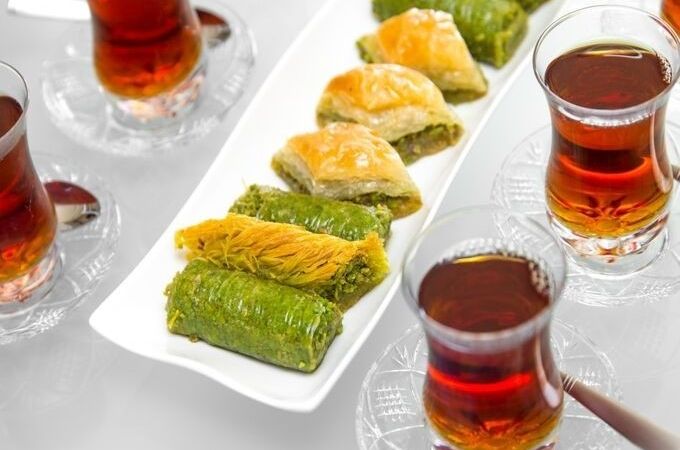
Gaziantep Baklava Is About Technique as Much as Pistachio
Baklava is available across Turkey and throughout a much wider regional geography.
Gaziantep has nevertheless developed an especially powerful association with it.
High-quality versions depend on extremely thin pastry, controlled syrup, good butter and pistachios that contribute flavor rather than merely decorative green color.
Food travelers should avoid turning this into a competition over finding “the number-one baklava shop.”
Several excellent producers can exist in one city.
Try different styles.
Notice texture.
Pay attention to how sweetness is balanced.
A dessert becomes more interesting when you stop eating it only to prove you found the famous place.
The Black Sea Has One of Turkey’s Most Distinctive Ingredient Identities
A Black Sea meal can challenge almost every stereotype visitors carry about Turkish cuisine.
Corn becomes important.
Cabbage appears often.
Dairy can become rich and comforting.
Anchovies — hamsi — have enormous regional cultural significance.
Hazelnuts belong naturally to the wider agricultural landscape.
Then there is kuymak or mıhlama, a hot mixture associated with cornmeal, butter and melted local cheese whose richness makes much more sense after seeing the cool, green mountain environment around Trabzon and Rize.
This is food tied visibly to geography.
Travelers interested in seeing that regional contrast can consider Black Sea food journeys, especially when Trabzon and surrounding highlands are already part of the itinerary.
Bursa Shows How One Famous Dish Can Still Be Worth Seeking
I usually resist building food travel around single famous dishes.
Bursa provides a good exception.
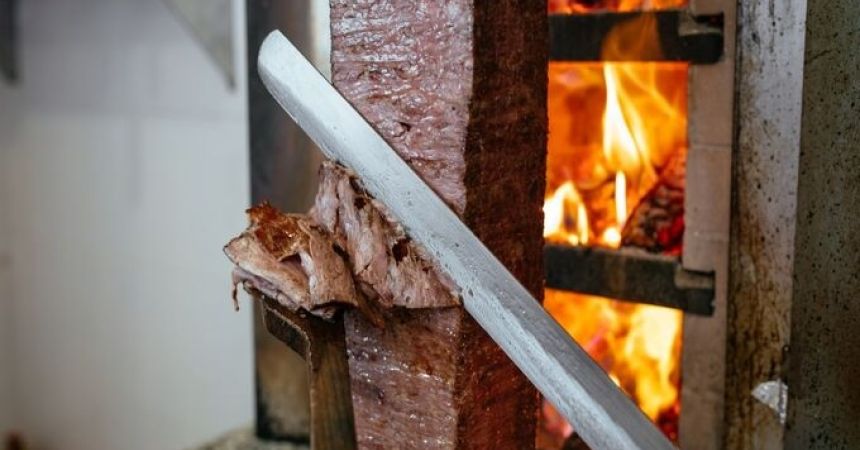
İskender kebab is so closely associated with the city that trying it there carries real regional context. Thinly sliced döner-style meat is served with pide, tomato sauce, yogurt and butter, producing a meal considerably richer than the generic word kebab suggests.
The important thing is not finding the most photographed restaurant.
It is understanding why this particular preparation belongs to Bursa’s culinary identity.
One regional classic eaten in context is more valuable than five famous foods consumed randomly across the country.
Street Food Should Follow the City
Street food is another category that becomes meaningless when treated nationally.
In Istanbul, simit, fish sandwiches, roasted chestnuts and other quick foods fit naturally into urban movement.
Elsewhere, different snacks, breads or local specialties become more relevant.
The rule I would use is simple:
eat street food that you see local people repeatedly buying.
A stall with steady turnover is often more interesting than something promoted entirely as a tourist novelty.
This also improves freshness.
The product exists because the neighborhood wants it, not merely because travelers were told they need a photograph holding it.
Turkish Coffee Should Come With Patience
Turkish coffee is small enough that first-time visitors sometimes drink it as though it were an espresso shot.
Slow down.
The coffee is prepared unfiltered, which means the grounds remain at the bottom of the cup. Drinking past that point is usually an education you only need once.
The cultural experience is partly the pause.
Coffee can follow a meal or create a break in the day, and the small serving size makes more sense when you stop judging it according to modern takeaway coffee habits.
Likewise, çay, Turkish tea, is not a lesser beverage waiting to be replaced by coffee.
Tea is the everyday social drink you will encounter constantly.
Food travel includes what people drink without thinking about it.
Desserts Should Not Begin and End With Baklava
Turkey’s dessert culture extends far beyond baklava and lokum.
Milk-based puddings, syrup-soaked pastries, regional specialties and seasonal sweets appear throughout the country.
Even seemingly familiar desserts can change according to region or producer.
The useful strategy is not building another dessert checklist.
Ask what the restaurant or city is known for.
Order one dessert for the table.
Share.
Then try something different the next day.
Food-focused travel becomes much easier when four people stop ordering four identical desserts simply because everyone is afraid of choosing the wrong one.
Vegetarians Can Eat Extremely Well in Turkey
The reputation for kebab can make vegetarian travelers unnecessarily nervous.
Aegean cooking, zeytinyağlı vegetables, lentil soups, beans, egg dishes, salads, stuffed vegetables, breakfast foods, meze and various pastries create substantial choice.
The challenge can be communication rather than availability because some dishes that appear vegetable-based may use meat stock or contain minced meat.
Ask clearly when it matters.
Vegans need to pay closer attention to yogurt, butter, cheese and eggs, which occur frequently.
The broader point remains: a traveler avoiding meat does not need to survive Turkey on salad.
In some regions, the vegetable cooking may become one of the strongest reasons to eat there.
Dietary Requirements Need Specific Language
Saying “I have a food allergy” and saying “I do not like this ingredient” create very different levels of urgency.
Be precise.
For serious allergies, carry the relevant information translated clearly into Turkish and confirm ingredients rather than relying on visual assumptions.
Nut allergies deserve particular care because pistachios, hazelnuts and other nuts appear widely in desserts and some dishes.
Gluten-related restrictions also require planning because bread and dough are deeply embedded in Turkish eating culture.
A food-focused journey should be adventurous.
It should never become careless.
Eat Lunch Differently From Dinner
One of the simplest ways to improve both budget and food variety is to stop asking lunch and dinner to perform the same job.
Use lunch for:
esnaf lokantaları,
soups,
simple grills,
regional snacks,
or a market-area meal.
Let dinner become the slower experience involving meze, seafood, regional specialties or a more destination-driven restaurant.
This creates variety without needing increasingly expensive venues.
It also mirrors the energy of a sightseeing day better.
A huge two-hour lunch between Ephesus and another archaeological visit may simply make the afternoon harder.
Good food planning still needs good itinerary planning.
Food Tours Are Most Valuable at the Beginning of a Stay
If you are going to take a food tour, do it early.
The greatest value is not the quantity of food included.
It is what the experience teaches you to recognize later.
You learn how certain eateries work, what unfamiliar dishes are called, how to order, which neighborhoods deserve another visit and what regional ingredients to notice.
A tour taken on the last day can still be enjoyable.
A tour taken on the first or second day improves every meal afterward.
That is a much stronger return on the same experience.
Do Not Spend the Whole Trip Chasing “Authenticity”
This word can ruin a perfectly good lunch.
A restaurant does not become fake because the menu is translated into English.
A famous historic venue is not automatically superior because it looks old.
A neighborhood shop is not necessarily better simply because no tourist has reviewed it online.
What matters is whether the food is good, the ingredients make sense, the restaurant understands what it serves and the experience fits the place.
Sometimes that means a crowded tradesmen’s restaurant.
Sometimes it means an elegant Bosphorus dining room.
Both can belong legitimately to a Turkish food journey.

A travel professional specializing in tailor-made travel planning, guest experience management, and multi-destination tourism operations.
With over 23 years of experience in the travel industry, he designs and manages private and cultural tours for international travelers across Türkiye, Greece, Egypt, Jordan, Morocco, and other destinations.
He has strong expertise in both online and face-to-face guest communication, sales processes, and end-to-end travel operations.
Working closely with hotels, travel agencies, and local partners, he ensures smooth coordination and high-quality travel experiences at every stage of the journey.
His focus is on delivering personalized, reliable, and seamless travel experiences for international guests worldwide.