Jerusalem Weather in August: Give the Morning to What Matters
Updated: August 2026
At 8:30 in the morning, Jerusalem can make you feel unexpectedly ambitious.
The day is fresh enough to encourage walking, streets are already coming to life, and there is an entire itinerary ahead. Looking at your schedule, you may think there is plenty of time for everything.
There probably is.
But August introduces a more interesting question:
Should everything have equal access to your morning?
A museum that will feel essentially the same at 11:30 does not necessarily need the same early slot as a substantial outdoor archaeological area. An indoor visit can often wait without losing much of its character. A long open-air walk may benefit considerably more from beginning earlier.
August planning is therefore less about avoiding part of the day and more about spending its most useful hours deliberately.
Your Morning Has a Limited Number of Seats
Imagine that the period before late morning contains three seats.
Five activities want them.
Which ones get in?
That is a more productive August planning exercise than automatically moving the entire itinerary earlier. If every attraction shifts forward together, you have changed the clock without making a meaningful decision.
Instead, identify the experiences that gain the most from earlier conditions.
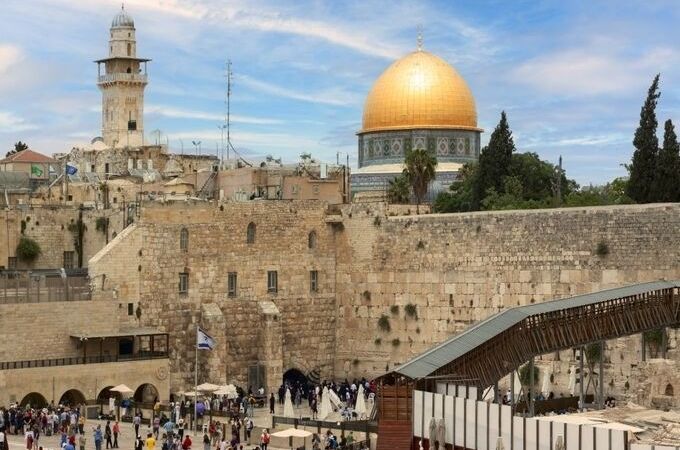
A Jerusalem summer highlights itinerary might contain an open archaeological site, a substantial Old City walk, a museum, an interior religious visit and a long lunch.
Those five experiences do not have equal dependence on morning conditions.
The question is not what you want to see first.
It is what becomes harder to enjoy if you leave it until later.
Give Morning Priority to the Least Flexible Environment
Some experiences naturally protect you from the weather.
Others barely do.
An indoor museum can provide a relatively controlled environment regardless of what the street outside is doing. A large open-air site has fewer options. A long neighborhood walk may contain shade and interiors, but its fundamental experience still depends on spending time outside.
This creates an August priority system.
| Experience Type | Dependence on Outdoor Conditions | Morning Priority |
|---|---|---|
| Large open-air heritage area | High | Strong |
| Long outdoor walking route | High | Strong |
| Mixed street/interior visit | Medium | Situational |
| Museum | Low | Usually lower |
| Indoor historical site | Low | Usually lower |
| Long lunch | Very low | Save for later |
| Flexible shopping time | Variable | Usually lower |
This is a scarce-hours allocation table, deliberately different from July's surface-memory analysis and June's route-exposure model.
It does not tell you what time to visit Jerusalem.
It asks which experience deserves the better time more than another one does.
“Start Early” Is Incomplete Advice
Summer travel articles repeat this phrase endlessly.
Start early.
Useful, perhaps, but incomplete.
How early? For what? And what happens afterward?
If you wake at dawn only to spend your first two hours inside somewhere that would have been equally enjoyable later, you have technically followed the advice while missing its purpose.
August mornings should be allocated rather than merely occupied.
If an outdoor experience matters to you, give it priority. If something is indoors and flexible, allow it to become the part of the itinerary that absorbs the less valuable outdoor period.
This creates structure without turning the holiday into a heat-avoidance exercise.
The First Outdoor Experience Often Deserves to Be the Longest
There is another advantage to giving a meaningful outdoor activity the opening position.
You begin with more energy.
By the time several hours of sightseeing, walking, listening, photography and decision-making have accumulated, even an experience you genuinely wanted can feel more demanding.
August conditions can amplify that ordinary travel fatigue.
Putting a substantial outdoor experience earlier therefore protects two resources simultaneously:
the better part of the day and your own attention.
That is especially valuable in Jerusalem, where historic sites often require concentration rather than simply physical presence.
Don't Waste the Morning Commuting Between Minor Stops
Overplanning creates another problem.
You begin early, visit something for thirty minutes, cross the city, spend twenty minutes somewhere else, travel again and discover that much of the morning has disappeared through transitions.
The itinerary looked full.
The valuable outdoor window was actually spent moving between places.
August rewards geographical coherence.
If two important outdoor experiences sit naturally near one another, grouping them may make more sense than choosing attractions according to an arbitrary ranking. The objective is not maximum quantity but minimum waste of the conditions you deliberately protected.
Breakfast Becomes Part of the Decision
This does not mean skipping breakfast to begin sightseeing.
It means deciding what kind of morning you actually want.
If a particularly important outdoor visit has access or timing constraints, an earlier breakfast may make the day flow naturally. If the first activity is flexible and conditions are moderate, there may be no reason to rush through the morning meal.
Good August planning should remove pressure, not manufacture it.
The phrase “start early” becomes counterproductive when travelers interpret it as “begin the day stressed.”
The Old City Should Not Automatically Get Every Morning
Jerusalem's Old City contains so many significant outdoor and mixed-environment experiences that it naturally competes for early hours.
But it should not monopolize them by default.
If another outdoor archaeological area, viewpoint or walking experience is more important to you, that activity may deserve the morning instead.
An Israel Holy Land itinerary also needs to account for fixed schedules, opening hours, religious observances, guide arrangements and travel between destinations. Weather is one planning variable among several, not the dictator of the itinerary.
August timing works when it supports priorities that already exist.
What Can Wait Until Later?
This is the half of morning planning that receives less attention.
Once you decide what deserves earlier hours, something else must move.
The best candidates are usually experiences whose quality depends less on outdoor conditions: museums, interiors, meals, rest periods or activities where the environment is reasonably controlled.
That does not make them less important.
Quite the opposite.
Moving a museum later can protect an outdoor experience without sacrificing the museum itself. That is efficient itinerary design because one change improves the first activity without damaging the second.
August Isn't About Hiding at Midday
We need this distinction to avoid generic summer content.
The objective is not to divide Jerusalem into “safe morning” and “bad afternoon.”
Actual conditions vary, personal heat tolerance differs, and many August days can still contain substantial enjoyable outdoor time beyond the morning. Check the forecast and respond to the conditions you actually receive.
August's semantic territory is narrower:
If some hours are more valuable for outdoor sightseeing, which experiences deserve them most?
That is a prioritization question rather than a prohibition.
Don't Turn August Into June
June asked how shade and route exposure influence comfort during Jerusalem's dry summer conditions.
August does not need another shaded-street strategy.
If an August morning involves a highly exposed site, normal sun protection, hydration and sensible breaks still matter. Those are practical realities rather than the article's main subject.
Likewise, July already explained thermal retention in Jerusalem's stone-built environment.
Repeating either discussion would weaken the cluster.
August owns the clock.
A Good Morning Can Improve the Afternoon
The greatest benefit of thoughtful morning allocation appears later.
You reach lunch knowing that the outdoor experience you cared about most has already happened. The afternoon no longer carries the pressure of a major exposed visit waiting on the schedule.
A museum can take longer than expected. Lunch can breathe. You can make a decision based on how you actually feel rather than worrying about protecting something essential that has not yet happened.
For a Jerusalem heritage experience, that psychological difference can be as valuable as the weather advantage itself.
The morning did not merely help you manage August.
It bought freedom for the rest of the day.
August Is About Choosing What Gets First Claim
You do not need to wake before sunrise.
You do not need to race through breakfast.
You certainly do not need to squeeze half of Jerusalem into the hours before lunch.
Instead, look at tomorrow's itinerary and identify the experience most dependent on prolonged outdoor conditions.
Give that experience serious consideration for the morning.
Then let the rest of the day arrange itself around what remains.
Because the smartest August itinerary is not necessarily the one that starts earliest.
It is the one that knows exactly why it started when it did.

A travel professional specializing in tailor-made travel planning, guest experience management, and multi-destination tourism operations.
With over 23 years of experience in the travel industry, he designs and manages private and cultural tours for international travelers across Türkiye, Greece, Egypt, Jordan, Morocco, and other destinations.
He has strong expertise in both online and face-to-face guest communication, sales processes, and end-to-end travel operations.
Working closely with hotels, travel agencies, and local partners, he ensures smooth coordination and high-quality travel experiences at every stage of the journey.
His focus is on delivering personalized, reliable, and seamless travel experiences for international guests worldwide.