July in Amman Is About More Than the Temperature
Updated: August 12, 2026
At lunchtime in July, two streets in Amman can sit under almost identical weather conditions and feel surprisingly different.
One is broad, exposed and surrounded by sunlit stone. The other runs between buildings, catches intermittent shade and offers places to step out of direct exposure. Walk through both and the number on your weather app has not changed, yet your experience certainly has.
This is the key to understanding Amman in July.
Daytime temperatures commonly reach around 30°C and can climb higher during hotter periods. Rain is extremely unusual, sunshine is abundant, and the city's relatively dry air distinguishes the experience from humid coastal heat. Nights generally provide some relief, although conditions naturally vary from one weather pattern to another.
Those statistics establish the season. They do not explain how the city stores and returns heat around you.
July is when Amman's built environment deserves to become part of your weather planning.
Stone Is Beautiful Until It Has Been in the Sun for Hours
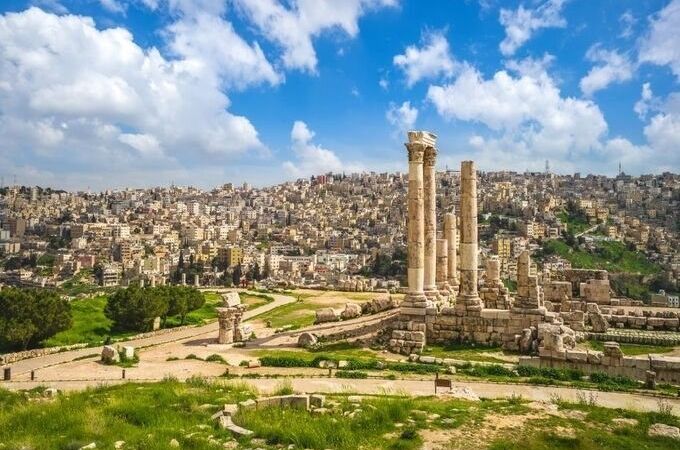
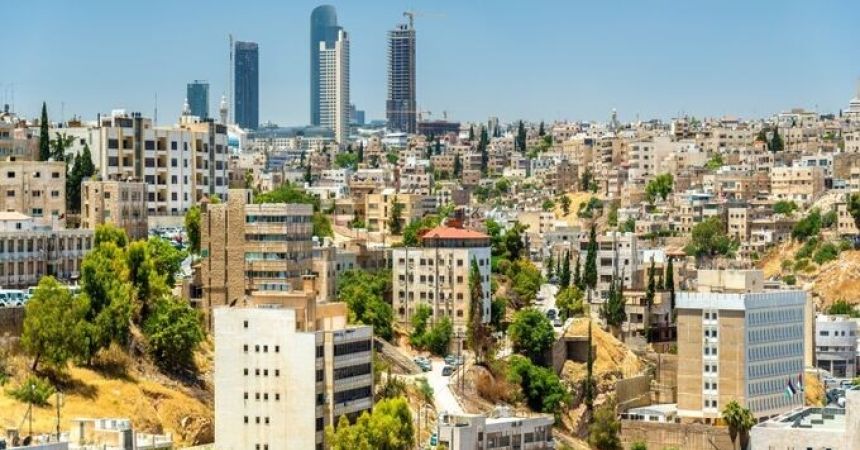
Amman's pale stone architecture is one of the capital's defining visual characteristics. Under summer sunshine, however, streets and buildings do more than create scenery.
Surfaces absorb solar energy throughout the day and radiate some of that warmth back into their surroundings. Asphalt and other exposed urban surfaces contribute as well, which is why an open street later in the afternoon can feel warmer than you might expect from looking only at the air temperature.
This effect is not unique to Amman, but it matters when planning a city day here because so much of the capital's visual identity is connected to stone and its hillside urban landscape.
For travelers on a July Amman city tour, understanding the environment around the thermometer can be more useful than obsessing over whether the forecast says 30°C or 32°C.
Shade Is Not Simply the Absence of Sun
By July, shade becomes its own type of urban space.
A shaded café terrace, narrow street or protected seating area can change the rhythm of a walk without requiring you to abandon the neighborhood. The difference is particularly noticeable after you have spent time in an exposed area and step somewhere protected from direct solar radiation.
This allows Amman to remain explorable without reducing the itinerary to air-conditioned interiors.
The important skill is noticing where the city provides natural transitions.
Instead of treating a neighborhood as one continuous climatic environment, pay attention to which streets are exposed, where buildings provide shelter and where a café or restaurant can become part of the route rather than an emergency escape from it.
An Open Space and a Shaded Street Don't Cost the Same
July route planning improves when you stop assuming that thirty minutes outside always creates the same amount of fatigue.
Consider these different urban environments:
| Amman Environment | July Heat Experience | Practical Implication |
|---|---|---|
| Open paved area | High direct and reflected exposure | Avoid unnecessarily long stationary periods |
| Broad sunlit street | Continuous solar exposure | Break longer walks naturally |
| Shaded urban street | Noticeably easier transition | Useful for connecting nearby stops |
| Covered terrace | Protection without leaving city life | Good place to slow the pace |
| Air-conditioned interior | Full thermal reset | Useful during longer sightseeing days |
| Outdoor area later in day | Air may improve before surfaces fully cool | Expect gradual rather than instant relief |
This is July's real planning map.
Not simply attractions and distances, but exposure between them.
The Afternoon Can Feel Warmer Than the Forecast Suggests
Maximum temperature receives most of the attention in summer weather content, but travelers experience accumulated conditions rather than a single meteorological peak.
By afternoon, you have already walked, spent time outside and absorbed several hours of summer brightness. Meanwhile, exposed urban surfaces have been warming since morning.
This combination can make the later part of the day feel more demanding than the thermometer alone would suggest.
It also explains why July should not simply repeat May's “do exposed activities earlier” advice. May was primarily about managing stronger sunshine.
July adds another dimension: the environment itself has been heating throughout the day.
Don't Stand in the Sun When You Could Be Walking—or Sitting Elsewhere
Movement matters.
Standing for twenty minutes in an exposed place can feel surprisingly tiring because you receive the heat without the psychological sense of progress that comes from walking somewhere interesting.
When a guide is explaining something outdoors, look for shade where practical. If you are waiting for transportation, choose a protected position rather than remaining in direct sunshine simply because that is where you first stopped.
These tiny decisions barely appear on an itinerary but can have a disproportionate effect on how much energy remains later.
A summer city experience in Amman becomes considerably easier when shade is used casually throughout the day rather than only after you already feel overheated.
Dry Heat Can Hide How Much Work You Are Doing
Travelers familiar with humid climates sometimes find Amman's summer heat comparatively manageable because perspiration evaporates more readily in dry air.
That can be deceptive.
Amman's hills still demand physical effort, sunshine remains strong, and dehydration does not require the air to feel oppressive. A comfortable-feeling walk can therefore become longer than intended before you realize how much energy you have spent.
Water should be routine, not reactive.
Carry it before you need it, particularly when the itinerary contains longer outdoor sections or substantial walking between stops.
July Clothing Has a Job Beyond Keeping You Cool
The obvious objective is comfort, but summer clothing in Amman should also respond to exposure and the places you plan to visit.
Lightweight, breathable fabrics make sense for long city days. Sun protection becomes important during extended outdoor periods, while comfortable footwear remains essential because Amman's topography has not become any flatter simply because the weather is dry.
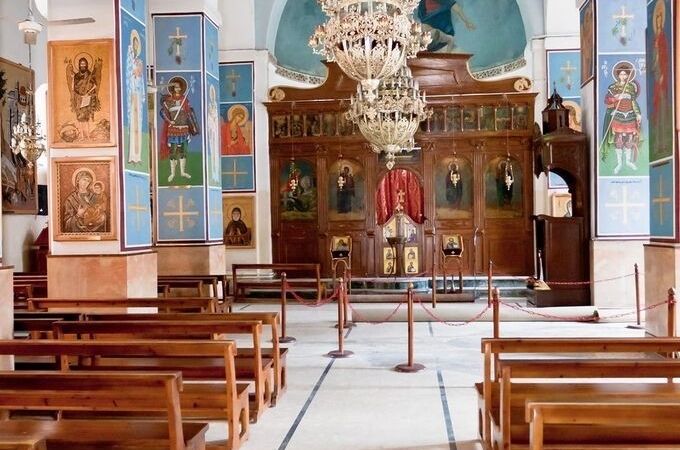
Cultural context matters too. Clothing suitable for a resort holiday elsewhere is not automatically the most practical or appropriate choice for moving through Amman's neighborhoods, religious sites and public spaces.
The best summer clothing combines breathability, sun awareness, mobility and respect for local settings rather than focusing exclusively on wearing as little fabric as possible.
Evening Cooling Is a Process, Not a Switch
One of July's most interesting transitions begins when direct sunshine weakens.
The air may start feeling more comfortable, but exposed stone and pavement do not instantly forget the heat they accumulated during the day. Some streets can retain warmth for a while, particularly after a hotter afternoon.
Later, the city gradually changes character.
Walking becomes more appealing, outdoor dining gains momentum and neighborhoods that felt demanding under full sunshine can become considerably easier to enjoy.
This is why travelers on an Amman midsummer journey should avoid thinking of sunset as an immediate climatic reset.
The evening improves progressively.
And that progression is part of the experience.
July Doesn't Need to Be Written as a Warning
Summer weather articles often become lists of restrictions: don't walk, don't go outside, avoid this hour, avoid that place.
That approach is neither especially useful nor particularly accurate for Amman.
July requires awareness, but the capital continues functioning. People eat, work, shop, socialize and move through the city. Visitors can do the same while making sensible adjustments to exposure, hydration and pace.
The aim is not to defeat summer.
It is to recognize that urban heat is unevenly distributed.
July Owns Amman's Heated Cityscape
June taught us to budget physical energy across long, predictable dry days. July changes the subject from the traveler to the environment surrounding the traveler.
Stone warms. Pavement warms. Open spaces accumulate exposure. Shade becomes dramatically more valuable, while the transition into evening occurs gradually rather than at the instant the sun disappears.
That gives July its own semantic territory.
It is not simply “hotter June,” and it does not need to borrow future Petra content about archaeological trails or exposed site walking.
July in Amman is the month when understanding the city's micro-environments—stone, pavement, shade, open space and gradual evening cooling—can matter almost as much as knowing the temperature itself.

A travel professional specializing in tailor-made travel planning, guest experience management, and multi-destination tourism operations.
With over 23 years of experience in the travel industry, he designs and manages private and cultural tours for international travelers across Türkiye, Greece, Egypt, Jordan, Morocco, and other destinations.
He has strong expertise in both online and face-to-face guest communication, sales processes, and end-to-end travel operations.
Working closely with hotels, travel agencies, and local partners, he ensures smooth coordination and high-quality travel experiences at every stage of the journey.
His focus is on delivering personalized, reliable, and seamless travel experiences for international guests worldwide.