How to Budget a Turkey Trip Without Wasting Money
Updated: August 2026
A well-budgeted Turkey trip is not necessarily the cheapest one. It is the journey where the money you spend improves something you will actually notice, while the expenses that add little to the experience are kept under control.
That distinction matters in Turkey because travel costs are shaped as much by route design and logistics as by hotel or restaurant prices. A traveler who chooses inexpensive accommodation but changes cities every night can spend heavily on transportation. Another may pay more for a centrally located hotel yet save time and daily transfer costs. A private guide may appear expensive until you compare the value of understanding Ephesus properly with simply walking through the ruins on your own.
For that reason, the most useful Turkey budget question is not:
“How much money do I need per day?”
It is:
“Which parts of my Turkey trip deserve more of the budget, and which ones can be simplified without weakening the experience?”
Once you begin thinking this way, budgeting becomes less about deprivation and more about allocating money intelligently.
Start With Four Budget Buckets
Before comparing hotels or flights, separate the trip into four major spending categories:
| Budget area | What belongs here | Main planning question |
|---|---|---|
| Accommodation | Hotels, room category, location | Am I paying for comfort I will actually use? |
| Transportation | Flights, transfers, road sectors | Am I saving money or simply losing time? |
| Sightseeing | Guides, entrances, experiences | Where does expert interpretation add value? |
| Daily spending | Meals, drinks, shopping, extras | Which expenses are flexible? |
This simple division is more useful than beginning with an arbitrary daily budget.
Some costs are structural. You need somewhere to sleep and a way to move between Istanbul and Cappadocia.
Others are discretionary. You can decide how much to spend on restaurants, souvenirs, room upgrades or optional experiences.
If you reduce structural costs too aggressively, the itinerary can become inconvenient. If you overspend on discretionary items without noticing, the budget can disappear surprisingly quickly.
Save on Hotel Category Before You Save on Hotel Location
One of the most expensive “cheap” decisions in Istanbul can be selecting a lower-priced hotel far from the places you plan to visit.
The room costs less, yet each day begins and ends with additional transportation. More importantly, you lose time.
For many travelers, a well-located four-star property can provide better overall value than a higher-category hotel in a less convenient part of the city.
The same principle works in reverse in other destinations.
If you are staying only one night somewhere as a transition point, paying substantially more for resort facilities you will never use may provide little value. If you intend to spend several relaxed days at an Antalya property, however, room comfort and hotel facilities may matter considerably more.
A useful accommodation question is:
What will I actually use at this hotel?
Do not pay automatically for:
- a higher category you barely notice;
- a premium view when you arrive after dark and leave early;
- resort facilities on a sightseeing-heavy stay;
- unnecessary room size for a very short visit.
Spend more when location, sleep quality, room type or facilities materially improve the stay.
Cappadocia Is a Good Example of Where “Cheapest Room” Can Mislead
Cappadocia accommodation illustrates why budget and value are not always the same thing.
Travelers often want a cave hotel because it feels connected to the destination. That can be worthwhile, but cave rooms vary enormously. The least expensive room at a visually impressive property may not resemble the room featured prominently in promotional photographs.
Before paying more—or trying too hard to pay less—check the actual room type.
Ask whether the room has the features you care about, whether stairs or access create an issue, and whether the property's location works for your sightseeing plans.
The correct decision may still be the cheaper room.
The important point is that you chose it knowing what you were giving up.
That is intelligent budgeting.
Domestic Flights Can Be a Budget Upgrade, Not a Luxury
Travelers trying to reduce costs sometimes avoid domestic flights because buses appear cheaper.
On certain routes, that can make sense. On others, the apparent saving becomes less attractive when you calculate what the journey does to the rest of the itinerary.
Imagine saving money on an overnight or long-distance surface journey but arriving tired enough to lose much of the following sightseeing day. You have reduced the transportation bill while weakening an expensive international holiday.
The better calculation is:
transport cost + transfer cost + time consumed + effect on the next day
rather than ticket price alone.
This does not mean flying everywhere. Shorter regional movements may be better by road, while particular travelers may genuinely enjoy overland travel.
The principle is simply that holiday time has value, even though it does not appear as a charge on your credit card.
Travelers comparing multi-region arrangements can review Turkey value tour packages to see how flights and road transfers can be combined rather than assuming that one transportation mode must be used throughout.
Reduce Destinations Before Reducing Experiences
If your Turkey trip is becoming expensive, one of the smartest adjustments is often removing a destination.
This sounds counterintuitive. Travelers naturally prefer to keep every place and find cheaper hotels instead.
Yet each additional region can create:
another ticket,
another transfer,
another hotel change,
possibly another airport journey,
and another day partly consumed by movement.
Removing one geographically awkward stop can sometimes save more than downgrading several hotels.
More importantly, the remaining destinations receive more time.
A seven- or nine-night trip containing fewer bases often feels richer than a longer checklist-style journey because you are spending money on being somewhere, not repeatedly getting somewhere.
Private Touring Is Expensive Only If You Ignore What You Are Buying
Private sightseeing is one area where budget discussions become overly simplistic.
A private guide and vehicle usually cost more than joining a group. That difference is real.
But the service itself is different.
Private touring provides control over timing, pace and emphasis. Families can adjust breaks more easily, travelers with specialist historical interests can spend longer where it matters, and groups traveling together can sometimes find the per-person difference smaller than expected.
The question should therefore not be:
“Is private touring expensive?”
It should be:
“Will the flexibility and interpretation materially improve this particular day?”
In Istanbul, some travelers enjoy independent exploration and need no guide for every moment. At Ephesus, a licensed guide may add substantially more context. In Cappadocia, a regional tour can solve transportation between widely separated locations as well as provide interpretation.
Budget according to value by destination, not one rule for the entire country.
Spend on Interpretation Where the Place Needs It
There are experiences where seeing and understanding are very different things.
Ephesus is a strong example.
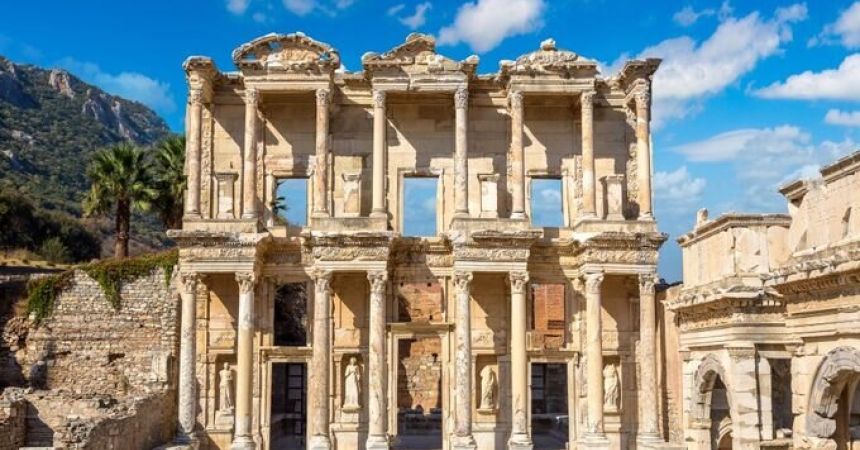
You can walk its ancient streets independently and see the Library of Celsus, Great Theatre and other remains. Yet understanding how the city functioned, how different areas relate to one another and what the archaeological evidence reveals creates a much deeper visit.
The same is true of several historical layers in Istanbul.
If history is one of the reasons you chose Turkey, reducing every guided experience purely to lower the budget may save money in exactly the part of the journey you value most.
Conversely, there is little reason to hire a private guide simply because you believe every holiday requires one.
Spend on expertise where expertise changes the experience.
Group Tours Can Be the Best Value Compromise
Travel budgeting is not restricted to the choice between completely independent and completely private travel.
Small-group sightseeing often occupies a useful middle ground.
You share the guide and transportation cost with other travelers while still benefiting from an organized route and interpretation. This can work particularly well for destination sightseeing where attractions are spread across a region.
The trade-off is reduced flexibility. Departure times and sightseeing rhythm need to work for the group.
For travelers comfortable with that structure, the saving can be meaningful without sacrificing the educational value of having a guide.
This is a good example of smart compromise rather than simple cost cutting.
Food Is One of the Easiest Places to Control Spending Without Eating Badly
Turkey offers an enormous range of dining environments, which means food budgets can expand or contract without requiring travelers to live on supermarket sandwiches.
A meal does not become authentically Turkish because it is expensive.
Neighborhood restaurants, lokantas, bakeries, casual grilled-food restaurants and regional establishments can produce some of the most enjoyable meals of a trip without luxury pricing.
Spend more when the restaurant itself is part of the experience: perhaps a special evening, an exceptional location or a dining experience you deliberately chose.
Save on meals that primarily serve a practical purpose between sightseeing.
The mistake is spending heavily at every meal because you are on holiday, or doing the opposite and treating food only as fuel.
Turkish cuisine is part of the destination, so allow enough budget to experience it properly.

Be Careful With View Premiums
Turkey contains destinations where views sell hotel rooms.
Bosphorus views in Istanbul, terraces in Cappadocia and sea-facing accommodation along the coast can command substantial premiums.
Sometimes they are worth it.
The useful test is how much time you will actually spend experiencing the view.
If a Cappadocia hotel terrace is genuinely part of your morning experience, the location may add value even if the room itself is not extravagant. If you are leaving an Istanbul hotel immediately after breakfast and returning late every evening, paying significantly more for a view from the room may matter less.
A premium should purchase an experience, not simply a label on the booking confirmation.
Optional Experiences Need Their Own Budget
Some Turkey experiences can substantially affect the overall trip cost.
Cappadocia ballooning is an obvious example. It is optional, memorable for many travelers and potentially significant enough that it should be considered during initial budgeting rather than added casually at the end.
Likewise, special boat trips, private excursions or premium activities should be separated from ordinary sightseeing costs.
Create a small priority-experience budget.
Ask each traveler to identify one or two experiences they would most regret missing, then protect money for those before spending heavily on less important upgrades.
This is particularly effective for families, where each person may value a different part of the trip.
Do Not Budget From Old Prices
Turkey prices, exchange rates, entrance charges, flights and hotel rates can change.
A blog claiming that every traveler needs a fixed amount per day quickly becomes misleading.
Instead of building the trip around numbers copied from an old article, price the actual structure you intend to book.
Accommodation should be checked for your dates and room type. Domestic transportation should be priced for the real route. Entrance fees and optional activities should be checked when planning.
The separate Turkey currency content owns the mechanics of using money. For budgeting, the important principle is that current quotations beat historical averages.
This is another reason percentages and trade-offs are often more useful than rigid daily-budget figures.
Travel Season Changes the Budget, but This Is Not a Best-Time Guide
When you travel can influence hotel demand, flight availability and the price of particular tourism services.
However, choosing travel dates only because they appear cheaper can be another false economy.
If you want beach time, a low-cost period with unsuitable conditions may not deliver the trip you wanted. Likewise, selecting dates solely to save money can affect the availability of seasonal services.
Weather and best-time decisions belong to their own content cluster.
From a budget perspective, the lesson is narrower:
Compare value, availability and trip purpose together rather than treating the lowest seasonal price as automatically best.
Souvenirs Are Where Small Decisions Become Large Totals
Turkey offers ceramics, textiles, food products, jewelry, leather, decorative items and countless smaller souvenirs.
There is nothing wrong with shopping. The problem is that unplanned purchases are difficult to include in a travel budget because they tend to feel individually insignificant.
Decide before the trip whether shopping is important to you.
If it is, give it a real budget instead of pretending it will come from miscellaneous spending.
For more expensive purchases, understand what you are buying before allowing negotiation itself to become entertainment. The satisfaction of obtaining a discount does not tell you whether the item was good value.
Pay for Convenience When Convenience Protects Something Important
Convenience is not always a luxury.
A private airport transfer after a long international flight can reduce uncertainty when arriving in an unfamiliar city. An efficiently timed domestic flight can preserve a sightseeing day. A centrally located hotel may make evenings easier. A good guide can turn an archaeological visit into one of the strongest days of the journey.
Convenience becomes wasteful when you pay for it without receiving a meaningful benefit.
The difference is whether the upgrade solves a real problem.
Travelers who want the logistics arranged while retaining control over accommodation and sightseeing style can consider custom Turkey travel planning rather than automatically choosing either the cheapest independent structure or the most inclusive premium package.
A Better Turkey Budget Uses Three Levels of Spending
Instead of dividing everything into “cheap” and “expensive,” use three categories:
Protect
These are items where cutting too aggressively may damage the journey: sensible transport, appropriate accommodation location, priority experiences and important guided visits.
Optimize
These are expenses where several options can provide similar quality: hotel category, some regional tours, restaurant selection and transport type on certain routes.
Flex
These are areas you can adjust during travel: shopping, drinks, upgraded rooms, optional evenings and other discretionary extras.
| Budget level | Example | Approach |
|---|---|---|
| Protect | Long-distance transport | Choose efficiency before lowest price |
| Protect | Priority experience | Budget it from the beginning |
| Optimize | Hotel category | Pay for location/function first |
| Optimize | Sightseeing format | Compare private vs group value |
| Flex | Shopping | Set personal limit |
| Flex | Premium dining | Choose deliberately rather than nightly |
This creates a far healthier budget than trying to reduce every expense by the same percentage.
Where I Would Spend More on a First Turkey Trip
For most first-time visitors, I would protect money for good route design, sensible transportation and the experiences that genuinely require interpretation or advance coordination.
I would be much less concerned about maximizing hotel star ratings in every destination.
Likewise, I would rather travel to four places comfortably than six places cheaply.
That logic is particularly important on a multi-region journey. Once international flights have brought you to Turkey, the objective should not be proving how cheaply every additional day can be operated. It should be using the total budget to create the strongest journey possible.
Our Turkey cultural discovery tours can also provide a useful commercial reference for comparing how accommodation, transportation and guided sightseeing combine into an overall trip cost.
The Best Budget Is the One You Stop Thinking About During the Trip
A good travel budget should provide boundaries before the journey and freedom once it begins.
If every coffee, taxi and entrance fee requires anxiety because the itinerary was financially stretched from the beginning, the trip has been over-designed.
At the other extreme, spending without considering value can produce a much more expensive journey without making it noticeably better.
The goal is a middle ground.
Protect the experiences that motivated you to visit Turkey. Build an efficient route. Pay attention to location and transportation. Use group services where flexibility is unnecessary, spend for expertise where context matters, and allow ordinary meals and everyday travel moments to remain ordinary.
That is how a Turkey budget becomes a travel-planning tool rather than an exercise in spending as little as possible.
Frequently Asked Questions About Budgeting a Turkey Trip
1. What is the smartest way to reduce the cost of a Turkey trip?
Reduce unnecessary destination changes before downgrading every service. Removing one geographically awkward stop can eliminate transportation, transfers and another hotel change while giving the remaining destinations more time, often improving both the overall budget and the quality of the journey.
2. Should I choose cheaper hotels outside central Istanbul?
Not automatically. Lower room rates can be offset by additional transportation and lost sightseeing time. Compare the complete value of the location rather than the room price alone, particularly if most of your plans are concentrated around Istanbul's central visitor districts.
3. Is a domestic flight worth paying more for?
It can be when the alternative consumes a large portion of usable holiday time. Compare the complete door-to-door journey and consider how you will feel on arrival, rather than judging value solely by the difference between the flight and bus ticket.
4. Are private tours worth the extra cost in Turkey?
They are most valuable when flexibility, specialized interpretation or family pacing matters. For simpler sightseeing, a small-group tour may deliver excellent value. The sensible approach is to choose the tour format separately for each destination rather than paying for private services everywhere.
5. Can I save money by traveling overnight?
Possibly, because overnight transport can reduce accommodation expenses. However, the saving is less attractive if poor sleep damages the following sightseeing day. Consider your ability to rest while traveling and what is scheduled immediately after arrival before choosing overnight transport.
6. Where should I not cut costs on a Turkey trip?
Avoid savings that significantly weaken route efficiency, sleep quality, important transportation or a priority experience. If archaeology, history or a particular activity is central to the reason you chose Turkey, budgeting properly for that experience usually provides more value than another hotel upgrade.
7. Is Turkish food expensive for travelers?
Turkey offers dining at many price levels, so meals are one of the easiest budget categories to control. Casual local restaurants and bakeries can provide excellent food without premium pricing, allowing you to reserve additional money for a few intentionally chosen special meals.
8. Should I budget separately for Cappadocia ballooning?
Yes, if ballooning is a priority. Treat significant optional experiences as their own budget category rather than hoping enough money remains at the end. Remember that balloon operations depend on conditions and that booking does not guarantee a particular flight will operate.
9. Does traveling with a family make private transfers better value?
Often it can. Public transportation is normally priced per passenger, while private transport costs may be shared by the traveling party. Families also gain convenience from keeping luggage together and reducing repeated terminal movements, so compare total group cost rather than individual fares.
10. How can I avoid overspending on souvenirs in Turkey?
Decide whether shopping genuinely matters before departure and assign it a specific budget. For higher-value purchases, focus on understanding quality and price rather than becoming emotionally invested in bargaining, because obtaining a discount does not automatically mean the purchase represents good value.
11. Should I use a fixed daily budget for Turkey?
A rigid daily figure can be misleading because transportation days, guided sightseeing and optional experiences have very different cost structures. Budget the major trip components first, then create a flexible allowance for food, drinks, shopping and everyday expenses during the journey.
12. What is the biggest Turkey travel budgeting mistake?
Trying to make every individual booking as cheap as possible without considering the whole itinerary. The lowest-priced hotel, ticket or tour can create additional transport, lost time or poorer experiences, making the total journey worse without producing meaningful overall savings.

A travel professional specializing in tailor-made travel planning, guest experience management, and multi-destination tourism operations.
With over 23 years of experience in the travel industry, he designs and manages private and cultural tours for international travelers across Türkiye, Greece, Egypt, Jordan, Morocco, and other destinations.
He has strong expertise in both online and face-to-face guest communication, sales processes, and end-to-end travel operations.
Working closely with hotels, travel agencies, and local partners, he ensures smooth coordination and high-quality travel experiences at every stage of the journey.
His focus is on delivering personalized, reliable, and seamless travel experiences for international guests worldwide.