Best Time to Visit Turkey: Choose the Right Season for Your Trip
Updated: August 2026
There is no single best time to visit Turkey, because there is no single Turkey holiday.
A traveler planning Istanbul, Cappadocia and Ephesus wants something very different from a couple spending a week around Bodrum. A hiking-focused journey through the southwest should not be timed according to the same logic as a winter city break, while someone whose main priority is swimming will evaluate spring and autumn very differently from a traveler interested primarily in archaeology.
Turkey's geography makes universal seasonal advice particularly unreliable. Istanbul sits between the Black Sea and Sea of Marmara, Cappadocia occupies the Central Anatolian interior, the Aegean coast has its own Mediterranean character, and the eastern Black Sea can feel greener and wetter than many international visitors expect from Turkey at all.
For most first-time cultural trips, late spring and early autumn provide the broadest balance, particularly when an itinerary combines cities, archaeology and Cappadocia. Summer becomes stronger when the coast is a major part of the holiday, while winter rewards travelers who deliberately want quieter cities, seasonal landscapes, skiing or thermal experiences.
The better question is therefore not “Which month has the nicest weather?”
It is which season creates the fewest compromises for the trip you actually want to take.
Begin With the Experiences You Refuse to Compromise On
Most travelers begin with the calendar and then search for destinations.
Reverse that process.
If swimming is essential, your travel window should support a genuine coastal holiday rather than merely tolerable sightseeing weather. If Cappadocia ballooning is the emotional centerpiece, the number of mornings you spend in the region can matter as much as the season. If Ephesus, Pergamon and Pamukkale are your priorities, comfortable outdoor walking becomes more important than beach conditions.
This approach prevents the word “best” from becoming misleading.
Write down the three experiences that would make the trip feel successful. Then choose the season that supports all three reasonably well, even if it is not theoretically perfect for any single one.
A Turkey journey usually becomes stronger through balanced compatibility rather than one destination receiving ideal conditions while everything else becomes inconvenient.
Late Spring Is the Safest All-Round Choice for Cultural Travelers
Late spring is often the easiest period to recommend for a first multi-region Turkey trip because relatively few parts of the itinerary need seasonal compromises.
Istanbul works comfortably as a walking city. Cappadocia can support valley exploration and longer sightseeing days without demanding the midsummer rhythm of very early outdoor activity followed by slower afternoons. Western archaeological sites are easier to explore when the day is not dominated by strong summer heat, while coastal regions are already becoming increasingly attractive.
The landscape can also feel fresher than later in the year, particularly across inland and western areas.
That does not mean spring offers guaranteed perfect weather every day. Transitional seasons are capable of changing conditions, and travelers should still plan with some flexibility.
Its strength is broader: spring allows city, landscape, archaeology and coast to coexist reasonably well inside the same itinerary.
For travelers who want the classic first journey without allowing beach time to dominate, this is one of the strongest periods to examine.
Early Autumn Solves a Different Set of Problems
Early autumn competes closely with late spring for the best overall cultural-travel period, but the feeling of the trip is different.
The sea has had an entire summer to warm, which makes autumn particularly attractive when swimming remains important but the itinerary also includes archaeological or inland destinations. Istanbul remains active, Cappadocia can be comfortable for outdoor exploration, and the Aegean or Mediterranean can still contribute genuine coastal time rather than merely scenic stops.
There is also a psychological difference between spring and autumn.
Spring feels as though the travel season is opening. Autumn feels as though the intensity of summer is beginning to soften.
Travelers who dislike peak-season resort energy but still want the coast to function as a meaningful part of the journey often find early autumn especially appealing.
For couples combining history with several slower coastal nights, it can be difficult to beat.
Summer Is Best When You Intend to Use Summer Properly
Summer in Turkey should not be dismissed simply because parts of the country become hot.
That criticism makes little sense for someone whose main objective is Bodrum, Fethiye, Marmaris, Kaş or the Mediterranean coastline.
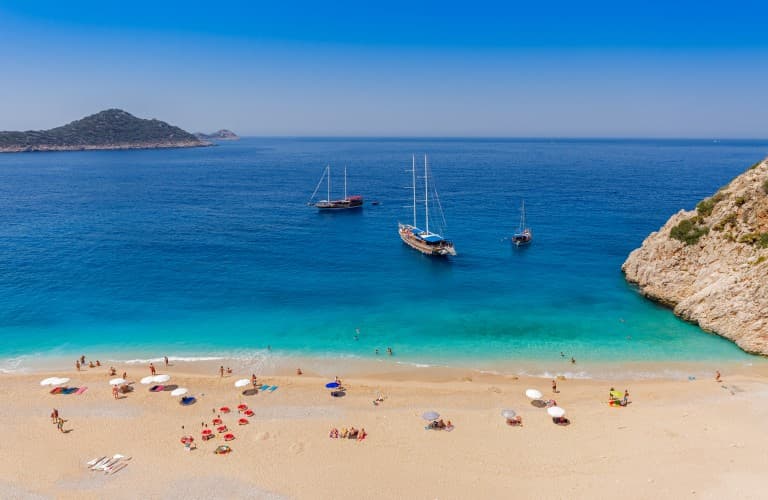
These destinations are built around summer energy. Boats are active, swimming becomes central, restaurants stay lively into the evening and the coast functions as a holiday environment rather than an attractive background to cultural sightseeing.
The challenge arises when travelers build an intensely archaeological itinerary during the same period and refuse to adjust their daily rhythm.
Ephesus, Pamukkale and Cappadocia remain highly worthwhile, but earlier starts, sensible hydration, lighter afternoons and more thoughtful sequencing become important.
Summer works exceptionally well when the trip contains a reason to love summer.
A route that spends every day on exposed archaeological sites while barely touching the sea is naturally more demanding.
Travelers who genuinely want the seasonal coastal experience can explore Turkey summer tour journeys, particularly when the coast is allowed enough time to slow the itinerary rather than becoming another brief stop.
Winter Is Better Than Its Reputation for the Right Traveler
Winter is the clearest example of why “best time” cannot be universal.
A traveler who needs warm sea swimming will find little reason to select winter. Someone interested in Istanbul, archaeology, thermal culture or a dramatically different Cappadocia may feel the opposite.
Istanbul remains one of Turkey's strongest year-round destinations because its attractions are not dependent on beaches or outdoor scenery alone. Museums, mosques, markets, food, the Bosphorus and hammams allow the city to adapt well when the day becomes colder or less predictable.
Cappadocia acquires another personality, particularly when snow appears, although travelers should never treat snow as guaranteed scenery waiting for a particular arrival date.
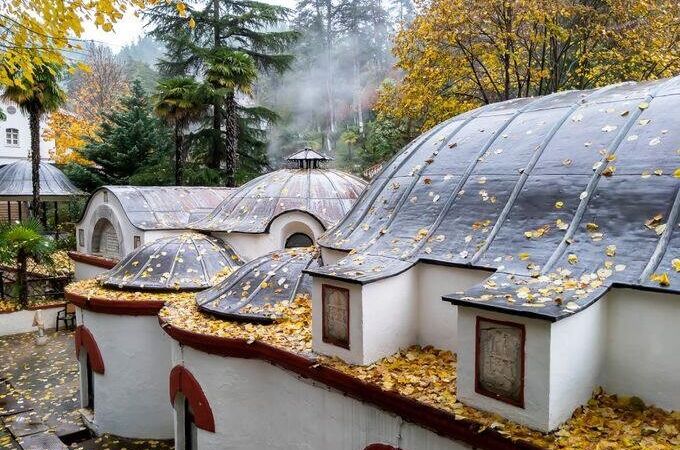
Bursa becomes more interesting through its combination of Ottoman heritage, thermal traditions and access to Uludağ, while Turkish ski destinations create an entirely separate winter-travel category.
Winter is therefore not a cheaper, colder imitation of the standard Turkey trip.
It is worth choosing only when its different version of Turkey appeals to you.
The Shoulder Seasons Are Not Automatically Quiet
“Travel in shoulder season to avoid the crowds” has become one of tourism's most repeated pieces of advice.
It is only partly useful.
April, May, September and October can be extremely attractive precisely because travelers around the world now understand their advantages. Major attractions do not suddenly become empty, and popular hotels in Cappadocia or Istanbul can still experience strong demand.
The real shoulder-season advantage is often comfort and itinerary flexibility, not guaranteed solitude.
You may find archaeological walking more pleasant and coastal towns less intense than during the busiest summer weeks, but expecting Hagia Sophia or Cappadocia to feel undiscovered simply because you arrived outside July can create the wrong expectations.
Choose shoulder season because the travel conditions suit your route.
Treat lower crowd pressure as a possible benefit rather than the entire reason for going.
Decide by Travel Style Instead of Ranking the Calendar
A useful annual decision framework looks like this:
| Your main travel priority | Periods to examine first | Why they fit | Main compromise |
|---|---|---|---|
| First-time cultural trip | Late spring / early autumn | Strong balance across regions | Popular periods still attract demand |
| Beach-focused holiday | Summer / early autumn | Coast becomes central to the trip | Inland sightseeing needs better timing |
| Archaeology-heavy route | Spring / autumn | More comfortable outdoor exploration | Sea may matter less outside summer |
| Cappadocia + Istanbul | Spring / autumn | Balanced city and landscape conditions | No season guarantees balloons |
| Hiking-focused trip | Spring / autumn | Better match for long outdoor days | Regional elevation still matters |
| Winter culture | Winter | Quieter seasonal rhythm and indoor depth | Shorter daylight |
| Ski + heritage | Winter | Mountain and cultural combination | Requires specialized route |
| Family summer holiday | Summer | School-holiday practicality and coast | Heat and stronger demand |
This framework avoids pretending that every traveler should aim for the same four-week window.
Istanbul Does Not Need a Perfect Season
Istanbul is one of the least season-dependent destinations in Turkey.
That does not mean every month feels the same. It means the city has enough variety to absorb seasonal change.
In spring and autumn, long walks between historical districts can feel particularly comfortable. Summer adds longer evenings and an active waterfront rhythm, while ferry journeys become especially appealing when the city is warm. Winter pushes more of the experience toward museums, hammams, cafés and slower meals without removing Istanbul's historical value.
This makes Istanbul unusually easy to combine with destinations that are season-sensitive.
If Cappadocia or the coast is driving your travel dates, Istanbul can usually adapt around them rather than requiring the entire trip to be scheduled according to the city.
That is an important planning advantage.
Cappadocia Needs Flexibility More Than It Needs a Perfect Month
Travelers often search for a single Cappadocia month in which balloon flights, hiking, hotel terraces and photography all behave perfectly.
That month does not exist.
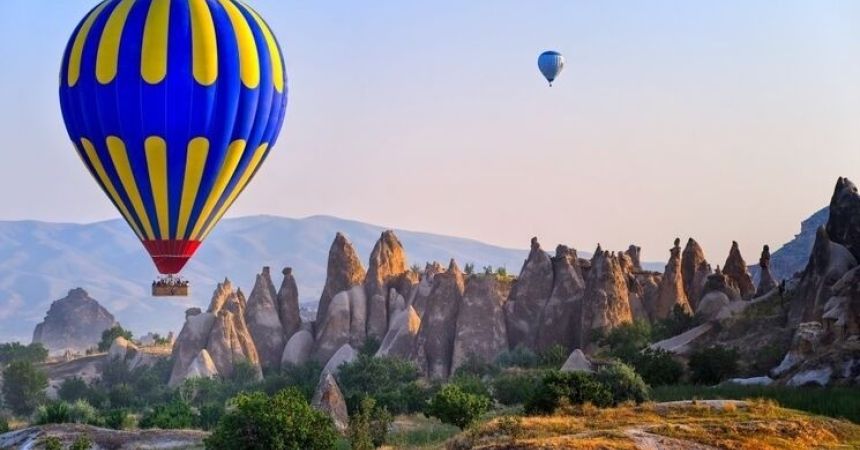
Hot-air balloon operations depend on suitable daily conditions, which means any itinerary built around a guaranteed flight carries risk regardless of the season selected.
A more resilient strategy gives Cappadocia multiple mornings.
The region should also be worthwhile even if one balloon attempt does not operate, because valleys, underground cities, museums, cave hotels and villages form the actual destination.
This is why the national “best time” question should not duplicate the dedicated Cappadocia month-selection page.
At country level, the decision is simpler: spring and autumn integrate Cappadocia most easily into a broader cultural journey, while summer and winter offer more distinctive seasonal versions that require greater adaptation.
Archaeology Should Influence Your Calendar More Than Many Travelers Realize
Turkey's major archaeological sites are physically demanding destinations.
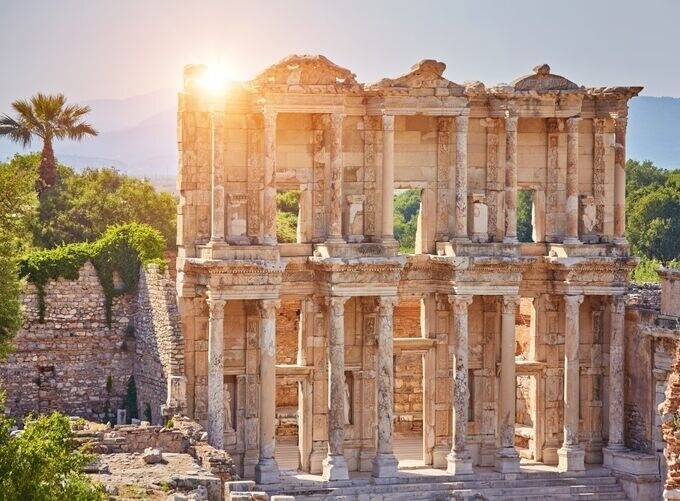
Ephesus is not an indoor museum. Pergamon requires movement through an exposed ancient landscape. Hierapolis extends across a large plateau above Pamukkale, while Troy and other sites also require meaningful time outside.
If archaeology is a secondary interest, you may happily visit these places whenever the wider itinerary makes sense.
If ancient history is one of your principal reasons for traveling, seasonal comfort deserves greater weight.
Spring and autumn often allow visitors to remain attentive longer because the experience is less dominated by managing the strongest summer heat.
That difference may matter more than whether a hotel costs slightly less in another month.
The best season is partly the one that allows you to care about what you came to see after two hours outdoors.
Beach Travelers Should Choose the Coast Before Choosing the Month
Turkey has multiple coastal personalities.
A Bodrum stay based around resort life and evenings out produces a different holiday from Çıralı, Kaş, Fethiye or an Antalya resort. Sailing adds another rhythm altogether.
If the beach is the central purpose of the trip, first decide which coastline fits your preferences, then select the period that allows that coast to operate as intended.
Late spring may be perfect for a traveler who wants coastal walking and sightseeing but only limited swimming. Peak summer makes much more sense for someone who wants sea time every day and does not mind a lively resort environment.
Early autumn can be an excellent compromise for travelers wanting water plus cultural touring.
The phrase “beach weather” means very little until the beach holiday itself has been defined.
Hiking Travelers Need to Think in Elevation, Not Just Seasons
A national calendar becomes even less reliable when hiking enters the trip.
Walking along the Lycian coast and trekking in the Kaçkar Mountains are not seasonal equivalents simply because both happen in Turkey.
Elevation, exposure, trail conditions, daylight and local weather systems matter.
For many lower-level cultural and coastal walks, spring and autumn provide attractive conditions. More demanding mountain regions need route-specific seasonal assessment rather than generic countrywide advice.
This is why serious hiking planning should move from the national best-time page into the dedicated hiking cluster once the region has been selected.
The role of this page is to help you recognize that activity can be more season-sensitive than sightseeing.
Families Should Choose the Least Friction, Not the “Perfect” Weather
Families often have constraints adults traveling alone do not.
School calendars can make summer the only realistic option. That should not be treated as a problem that needs apologizing for.
Turkey works well for families during summer when the itinerary is designed accordingly. Cultural sightseeing can happen earlier, afternoons can become more relaxed, and the coast can provide exactly the kind of low-pressure time families need after intensive city or archaeological days.
Spring and autumn may be physically easier for families able to travel then, particularly when the trip is heavily cultural.
The important principle is to minimize friction.
The theoretical best climate is less valuable than dates that allow enough time, good flight options, sensible hotel choices and a route everyone can actually enjoy.
Couples Should Decide Whether the Trip Is About Movement or Atmosphere
Couples often have greater freedom to make seasonality part of the emotional character of the trip.
Spring can create a fresh, energetic cultural journey.
Summer suits couples who want long evenings, coastal hotels, swimming and an active resort atmosphere.
Early autumn often works beautifully when cultural sightseeing and romantic coastal time need equal weight.
Winter offers another possibility entirely: cave hotels, hammams, long dinners and a slower Istanbul.
There is no inherently romantic season.
The right one depends on whether your ideal trip contains a crowded Bodrum dinner after swimming, a quiet Cappadocia evening in October or an Istanbul hammam after a cold afternoon outside.
Hotel Availability Can Matter More Than a Few Degrees of Weather
Travelers sometimes spend weeks identifying the theoretically perfect month and then book accommodation too late.
In destinations where the hotel itself contributes strongly to the experience, this can be a major mistake.
Cappadocia is the clearest example. Specific cave rooms, terraces and premium categories can matter considerably more than a small difference between two nearby travel periods. Coastal resorts can have similar pressure around desirable room types during popular dates.
If your travel window overlaps spring, early autumn or major summer demand, secure important hotels once the itinerary is stable.
A perfect climate forecast does little good if the hotel that made you want to visit the destination is unavailable.
Your Best Time May Be the Month That Makes the Whole Route Work
Suppose May is ideal for Cappadocia, September appeals for Ephesus and July sounds perfect for Bodrum.
You still have only one trip.
Rather than optimizing every destination individually, identify the period in which all of them perform well enough.
This is the heart of multi-region planning.
A strong Turkey itinerary rarely places every destination at its theoretical annual peak. It chooses a window in which none of the important parts is badly compromised.
For many classic first-time routes, this is why late spring and early autumn repeatedly emerge as strong answers.
Travelers wanting that balanced approach can consider Turkey cultural travel packages, where Istanbul, Cappadocia and western Turkey can be connected around one coherent seasonal strategy rather than optimized independently.
So, When Is the Best Time to Visit Turkey?
For a first-time traveler combining Istanbul, Cappadocia and western Turkey, begin by comparing late spring and early autumn.
Choose summer when the Aegean or Mediterranean coast is central enough to justify a more heat-aware cultural schedule.
Choose winter when you actively want winter Turkey, whether that means quieter Istanbul, seasonal Cappadocia, thermal experiences or skiing.
Move away from these general recommendations when one specific interest dominates the trip.
A dedicated hiking journey, sailing holiday, archaeological tour or ski trip should be timed according to that purpose rather than national averages.
The best time to visit Turkey is therefore not hidden inside a temperature chart.
It appears once you decide what you would be most disappointed not to experience.
Build the calendar around that.
Then let Turkey's regional variety do the rest.
Frequently Asked Questions About the Best Time to Visit Turkey
1. What is the best overall time to visit Turkey for a first trip?
Late spring and early autumn are strong choices for many first-time travelers because Istanbul, Cappadocia and western archaeological regions can be combined comfortably. They provide broad itinerary flexibility without requiring the trip to revolve entirely around either summer heat or winter conditions.
2. Is May or September better for Turkey?
Both are excellent for multi-region cultural travel, but they create slightly different journeys. May carries a fresher spring character, while September can suit travelers who want cultural sightseeing combined with warmer coastal conditions after the Mediterranean and Aegean have experienced summer.
3. Is summer a bad time to visit Turkey?
No. Summer is particularly strong for Aegean and Mediterranean holidays, sailing and swimming. Cultural travelers can still visit Istanbul, Cappadocia and archaeological sites successfully, although earlier outdoor sightseeing and more deliberate afternoon pacing become increasingly valuable during hotter periods.
4. Is Turkey worth visiting during winter?
Yes, especially for travelers interested in Istanbul, Cappadocia, Ottoman cities, thermal experiences or skiing. Winter creates a different trip rather than an inferior one, although visitors seeking dependable swimming and a traditional Mediterranean beach holiday should choose another season.
5. What is the best time for Istanbul and Cappadocia together?
Spring and autumn generally provide the easiest balance for combining Istanbul sightseeing with Cappadocia's outdoor experiences. However, balloon flights remain weather-dependent in every season, so allowing several nights in Cappadocia is more useful than attempting to find a guaranteed balloon month.
6. When should archaeology lovers visit Turkey?
Spring and autumn are particularly attractive for archaeology-focused travelers because major sites involve extensive outdoor walking and limited shade. Cooler conditions can make it easier to spend meaningful time at places such as Ephesus, Pergamon and Hierapolis without the day becoming dominated by heat.
7. What is the best season for a Turkey beach holiday?
Summer is the natural choice for travelers whose main goal is swimming, resort life and boating, while early autumn can offer an excellent balance between coastal time and cultural sightseeing. The ideal period also depends on which Turkish coastal region you choose.
8. Are April and October good months for Turkey?
Yes, particularly for travelers who enjoy transitional seasons and cultural sightseeing. Both can work very well, although conditions vary by region and early versus late month. Visitors should choose them for their overall travel style rather than expecting guaranteed identical weather everywhere.
9. When is Turkey less crowded?
Crowd levels vary by destination, holiday period and attraction rather than following one simple national pattern. Winter can feel quieter in many cultural destinations, while spring and autumn may remain highly popular because travelers increasingly choose these periods for comfortable sightseeing.
10. What is the best time for families to visit Turkey?
Families able to travel in spring or autumn may appreciate easier outdoor sightseeing, while summer works very well when school holidays dictate the schedule and coastal time is included. The strongest family period is the one that supports a manageable daily pace.
11. When should I book a Turkey trip for the best hotels?
For popular spring, autumn and summer dates, desirable hotels and specific room categories can fill well in advance, particularly in Cappadocia and well-known coastal resorts. Once dates and route are firm, booking key accommodation early usually matters more than chasing minor seasonal price differences.
12. What is the biggest mistake when choosing when to visit Turkey?
The biggest mistake is selecting dates from a national temperature chart without considering the actual itinerary. Turkey's regions behave differently, so your mix of Istanbul, Cappadocia, archaeology, coast, hiking or winter activities should determine the travel period rather than one generic weather average.

A travel professional specializing in tailor-made travel planning, guest experience management, and multi-destination tourism operations.
With over 23 years of experience in the travel industry, he designs and manages private and cultural tours for international travelers across Türkiye, Greece, Egypt, Jordan, Morocco, and other destinations.
He has strong expertise in both online and face-to-face guest communication, sales processes, and end-to-end travel operations.
Working closely with hotels, travel agencies, and local partners, he ensures smooth coordination and high-quality travel experiences at every stage of the journey.
His focus is on delivering personalized, reliable, and seamless travel experiences for international guests worldwide.