Sharm El Sheikh in January: What Winter Sun Really Feels Like
Updated: August 12, 2026
January in Sharm El Sheikh creates one of those travel situations where a weather forecast can be technically correct and still fail to tell you what your holiday will feel like.
You may see daytime temperatures around the low 20s°C and wonder whether that means beach weather, light-jacket weather, or something in between. The answer can be all three within the same day, because a January resort stay on the Red Sea is shaped by more than air temperature alone.
Sunshine matters. Wind exposure matters. The temperature of the sea matters. So does whether you are lying beside a sheltered hotel pool, swimming over a reef, sitting on a boat between snorkeling stops, or having dinner outdoors after sunset.
That is the useful way to understand January in Sharm El Sheikh.
It is not tropical summer transplanted into winter, nor is it a cool-weather coastal break where the sea becomes irrelevant. January sits in a much more interesting middle ground: winter sunshine with a Red Sea that can remain genuinely usable for water activities.
January Has Three Different Temperatures
Most travelers search for one number before booking.
“How warm is Sharm El Sheikh in January?”
For a resort destination, that question is incomplete.
There are effectively three conditions worth considering: the daytime air, the Red Sea itself, and the cooler environment that develops outside the strongest sunshine.
January daytime highs in Sharm El Sheikh commonly sit around 20–23°C, while nighttime temperatures can fall toward the low-to-mid teens. The Red Sea, however, changes temperature much more slowly than the air and typically remains around 23–24°C.
That creates an unusual relationship.
The water can sometimes feel relatively comfortable while getting out of it feels considerably fresher.
What January Can Feel Like
| January Situation | What Matters Most | Practical Experience |
|---|---|---|
| Sunny hotel beach | Direct sunshine | Can feel pleasantly warm |
| Swimming in the Red Sea | Sea temperature | Water remains usable |
| Leaving the water | Air + breeze | Often feels cooler quickly |
| Snorkeling from a boat | Wind exposure | Different from resort beach |
| Late afternoon poolside | Falling sun | Warmth can fade noticeably |
| Outdoor evening | Air temperature | Light layer becomes useful |
This is why reviews from January travelers can sound contradictory.
One person says the weather was perfect for the beach. Another says they needed a jacket.
Both may be describing the same day at different times and in different places.
A Beach Day Has a Smaller Sweet Spot
January does not necessarily remove beach time. It changes when beach time feels most rewarding.
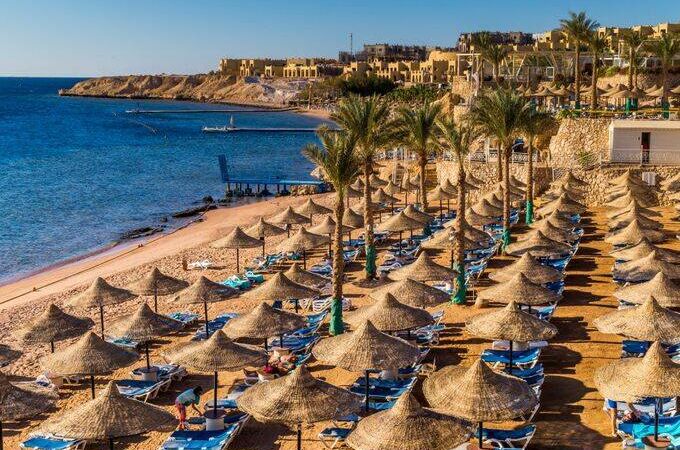
In midsummer, many travelers deliberately avoid remaining exposed during the strongest part of the day. January reverses that instinct. The hours around late morning and early afternoon can become the most attractive period for lying beside the sea, swimming, reading outdoors or spending time around the resort.
Morning can begin relatively fresh, particularly if your hotel beach receives less early sunshine. Later in the afternoon, the loss of direct sun can change the sensation surprisingly quickly.
This creates a more concentrated beach rhythm.
Rather than expecting to occupy a sun lounger from breakfast until sunset, think of January as offering a valuable central window when the combination of sunshine and daytime warmth is strongest.
Travelers joining a Red Sea winter escape can then build other resort activities around that window instead of assuming every outdoor hour has equal beach value.
The Red Sea Doesn't Follow the Air Temperature
This is one of the most important facts for January travelers.
Large bodies of water do not heat and cool at the same speed as the atmosphere. The Red Sea carries warmth from the preceding months into winter, which is why January sea temperatures can remain suitable for swimming even when the morning air feels relatively cool.
That does not guarantee that everyone will find the water warm.
Someone accustomed to swimming in cooler seas may consider 23°C perfectly comfortable. A traveler who prefers tropical-water temperatures may find the first few minutes fresh.
Personal tolerance matters.
What makes January distinctive is that the decision to swim should not be based solely on the day's maximum air temperature.
A forecast showing 21°C does not automatically mean “too cold for the sea.”
Getting Out Can Matter More Than Getting In
January's swimming question often focuses on entering the water.
The more revealing moment comes afterward.
When you climb out under strong sunshine at a sheltered beach, the transition may feel perfectly manageable. Add a breeze, shade or a boat deck, and the same swim can finish very differently.
This matters particularly for snorkeling.
You may spend a considerable period in the water without feeling uncomfortable, then notice the winter conditions while waiting for the next entry or moving between sites.
A towel, dry clothing and something light to put on afterward can therefore contribute more to comfort than endlessly debating whether the sea itself is warm enough.
That distinction belongs specifically to Sharm's winter resort climate and is one reason January should not be written like a generic Egypt weather page.
Resort Beach and Boat Day Are Not the Same Weather Experience
A common mistake is using one successful hotel beach day to predict how a snorkeling excursion will feel.
The environments are different.
A resort may have landscaping, buildings, cliffs or bay geography that reduces exposure. You can move between a sun lounger, restaurant, room and water whenever you choose.
A boat excursion removes much of that control.
You may spend longer exposed to moving air, remain in wet swimwear between stops and have fewer opportunities to choose a sheltered position.
For travelers considering a Sharm reef and snorkeling holiday, the relevant January question is therefore not simply whether swimming is possible.
It is how much of the day will be spent between swims.
Shelter Can Change Your January Holiday
Sharm El Sheikh is not one uniform strip of coastline.
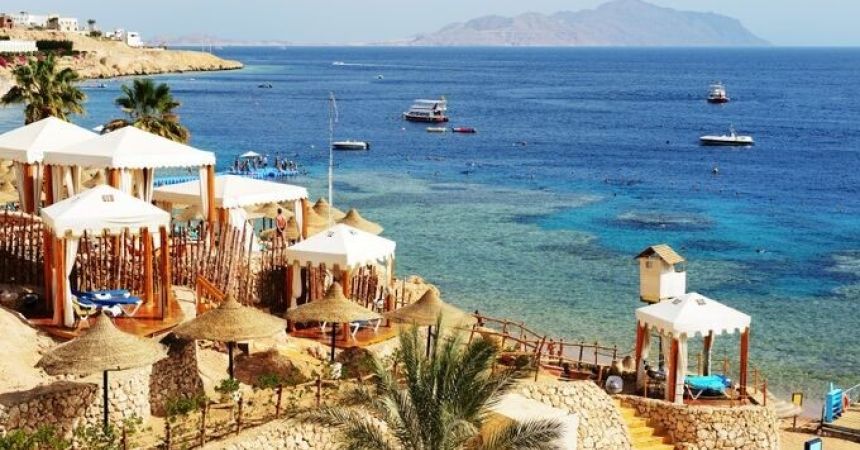
The orientation and geography of individual resort areas can affect how exposed a beach feels, particularly when wind is present. A protected bay can create a noticeably different lounging experience from a more exposed shoreline even though both locations share the same official weather forecast.
This makes resort selection more relevant in January than many first-time visitors expect.
A traveler primarily interested in winter sunshine and long periods beside the water may value a naturally sheltered beach differently from someone whose main priorities are restaurants, nightlife or diving.
That does not mean there is one universally “best” area.
It means January makes micro-location more important.
February will explore wind much more deeply as its own exclusive cluster topic. Here, the point is narrower: in January, shelter helps explain why the same day's temperature can produce very different beach experiences.
Pool Temperature Is a Separate Question
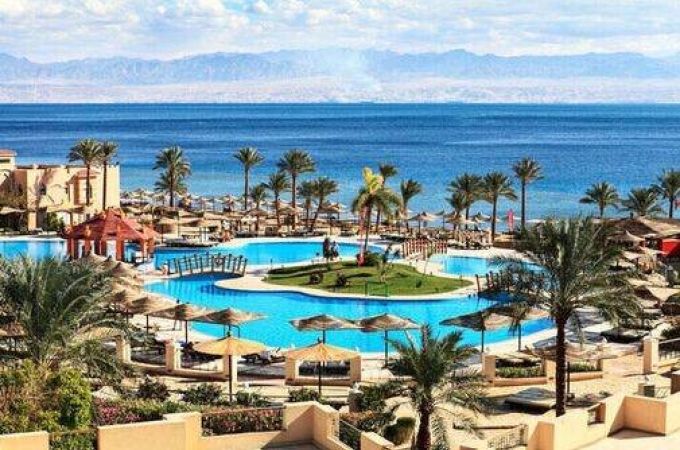
Seeing a resort with several beautiful outdoor pools can create an obvious assumption: if the Red Sea is swimmable, the pools must be too.
Not necessarily.
Pool temperature depends heavily on whether the water is heated, how much sunshine the pool receives, its depth and the hotel's operating policy. An unheated pool can feel substantially less inviting than the sea during winter.
This is one of the few January questions worth checking directly with the hotel before booking, particularly for families or travelers who expect to spend more time poolside than snorkeling.
“Heated pool” can be a much more meaningful winter amenity than it appears on a summer resort description.
January Sun Is Still Red Sea Sun
Cooler air creates another trap.
Because the temperature feels pleasant, travelers can underestimate how much time they are spending under direct sunshine.
January does not require the same daily rhythm as peak summer, but sun protection remains relevant when you spend several hours on a beach, boat or exposed deck.
The pleasant temperature can actually make prolonged exposure easier because you do not receive the same immediate heat signal telling you to move indoors.
Travelers on a Sinai coast and sea journey should therefore separate two ideas: comfortable air temperature and insignificant sun exposure are not the same thing.
Don't Judge January at Breakfast
A fresh morning can create the wrong impression of the day ahead.
You step outside early, feel the cooler air and conclude that the beach will not work.
Wait.
January's strongest resort hours often develop later as the sun gains influence. The difference between breakfast conditions and early afternoon can be substantial enough to change what you want to do.
This gives January its exclusive place within the Sharm El Sheikh weather cluster:
January is not about asking whether Sharm is “hot” in winter. It is about understanding the relationship between winter air, a relatively warm Red Sea, direct sunshine and the smaller part of the day when all three work together particularly well.
Build the Day Around the Beach, Not the Clock
A January resort day in Sharm El Sheikh rarely needs an aggressive schedule. It works better when the sea and strongest sunshine occupy the center of the day, while activities that do not depend on beach warmth sit around them.
Breakfast can be leisurely. The beach becomes increasingly attractive as the morning develops. Swimming or snorkeling can occupy the brighter central hours, followed by lunch and a slower afternoon.
That rhythm is almost the reverse of midsummer resort logic, when travelers may deliberately retreat during the strongest sunshine.
January makes those central hours valuable.
Swimming or Snorkeling? They Are Different Decisions
Swimming involves entering the water, remaining active and returning to shore whenever you choose. Snorkeling often means longer water sessions, periods of floating rather than continuous movement and, on excursions, time spent outside between entries.
That difference matters in January.
A traveler perfectly happy with a twenty-minute swim from the hotel beach may find an extended snorkeling excursion more demanding. Another traveler wearing an appropriate wetsuit may spend considerably longer exploring reefs without difficulty.
Rather than asking whether January is “good for snorkeling,” think about the actual experience you are booking.
| Water Plan | January Consideration |
|---|---|
| Quick resort swim | Easy to adjust around conditions |
| Shore snorkeling | Flexible entry and exit |
| Long reef session | Water duration becomes important |
| Boat snorkeling | Between-swim exposure matters |
| Diving | Equipment changes the experience considerably |
This distinction prevents one sea-temperature figure from being used to answer five different questions.
A Wetsuit Changes the Equation
Travelers planning substantial snorkeling or diving should think differently from casual swimmers.
A wetsuit can make longer periods in the Red Sea much more comfortable, particularly for people who feel cold quickly. Dive centers and organized excursions can advise on appropriate equipment for current conditions.
The important point is that water activity duration matters.
Someone entering the sea briefly from a sunny beach and someone spending repeated sessions around offshore reefs are not having the same January experience, even if they enter identical water.
Heated Pools Matter Most Between Swims
Families often evaluate a winter resort according to whether everyone can swim.
That makes heated pools particularly valuable.
Children may want to enter and leave the water repeatedly throughout the day rather than committing to one concentrated sea-swimming period. A properly heated pool can therefore extend the usable swimming day beyond the hours when the beach feels at its best.
Before booking, check whether the specific pool you expect to use is heated during January. Large resorts may operate several pools with different heating arrangements, and promotional photographs rarely make that distinction obvious.
Don't Pack for January as Though You're Visiting Cairo
Sharm El Sheikh is a resort environment, so clothing needs are shaped by beach time, water activities and outdoor evenings rather than archaeological touring.
Light daytime clothing remains useful when the sun is out. Swimwear, suitable footwear for the resort or beach, sun protection and something easy to put on after leaving the water deserve priority.
For later hours, add a light jacket, cardigan or similar layer.
You do not need to make the suitcase half summer and half winter. January packing works best when a relatively small number of adaptable pieces can move between the beach, resort and evening.
Sunset Changes the Resort Faster Than You Expect
One of January's most noticeable transitions occurs when direct sunshine disappears.
A beach that felt inviting earlier can empty quickly. Remaining in wet swimwear becomes less appealing, poolside lounging loses some of its attraction, and guests naturally shift toward rooms, restaurants and other parts of the resort.
That is not a disadvantage.
It creates two distinct holiday environments within one day: Red Sea winter sun during daylight and a cooler resort evening afterward.
Trying to make the evening behave like an extension of the beach day usually creates the wrong expectation.
January Evenings Belong to the Resort
Once swimming finishes, Sharm does not shut down.
Dinner, resort entertainment, cafés and evening outings provide a second part of the day that does not depend on beach conditions. A light additional layer makes that transition easier, particularly when sitting outside for longer periods.
This is why judging a January Sharm holiday entirely by the number of hours suitable for lying beside the sea misses much of the experience.
The beach is central.
It does not need to occupy every waking hour.
Sharm El Sheikh in January FAQs
1. Is Sharm El Sheikh warm in January?
January usually provides mild to pleasantly warm daytime conditions rather than intense summer heat. Sunshine can make the central part of the day feel particularly comfortable, while mornings and evenings are noticeably fresher and should not be judged by afternoon temperatures.
2. Can you swim in Sharm El Sheikh in January?
Yes, many travelers swim in January because the Red Sea retains considerable warmth through winter. Individual comfort varies, however, and conditions after leaving the water can feel cooler than the swim itself, particularly when a breeze is present.
3. What is the sea temperature in Sharm El Sheikh in January?
The Red Sea around Sharm El Sheikh is typically around 23–24°C during January. Some swimmers find this comfortable, while others prefer warmer water. Snorkelers spending longer periods immersed may appreciate a wetsuit more than casual swimmers do.
4. Can you sunbathe in Sharm El Sheikh in January?
Sunny conditions can support enjoyable sunbathing, particularly around the central daylight hours. January is less reliable for an uninterrupted breakfast-to-sunset beach day because mornings, late afternoons and exposed locations may feel considerably fresher.
5. Is January good for snorkeling in Sharm El Sheikh?
January can offer excellent reef experiences, but comfort depends on water duration and conditions outside the sea. Shore snorkeling provides greater flexibility, while boat excursions involve longer exposure between entries and therefore require slightly different preparation.
6. Do I need a wetsuit for snorkeling in January?
Not everyone will need one, but a wetsuit can improve comfort during longer snorkeling sessions, particularly for travelers sensitive to cooler water. For organized excursions, ask the operator what equipment is appropriate for current sea conditions.
7. Are hotel pools warm enough in January?
That depends on the resort and individual pool. Heated pools can be very comfortable, while unheated pools may feel cooler than expected. Families should confirm heating arrangements directly rather than assuming every pool at a resort operates at the same temperature.
8. Is January rainy in Sharm El Sheikh?
Rainfall is generally scarce, and prolonged wet periods are unusual. January holiday planning is therefore much more influenced by temperature, sunshine and exposure around the coast than by the need to organize extensive rainy-day alternatives.
9. What should I wear during the day in January?
Light clothing can work well under daytime sunshine, particularly around the resort. Bring swimwear, sun protection and something easy to wear after water activities, while keeping an additional lightweight layer available for fresher periods.
10. What should I wear at night in Sharm El Sheikh in January?
Evenings can feel considerably cooler than sunny afternoons, so a light jacket, cardigan or similar layer is useful. Travelers who feel cold easily may prefer slightly warmer evening clothing, especially when dining or sitting outdoors.
11. Is January suitable for families visiting Sharm El Sheikh?
It can work very well, particularly when the chosen resort has a sheltered beach and heated pool. Families expecting children to spend the entire day moving between several unheated pools should investigate hotel facilities carefully before booking.
12. What should I realistically expect from a January Sharm holiday?
Expect a winter-sun resort holiday rather than tropical midsummer conditions. The strongest daylight hours can provide excellent beach and Red Sea time, while mornings, post-swim periods and evenings feel fresher. Matching activities to those changes makes January far more rewarding.

A travel professional specializing in tailor-made travel planning, guest experience management, and multi-destination tourism operations.
With over 23 years of experience in the travel industry, he designs and manages private and cultural tours for international travelers across Türkiye, Greece, Egypt, Jordan, Morocco, and other destinations.
He has strong expertise in both online and face-to-face guest communication, sales processes, and end-to-end travel operations.
Working closely with hotels, travel agencies, and local partners, he ensures smooth coordination and high-quality travel experiences at every stage of the journey.
His focus is on delivering personalized, reliable, and seamless travel experiences for international guests worldwide.