Greece in January: A Quieter Side of Winter Travel
Last Updated: August 7, 2026
January rarely appears at the top of travel wish lists for Greece.
For many people, the country belongs to summer.
They picture whitewashed villages overlooking the Aegean, afternoons spent beside the sea, and ferries moving between sunlit islands.
All of that is part of Greece.
It just isn't the whole story.
January introduces a version of the country that many international visitors never have the opportunity to experience.
The beaches become places for quiet walks rather than busy afternoons.
Historic cities return to their everyday rhythm after the festive season.
Mountain villages settle into winter life, where wood-burning fireplaces, local cafés, and family tavernas become the heart of the community.
Rather than feeling as though tourism has ended, Greece simply begins speaking in a quieter voice.
For some travellers, that's exactly what makes January so appealing.
There's more time to pause.
More opportunities to talk with local people.
More freedom to explore famous places without constantly moving with the crowd.
The journey becomes less about following an itinerary and more about observing a country as it naturally lives.
January isn't designed for everyone.
Travellers hoping for beach holidays or island nightlife will almost certainly prefer another season.
But visitors interested in history, architecture, gastronomy, local traditions, photography, and slow travel often discover that January offers something they hadn't expected.
Perspective.
This guide isn't here to compare winter with summer.
It explores why January deserves to be appreciated on its own terms, which regions are especially rewarding during this season, and how travelling through Greece at the beginning of the year creates experiences that are impossible to find during the height of summer.
January Begins With Stillness
There is a certain calm that arrives once the celebrations of the New Year have passed.
Cities become quieter.
Museums feel unhurried.
Historic streets belong once again to the people who live there every day.
For visitors, this creates a rare opportunity.
Instead of navigating busy attractions, you begin noticing the details.
The smell of fresh bread escaping from a neighbourhood bakery before sunrise.
The sound of church bells carrying across an old town.
A bookseller carefully arranging the window display before opening for the day.
These aren't moments you can schedule.
They simply become easier to notice when the pace of travel slows.
January doesn't remove experiences from Greece.
It removes distractions.
Winter Invites a Different Kind of Exploration
Travelling in January isn't about replacing outdoor adventures with indoor activities.
It's about expanding what travel means.
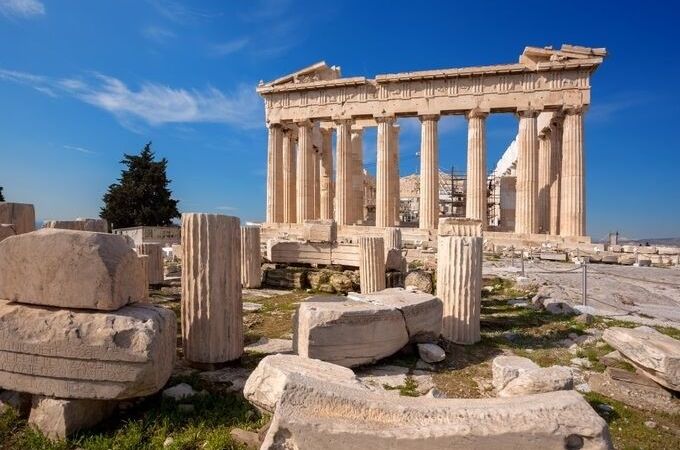
One morning might begin at the Acropolis Museum before continuing through the quiet streets of Plaka.
Another day could take you into the mountains, where traditional villages feel wonderfully disconnected from modern routines.
Even simple experiences gain more significance.
Sharing coffee in a neighbourhood café.
Browsing a local food market.
Watching daily life unfold in a town square that isn't trying to entertain anyone.
This slower rhythm encourages curiosity.
The journey becomes less about collecting landmarks and more about understanding the places between them.
Travellers choosing our expertly crafted cultural journeys across Greece often find that January creates ideal conditions for exploring the country's history, neighbourhoods, and regional traditions at a pace that's difficult to experience during the busier months.
Greece Feels Surprisingly Personal
One of January's greatest strengths is the sense of connection it creates.
Without large seasonal crowds, conversations happen more naturally.
Restaurant owners have time to recommend a regional speciality.
Museum staff often share fascinating historical insights.
Shopkeepers ask where you've travelled from before suggesting somewhere locals enjoy eating nearby.
These interactions aren't organised experiences.
They're simply everyday hospitality.
Yet they often become the memories visitors treasure most.
January quietly reminds us that travel isn't only about places.
It's also about people.
Every Region Tells a Different Winter Story
One of Greece's greatest strengths in January is its diversity.
Within a single journey, you can experience vibrant city life, peaceful archaeological sites, traditional mountain villages, and dramatic coastal scenery.
The weather changes from region to region.
So does the atmosphere.
Rather than chasing the warmest destination, January encourages travellers to choose experiences that match their interests.
Some spend days exploring museums and neighbourhood cafés.
Others head towards the mountains for quiet landscapes and traditional guesthouses.
Many discover that combining both creates the richest journey of all.
Winter doesn't limit Greece.
It simply offers different possibilities.
Athens Becomes Easier to Understand
Athens has always been more than the Acropolis.
January makes that easier to appreciate.
The city slows to its everyday rhythm.
Morning commuters stop at neighbourhood bakeries before work.
Independent cafés fill gradually with students, artists, and local residents.
Bookshops become warm places to browse for an hour without noticing the time passing.
Walking through Plaka or Anafiotika still feels special, but January quietly encourages visitors to continue beyond the familiar streets.
Neighbourhoods such as Koukaki, Pangrati, and Psiri reveal a capital where history exists alongside ordinary daily life.
Instead of rushing from monument to monument, travellers begin understanding Athens as a city people genuinely call home.
Visitors joining our expertly guided cultural holidays across Greece often say January gives them the opportunity to experience Athens with a depth that simply isn't possible during the busiest travel months.
Thessaloniki Celebrates Everyday Life
While Athens tells the story of ancient Greece, Thessaloniki often introduces visitors to modern Greek culture.
January suits the city beautifully.
The famous waterfront remains lively, even on cooler afternoons.
Small cafés invite people inside for Greek coffee and conversation.
Museums, galleries, and local markets become natural stops throughout the day.
Food also plays a bigger role during winter.
Traditional recipes prepared with seasonal ingredients appear across neighbourhood tavernas, creating an atmosphere where meals are enjoyed slowly rather than hurried between sightseeing stops.
Thessaloniki doesn't try to entertain visitors.
It simply welcomes them into its everyday rhythm.
Meteora Feels Almost Timeless
There are destinations that become quieter in winter.
Meteora becomes more profound.
Morning mist often wraps gently around the towering rock formations before revealing the monasteries standing above the valley.
Without the constant movement of larger tour groups, visitors naturally spend more time looking, listening, and appreciating the remarkable silence that defines this extraordinary landscape.
The scenery encourages reflection.
Even those who arrive primarily for photography often leave remembering something less visible.
The feeling of standing somewhere truly unlike anywhere else in Europe.
Pelion Combines Coast and Mountains
Few regions capture Greece's geographical diversity as beautifully as Pelion.
January highlights that contrast.
Traditional villages sit among forested hills, while the Aegean coastline remains within easy reach.
Stone houses, winding mountain roads, and welcoming guesthouses create an atmosphere that feels wonderfully removed from modern routines.
Rather than focusing on famous landmarks, visitors come here for slower pleasures.
A scenic drive through the mountains.
Fresh bread from a village bakery.
A quiet afternoon beside a fireplace after exploring countryside paths.
Travellers exploring our carefully designed mainland Greece journeys frequently discover that Pelion becomes one of the unexpected highlights of a winter itinerary.
Zagori Reveals a Different Greece
Ask someone to imagine Greece, and snow-covered stone villages are rarely the first image that comes to mind.
Zagori changes that perception completely.
Historic bridges connect villages that appear almost untouched by time.
Mountain rivers carve their way through deep valleys.
Traditional guesthouses welcome travellers with genuine warmth after a day spent exploring the surrounding landscapes.
The beauty of Zagori isn't dramatic in the way Santorini is dramatic.
It's quieter.
More subtle.
More deeply connected to nature and local tradition.
January allows visitors to experience that authenticity without distraction.
Ancient Sites Feel Surprisingly Personal
Visiting places like Delphi or Ancient Olympia during January creates a very different experience from the height of summer.
The monuments remain exactly the same.
What changes is the atmosphere around them.
There is time to pause.
To notice details in the stonework.
To stand quietly and imagine how these places once functioned thousands of years ago.
History becomes easier to absorb when it isn't competing with large crowds or busy itineraries.
Guests following our heritage-focused tours through ancient Greece often describe winter visits as some of the most memorable moments of their journey because the sites feel less like attractions and more like places of reflection.
Winter Roads Lead to Unexpected Discoveries
January rewards travellers who don't mind taking the scenic route.
You may stop in a village simply because smoke rising from a chimney makes the square look inviting.
You might discover a family bakery where pastries have been prepared the same way for generations.
A short coffee break can easily become an hour spent talking with local residents about life in the region.
These moments rarely appear in guidebooks.
Yet they often define the journey long after you've returned home.
Winter creates space for spontaneity.
And spontaneity often creates the best stories.
January Brings Greece Back to the Locals
There is an interesting shift that happens after the New Year celebrations.
The country doesn't become empty.
It becomes local again.
Morning cafés return to their familiar customers.
Village bakeries prepare bread for neighbours rather than holiday crowds.
City markets return to their everyday rhythm.
For travellers, this creates an opportunity that simply doesn't exist during busier seasons.
Instead of observing tourism, you begin observing life itself.
That difference is subtle, but it changes the entire journey.
Packing for a Journey That Keeps Changing
January isn't about packing for severe winter.
It's about preparing for variety.
A sunny afternoon in Athens may feel completely different from an evening in a mountain village or a morning exploring Meteora.
The smartest approach is to pack layers rather than heavy clothing.
A waterproof jacket, comfortable walking shoes, warm knitwear, and a light scarf usually provide everything needed for travelling comfortably across different regions.
Rather than planning your suitcase around one forecast, prepare for a journey that moves naturally between cities, countryside, and higher elevations.
Winter Is the Best Time to Discover Greek Comfort Food
Every season has its flavours.
January introduces a side of Greek cuisine that many summer visitors never experience.
Slow-cooked casseroles, hearty soups, freshly baked pies, seasonal greens, beans, mushrooms, local cheeses, and fragrant olive oil become everyday favourites.
Meals also become longer.
Restaurants aren't simply places to eat before the next activity.
They're places to gather, talk, and enjoy unhurried evenings.
Family-run tavernas often feel especially welcoming during winter, offering recipes that have remained unchanged for generations.
Travellers choosing our authentic Greek culinary vacations frequently discover that January provides one of the year's richest opportunities to understand regional food traditions beyond the familiar summer menus.
Museums Finally Have Time to Tell Their Stories
Summer visitors often move quickly through museums because there is so much else waiting outside.
January quietly changes that.
Whether you're exploring the National Archaeological Museum, the Acropolis Museum, or smaller regional collections, there is space to slow down.
You notice details that would normally be overlooked.
Ancient sculptures.
Delicate mosaics.
Byzantine icons.
Every gallery feels more personal when you're not moving with a crowd.
History becomes something you experience rather than simply observe.
Winter Light Rewards Patient Travellers
January isn't known for dramatic sunsets every evening.
Its beauty is more understated.
Soft morning light spreads across marble temples.
Clouds drift slowly above ancient landscapes.
Rain leaves historic streets shining beneath old stone buildings.
Mountain villages appear through gentle mist before the sun gradually brightens the valley.
Photographers often speak about winter light because it creates atmosphere instead of spectacle.
The result feels quieter.
More intimate.
More honest.
Visitors interested in slower, photography-focused journeys often enjoy our scenic travel experiences across mainland Greece, where landscapes, architecture, and everyday life become just as important as famous landmarks.
Coffee Is More Than a Drink
In January, cafés become one of the best places to understand Greece.
Not because of what's served.
Because of what happens around the table.
Friends meet without checking the time.
Neighbours stop to exchange news.
Business discussions blend naturally into everyday conversation.
Visitors are welcomed without feeling like outsiders.
Sitting in a neighbourhood café for an hour often reveals more about Greek culture than rushing through several attractions in a single afternoon.
It's a simple experience.
Yet it captures something essential about daily life.
January Belongs to Travellers Who Enjoy Looking Closer
Some holidays are built around excitement.
January offers something different.
Observation.
You notice architectural details that summer crowds might hide.
You discover local markets because they're part of your walk rather than a scheduled attraction.
You accept recommendations from residents because your itinerary has room to change.
Travelling becomes less about completing a checklist and more about remaining open to unexpected discoveries.
That's exactly what January rewards.
A Journey That Begins the Year Differently
Beginning the year with Greece feels surprisingly meaningful.
Perhaps it's because January naturally encourages reflection.
Perhaps it's the slower rhythm.
Or perhaps it's the simple pleasure of exploring one of Europe's great cultural destinations without feeling hurried.
Whatever the reason, many travellers leave with the same thought.
They didn't experience less Greece because they travelled in January.
They simply experienced a different Greece.
If you're looking for meaningful cultural discoveries, regional cuisine, and flexible itineraries that go beyond the usual highlights, our custom-designed holidays throughout Greece offer a thoughtful way to explore the country's cities, landscapes, and traditions during one of its most rewarding seasons.
January Doesn't Ask You to See More—It Asks You to Notice More
Travelling in Greece during January changes your priorities in unexpected ways.
You stop measuring the day by the number of places you've visited.
Instead, you remember the moments that couldn't have been planned.
The elderly man feeding pigeons beneath the Acropolis before the city fully wakes up.
The tiny bakery where the owner insists you try a warm slice of spanakopita because it has just come out of the oven.
The mountain road where the only reason you stop is because the view is impossible to drive past.
These moments rarely appear in guidebooks.
Yet they are often the ones people talk about long after the journey ends.
January has a quiet way of rewarding anyone willing to slow down.
Greece Weather in January at a Glance
| Category | What to Expect |
|---|---|
| Overall Climate | Cool but generally mild by European standards, with regional differences between the coast, mainland, and mountains. |
| Daylight | Shorter days, ideal for relaxed sightseeing, museums, historic towns, and scenic drives. |
| Landscape | Snow-dusted mountains, green valleys, olive groves, dramatic coastlines, and peaceful archaeological sites. |
| Sea Conditions | Beautiful for coastal walks and photography, while winter travellers usually focus on culture rather than swimming. |
| Visitor Numbers | Low, allowing many of Greece's most famous destinations to be explored at an unhurried pace. |
| Outdoor Activities | Walking, road trips, photography, archaeology, mountain villages, gastronomy, and cultural experiences. |
| Transport | Domestic flights, rail, and mainland transport operate year-round, while some seasonal island ferry schedules are reduced. |
| Best For | Curious travellers, couples, photographers, history lovers, food enthusiasts, and anyone seeking authentic local experiences. |
Smart Packing Checklist for January
Rather than packing for extreme winter, prepare for changing landscapes and comfortable exploration.
A practical suitcase should include:
- Layered clothing
- Warm jumper or fleece
- Waterproof jacket
- Comfortable waterproof walking shoes
- Scarf and light gloves
- Compact umbrella
- Daypack for sightseeing
- Reusable water bottle
- Portable charger
- Camera for winter landscapes and city photography
Packing with flexibility allows you to move comfortably between lively cities, archaeological sites, coastal towns, and mountain villages without carrying unnecessary luggage.
Frequently Asked Questions
1. Is January a good month to visit Greece?
Yes, especially if your interests extend beyond beaches. January is ideal for discovering Greece's history, museums, architecture, mountain villages, regional cuisine, and everyday local life without the pace of the high tourist season.
2. Can you visit archaeological sites in January?
Absolutely. Most major archaeological sites remain open throughout winter. The cooler temperatures and smaller visitor numbers often make exploring places such as the Acropolis, Delphi, and Ancient Olympia far more comfortable than during summer.
3. Which destinations are best in January?
Athens, Thessaloniki, Meteora, Nafplio, Pelion, Zagori, Delphi, and many parts of the Peloponnese offer rewarding winter experiences. Each reveals a different side of Greece, combining history, landscapes, and regional traditions.
4. Is January suitable for road trips?
Very much so. Mainland Greece is particularly enjoyable during winter, with quieter roads, scenic mountain routes, traditional villages, and countless opportunities to stop whenever something unexpected catches your attention.
5. What should I wear in Greece during January?
Layering is the most practical approach. A warm sweater, waterproof jacket, comfortable walking shoes, and a scarf will comfortably cover most situations, while heavier clothing may be useful in higher mountain regions.
6. Is Athens worth visiting in January?
Without question. The city's museums, neighbourhood cafés, archaeological sites, food markets, and historic districts are all easier to enjoy without the crowds that arrive later in the year.
7. Does it snow in Greece during January?
Snow is common in higher mountain regions and some northern areas, while coastal destinations and many cities usually experience much milder winter conditions. Greece's varied geography creates very different winter landscapes within relatively short distances.
8. Is January good for photography?
Yes. Soft winter light, misty mountain mornings, quiet historic streets, and uncrowded archaeological sites create opportunities that are difficult to find during the brighter, busier months of summer.
9. Are restaurants and cafés open?
Yes. Across cities and towns, local cafés, bakeries, and tavernas continue serving residents year-round. Winter often provides a more authentic dining experience because many customers are local rather than seasonal visitors.
10. Is January a good month for food lovers?
Definitely. Winter menus highlight comforting regional dishes, seasonal vegetables, local cheeses, fresh olive oil, pies, soups, and slow-cooked recipes that are deeply connected to Greek culinary traditions.
11. Who enjoys travelling to Greece in January?
January appeals to travellers who value culture over crowds, meaningful conversations over busy itineraries, and authentic experiences over predictable sightseeing. It is particularly rewarding for photographers, history enthusiasts, couples, and repeat visitors.
12. Why do experienced travellers recommend January?
Because January reveals the Greece that exists between the postcards. It offers space to slow down, engage with local communities, appreciate remarkable historical sites in peace, and experience the country as it naturally lives outside the summer season.

A travel professional specializing in tailor-made travel planning, guest experience management, and multi-destination tourism operations.
With over 23 years of experience in the travel industry, he designs and manages private and cultural tours for international travelers across Türkiye, Greece, Egypt, Jordan, Morocco, and other destinations.
He has strong expertise in both online and face-to-face guest communication, sales processes, and end-to-end travel operations.
Working closely with hotels, travel agencies, and local partners, he ensures smooth coordination and high-quality travel experiences at every stage of the journey.
His focus is on delivering personalized, reliable, and seamless travel experiences for international guests worldwide.