Greece in July: Finding Your Rhythm in the Summer Heat
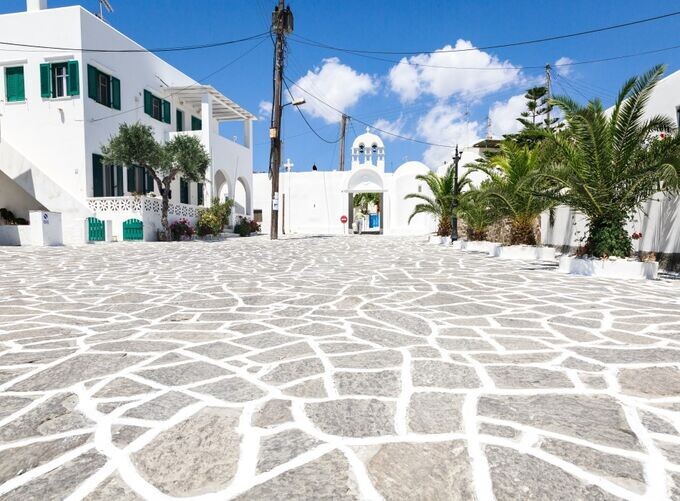
Dressing for July Is About Comfort, Not Fashion
Visitors sometimes overpack for a July holiday in Greece.
In reality, you'll probably wear the same comfortable essentials throughout most of your trip.
Breathable fabrics make a noticeable difference during the warmest part of the day.
Light colours reflect the strong Mediterranean sun more effectively than darker clothing.
Supportive walking shoes remain just as important as sandals because Greece is a country best explored on foot. Historic streets, archaeological sites, village lanes, and waterfront promenades often involve more walking than visitors expect.
A reusable water bottle, sunglasses, and reliable sun protection will almost certainly prove more useful than bringing extra outfits.
July rewards travellers who pack intelligently rather than excessively.
The Beach Becomes More Than a Destination
Many holidays divide the day into sightseeing or beach time.
July naturally blends the two.
It isn't unusual to spend the morning exploring ancient ruins before cooling off with a swim a few hours later.
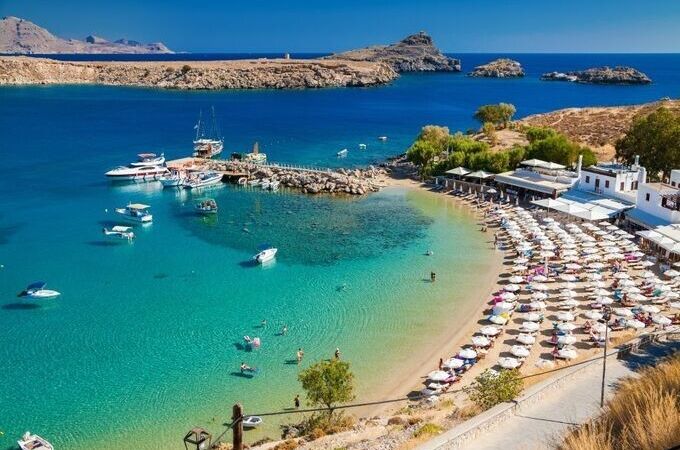
Likewise, a quiet beach can easily become the starting point for an afternoon boat trip or a leisurely seafood lunch overlooking the water.
The coastline becomes woven into everyday travel rather than reserved for one dedicated beach day.
That's one of the reasons July feels so different from earlier months.
The sea isn't simply an attraction.
It quietly shapes the rhythm of the entire holiday.
Travellers looking for journeys that naturally combine cultural landmarks with island relaxation often enjoy our carefully designed Greece vacation itineraries, where historical exploration and coastal experiences complement each other throughout the trip.
Learning the Local Summer Rhythm
One of the quickest ways to enjoy Greece in July is to observe how local people approach the season.
Very few residents spend the hottest hours rushing between activities.
Instead, the day unfolds naturally.
Morning is often reserved for work, sightseeing, or errands.
Afternoons slow down.
Evenings become the social heart of the day.
Visitors who adapt to that rhythm usually discover that travelling becomes far more enjoyable.
There's no need to "fit everything in."
The long daylight hours create plenty of time.
Sometimes the best decision is simply to pause, order another coffee, and wait for the evening to arrive.
July Is Built for Life on the Water
The sea defines July more than almost any other element of the Greek summer.
Ferries cross the Aegean from early morning.
Sailing yachts move between islands.
Small excursion boats explore hidden coves.
Families gather on beaches until sunset.
Even travellers who never planned a maritime holiday often find themselves spending far more time on or beside the water than expected.
It isn't only about swimming.
It's about experiencing Greece from a different perspective.
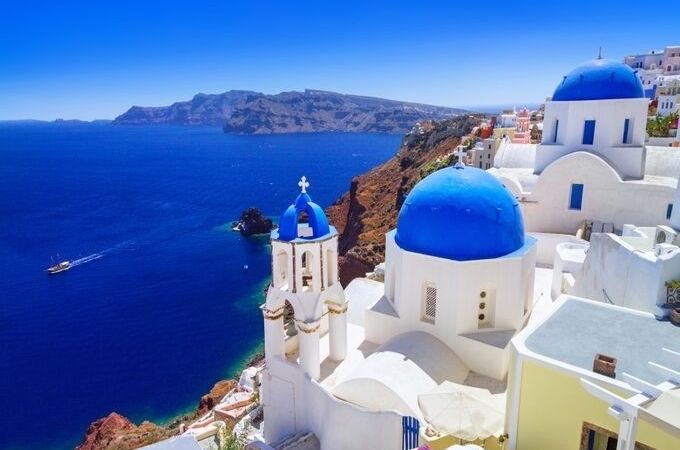
Looking back at white villages from the sea.
Watching cliffs rise above quiet bays.
Arriving at small harbours where life still follows the pace of the fishing boats.
Visitors joining our island-hopping holidays through Greece frequently describe these moments between destinations as highlights of the journey rather than simply transportation.
Summer Festivals Add Another Layer to the Journey
Across Greece, July is filled with cultural activity.
Open-air concerts.
Local festivals.
Traditional celebrations.
Outdoor theatre performances.
Community events that continue well into the evening.
Some take place in ancient theatres.
Others unfold in village squares where local families gather year after year.
Rather than feeling like tourist attractions, many of these celebrations remain deeply connected to local communities.
If your travel dates happen to coincide with one, it's well worth adjusting your plans.
These experiences often become the stories visitors remember long after returning home.
Staying Comfortable During the Warmest Hours
Enjoying July doesn't require avoiding the sunshine.
It simply means using it wisely.
Experienced travellers often begin sightseeing earlier than usual, schedule longer lunches, and save relaxed activities for the afternoon before heading back outdoors during the evening.
This isn't about limiting your holiday.
It's about making each part of the day work in your favour.
The reward is simple.
More energy.
Less fatigue.
And enough time to enjoy both the country's cultural treasures and its famous coastline.
July Is Ideal for Travellers Who Enjoy Variety
Some visitors spend every day on the same beach.
Others prefer moving constantly between destinations.
July works especially well for the second group.
You might begin the day in a historic city.
Board a ferry before lunch.
Swim in the afternoon.
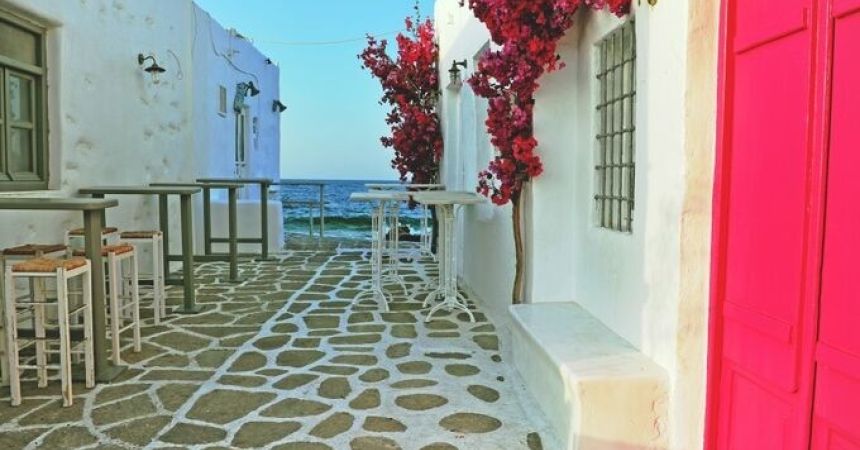
Finish the evening at a harbour restaurant listening to conversations drift across the waterfront.
Few European destinations allow such different experiences to exist so naturally within a single day.
For travellers interested in seeing more than one side of the country, our multi-region Greece travel experiences are designed to combine mainland heritage, island scenery, and local culture into one seamless summer journey.
July Isn't About Doing More—It's About Enjoying More
The temptation during summer is to fill every hour with activities.
Greece quietly encourages the opposite.
Take longer lunches.
Stay a little later by the sea.
Watch the sunset without checking the time.
Walk through a harbour after dinner simply because the evening feels too pleasant to end.
Those slower moments rarely appear on itineraries.
Yet they often become the memories that define a July holiday.
July Is Best Enjoyed, Not Rushed
It's easy to think of July as Greece's hottest month.
Technically, that's often true.
But if temperature is all you remember, you've missed what makes July special.
This is the month when the country spends more time outdoors than indoors.
Meals become longer.
Conversations continue well into the night.
Harbours stay busy until the last ferry arrives.
The sea becomes part of everyday life rather than a destination on the itinerary.
Visitors who embrace that rhythm rarely describe July as exhausting.
Instead, they describe it as surprisingly relaxed.
The weather encourages a different pace rather than limiting what you can do.
That's the difference.
Greece Weather in July at a Glance
| Category | What to Expect |
|---|---|
| Overall Climate | Hot, sunny, and reliably dry across nearly all of Greece. |
| Daylight | Long summer days with late sunsets and plenty of time for outdoor activities. |
| Sea Temperature | Warm and comfortable for swimming, sailing, and water sports throughout the country. |
| Crowds | High, especially on popular islands and at world-famous landmarks. |
| Outdoor Lifestyle | Beaches, evening dining, festivals, sailing, and waterfront walks dominate daily life. |
| Meltemi Winds | Cooling breezes are common across parts of the Aegean, particularly the Cyclades. |
| Ferry Services | Peak seasonal schedules connect the mainland with most inhabited islands. |
| Best For | Beach lovers, island-hoppers, families on summer holidays, sailors, and travellers seeking the classic Mediterranean experience. |
Practical Packing Checklist for July
Packing well for July is less about bringing more clothing and more about staying comfortable throughout long days in the sun.
A practical packing list includes:
- Breathable cotton or linen clothing
- Comfortable walking shoes
- Sandals suitable for beaches and harbours
- Swimwear
- Sunglasses with UV protection
- Wide-brim hat or lightweight cap
- High-SPF sunscreen
- Reusable insulated water bottle
- Small backpack for daily excursions
- Light shirt for breezy ferry crossings
- Waterproof pouch for phones and valuables during boat trips
The simpler your suitcase, the easier it becomes to move comfortably between cities, islands, beaches, and ferry terminals.
Frequently Asked Questions
1. Is July a good month to visit Greece?
July is an excellent choice for travellers who want the full Mediterranean summer experience. Warm seas, lively islands, long evenings, and reliable sunshine make it one of the most rewarding months for combining beaches, sightseeing, sailing, and outdoor dining throughout Greece.
2. Is July too hot for sightseeing?
Not necessarily. Most visitors simply adjust their daily routine by exploring historic sites during the morning or early evening while using the warmest hours for lunch, museums, beaches, or relaxation before returning outdoors later in the day.
3. Can you swim everywhere in Greece during July?
Yes. Sea temperatures throughout Greece are generally warm enough for comfortable swimming, making July one of the best months for beaches, boat excursions, snorkelling, paddleboarding, and other water-based activities across both the mainland and the islands.
4. What is the Meltemi wind, and should I worry about it?
The Meltemi is a seasonal northern wind that affects parts of the Aegean during summer. Most travellers appreciate its cooling effect, although it can occasionally influence ferry schedules, sailing conditions, and water sports depending on local forecasts.
5. Is July suitable for island hopping?
Absolutely. July offers the widest range of ferry connections, reliable weather, and fully operating tourism services. Booking transport and accommodation well in advance is recommended because demand is significantly higher than during spring or early summer.
6. What should I wear in Greece during July?
Lightweight, breathable clothing is ideal, together with comfortable footwear for sightseeing. Swimwear, sun protection, sunglasses, and a reusable water bottle quickly become everyday essentials for staying comfortable throughout long summer days outdoors.
7. Is Athens worth visiting in July?
Definitely. The key is to plan wisely. Visiting archaeological sites during the morning and enjoying Athens' lively rooftop restaurants, neighbourhood cafés, and open-air cinemas during the evening creates a rewarding balance between culture and local lifestyle.
8. Is July a good month for families?
Yes. School holidays make July one of the most popular months for family travel. Beaches, boat trips, outdoor attractions, and long evenings provide plenty of opportunities for travellers of different ages to enjoy Greece together.
9. Should I book ferries and hotels early?
Yes. July is one of the busiest travel periods of the year, particularly across the islands. Reserving accommodation, ferry tickets, and popular excursions well in advance provides greater flexibility and access to your preferred travel schedule.
10. Are all Greek islands equally hot in July?
Not exactly. While temperatures are generally high throughout the country, coastal breezes, altitude, and local geography create noticeable differences between islands and mainland destinations. Some areas feel significantly more comfortable than others despite similar forecasts.
11. Is July a good month for photography?
Yes. Early mornings and the hours before sunset offer exceptional light for photography. The combination of white Cycladic architecture, deep blue seas, golden evening light, and lively waterfront scenes creates memorable opportunities throughout the country.
12. Who will enjoy Greece most in July?
July is ideal for travellers who enjoy warm weather, swimming, sailing, island life, outdoor dining, festivals, and an energetic holiday atmosphere. Visitors who embrace the Mediterranean lifestyle rather than trying to avoid it usually have the most rewarding experience.

A travel professional specializing in tailor-made travel planning, guest experience management, and multi-destination tourism operations.
With over 23 years of experience in the travel industry, he designs and manages private and cultural tours for international travelers across Türkiye, Greece, Egypt, Jordan, Morocco, and other destinations.
He has strong expertise in both online and face-to-face guest communication, sales processes, and end-to-end travel operations.
Working closely with hotels, travel agencies, and local partners, he ensures smooth coordination and high-quality travel experiences at every stage of the journey.
His focus is on delivering personalized, reliable, and seamless travel experiences for international guests worldwide.