Greece in June: Long Days and the Start of Island Summer
Last Updated: August 7, 2026
There isn't a single day when Greece suddenly announces that summer has arrived.
Instead, it happens gradually.
The sea becomes a little warmer.
Restaurants keep their outdoor tables busy later into the evening.
Harbours welcome more ferries.
The beaches begin filling with swimmers instead of walkers.
Sunsets become part of the daily routine rather than something visitors plan around.
By June, that quiet transformation is complete.
The country has stepped confidently into the Mediterranean summer.
Yet it still holds onto something that disappears a few weeks later.
Breathing space.
The busiest school holidays haven't fully begun.
Many famous destinations are lively without feeling crowded.
Island life is in full swing, but finding a peaceful café overlooking the sea still isn't difficult.
For many experienced travellers, this is exactly why June feels so rewarding.
It delivers much of the atmosphere associated with peak summer while avoiding many of the compromises that come with July and August.
This guide isn't simply about temperatures or sunshine.
It's about understanding what daily life in Greece feels like during June, how different regions experience the beginning of summer, what activities become especially enjoyable, and why so many visitors quietly consider early summer the perfect moment to discover the country.
June Doesn't Feel Like Spring Anymore
May still carries traces of spring.
June doesn't.
The season has changed in almost every visible way.
The sea becomes part of everyday life.
Outdoor dining extends long after sunset.
Morning swims become increasingly common.
Open-air markets, waterfront cafés, and village squares remain active well into the evening.
The pace of life subtly shifts.
People spend less time indoors.
More conversations happen outside.
Days naturally become longer—not just because of daylight, but because nobody feels in a hurry to go home.
That atmosphere is difficult to measure on a weather chart.
Yet it's one of the defining characteristics of Greece in June.
The Sea Starts Becoming the Main Attraction
Earlier in the year, many visitors admire the coastline.
In June, they begin living beside it.
Swimming becomes a realistic part of everyday travel rather than an occasional activity.
Boat excursions become increasingly popular.
Hidden coves, quiet beaches, and island harbours begin revealing the relaxed Mediterranean lifestyle that Greece is famous for.
The sea also changes the rhythm of each day.
Morning sightseeing.
Afternoon by the water.
Dinner outdoors.
An evening walk along the harbour.
Rather than choosing between culture and relaxation, travellers often enjoy both naturally.
Visitors who experience our private Greece island tours in June often comment that this balance is what makes early summer feel so memorable.
Long Days Change the Way You Travel
One of June's greatest luxuries isn't the weather.
It's time.
The long daylight hours create extraordinary flexibility.
There's no need to rush breakfast.
No pressure to finish sightseeing before lunchtime.
No reason to head back to the hotel early.
Instead, the day unfolds naturally.
You explore when you feel curious.
Pause for lunch without watching the clock.
Stay longer at a viewpoint simply because the light is beautiful.
That slower rhythm quietly becomes one of the most enjoyable parts of travelling in Greece during June.
June Doesn't Feel the Same Across Greece
One of the reasons June works so well for different types of travellers is that Greece doesn't experience summer in exactly the same way everywhere.
The islands enjoy cooling sea breezes.
The mainland warms more quickly.
Mountain regions remain pleasantly fresh.
Northern Greece still offers comfortable afternoons while southern islands begin embracing true Mediterranean summer.
Understanding these differences helps you build a more enjoyable itinerary rather than assuming the entire country shares one forecast.
In June, choosing the right region is often more important than choosing the right month.
Athens Begins Living in the Evening
June changes the rhythm of Athens.
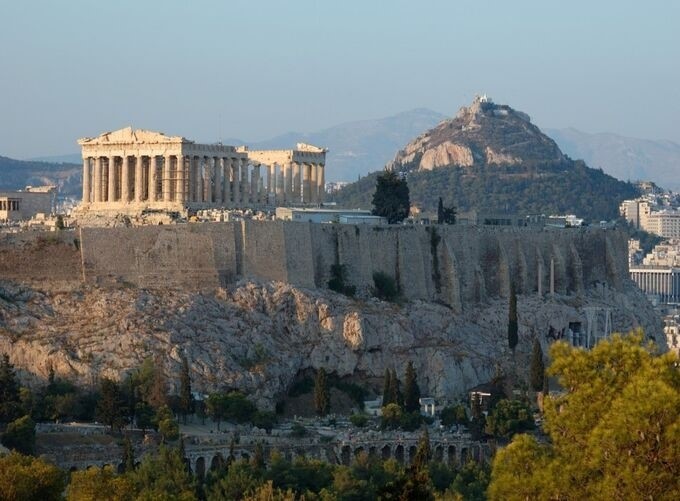
Visitors still spend mornings exploring the Acropolis, the Ancient Agora, and the city's historic neighbourhoods, but once the afternoon sun softens, something interesting happens.
The city comes outside.
Rooftop restaurants begin filling.
Locals meet friends after work.
Street musicians appear in pedestrian squares.
Outdoor cinemas reopen beneath the stars.
Dinner rarely feels rushed.
People linger over conversations long after the plates have been cleared.
For travellers, this means a day in Athens naturally divides into two different experiences: history under the morning sun and modern Mediterranean life after sunset.
Guests travelling on our private Greece tour packages often discover that June offers enough daylight to enjoy both without feeling that one comes at the expense of the other.
Santorini Finds Its Summer Rhythm
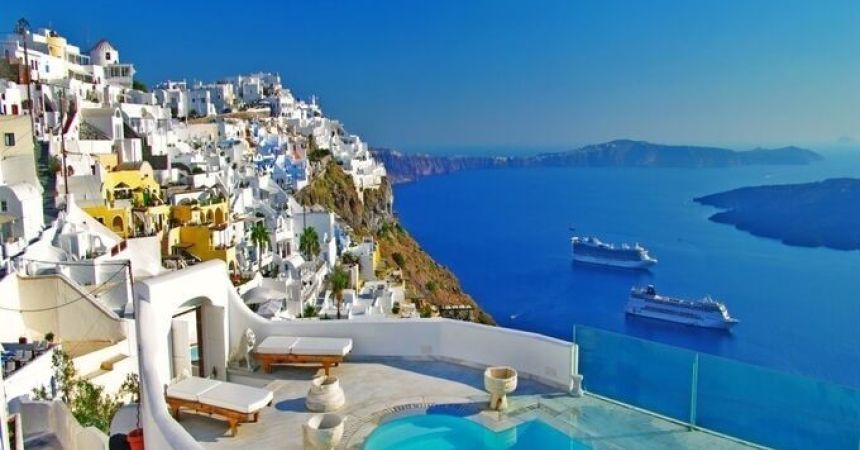
June is the month when Santorini settles into its familiar rhythm.
The island is lively, but mornings still offer moments of remarkable calm.
Walking along the caldera before breakfast feels entirely different from visiting later in the day.
The light is softer.
The streets are quieter.
The Aegean seems almost perfectly still.
By afternoon, terraces overlook a sea filled with sailing boats, while cafés and restaurants gradually become busier as sunset approaches.
Rather than feeling overwhelmed, the island feels prepared.
Everything is open.
Everything is functioning.
Yet the busiest weeks of the year are still just ahead.
Mykonos Before Its Busiest Weeks
Mykonos is often judged by photographs taken in July and August.
June tells a more balanced story.
The beaches are active without becoming crowded from early morning.
Beach clubs have opened for the season, yet reservations are generally easier to secure.
The famous lanes of Chora remain lively well into the evening, but walking through them still feels enjoyable rather than congested.
For visitors who want to understand why Mykonos became one of the Mediterranean's best-known islands, June often provides a far more comfortable introduction than the peak holiday period.
Crete: An Island That Offers More Than Beaches
June suits Crete particularly well because the island rewards curiosity.
You can begin the morning beside the sea.
Drive through mountain villages before lunch.
Visit an archaeological site during the afternoon.
Finish the day watching the sunset from a quiet harbour.
The weather supports this variety.
Unlike the hotter months, when many travellers naturally organise the day around the beach, June encourages exploration.
The island's diversity becomes part of the holiday itself.
Travellers who join our custom Greece island tours frequently say June allows them to experience Crete as more than a beach destination—it becomes a place of landscapes, villages, history, and local traditions.
Northern Greece Still Feels Refreshing
While southern Greece begins embracing summer, northern regions continue enjoying slightly milder conditions.
Thessaloniki, for example, remains an excellent city for walking.
Its waterfront comes alive during the evening, while neighbourhood cafés and public squares become gathering places for local residents.
The surrounding countryside also looks noticeably greener than it will later in the season.
Travellers interested in gastronomy, wine regions, monasteries, or cultural experiences often appreciate this part of Greece during June because it combines warm weather with a more relaxed atmosphere.
The Sea Finally Becomes Part of Everyday Travel
Earlier in the year, the coastline is something many visitors admire.
In June, it becomes somewhere people naturally spend time.
Morning swims become routine.
Boat trips extend later into the afternoon.
Families begin planning full beach days.
Kayaks, paddleboards, sailing excursions, and small fishing boats become familiar sights across harbours and bays.
Even travellers who don't plan traditional beach holidays often find themselves stopping beside the sea simply because the weather makes it difficult to resist.
June marks the point where water is no longer just scenery.
It becomes part of daily life.
Long Sunsets Change the Pace of the Holiday
One of June's greatest luxuries arrives at the end of the day.
Sunset.
Not because it's especially dramatic.
Because it arrives late.
There's no pressure to finish sightseeing before evening.
No feeling that the day is running out.
Instead, travellers naturally slow down.
They order another coffee.
Walk a little further along the harbour.
Stay longer at a viewpoint.
Watch fishing boats return while restaurants quietly prepare for another evening of outdoor dining.
This slower rhythm defines June more than any temperature ever could.
If you're considering exploring both sides of the Aegean during the same journey, our Greece and Turkey tour packages make excellent use of these long summer days, allowing comfortable sightseeing, scenic ferry crossings, and relaxed evenings in two of the Mediterranean's most historic destinations.
June Encourages You to Spend the Entire Day Outside
Some destinations become difficult to enjoy once the afternoon heat arrives.
June in Greece usually works differently.
Most travellers naturally discover a comfortable rhythm instead of forcing one.
Early mornings are ideal for historic sites and walking tours.
Midday invites long lunches by the sea.
The afternoon is perfect for a swim or a boat trip.
As temperatures soften, villages, waterfronts, and city squares become lively once again.
Rather than separating sightseeing from relaxation, June blends them together.
The weather doesn't dictate your plans.
It quietly supports them.
That's one of the reasons many travellers finish a June holiday feeling refreshed rather than exhausted.
Dressing for June Is Surprisingly Simple
Packing for June isn't about preparing for changing weather.
It's about preparing to stay outdoors.
Lightweight, breathable clothing quickly becomes your everyday choice.
Comfortable walking shoes remain essential because even beach holidays usually involve exploring historic streets, local markets, harbours, and scenic viewpoints.
A light layer for late evenings is useful, particularly if your itinerary includes mountain villages or ferry crossings where sea breezes can feel cooler after sunset.
Beyond that, June asks very little from your suitcase.
The season itself does most of the work.
June Is the Month the Sea Becomes Part of Your Holiday
Earlier in the year, many visitors simply admire the coastline.
June changes that relationship.
The sea gradually becomes part of everyday travel.
Even visitors who never planned a beach holiday often find themselves stopping for a swim after sightseeing or spending an afternoon aboard a small boat exploring hidden bays.
The coastline no longer feels like somewhere you visit.
It becomes somewhere you naturally spend time.
That's why many June itineraries develop their own relaxed rhythm without much planning.
History in the morning.
The sea during the afternoon.
A waterfront dinner after sunset.
Travellers looking for journeys that combine mainland highlights with coastal experiences often enjoy our Aegean Greece vacation packages, where early summer weather makes moving between historic towns and island landscapes feel effortless.
A Wonderful Month for Active Travellers
June appeals to people who enjoy moving rather than staying in one place.
Walking trails remain comfortable during the morning.
Cycling routes become increasingly popular.
Sea kayaking, sailing, paddleboarding, and coastal hikes all benefit from stable weather and extended daylight.
Even simple activities become more enjoyable.
Stopping for coffee in a fishing village.
Exploring a quiet monastery reached by a scenic road.
Taking the longer walking route because the weather encourages it.
Rather than rushing between attractions, June invites visitors to stay outside and experience the country at a slower pace.
Summer Festivals Begin Appearing
As Greece settles into summer, local calendars become noticeably busier.
Village celebrations, cultural performances, music events, and outdoor exhibitions begin taking place in many parts of the country.
Some are organised for international visitors.
Many exist primarily for local communities.
That's often where the most rewarding experiences happen.
A village square filled with families.
Traditional music played beneath the evening sky.
Food shared across long tables.
Conversations continuing well after sunset.
These aren't attractions in the traditional sense.
They're glimpses into everyday Greek life during one of the country's most sociable seasons.
Visitors choosing our small-group journeys across Greece often appreciate having enough flexibility to enjoy these local events whenever they happen to become part of the itinerary.
June Rewards Early Starts
Unlike later summer months, June still offers remarkable flexibility throughout the day.
Nevertheless, experienced travellers often begin sightseeing early.
Not because they need to avoid extreme temperatures.
Because mornings have their own atmosphere.
Historic sites feel quieter.
Harbours slowly come to life.
Markets prepare for the day ahead.
Photographers enjoy calm conditions and beautifully soft light.
Starting early also leaves the afternoon completely open.
Instead of feeling that every hour needs to be scheduled, the day naturally creates space for spontaneous decisions.
Sometimes the best memories come from the hours that weren't planned at all.
Families Find a Comfortable Balance
June is one of the easiest months for families travelling through Greece.
Schools in many countries have only recently finished, meaning visitor numbers generally remain more manageable than during the busiest part of the summer.
Children can comfortably enjoy outdoor activities without spending every afternoon escaping the heat.
Parents appreciate that sightseeing, beaches, and relaxed evenings all fit naturally into the same holiday.
It's one of the few months where different generations often find themselves equally comfortable with the pace of travel.
Families planning a broader Mediterranean adventure frequently choose our multi-country Greece and Turkey holidays, allowing them to enjoy islands, historic cities, and coastal landscapes before the busiest summer travel period begins.
Why June Leaves Such Lasting Memories
Ask travellers about Greece in June and many won't immediately mention the temperature.
They'll remember something less measurable.
Breakfast beside a quiet harbour.
A ferry crossing under clear blue skies.
Swimming before dinner.
Conversations that lasted longer because nobody was watching the clock.
Late sunsets that made the day feel as though it never really ended.
That's what June quietly offers.
Not simply excellent weather.
A different way of experiencing time.
June Is When Greece Feels Effortlessly Mediterranean
There is a reason so many returning visitors quietly favour June.
It isn't simply because the weather is warm.
It's because almost every part of the holiday fits together naturally.
Historic cities are comfortable to explore.
The sea has become inviting.
Island life is fully underway.
Evenings are long enough to enjoy without feeling rushed.
Nothing feels like a compromise.
You don't have to choose between culture and the coast.
Between sightseeing and relaxation.
Between activity and slow travel.
June allows all of those experiences to exist within the same journey.
For many travellers, that's exactly what a Mediterranean holiday should feel like.
Greece Weather in June at a Glance
| Category | What to Expect |
|---|---|
| Overall Climate | Warm, sunny, and increasingly dry across most of Greece. |
| Daylight | Some of the longest days of the year, giving plenty of time for sightseeing and evening activities. |
| Sea Conditions | Comfortable for swimming, sailing, and boat excursions throughout most coastal regions. |
| Crowds | Busy but generally more manageable than the peak holiday period in July and August. |
| Outdoor Activities | Excellent conditions for beaches, walking, sailing, photography, and cultural exploration. |
| Ferry Network | Full seasonal schedules operating between most popular islands. |
| Landscape | Coastal scenery dominates, while mountain regions remain greener than later in summer. |
| Best For | Couples, families, island-hoppers, photographers, first-time visitors, and active travellers. |
Practical Packing Checklist
Packing for June is usually straightforward because stable weather allows you to focus on comfort rather than preparing for changing conditions.
A practical suitcase should include:
- Lightweight summer clothing
- Comfortable walking shoes
- Sandals or beach footwear
- Swimwear
- Sunglasses
- Wide-brim hat or cap
- High-factor sunscreen
- Reusable water bottle
- Small backpack for day trips
- Lightweight shirt or cardigan for breezy ferry crossings
- Portable phone charger for full sightseeing days
The goal isn't packing for unpredictable weather.
It's packing for long days spent enjoying the outdoors.
Frequently Asked Questions
1. Is June a good month to visit Greece?
June is widely considered one of the best months to visit Greece because it combines warm weather, comfortable sea temperatures, long daylight hours, and an energetic atmosphere before the busiest weeks of the summer season reach their peak.
2. Can you swim comfortably in Greece during June?
Yes. Across most coastal regions and islands, the sea has warmed enough for comfortable swimming. Many visitors spend time at beaches, enjoy boat trips, snorkel, or simply take regular swims as part of their daily itinerary throughout June.
3. Is Greece crowded in June?
Popular destinations become noticeably busier than during spring, but June generally remains less crowded than July and August. Travellers who book accommodation and ferry tickets in advance usually enjoy an excellent balance between atmosphere and accessibility.
4. Does it rain much in Greece during June?
Rain becomes relatively uncommon across much of the country during June. Most regions experience long periods of sunshine, creating reliable conditions for sightseeing, beach holidays, sailing, and other outdoor activities.
5. Is June suitable for island hopping?
Absolutely. June is one of the strongest months for island hopping because seasonal ferry services are operating extensively, sea conditions are generally favourable, and islands have fully entered their summer season without always reaching maximum visitor numbers.
6. What should I wear in Greece during June?
Light, breathable clothing is ideal throughout the day, together with comfortable footwear for sightseeing. Swimwear, sunglasses, sun protection, and a light layer for evening ferry journeys or mountain villages complete a practical June packing list.
7. Is Athens too hot in June?
Athens becomes warmer during June, particularly in the afternoon, but mornings and evenings remain excellent for exploring. Many visitors naturally plan archaeological sites earlier in the day before enjoying slower-paced evenings across the city's neighbourhoods.
8. Is June a good month for families?
Yes. June provides an excellent balance between comfortable weather, family-friendly beaches, manageable visitor numbers, and long daylight hours. Children and adults alike can comfortably combine sightseeing, swimming, and outdoor dining within the same holiday.
9. Are boat trips worth taking in June?
Definitely. Calm seas, reliable sunshine, and comfortable temperatures make June one of the best months for sailing excursions, coastal cruises, kayaking, and exploring smaller islands or hidden beaches that are difficult to reach by road.
10. Is June better than July?
That depends on your priorities. June generally offers a more relaxed atmosphere with slightly fewer visitors, while July delivers hotter weather, warmer seas, and the full energy of the Mediterranean summer. Both months provide excellent travel experiences.
11. Which travellers benefit most from visiting in June?
June appeals to a remarkably broad audience, including couples, families, photographers, active travellers, food lovers, and first-time visitors. It supports a wide variety of experiences without forcing travellers to organise each day around extreme summer temperatures.
12. Why do experienced travellers often recommend June?
Many returning visitors appreciate June because it feels naturally balanced. Beaches, cultural attractions, island life, outdoor dining, and scenic travel all work together comfortably, allowing visitors to experience Greece without feeling limited by either weather or peak-season crowds.

A travel professional specializing in tailor-made travel planning, guest experience management, and multi-destination tourism operations.
With over 23 years of experience in the travel industry, he designs and manages private and cultural tours for international travelers across Türkiye, Greece, Egypt, Jordan, Morocco, and other destinations.
He has strong expertise in both online and face-to-face guest communication, sales processes, and end-to-end travel operations.
Working closely with hotels, travel agencies, and local partners, he ensures smooth coordination and high-quality travel experiences at every stage of the journey.
His focus is on delivering personalized, reliable, and seamless travel experiences for international guests worldwide.