Santorini Weather in December: The Island in Winter
Last Updated: August 2026
There is a version of Santorini that most visitors never see.
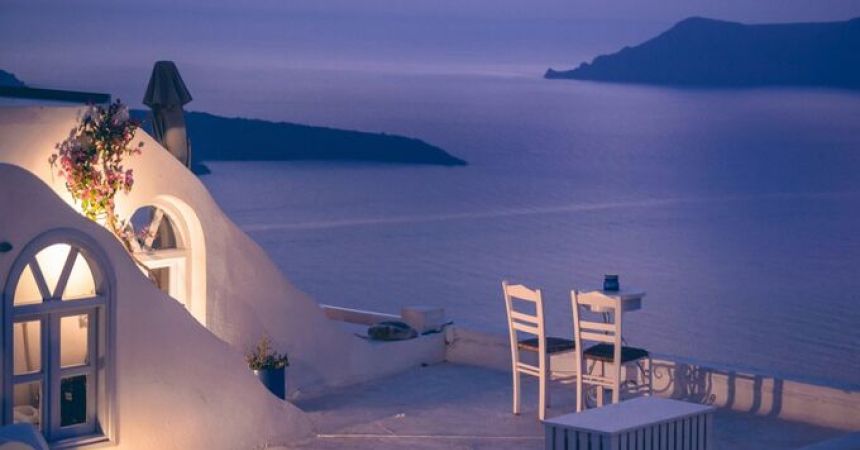
The sun sets early, sometimes behind a bank of winter cloud rather than into a perfectly clear Aegean horizon. The famous lanes of Oia can be quiet enough that footsteps replace conversation, while the terraces designed for summer evenings sit empty above the caldera. Along the coast, volcanic beaches exist without the usual soundtrack of sunbeds, music and swimmers.
December strips Santorini back.
For anyone expecting the island sold in summer photographs, this can feel like arriving at the wrong time. Swimming is no longer a sensible reason to choose the month, weather can interrupt outdoor plans, daylight is limited and much of the seasonal tourism economy is resting.
For another kind of traveler, those same conditions are precisely what make December interesting.
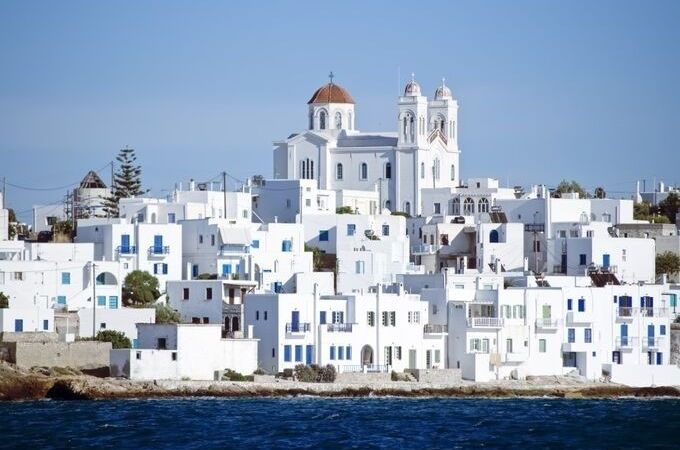
This is Santorini as a winter island rather than a summer resort running at reduced capacity. The landscape remains extraordinary, villages continue beyond tourism, and changing weather creates a version of the caldera that can feel more dramatic than the uninterrupted blue skies associated with July and August.
The question is not whether December is the “best” month.
It is whether this is the Santorini you want to meet.
Winter Light Changes the Caldera More Than Winter Temperature Does
December temperatures are relatively mild compared with many European destinations. Daytime conditions commonly reach approximately 14–17°C, while nights can fall to around 10–13°C, although individual weather systems may produce warmer or colder periods.
Those figures do not fully describe the experience.
Santorini is exposed to the Aegean, and wind can make a mild temperature feel much colder. Cloud, rain and damp conditions also become more relevant, while a calm sunny afternoon can feel surprisingly pleasant in a sheltered location.
What December changes most consistently is the light.
Days are near their shortest around the winter solstice, and the sun follows a lower path across the sky. Shadows stretch farther, midday light is less severe, and the caldera can shift quickly between muted winter tones and brilliant illumination when sunlight breaks through cloud.
Summer gives Santorini consistency.
December gives it variation.
You Have Fewer Hours, So Distances Begin to Matter
Santorini is small enough that summer travelers often underestimate travel time.
There is so much daylight that an extra half-hour rarely matters.
December changes that calculation.
If you begin slowly in Fira, spend a long lunch in Pyrgos and then decide to continue toward Akrotiri, sunset may arrive much sooner than your summer instincts expect.
This does not require rushing. It requires deciding which part of the day deserves daylight.
A December Day Has Different Priorities
| Daylight Priority | Why It Matters |
|---|---|
| Caldera viewpoints | Visibility and winter light |
| Oia exploration | Easier before early sunset |
| Archaeological visits | Opening hours and daylight |
| Inland villages | Best enjoyed without rushing |
| Longer walks | Need sufficient daylight margin |
| Coastal scenery | More rewarding in usable weather |
Dinner does not need daylight.
Neither does returning to the hotel.
Spend the limited bright hours on the experiences that actually benefit from them.
December Weather Is Better Read Through Windows Than Apps
This sounds deliberately old-fashioned, but there is a practical point behind it.
A weather app may show cloud and showers across the entire day, while the actual conditions provide several dry hours. Another day may carry a relatively harmless forecast yet feel unpleasant outdoors because strong wind dominates the experience.
December rewards looking at the complete forecast rather than the temperature symbol alone.
How strong is the wind?
When is rain expected?
Will visibility improve later?
Does tomorrow look better for the exposed activity you had planned today?
A winter Santorini private experience can be particularly useful when daily routing is adjusted around actual conditions rather than following a fixed high-season itinerary designed months earlier.
The weather does not need to be perfect.
It needs to be understood.
Oia Without the Sunset Crowd Is Almost Disorienting
For travelers who have seen Oia only in summer photographs, December can feel strangely incomplete at first.
Where is everyone?
That absence changes the scale of the village.
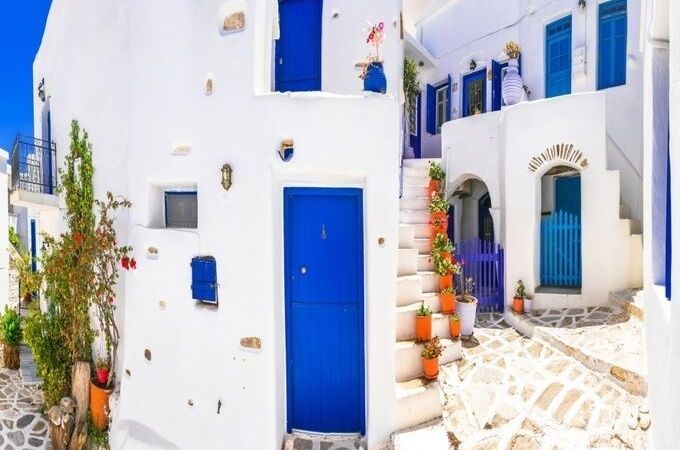
You notice narrow passages that would normally be filled with people. Architectural details become easier to see, and viewpoints can be approached without waiting for somebody else to finish taking photographs.
The experience is not universally better.
Part of Oia's summer appeal comes from its restaurants, terraces, shops and evening energy, much of which is seasonal. In December, some businesses will be closed, and the village can feel extremely quiet.
Yet this is precisely why the month should not be sold as a cheap way to obtain the summer experience.
It offers something fundamentally different: access to the physical village after much of the performance surrounding it has paused.
Christmas Doesn't Turn Santorini Into a Winter Resort
Travelers considering Christmas or New Year should keep expectations grounded.
Santorini does not transform into a northern European festive destination filled with Christmas markets, snow-covered streets and an extensive tourism program.
The holiday period belongs more to local and Greek seasonal life than to a specially constructed international visitor experience.
You may encounter decorations, church services, family gatherings and festive meals, particularly in populated areas. Individual hotels and restaurants may offer holiday arrangements, but these should be confirmed rather than assumed.
A Christmas season in Santorini itinerary makes most sense for travelers who are already attracted to the island's winter quiet and view the festive period as an additional cultural dimension.
Choosing December solely because you expect a large Christmas tourism scene would misunderstand the destination.
The Best Winter View May Last Twenty Minutes
Summer weather encourages confidence.
You can see a clear afternoon developing and reasonably expect the general character of the sky to remain stable.
December can be more theatrical.
Cloud may obscure part of the caldera before sunlight suddenly breaks through and illuminates Oia or the western cliffs. A grey afternoon can produce a striking sunset almost unexpectedly, while a promising morning may become overcast later.
This makes photography less predictable but often more rewarding.
Instead of organizing the entire day around one perfect sunset location, remain attentive to what the weather is doing.
If the light becomes beautiful at 3:45 p.m., use it.
Waiting for a theoretically superior viewpoint forty minutes away may mean arriving after the moment has disappeared.
The Coast Is Better When You Stop Asking About Swimming
By December, the question “Can I swim?” is no longer particularly useful for most travelers.
Technically, somebody can always enter the sea.
That does not make Santorini a beach destination in winter.
A more interesting question is whether the coast remains worth visiting when swimming disappears from the itinerary.
It does.
Perissa and Kamari reveal their volcanic geography more clearly once summer infrastructure and crowds stop dominating the experience. The dark shoreline, steep surrounding terrain and winter Aegean create a landscape that feels very different from the resort environment of August.
A Santorini winter landscape tour can therefore include the coast without pretending that a beach day is waiting there.
You visit because the sea is part of the island's geography, not because you need to get into it.
December Makes Cafés More Important Than Pools
Hotel selection changes completely once outdoor swimming loses relevance.
A spectacular infinity pool may contribute almost nothing to the stay unless it is genuinely heated and usable under winter conditions. Instead, location, indoor comfort, heating, breakfast arrangements and nearby year-round services become far more important.
The same change occurs during the day.
In summer, a café can be somewhere you stop between attractions.
In December, it can become part of the rhythm of the trip. You spend an hour somewhere warm while a shower passes, have another coffee because there is no reason to rush, then continue when conditions improve.
This slower movement is not merely a response to weather.
It is one of the ways winter Santorini becomes distinct from the high-season island.
What a Good December Hotel Actually Needs
Do not select accommodation from summer photographs alone.
Ask practical questions.
Is the property operating fully during your dates? Is the room properly heated? Is breakfast available? Are nearby restaurants open? Is there somewhere comfortable indoors if the weather becomes poor? How will you get around after sunset?
These details rarely appear in romantic Santorini accommodation guides, yet they determine whether a winter stay feels atmospheric or inconvenient.
Fira often remains the most practical base because of its year-round role, although individual properties elsewhere can work very well when transport and nearby services are understood in advance.
A caldera view remains extraordinary in December.
It is simply better appreciated from a warm room when rain is moving across the Aegean.
Walking Requires More Judgment Than Fitness
Cool temperatures remove the heat concerns associated with summer trails, but December introduces different considerations.
Rain can affect footing, wind may be strong along exposed sections and limited daylight leaves less margin for delays. The full Fira-to-Oia route should therefore depend on current conditions rather than occupying a fixed place in the itinerary.
Shorter walks are easier to improvise.
Fira to Firostefani can become Imerovigli if conditions remain good. Inland villages provide opportunities to walk without committing to several hours of continuous caldera exposure.
The key is knowing when to turn around.
Winter walking should feel exploratory rather than stubborn.
There is little value in completing a famous route if the weather has removed everything enjoyable about it.
Packing for December Is About Wind and Rain
Santorini does not usually require expedition-level winter clothing, but light summer layers are obviously insufficient.
Bring a proper wind-resistant jacket, waterproof protection, sweaters or fleeces and comfortable trousers suitable for cooler conditions. Shoes with good grip are valuable when surfaces become wet.
Layering remains useful because temperatures can change considerably between a sheltered sunny terrace and an exposed viewpoint.
Sunglasses still deserve space. Winter does not eliminate bright Aegean sunshine when skies clear.
An umbrella can help during light rain, although strong wind sometimes makes a hooded waterproof jacket more practical.
The objective is to remain comfortable enough that mediocre weather does not automatically send you back to the hotel.
December Rewards People Who Don't Need Santorini to Entertain Them
This may be the clearest test of whether the month suits you.
If you need beach clubs, nightlife, daily cruises, busy shopping streets and a long list of organized experiences, December removes too much of what you value.
If you are content walking through a quiet village, spending an hour over lunch, watching winter weather move across the caldera and adjusting the day according to the light, the reduction in activity becomes part of the attraction.
That is a very specific travel personality.
It should not be disguised beneath generic claims that December is a “hidden gem.”
For some people, it will feel too quiet.
For others, that quiet is the entire reason to come.
Santorini at the End of the Year
December brings the island close to its seasonal minimum.
The days are short, the tourism landscape has contracted and weather is no longer something you can safely ignore while planning outdoor activities.
Yet the caldera has not become less dramatic.
If anything, winter conditions can make its scale more apparent. Without constant boat traffic, busy terraces and crowds moving between viewpoints, the physical island takes up more space in your attention.
You notice wind.
You notice the changing sky.
You notice how early the light begins fading and how quickly a village becomes quiet afterward.
Summer Santorini encourages you to keep moving because another experience always seems to be waiting.
December removes that pressure.
Whether that feels peaceful or empty depends almost entirely on why you came.
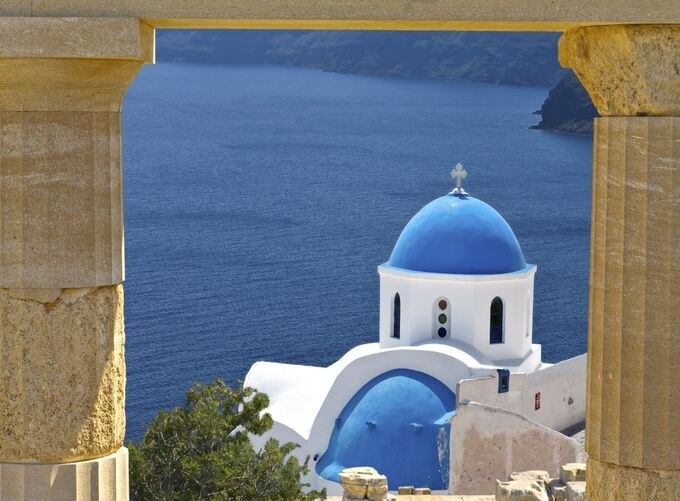
A December Trip That Works
A successful December visit usually begins with fairly modest expectations and a genuine interest in Santorini beyond its summer reputation. You may have three or four days, stay somewhere practical, keep one or two priorities flexible and accept that the weather will have some influence over what happens each morning.
Perhaps the clearest day becomes your opportunity to explore Oia and the caldera, while a cloudier afternoon is spent around Pyrgos, Akrotiri or Fira. Lunch lasts longer than it would in July, and nobody worries that two hours indoors have consumed valuable beach time. If rain arrives, you rearrange rather than immediately assuming the day has been lost.
Most importantly, you do not spend the trip comparing what you see with photographs taken in August.
That is when December begins making sense on its own terms.
A December Trip That Probably Doesn't Work
The same month becomes difficult when the holiday depends on several highly seasonal experiences operating exactly as they would in summer.
If your ideal Santorini trip requires daily swimming, a wide choice of beach clubs, late outdoor dinners, frequent boat departures and a different organized activity every afternoon, December asks you to compromise on too many priorities.
A very short stay can create another problem. With only one full day, an unsettled weather system has disproportionate influence over the entire visit.
December is therefore not automatically a clever alternative simply because accommodation may be less expensive or famous viewpoints are quieter.
Fewer visitors are useful only if you actually enjoy what remains when they leave.
Christmas in Santorini Is More Local Than Spectacular
Christmas brings a different atmosphere to the island, but travelers should resist importing expectations from Europe's major winter destinations.
You are unlikely to find Santorini transformed into an elaborate Christmas-market destination. The seasonal experience is more understated and connected with local life, family gatherings, church traditions, decorations and individual festive events.
This can be appealing precisely because it does not feel constructed primarily for visitors.
Anyone traveling specifically over Christmas should nevertheless confirm practical details before arrival. Hotel services, restaurant opening arrangements and festive meals vary, and a property being open does not necessarily mean every service operates exactly as it would during the main season.
Planning one special Christmas meal is sensible.
Planning every hour of Christmas Day is probably unnecessary.
New Year's Eve Needs the Same Realistic Expectations
Santorini can be a memorable place to begin the year, particularly for couples or travelers who value scenery and atmosphere more than large-scale nightlife.
However, New Year's Eve should not be imagined as a winter version of the island's August party scene.
Some restaurants and venues may organize special dinners or celebrations, particularly around Fira, while other businesses remain closed for the season. Availability changes, so travelers with a specific type of evening in mind should confirm current options well in advance.
There is also something appealing about a quieter New Year here.
Dinner, a few drinks and a walk through Fira may be enough.
The caldera does not need fireworks to justify the trip.
What If Two of Your Four Days Have Poor Weather?
This is where a December itinerary needs resilience.
Do not divide the trip into “good-weather activities” and “bad-weather activities” so rigidly that anything involving cloud feels like a downgrade. Instead, identify the few experiences that genuinely require better conditions.
A long exposed walk deserves the driest and calmest period.
Your preferred caldera photography session benefits from better visibility.
A coastal drive, village exploration or visit to Akrotiri can tolerate much broader conditions.
Protect the Experiences That Need Protecting
| Conditions | Sensible Priority |
|---|---|
| Clear and calm | Caldera views, Oia, longer outdoor exploration |
| Cloudy but dry | Villages, walking, archaeology |
| Intermittent showers | Fira, Akrotiri, cafés, flexible sightseeing |
| Strong wind | Sheltered inland locations |
| Heavy rain period | Slow lunch, indoor time, wait for improvement |
| Clearing after rain | Photography and caldera viewpoints |
If two days look poor, use the better periods within them rather than writing off both dates.
Winter weather often arrives in phases rather than producing identical conditions from breakfast until dinner.
Four Nights Buy More Than an Extra Day
In summer, adding another night often means adding another experience.
In December, the extra night buys flexibility.
A four-night stay allows you to wait for a better morning before visiting Oia, shift a planned walk according to wind or use a sunny afternoon when it appears rather than when the original itinerary says it should.
Three nights can certainly work, particularly if Santorini forms part of a longer Greece trip.
Two nights carry more risk because there is little room to move anything when weather becomes unfavorable.
Travelers who enjoy slow travel may find four nights surprisingly comfortable despite the reduced number of seasonal activities. Once the pressure to “fill” every day disappears, the island can occupy time differently.
Don't Overbook the Winter Island
There is an understandable temptation to compensate for December uncertainty by arranging more things in advance.
That can work against the month.
Transport and accommodation obviously deserve planning, while any experience or restaurant that is especially important should be confirmed because winter availability is limited.
Beyond those essentials, leave room for the island to determine the pace.
A clear afternoon may persuade you to stay outside longer than expected. Rain might turn a quick lunch into two enjoyable hours. Oia may be so quiet that you remain far longer than your itinerary anticipated.
December does not benefit from being managed like August.
The absence of peak-season urgency is one of the few things you should actively preserve.
Twelve FAQs About Santorini Weather in December
1. Is December a good time to visit Santorini?
December can be rewarding for travelers interested in quiet villages, winter landscapes, archaeology and a slower local atmosphere. It is less suitable for visitors prioritizing swimming, nightlife or extensive organized activities. Cooler, wetter and windier conditions also make itinerary flexibility particularly valuable.
2. How cold is Santorini in December?
Daytime temperatures commonly reach approximately 14–17°C, while nights can fall to around 10–13°C. Calm sunshine may feel pleasantly mild, but wind and rain can make conditions considerably cooler, particularly around exposed caldera viewpoints and coastal areas.
3. Does it rain in Santorini in December?
Yes. December falls within Santorini's wetter season, so showers and unsettled periods are realistic possibilities. Continuous rain throughout an entire trip is not inevitable, however, and winter days can include clear intervals or prolonged dry periods suitable for sightseeing and photography.
4. Does it snow in Santorini in December?
Snow is not a normal feature of Santorini's December climate. The island has a relatively mild Mediterranean winter, with rain and wind far more relevant than snowfall. Travelers should pack for cool, damp and breezy conditions rather than expecting a conventional snowy European winter destination.
5. Can you swim in Santorini in December?
Swimming is technically possible for people comfortable with cold water, but December should not be considered a beach-swimming month for most visitors. Cooler air, winter wind and changing conditions make coastal sightseeing considerably more realistic than planning long afternoons in the sea.
6. Is Santorini open during Christmas?
Santorini remains inhabited and accessible throughout Christmas, although many tourism-focused businesses close during winter. Year-round services continue, particularly around Fira. Travelers visiting over the festive period should confirm hotels, restaurants and any specific activities rather than relying on summer operating patterns.
7. What is Christmas like in Santorini?
Christmas is generally quieter and more locally focused than in major European festive destinations. Visitors may encounter decorations, church traditions and seasonal meals, but should not expect extensive Christmas markets or a large tourism program. Individual hotels and restaurants may arrange their own celebrations.
8. Is Santorini good for New Year's Eve?
Santorini can suit couples and travelers seeking a scenic, relatively quiet New Year rather than a major party destination. Some venues may offer special dinners or celebrations, particularly around Fira, but current arrangements should be confirmed because winter business operations vary significantly.
9. Where should I stay in Santorini in December?
Fira is often the most practical winter base because it has stronger year-round services, dining and transport connections. Other locations can still work well, but travelers should confirm nearby restaurants, hotel facilities and transportation before choosing accommodation primarily for a famous summer view.
10. What should I pack for Santorini in December?
Bring layered clothing, sweaters or fleece, a wind-resistant jacket, waterproof protection and comfortable shoes with good grip. Sunglasses remain useful for clear days. Heavy extreme-cold clothing is generally unnecessary, although travelers sensitive to cool wind may appreciate an additional warm layer.
11. How many nights should I spend in Santorini in December?
Three nights can cover major sights, while four provide better flexibility around winter weather. The additional time is particularly useful when a long walk, Oia visit or photography session needs to move according to rain, wind or visibility rather than following a rigid schedule.
12. Is Santorini worth visiting in December?
Yes, for the right traveler. December offers dramatic winter light, quiet villages and an opportunity to experience the volcanic landscape without summer crowds. It is less suitable for anyone whose idea of Santorini depends primarily on beaches, pools, nightlife and extensive seasonal tourism services.
What December Leaves Behind
The easiest way to judge December Santorini is to remove everything the month cannot reliably promise.
Take away swimming afternoons and beach clubs. Remove the assumption that every restaurant will be open, that every day will end with a clear sunset or that organized activities will operate with summer frequency.
What remains is still a remarkable island.
The caldera remains enormous whether there are five people at the viewpoint or five hundred. Oia's architecture does not depend on its shops being open, and the dark volcanic coast arguably becomes easier to notice once it stops functioning primarily as a place for sunbeds and swimming.
Winter weather introduces inconvenience, but it also gives the landscape movement. Cloud shadows travel across the cliffs, rain clears to reveal sharper horizons, and the low seasonal sun produces a kind of light that high-summer visitors rarely encounter.
There will be moments when Santorini feels almost too quiet. A closed restaurant may complicate dinner, rain may change the day's plans, and an exposed viewpoint can become uncomfortable when the wind strengthens.
Those are not hidden advantages that need to be repackaged as benefits. They are simply part of visiting a seasonal Mediterranean island in December.
The reward is equally straightforward. For a few days, you can experience Santorini without requiring it to behave like one of the world's most famous summer destinations.
In December, that may be the most interesting thing about it.

A travel professional specializing in tailor-made travel planning, guest experience management, and multi-destination tourism operations.
With over 23 years of experience in the travel industry, he designs and manages private and cultural tours for international travelers across Türkiye, Greece, Egypt, Jordan, Morocco, and other destinations.
He has strong expertise in both online and face-to-face guest communication, sales processes, and end-to-end travel operations.
Working closely with hotels, travel agencies, and local partners, he ensures smooth coordination and high-quality travel experiences at every stage of the journey.
His focus is on delivering personalized, reliable, and seamless travel experiences for international guests worldwide.