Greece in November: Discovering Life Beyond the Summer Season
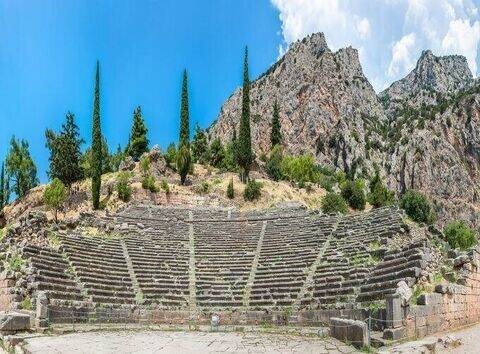
November Invites You Indoors—For the Right Reasons
During summer, much of Greece revolves around the outdoors.
November introduces another side of the country.
Not because the weather forces you inside, but because everyday life naturally shifts.
A museum suddenly feels less like a stop between attractions and more like an experience worth lingering over.
A neighbourhood café becomes somewhere to spend an hour instead of ten minutes.
Traditional tavernas fill with local conversations as seasonal dishes return to the menu.
Rather than competing with the landscape, these quieter moments become part of the journey itself.
Travelling in November often means discovering that some of Greece's most memorable experiences happen around a table rather than beside the sea.
Packing for Variety Rather Than Heat
November doesn't demand a heavy winter suitcase, but it does reward sensible preparation.
Layering is usually the easiest approach.
A light jacket works well for most city walks, while a warmer layer becomes useful in mountain regions or during cooler evenings.
Comfortable waterproof footwear is often a better investment than extra clothing, especially if your itinerary includes historic streets, countryside villages, or archaeological sites where walking is part of the experience.
Unlike summer, where the beach often shapes your packing list, November encourages travellers to prepare for exploration.
The Olive Harvest Becomes Part of Everyday Life
Across much of mainland Greece, November is closely connected with one of the country's oldest traditions.
The olive harvest.
Travellers driving through the countryside may notice families working together beneath centuries-old trees, temporary collection points appearing near rural roads, and local presses beginning another production season.
This isn't organised entertainment.
It's simply everyday life continuing as it has for generations.
For visitors, witnessing these quiet moments creates a deeper understanding of how closely Greek culture remains connected to the land.
Guests exploring our authentic countryside and cultural journeys through Greece often say these unexpected encounters become some of the most meaningful memories of the trip.
Local Food Follows the Season
November offers a different culinary experience from the summer months.
Menus gradually reflect what local producers are harvesting rather than what visitors expect.
Fresh mushrooms appear in many mountain regions.
Chestnuts, walnuts, pomegranates, citrus fruits, and seasonal greens become more common.
Slow-cooked recipes return as evenings grow cooler.
Village bakeries continue producing fresh bread before sunrise, while neighbourhood pastry shops prepare traditional sweets that are especially popular during autumn.
Rather than searching for famous restaurants, many travellers discover that some of the best meals happen in small family-run tavernas where the menu changes with the season.
Museums Feel Completely Different
There is something quietly satisfying about visiting Greece's museums in November.
The pace slows naturally.
Instead of moving quickly through galleries, visitors have time to stop, read, and absorb the stories behind each collection.
Whether you're exploring the Acropolis Museum in Athens, the Museum of Byzantine Culture in Thessaloniki, or regional museums in smaller towns, the experience becomes less about checking another attraction off your itinerary and more about understanding the country's remarkable history.
November creates space for curiosity.
Photography Becomes More Intimate
Autumn photography isn't always about dramatic landscapes.
Often, it's about details.
Morning light reflecting on rain-washed stone streets.
Steam rising from a cup of Greek coffee outside a neighbourhood café.
Olive groves stretching across rolling hills beneath changing skies.
Historic alleyways illuminated by soft afternoon light.
November rewards photographers who slow down and observe rather than simply searching for iconic viewpoints.
Sometimes the strongest images are found where almost nobody else stops.
Travellers following our carefully curated heritage and photography tours across Greece often discover that November offers some of the year's most atmospheric conditions for capturing everyday Greek life.
Slow Travel Finally Makes Sense
People often talk about slow travel.
November is one of the few months when it happens naturally.
You spend an extra morning in a town because you're enjoying it.
You take the scenic road without worrying about losing beach time.
You stop at a village market simply because it looks interesting.
Nothing feels rushed.
There is no pressure to maximise every hour.
Instead, the journey develops its own pace.
Ironically, many travellers end up seeing more because they stop trying to see everything.
November Is About Understanding Greece, Not Just Visiting It
Every destination has a season when it reveals its everyday character.
For Greece, November is one of those moments.
The famous landmarks remain extraordinary.
The landscapes remain beautiful.
But attention gradually shifts toward the people, traditions, neighbourhoods, and routines that continue long after the summer visitors have returned home.
For travellers who enjoy asking questions, following local recommendations, and discovering places beyond the obvious highlights, November offers a version of Greece that feels remarkably genuine.
If your ideal holiday focuses on authentic experiences rather than crowded itineraries, our tailor-made cultural journeys through Greece and the mainland are thoughtfully designed to showcase the country's local traditions, seasonal flavours, and timeless heritage at a wonderfully relaxed pace.
November Doesn't Hide Greece—It Reveals It
There is a common misconception that Greece somehow closes once summer ends.
The reality is very different.
November simply shifts the focus.
Instead of measuring a holiday by beach days or ferry schedules, travellers begin collecting different kinds of memories.
A conversation with a bookseller in Athens.
Fresh olive oil tasted in a village surrounded by ancient groves.
An afternoon wandering through a museum without feeling rushed.
Lunch in a family-run taverna where every table is occupied by local residents.
These experiences don't replace Greece's famous coastline.
They simply reveal another layer of the country.
For travellers willing to look beyond the obvious, November often becomes one of the most rewarding months of the entire year.
Greece Weather in November at a Glance
| Category | What to Expect |
|---|---|
| Overall Climate | Mild autumn weather with cooler mornings, comfortable afternoons, and fresh evenings across most regions. |
| Daylight | Shorter than summer but still generous enough for sightseeing, scenic drives, and cultural exploration. |
| Sea Conditions | Beautiful coastal scenery remains, although swimming becomes less common outside the southern islands. |
| Landscape | Olive harvests, autumn colours in northern regions, green countryside, and peaceful coastal towns. |
| Visitor Numbers | Low to moderate, creating a calm atmosphere in cities, museums, and archaeological sites. |
| Outdoor Activities | Walking, road trips, cultural sightseeing, photography, local markets, museums, and gastronomy. |
| Ferry Services | Reduced seasonal schedules on some routes, while major mainland and island connections continue to operate. |
| Best For | Couples, culture lovers, photographers, history enthusiasts, food travellers, and repeat visitors. |
Smart Packing Checklist for November
November rewards travellers who pack for comfort and flexibility.
A practical suitcase should include:
- Layered clothing
- Comfortable waterproof walking shoes
- Medium-weight jacket
- Sweater or fleece
- Compact umbrella
- Scarf for cooler evenings
- Daypack for sightseeing
- Reusable water bottle
- Camera or smartphone
- Portable power bank
Packing this way allows you to comfortably explore cities, mountain villages, museums, archaeological sites, and countryside landscapes throughout your journey.
Frequently Asked Questions
1. Is November a good month to visit Greece?
Yes—especially for travellers interested in culture, history, food, and authentic local experiences. November offers a quieter atmosphere, comfortable sightseeing conditions, and the opportunity to experience everyday Greek life beyond the busy summer season.
2. Can you swim in Greece during November?
Swimming is still possible in some southern destinations, particularly Crete and parts of the Dodecanese during warmer periods, but most visitors choose November for cultural travel, scenic road trips, gastronomy, and historical exploration rather than beach holidays.
3. Is Greece crowded in November?
No. Most destinations become noticeably quieter than during summer, making it easier to enjoy museums, archaeological sites, traditional towns, and local restaurants without long queues or large tour groups.
4. Which destinations are best in November?
Athens, Thessaloniki, Meteora, Delphi, Nafplio, the Peloponnese, Zagori, and Crete all offer rewarding experiences. Each highlights a different side of Greece, from ancient history and mountain scenery to regional cuisine and local traditions.
5. What should I wear in Greece during November?
Comfortable layered clothing works best. A light to medium-weight jacket, waterproof footwear, and a sweater for evenings provide enough flexibility for changing conditions across different regions of the country.
6. Is November suitable for road trips?
Absolutely. Cooler temperatures and quieter roads make November one of the most enjoyable months for exploring mainland Greece by car, particularly through the Peloponnese, Epirus, and northern Greece.
7. Are museums and archaeological sites open?
Yes. Most major museums and archaeological sites remain open, although seasonal opening hours may differ from summer. The quieter atmosphere often makes visiting them even more rewarding.
8. Does it rain a lot in November?
Rain becomes more frequent than in early autumn, but long periods of sunshine are still common in many parts of Greece. Occasional showers rarely prevent travellers from enjoying cultural visits, scenic drives, or city exploration.
9. Is November good for food lovers?
Without question. Autumn ingredients, fresh olive oil, seasonal vegetables, mushrooms, chestnuts, citrus fruits, and regional specialities create one of the most interesting culinary periods of the year.
10. Is November suitable for first-time visitors?
Yes, particularly if your priorities include history, architecture, museums, local culture, and authentic experiences. Travellers expecting a traditional beach holiday may prefer earlier autumn, but November offers a deeper understanding of the country itself.
11. Who enjoys Greece most in November?
November appeals to curious travellers who enjoy slower itineraries, meaningful cultural experiences, local gastronomy, photography, and exploring destinations without the pace and crowds associated with peak season.
12. Why do experienced travellers recommend November?
Many returning visitors appreciate November because it reveals everyday Greece. Instead of focusing on famous summer images, the season highlights neighbourhood life, regional traditions, historic landscapes, and the quiet moments that often leave the strongest memories.

A travel professional specializing in tailor-made travel planning, guest experience management, and multi-destination tourism operations.
With over 23 years of experience in the travel industry, he designs and manages private and cultural tours for international travelers across Türkiye, Greece, Egypt, Jordan, Morocco, and other destinations.
He has strong expertise in both online and face-to-face guest communication, sales processes, and end-to-end travel operations.
Working closely with hotels, travel agencies, and local partners, he ensures smooth coordination and high-quality travel experiences at every stage of the journey.
His focus is on delivering personalized, reliable, and seamless travel experiences for international guests worldwide.