Israel Weather in February: Late Winter & Mild Desert Days
Author: Kenan Ungur
Article Date: 21.08.2024
Reading Time: 18 min

Israel Weather in February: Late Winter & Mild Desert Days

Last Updated: August 9, 2026

February is the month when Israel's winter begins to loosen its grip without actually leaving.

That distinction matters because travellers sometimes approach February as an early version of spring, particularly when they see photographs of green hillsides, wildflowers beginning to appear and bright desert skies. Yet Jerusalem can still produce thoroughly wintry days, Mediterranean weather systems may bring rain to Tel Aviv and northern Israel, while higher ground remains considerably cooler than the Dead Sea or Eilat.

What changes is the direction of travel.

January sits firmly inside winter. February begins moving away from it, gradually providing longer daylight, changing landscapes and a wider range of outdoor possibilities, although the transition does not happen evenly across the country.

For travellers, this makes February less about escaping winter and more about using a season that is already beginning to change.

February Is a Transition, Not an Early Summer

The biggest mistake when researching February is looking at the southern regions and assuming that the rest of Israel is following the same seasonal timetable.

It is not.

The Mediterranean coast and northern areas remain within their wetter season, Jerusalem's elevation continues to influence temperature considerably, while the Dead Sea, Negev and Eilat can provide a much drier and milder experience.

Region February Character What Is Beginning to Change
Jerusalem Cool and changeable Gradually longer sightseeing days
Tel Aviv Mild Mediterranean winter More useful outdoor periods between rain
Galilee & North Green and relatively wet Landscapes approach seasonal peak
Dead Sea Mild, generally drier Excellent outdoor touring window
Negev Desert Cool-season desert Longer days improve exploration
Eilat Mild southern winter Increasing outdoor flexibility

The result is a month that can feel surprisingly different depending on whether your itinerary points north towards Galilee or south towards the desert.

Jerusalem Still Belongs to Winter

February does not provide a clean seasonal switch in Jerusalem.

Some days can be bright enough to suggest that spring has arrived ahead of schedule, while another weather system may bring cold air, rain and the need for exactly the same jacket you would have packed in January.

This variability is more important than average temperature.

Jerusalem sightseeing involves considerable time outdoors, particularly around the Old City, Mount of Olives and archaeological areas, which means a flexible daily programme remains useful. When skies are clear, the increasing daylight gives travellers more freedom than during the heart of winter; when rain arrives, indoor sites and museums can absorb part of the day without making the entire programme feel lost.

Travellers interested in combining Jerusalem with the country's major historical regions can explore Israel discovery tours, allowing the itinerary to move between climatic zones instead of expecting February to behave consistently everywhere.

February Gives You More Day, Not Necessarily More Warmth

The seasonal improvement travellers often notice first is not a dramatic rise in temperature.

It is time.

Gradually increasing daylight creates more room for sightseeing, particularly on days that combine road travel with outdoor archaeological sites. A journey that felt slightly compressed in January can begin to breathe again because scenic stops no longer compete quite as aggressively with an early sunset.

This is particularly useful for itineraries moving between Jerusalem, the Dead Sea and desert regions.

You still need to plan sensibly, but the clock becomes a little less demanding.

That extra daylight is one of February's understated advantages.

Northern Israel May Be at Its Most Visually Different

Travellers who know Israel primarily from summer photographs can be surprised by the north during late winter.

Rainfall supports green hillsides and vegetation that can make Galilee and surrounding landscapes look dramatically different from the dry tones associated with warmer months. Depending on the year and exact timing, early wildflowers may add another seasonal layer.

The same weather responsible for that greenery creates the obvious compromise.

Rain remains possible, trails can become muddy and outdoor plans may need adjustment, which means February is not necessarily the month for travellers who demand predictable hiking conditions every day.

For those who value landscapes as much as certainty, however, northern Israel can become one of the month's most distinctive experiences.

Green Season Changes the Reason to Travel North

In summer, northern Israel may be included for historical, religious or cultural reasons, with scenery providing the background.

February can reverse that relationship.

Landscape itself becomes part of the reason to go.

This is especially valuable on a broader itinerary because the green north creates a visual counterpoint to the Judean and Negev deserts farther south. Travellers crossing several regions begin to see how rainfall and geography shape the country rather than simply moving between famous sites.

That contrast is difficult to reproduce during the dry season.

Tel Aviv Works Between the Weather

February in Tel Aviv remains Mediterranean rather than reliably spring-like.

There may be rain, grey periods and coastal wind, but there can also be clear afternoons when the promenade, neighbourhoods and outdoor cafés immediately regain their appeal.

This makes Tel Aviv relatively resilient to variable weather.

A city day can move between markets, museums, restaurants, historic Jaffa and the waterfront without requiring every activity to happen outdoors. Rather than cancelling sightseeing because the morning begins wet, travellers can change the sequence and wait for the coast to become inviting again.

February Weather Better Tel Aviv Choice
Clear morning Jaffa + waterfront walking
Rainy period Museums, markets, long lunch
Bright afternoon Seafront and neighbourhood exploration
Windy evening Move dining away from exposed coast
Mixed forecast Keep the day's order flexible

February therefore rewards adaptable planning more than rigid hourly schedules.

The Dead Sea Is Already in a Strong Seasonal Window

While the north remains connected to winter rain, the Dead Sea benefits from its lower elevation and desert environment.

February can provide excellent conditions for combining Masada, desert scenery and time around the water without the extreme heat that becomes an important planning issue later in the year.

This does not mean every day will be warm enough for every traveller to swim comfortably. Wind and individual tolerance still matter, but outdoor archaeology and landscape-focused sightseeing gain considerably from the season.

Those wanting this region to form a substantial part of the trip can consider Dead Sea escapes, particularly when combined with Jerusalem rather than treated as an isolated overnight stop.

February Is Quietly One of the Negev's Useful Months

The Negev does not need summer heat to feel like a desert.

In February, cooler daytime conditions can actually make the landscape easier to experience because walking, viewpoints and geological sites are not organised around avoiding the strongest heat.

Longer daylight compared with midwinter adds another advantage, giving road itineraries more time for meaningful stops.

Winter rainfall still deserves serious attention when desert hiking is involved. Flash-flood risk can affect wadis even when conditions at the traveller's immediate location appear relatively calm, so current local information remains more important than monthly climate averages.

For travellers interested in adding desert landscapes without turning the journey into a hurried detour, Negev exploration trips can use February's cooler conditions to give the region proper time.

Eilat Is Starting to Feel Less Like a Winter Escape

In January, Eilat's appeal is strongly connected to escaping colder conditions elsewhere in Israel.

By February, that relationship begins to change.

The south remains one of the country's strongest options for sunshine and outdoor activity, but gradually increasing daylight and the approach of spring make it feel less like a refuge from winter and more like a destination entering its own highly usable travel period.

Travellers should still avoid interpreting that as guaranteed beach weather. Air temperature, wind and water comfort vary, while evenings can remain cool.

Eilat's February advantage is reliability of outdoor potential rather than a promise of summer.

February Rewards Travellers Who Want to See the Season Changing

January's weather story is geographical: travel a relatively short distance and winter can change dramatically.

February adds time to that geography.

The north can still be wet and strikingly green, Jerusalem remains capable of producing proper winter weather, and Tel Aviv continues to follow a Mediterranean rhythm. Meanwhile, the Dead Sea and Negev are already enjoying one of their most practical periods for outdoor exploration, while Eilat begins moving towards its warmer seasonal identity.

Nothing changes everywhere at once.

That is precisely what gives February its own place within the annual Israel weather cluster.

It is not spring pretending to arrive early, nor is it simply January with a slightly higher average temperature. February is the point when winter remains visible while the next season begins appearing around its edges.

North or South: Which Direction Gives You More in February?

February creates one of Israel's clearest seasonal choices.

Travel north and winter becomes part of the scenery, with greener landscapes, a greater chance of rain and outdoor plans that may need flexibility. Head south and the climate generally becomes drier, creating a stronger window for desert exploration around the Dead Sea and Negev.

Neither direction is automatically better because they offer almost opposite versions of the same month.

Travel Priority Northern Israel Southern Israel
Landscape character Green late-winter scenery Desert colours and open terrain
Rain probability Greater Generally lower
Outdoor reliability More weather-dependent Usually stronger
Hiking Beautiful but potentially wet Excellent when conditions are safe
Cultural touring Strong Strong but more landscape-led
Temperature pattern Cooler overall Milder days, cool nights
Best for Seasonal scenery Outdoor desert travel

The decision becomes easier once you decide whether February weather should provide landscape transformation or outdoor reliability.

Go North If You Want to See Israel Green

Northern Israel can challenge the dry, sun-baked image many first-time visitors carry with them.

Winter rainfall changes the landscape, particularly around Galilee, where green hills and agricultural areas can make February road journeys visually rewarding even before individual sightseeing stops are considered.

Depending on rainfall patterns and the timing of the season, wildflowers may also begin appearing, although nature does not follow a tourism calendar closely enough for exact blooming dates to be promised far in advance.

The price of all that green is uncertainty.

A beautiful walking plan may encounter rain or muddy conditions, so travellers whose enjoyment depends on several uninterrupted outdoor days should keep expectations flexible.

Go South If You Want Weather to Interfere Less

The Dead Sea and Negev offer a different February advantage.

Rather than seasonal greenery, the attraction is being able to spend substantial portions of the day outdoors without the intense heat that will eventually become an important consideration.

Masada benefits particularly from this pattern because exposed archaeological sightseeing becomes more comfortable for many visitors, while desert roads, viewpoints and geological landscapes can receive more time instead of being compressed into cooler hours.

Southern Israel is therefore the stronger choice when outdoor usability matters more than seasonal vegetation.

That does not mean ignoring weather altogether. Winter rain can still create dangerous flash-flood conditions in desert drainage systems, which makes local forecasts and warnings essential for hiking.

Choose the North for Seasonal Character

Some destinations are most interesting when the season becomes visible.

February's north belongs in that category.

The possibility of rain is not separate from the reason the landscape looks so different from summer; it is the reason. Travellers who accept occasional changes to the day's programme gain access to a version of northern Israel that visitors during the long dry season do not experience.

This makes the north especially attractive for repeat visitors who have already seen the country during warmer months.

Choose the South for a More Predictable Touring Rhythm

A southern itinerary generally allows travellers to build more of the day around outdoor experiences, although current conditions still matter.

The Dead Sea, Masada and Negev can be combined into a route where archaeology and landscape receive equal attention, while Eilat can add several slower days for travellers who want a sunnier finish.

February also provides enough daylight that the south need not feel like a sequence of rushed winter stops.

That additional time is important because desert travel becomes far more satisfying when the landscape is allowed to occupy the day rather than simply filling the distance between famous sites.

The Best February Trip May Include Both

With sufficient time, choosing between north and south becomes unnecessary.

A longer journey can use February's contrasts deliberately, moving from the greener landscapes of Galilee through Jerusalem before descending towards the Dead Sea and continuing into the Negev.

The change becomes part of the experience.

Instead of asking which half of Israel has the “best” February weather, travellers can see how winter rainfall, elevation and desert geography produce entirely different landscapes within the same journey.

That is ultimately February's advantage: the season is changing, but it is changing differently depending on which direction you travel.

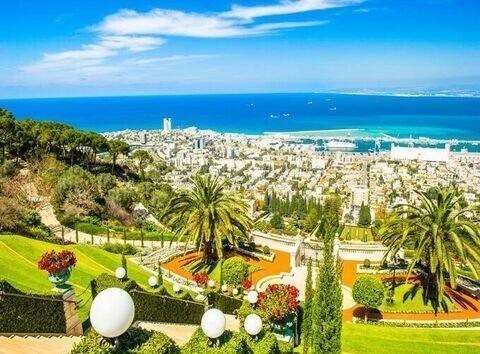
Haifa’s Carmel Mountain: A Scenic Escape

What Becomes Easier in Israel During February?

February's advantages are easy to miss when weather research focuses only on temperature. The more useful question is what travellers can do comfortably now that becomes harder during hotter parts of the year.

Several experiences benefit considerably.

Masada No Longer Needs a Heat Strategy

Masada is exposed, and that matters far more in summer than many first-time visitors realise. February generally allows travellers to explore the archaeological site without designing the entire visit around avoiding extreme heat.

Sunrise remains popular, but it is no longer necessary simply because later hours are too hot. Visitors can choose timing according to their wider itinerary, although early starts may still involve distinctly cool conditions.

This freedom makes combining Masada with other Dead Sea experiences considerably easier.

Desert Walking Can Occupy More of the Day

The Negev experiences a similar seasonal advantage.

Cooler conditions allow suitable trails and desert landscapes to be explored beyond narrow morning or evening windows, which can make a hiking day feel less rushed. February's gradually increasing daylight adds further flexibility.

Winter introduces a different hazard, however. Flash floods can make desert routes dangerous, sometimes because of rainfall elsewhere within the drainage system rather than directly overhead.

Current local conditions should therefore determine whether a trail is suitable.

Jerusalem Can Be Explored More Slowly

February does not guarantee pleasant weather in Jerusalem, but when conditions cooperate, the combination of cool temperatures and gradually longer days can be excellent for substantial walking.

The Old City rewards this pace.

Rather than moving directly between major religious and historical sites, travellers can spend more time observing neighbourhoods, markets and smaller details that disappear when sightseeing becomes a race against heat or daylight.

A flexible second day becomes especially valuable because rain affecting one period does not then force the entire programme into the remaining hours.

Long Road Days Become More Productive

February also improves itineraries that connect several outdoor sites.

Increasing daylight compared with the heart of winter provides more time for scenic stops, while cooler temperatures make getting out of the vehicle repeatedly far more attractive than during extreme summer conditions.

This is particularly useful in the south, where the road itself can reveal geological and landscape changes that deserve more than a quick photograph.

The practical mistake is using those extra hours to add too many destinations.

More usable daylight should create better stops, not necessarily more stops.

Outdoor Lunch Returns Whenever the Weather Cooperates

February remains variable, particularly around the Mediterranean and Jerusalem, but sunny periods can make outdoor cafés and terraces surprisingly enjoyable during the middle of the day.

This creates a rhythm that feels different from both January and spring.

A jacket may still be necessary when leaving the hotel, yet lunch can happen comfortably outside before cooler conditions return later. Travellers who dress in layers can adapt without repeatedly returning to their accommodation.

February Gives Time Back Before It Gives Heat

That is perhaps the month's most useful characteristic.

The first major improvement over midwinter is not consistently warmer weather but a gradual expansion of the usable day. Outdoor archaeological sites, road journeys and desert experiences become easier to combine, while Jerusalem and the north retain their distinctive winter landscapes.

February therefore rewards travellers who use additional daylight intelligently.

Spring warmth will arrive later.

For now, having more time to experience winter may be the better advantage.

January vs February vs March: Where February Fits

February is the bridge between Israel's midwinter and the more obvious arrival of spring. January emphasises climatic contrasts between regions, while March begins opening a broader spring travel window. February occupies the quieter space between them, when winter landscapes remain visible but increasing daylight gradually changes how much can fit into a touring day.

  January February March
Seasonal Identity Midwinter contrasts Late winter in motion Uneven spring arrival
Jerusalem Strong winter character Variable, gradually longer days Increasing spring influence
Tel Aviv Mediterranean winter Mixed winter conditions More outdoor flexibility
Galilee Cool and green Strong green-season appeal Spring landscapes develop
Dead Sea Excellent cool-season option Prime outdoor period Warmer conditions emerging
Negev Cool desert touring Longer usable outdoor days Spring desert travel
Eilat Winter-sun escape Mild, increasingly flexible Warmer southern conditions
Best For Multi-climate touring Green north + desert south Spring exploration

February's strongest advantage is therefore not consistently warmer weather. It is the ability to experience Israel's winter character while gradually gaining more daylight for outdoor travel.

Frequently Asked Questions About Israel in February

Is February a good time to visit Israel?

February can be an excellent choice for travellers interested in archaeology, cultural sightseeing, green northern landscapes and desert exploration without summer heat. Winter rain remains possible in central and northern regions, so flexible scheduling and layered clothing are more useful than expecting uniformly mild spring weather.

Is Jerusalem cold in February?

Jerusalem can still feel cold, particularly during mornings, evenings, windy periods and wet weather. Clear afternoons may become comfortable for substantial walking, while gradually increasing daylight provides more sightseeing time than midwinter. Travellers should nevertheless pack for winter variability rather than assuming spring has already arrived.

Does it rain in Israel in February?

Yes. February remains within Israel's wetter season, particularly around the Mediterranean coast, Jerusalem and northern regions. Rain often occurs in periods rather than continuously throughout a trip, which means flexible itineraries can usually work around changing conditions without sacrificing entire sightseeing days.

Is northern Israel worth visiting in February?

Yes, particularly for travellers interested in seasonal landscapes. Winter rainfall can make Galilee and surrounding areas remarkably green compared with their dry-season appearance, while early wildflowers may begin emerging depending on rainfall and timing. Outdoor plans should remain flexible because trails can be wet or muddy.

Can I visit the Dead Sea in February?

February can be one of the more comfortable periods for visiting the Dead Sea region because extreme summer heat is absent. Conditions may be suitable for swimming on some days, although wind, weather and personal tolerance vary. Masada and surrounding desert landscapes are particularly attractive during the cooler season.

Is February good for the Negev Desert?

Yes. Cooler daytime conditions and increasing daylight can make February excellent for exploring Negev landscapes, viewpoints and suitable hiking routes. Winter rain can create flash-flood risks in desert areas, however, so hikers should always check current local conditions and warnings before entering wadis or remote routes.

Can you swim in Eilat in February?

Swimming may be possible, particularly for travellers comfortable with cooler water and variable winter conditions. Eilat generally offers some of Israel's mildest February weather, but it should not be treated as guaranteed midsummer. Visitors primarily seeking sunshine and outdoor activities may find the season more reliable than those requiring hot beach weather.

What should I pack for Israel in February?

Bring layers that can accommodate cool mornings, potentially rainy city days and milder southern afternoons. A weather-resistant jacket, comfortable walking shoes and a sweater or fleece are useful, while lighter clothing should remain accessible for the Dead Sea, Negev or Eilat when sunny conditions develop.

Is February or March better for Israel?

February offers stronger late-winter scenery, particularly in greener northern regions, while March generally brings greater spring influence and broader outdoor flexibility. Travellers who enjoy seasonal landscapes and cooler desert conditions may prefer February, whereas those wanting warmer weather may find March more suitable.

Are the days long enough for sightseeing in February?

Yes. Daylight remains shorter than during spring and summer, but the days are gradually lengthening compared with January. This provides useful additional time for archaeological sites, scenic road journeys and desert exploration, particularly when travellers begin sightseeing reasonably early rather than sacrificing the morning.

February Is Valuable Because It Has Not Finished Changing

February does not offer the simplicity of a settled season, and that is precisely what separates it from the months around it.

Jerusalem can still deliver a thoroughly winter-like morning, while the Dead Sea may provide a mild afternoon on the same journey. Northern Israel remains green because winter rainfall has not disappeared, yet increasing daylight gives travellers more time to experience those landscapes whenever conditions cooperate.

Farther south, the seasonal shift becomes easier to use. Masada and the Negev can occupy larger portions of the day without summer heat dictating the schedule, while Eilat begins moving away from its role as simply a winter-sun escape.

March will make spring more obvious.

February is subtler.

Its appeal comes from catching Israel while the landscape still belongs partly to winter but the travel day is already beginning to expand. For travellers who appreciate green scenery, cool desert exploration and an itinerary that can adapt when weather changes, that transitional character is not a compromise.

It is the reason to come.

Kenan Ungur
Author

A travel professional specializing in tailor-made travel planning, guest experience management, and multi-destination tourism operations.

With over 23 years of experience in the travel industry, he designs and manages private and cultural tours for international travelers across Türkiye, Greece, Egypt, Jordan, Morocco, and other destinations.

He has strong expertise in both online and face-to-face guest communication, sales processes, and end-to-end travel operations.

Working closely with hotels, travel agencies, and local partners, he ensures smooth coordination and high-quality travel experiences at every stage of the journey.

His focus is on delivering personalized, reliable, and seamless travel experiences for international guests worldwide.

Join The Newsletter

To receive our best monthly deals

Magnificent Travel Logo

Magnificent Travel
Usually responds the same day

Magnificent Travel
Welcome to the Magnificent Travel

How may i help you?
Today
+905324935198
X