
Israel Weather in January: Winter Rain, Temperatures & Travel
Last Updated: August 9, 2026
January is one of the months when looking at a single temperature for Israel tells you remarkably little about the trip you are actually going to have.
A winter morning in Jerusalem can call for a proper jacket, especially when wind or rain moves through the hills, while several hours later the Dead Sea may feel mild enough for a completely different set of clothes. Tel Aviv brings Mediterranean humidity, sea breezes and a greater chance of winter rain into the picture, whereas the Negev Desert often offers bright daytime conditions followed by a sharp drop in temperature once the sun disappears.
These differences are not minor weather variations between nearby cities. They influence what belongs in your suitcase, how long you want to spend outdoors, which activities deserve flexible scheduling and even the order in which a multi-region itinerary makes the most sense.
January is therefore better understood as Israel's regional-climate month rather than simply the middle of winter.
There Is No Useful “Israel Temperature” in January
Israel's compact size can create the impression that travellers will encounter roughly the same winter conditions everywhere, perhaps with a few degrees of difference between north and south.
Geography makes the reality considerably more complicated.
Jerusalem sits at elevation, Tel Aviv faces the Mediterranean, the Dead Sea lies far below sea level and the Negev introduces an arid desert environment. Travelling between them can produce surprisingly rapid changes in temperature, wind, rainfall and how the weather actually feels on the ground.
| Region | January Character | What Travellers Notice |
|---|---|---|
| Jerusalem | Cool winter conditions, rain possible | Elevation makes mornings and evenings feel colder |
| Tel Aviv | Mild Mediterranean winter | Rain, humidity and coastal wind can change the day |
| Dead Sea | Generally milder and drier | Strong winter contrast with Jerusalem |
| Negev Desert | Pleasant days can occur | Temperatures fall significantly after sunset |
| Galilee & North | Cooler, wetter winter pattern | Greater importance of rain planning |
| Eilat | Mild southern winter | Strong option for travellers seeking winter sunshine |
For a visitor combining several of these regions, January can feel less like experiencing one national climate and more like moving between several small seasonal zones.
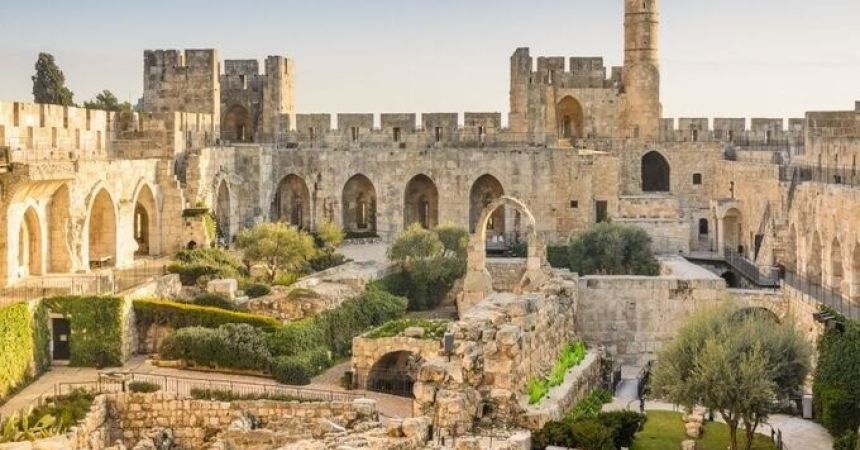
Jerusalem Is Where January Feels Most Like Winter
Jerusalem is the place where travellers expecting permanently warm Middle Eastern weather are most likely to reconsider what they packed.
Elevation changes the experience considerably. Daytime sightseeing can be comfortable when skies are clear, particularly once walking through the Old City begins to warm you up, but mornings and evenings may feel genuinely cold, while rain and wind can make moderate temperatures feel noticeably less comfortable.
Occasional winter weather can also change the character of the city.
Stone streets become darker after rain, clouds settle around the surrounding hills and viewpoints that looked spectacular the previous afternoon may temporarily disappear. Rather than treating this as failed sightseeing weather, travellers who leave some flexibility in the programme can experience a side of Jerusalem that summer visitors never see.
Those planning to connect Jerusalem with several historical regions can consider Israel heritage journeys, where January's regional differences can be incorporated into the route rather than assuming identical sightseeing conditions every day.
Rain Changes Jerusalem More Than Cold Does
Visitors often concentrate on temperature when researching January, yet rain can have a greater practical effect on a sightseeing day.
Jerusalem is heavily explored on foot, particularly around the Old City, which means wet stone surfaces, wind and intermittent showers matter more than whether the forecast maximum is one or two degrees warmer than expected. Comfortable footwear with reasonable grip and a practical rain-resistant layer may therefore prove more valuable than bringing an excessively heavy winter wardrobe.
A wet morning does not necessarily require cancelling the day.
Historical and religious sites, museums, cafés and indoor stops can be arranged so that exposed walking sections happen when conditions improve. The key is avoiding an itinerary where every attraction has been assigned a rigid thirty-minute slot months before arrival.
Winter rewards a little improvisation.
Tel Aviv Has a Different Kind of January
Drive from Jerusalem towards the Mediterranean and winter begins behaving differently.
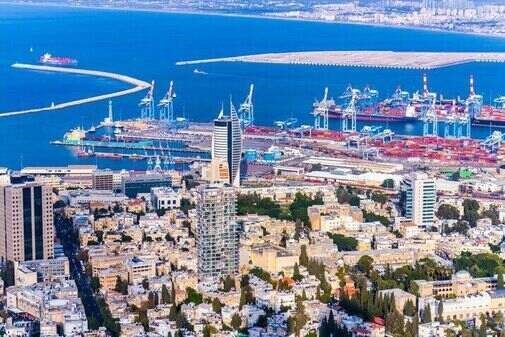
Tel Aviv generally feels milder, but coastal humidity and wind mean the temperature displayed on a phone does not always explain how comfortable an evening walk beside the sea will feel. Rain can arrive in periods rather than following a predictable daily pattern, so visitors may experience a beautifully bright afternoon after beginning the morning beneath grey skies.
This variability suits Tel Aviv surprisingly well.
The city does not depend entirely on conventional sightseeing. Markets, neighbourhoods, museums, restaurants and cafés give travellers plenty of ways to adjust the day without feeling that they are waiting for the weather to improve.
When sunshine returns, the seafront immediately becomes useful again for walking, cycling or simply spending time outdoors.
January Tel Aviv is not primarily a beach holiday.
It is a Mediterranean city break with a beach attached.
Should You Expect to Swim in Tel Aviv in January?
Travellers occasionally see photographs of people on the beach and assume that winter swimming is a normal part of a January visit.
For some people, it can be.
For most international visitors, however, Tel Aviv should not be selected in January because swimming is essential to the holiday. Sea and air conditions vary, windy days can feel considerably cooler, and winter weather may make the waterfront better suited to walking than spending several hours on the sand.
This distinction matters when comparing Tel Aviv with Eilat or the Dead Sea.
A beach existing and a destination providing dependable beach-holiday conditions are not the same thing.
The Dead Sea Can Feel Like You Changed Seasons
One of January's most memorable climate transitions can happen during the journey from Jerusalem towards the Dead Sea.
The descent is dramatic geographically, and the weather often reflects that change. Conditions around the Dead Sea can feel substantially milder and drier than those left behind in Jerusalem, making the region particularly appealing during winter.
This does not mean every January afternoon guarantees swimming weather. Wind, cloud and individual tolerance still matter, but the broader environment is often much more favourable for outdoor exploration than the highlands.
Travellers wanting to combine historical sightseeing with this lower-elevation landscape can explore Dead Sea touring routes, particularly when the itinerary also includes Jerusalem and the Judean Desert.
The contrast between these regions is one of the reasons January works better as a touring month than national weather averages suggest.
Masada Makes More Sense Without Summer Heat
January can be particularly attractive for visiting Masada because the intense heat that affects the region during warmer parts of the year is no longer the dominant planning consideration.
Walking around exposed archaeological areas becomes easier for many travellers, while those considering more active approaches can evaluate them without the same extreme-temperature concerns associated with summer.
Winter introduces different considerations, including wind, rain and cooler early-morning conditions, especially for travellers planning to arrive around sunrise.
The practical advantage is that the middle of the day becomes usable.
You are no longer designing the entire experience around escaping heat.
The Negev Has Excellent Days and Surprisingly Cold Nights
Desert weather creates one of January's biggest packing traps.
Bright sunshine can make a Negev afternoon feel remarkably pleasant, encouraging travellers to assume that the same clothing will remain comfortable after sunset. Once the sun disappears, the temperature can fall quickly, particularly in exposed desert environments.
This matters for anyone planning stargazing, outdoor dinners, desert accommodation or early-morning activities.
| Time | Typical January Desert Strategy |
| Early morning | Start with warm layers |
| Late morning | Expect conditions to moderate |
| Afternoon | Often strong outdoor touring period |
| Sunset | Have warmer clothing accessible |
| Evening | Prepare for a substantial temperature drop |
The Negev therefore demonstrates the same lesson as the country more broadly: average temperature matters less than understanding where you will be and at what hour.
Travellers wanting desert landscapes to become a meaningful part of the journey can consider Israel desert experiences, allowing enough time for the Negev rather than treating it as scenery seen through a vehicle window.
Eilat Is Israel's Strongest January Escape From Winter
For travellers whose priority is finding the mildest practical winter conditions within Israel, Eilat makes the strongest argument.
Its southern location and arid climate create a completely different January experience from Jerusalem or the wetter Mediterranean north. Outdoor activities remain attractive, and sunny periods can make the city feel far removed from winter conditions elsewhere in the country.
That does not turn January into guaranteed midsummer.
Evenings can be cool, weather varies from year to year and anyone booking purely for uninterrupted pool or beach conditions should retain realistic expectations.
Eilat works better when sunshine is the goal rather than heat.
Northern Israel Needs More Weather Flexibility
January becomes cooler and generally wetter as itineraries move into northern regions, where rain can influence outdoor sightseeing more noticeably than in the south.
Galilee landscapes may be beautifully green during the winter season, which gives the region a visual character that summer travellers rarely experience, but the same rainfall responsible for that greenery can require changes to hiking plans or outdoor-heavy days.
This is where itinerary flexibility becomes particularly valuable.
A northern journey built around landscapes, archaeological sites and religious heritage should have enough breathing room that one wet period does not create a chain of missed experiences.
The north is not a poor January choice.
It is simply less weather-predictable than the desert south.
January Works Best When the Route Follows the Climate
A common mistake is planning a January itinerary exactly as you would plan May and then changing only the clothes in the suitcase.
Winter deserves more influence than that.
Jerusalem and the north benefit from flexibility around rain. The Dead Sea and Masada gain seasonal value because extreme heat is absent, while the Negev becomes attractive for daytime exploration as long as travellers prepare properly for colder mornings and nights. Eilat can provide a final southern contrast for those who want several days of winter sunshine.
The result does not need to be a weather-avoidance itinerary.
In fact, January becomes more interesting when the differences are allowed to remain visible.
A cool Jerusalem morning followed by a mild afternoon beside the Dead Sea is not a logistical inconvenience.
It is one of the clearest demonstrations of how much climate Israel manages to fit into a remarkably small geographical space.
Rainy Jerusalem or Sunny Desert: Where Should You Spend More Time?
January creates an unusual itinerary decision because Israel's most famous regions do not experience winter in the same way. Adding another night to Jerusalem provides greater cultural depth but also increases exposure to potentially cool, wet weather, whereas travelling towards the Dead Sea or Negev usually shifts the journey towards a drier landscape where daytime outdoor activity can become easier.
The better choice depends less on which region has the highest temperature and more on what you want January weather to make possible.
| If You Prefer... | Give More Time To... | January Advantage |
|---|---|---|
| History and archaeology | Jerusalem | Comfortable long walking days between wet periods |
| Desert landscapes | Negev | Mild daytime exploration |
| Outdoor archaeology | Dead Sea & Masada | Summer heat is absent |
| Winter sunshine | Eilat | Strongest southern climate advantage |
| Green landscapes | Galilee | Winter rain transforms the scenery |
| Food and urban life | Tel Aviv | Easy alternatives when weather changes |
Jerusalem Deserves the Night If Culture Comes First
A poor weather forecast is not automatically a reason to shorten Jerusalem.
The city's density works in its favour during winter because many important experiences are relatively close together, while museums, religious sites, markets and restaurants provide natural indoor intervals between periods of walking.
An additional night also creates flexibility. If rain affects one afternoon, the itinerary does not need to force every exposed site into uncomfortable conditions simply because departure is scheduled for the following morning.
January therefore rewards travellers who give Jerusalem enough time to absorb a weather change without losing the city.
The Dead Sea Gains More From Winter Than Jerusalem Does
Jerusalem remains fascinating throughout the year, even when summer requires adjustments. The Dead Sea region experiences a more dramatic seasonal improvement because winter removes much of the extreme heat that can restrict outdoor activity during warmer months.
Masada, desert viewpoints and the surrounding landscapes become easier to explore for longer periods, while the lower elevation often produces a striking climatic contrast after Jerusalem.
For travellers interested equally in history and landscapes, this makes the Jerusalem–Dead Sea combination particularly strong in January: one region provides cultural density, while the other demonstrates how dramatically geography can change winter within a relatively short journey.
The Negev Is Worth More Than a Quick Drive Through
January is a good month to resist treating the Negev as empty space between destinations.
The absence of intense summer heat creates better opportunities for desert walks, geological landscapes, viewpoints and slower stops, although local conditions should always be checked before hiking because winter rain can create flash-flood risks in desert areas.
That last point matters.
Clear skies where you are standing do not necessarily mean that rainfall elsewhere in a drainage system is irrelevant. Hiking in desert wadis should therefore follow current local guidance whenever unsettled weather is present or forecast.
Don't Automatically Chase the Sun South
It can be tempting to respond to a wet Jerusalem forecast by redesigning the entire trip around Eilat or the desert.
That is rarely necessary.
January weather often changes, and a rainy period may be followed by excellent sightseeing conditions. Constantly moving south in search of the warmest forecast can also sacrifice the cultural experiences that motivated the trip in the first place.
A better itinerary gives weather some influence without allowing it complete control.
If Jerusalem matters, give it enough time.
If desert landscapes matter, allocate proper nights to the south from the beginning rather than treating them as emergency substitutes for rain.
January Is Better With Contrasting Regions
The most satisfying January itinerary may not be the one that finds Israel's warmest corner and stays there.
Combining Jerusalem with the Dead Sea or Negev allows winter itself to become part of the journey. Cooler highland conditions make the descent towards the desert more noticeable, while returning north reveals how quickly the climate can change again.
January's regional variation is therefore not something that needs to be solved.
Used intelligently, it becomes one of the reasons to travel.
January Travel Mistakes That Have Little to Do With Temperature
January itineraries often go wrong because travellers concentrate so heavily on whether Israel will be cold that they overlook the practical effects of winter itself. Rain, shorter daylight and rapid regional changes usually influence the journey more than a difference of a few degrees on a weather chart.
Planning Every Day Around Historical Averages
Climate averages help with choosing a season, but they are poor tools for deciding exactly what to do at 2 PM on a particular Tuesday.
A January trip needs enough flexibility to respond to the forecast once travel is close. Jerusalem sightseeing can be reordered around a wet morning, while a clear day may be the better opportunity for viewpoints and longer outdoor walks.
The itinerary should have structure without becoming difficult to rearrange.
Treating Desert Rain as Ordinary Rain
Rain in the Negev deserves different attention from rain during a Tel Aviv city day.
Desert flash flooding can affect wadis and hiking areas, sometimes even when rainfall is occurring away from the traveller's immediate location. Anyone planning independent desert walking should therefore check current conditions and local warnings rather than relying only on what the sky looks like outside the hotel.
Winter makes desert hiking attractive, but it does not make every route suitable every day.
Forgetting That January Days Are Shorter
A late breakfast costs more daylight in January than it does in June.
This becomes particularly relevant on days combining road travel with outdoor archaeological sites or desert landscapes. Starting reasonably early allows the most scenic or exposed experiences to happen in daylight without turning the itinerary into a race.
City evenings remain useful for restaurants, markets and other activities that do not depend on daylight, so the goal is not to finish the day early but to place the right experiences in the right hours.
Packing for the Warmest Destination
Travellers ending in Eilat sometimes pack according to the southern forecast and discover that Jerusalem requires considerably more warmth, while those preparing exclusively for Jerusalem may bring clothing that feels excessive during a sunny Dead Sea afternoon.
Layering solves both problems.
A practical January suitcase should accommodate rain, cool highland evenings and mild southern afternoons without requiring completely separate wardrobes for each region.
Assuming Winter Means Fewer Outdoor Experiences
January can actually increase the appeal of several outdoor regions because extreme heat is absent.
Masada, the Dead Sea surroundings and the Negev can become more comfortable for extended exploration, provided current weather conditions are suitable. Even city sightseeing benefits because long periods of walking may feel easier than during the hottest months.
The better question is therefore not how much outdoor activity winter removes from an Israel itinerary.
It is which outdoor experiences winter makes better.
December vs January vs February: Where January Fits
January sits at the centre of Israel's winter rather than functioning as a simple continuation of December. The regional differences are particularly important: Jerusalem and northern Israel can feel unmistakably wintry, while the Dead Sea, Negev and Eilat may provide much milder daytime conditions.
| December | January | February | |
|---|---|---|---|
| Seasonal Identity | Early winter + holidays | Regional winter contrasts | Late-winter transition |
| Jerusalem | Cool and variable | Strong winter character | Winter gradually begins shifting |
| Tel Aviv | Mediterranean winter | Rain and mild periods | Increasing seasonal transition |
| Dead Sea | Strong winter option | Major climate contrast | Excellent outdoor potential |
| Negev | Cool-season desert | Excellent days, cold nights | Gradual seasonal change |
| Eilat | Winter sunshine | Strong southern escape | Mild southern conditions |
| Best For | Holiday travel | Multi-climate touring | Late-winter exploration |
January's appeal comes from experiencing these contrasts within one journey rather than searching for one region that somehow avoids winter altogether.
Frequently Asked Questions About Israel in January
Is January a good time to visit Israel?
January can be excellent for travellers interested in cultural sightseeing, archaeology, the Dead Sea and desert landscapes without summer heat. Rain is more likely in northern and central regions, while Jerusalem can feel cold. A flexible itinerary and layered clothing make regional weather differences considerably easier to manage.
Is Jerusalem cold in January?
Jerusalem can feel genuinely cold, particularly during mornings, evenings, windy periods and rainy weather. Daytime conditions may become comfortable when skies clear, especially while walking, but visitors should bring a jacket and layers rather than assuming that Israel's Middle Eastern location guarantees warm winter weather.
Does it rain in Israel in January?
January falls within the wetter part of the year, particularly around Mediterranean, central and northern regions. Rain does not normally mean continuous wet weather throughout an entire trip, but travellers should keep outdoor-heavy sightseeing flexible and check current forecasts as their travel dates approach.
Is Tel Aviv warm in January?
Tel Aviv is generally milder than Jerusalem, although Mediterranean wind, humidity and rain can make some days feel cooler than the temperature suggests. Sunny periods can be excellent for walking along the waterfront, but January should be approached as a city-break season rather than dependable beach-holiday weather.
Can you visit the Dead Sea in January?
Yes. January can be an attractive period for the Dead Sea because the extreme heat of warmer months is absent and daytime conditions may be pleasantly mild. Swimming comfort depends on actual weather, wind and personal preference, so it should be treated as a possibility rather than a guarantee.
Is January good for Masada?
January can be very suitable for Masada because cooler conditions make exposed archaeological sightseeing considerably easier for many visitors. Early mornings can feel cold and winter weather remains possible, so travellers planning sunrise visits or substantial walking should check the local forecast shortly before departure.
Is the Negev Desert cold in January?
The Negev can provide pleasant sunny daytime conditions, but temperatures may fall substantially during the evening and overnight. Travellers planning desert accommodation, stargazing or early activities should carry warmer layers. Hiking plans should also account for winter rain and potential flash-flood conditions.
Is Eilat warm in January?
Eilat generally provides some of Israel's mildest winter conditions and can be attractive for travellers seeking sunshine and outdoor activities. January should not be marketed as guaranteed summer weather, however, because evenings can be cool and individual days may vary.
What should I wear in Israel in January?
Layering is the most practical strategy. Bring comfortable walking clothes, a sweater or fleece, a weather-resistant outer layer and suitable shoes, while keeping lighter clothing available for warmer southern afternoons. Desert nights and Jerusalem evenings may require considerably more warmth than the Dead Sea during daytime.
Is January or February better for Israel?
January provides a stronger mid-winter experience and particularly noticeable contrasts between Jerusalem, the Mediterranean coast and southern desert regions. February begins the transition towards spring, although winter conditions can continue. The better choice depends on whether you prefer established winter conditions or a gradually changing season.
January Makes More Sense When You Stop Looking for One Forecast
Israel's small size can encourage travellers to treat weather as a national condition.
January demonstrates why that approach fails.
Jerusalem may require a jacket and rain protection while the Dead Sea provides a mild afternoon only a relatively short journey away. Tel Aviv brings Mediterranean winter into the itinerary, whereas the Negev replaces coastal humidity with desert conditions and a much sharper temperature change after sunset.
Farther south, Eilat offers another version again.
These contrasts make packing slightly more complicated, but they also give January its strongest travel advantage. A winter itinerary can combine serious cultural sightseeing with desert landscapes and milder southern conditions without confronting the extreme heat that affects some regions later in the year.
The month does require flexibility. Rain can alter a Jerusalem walking day, desert weather needs appropriate respect and shorter daylight makes leisurely morning departures less practical on scenic road days.
None of those considerations requires building the holiday around avoiding winter.
January works better when winter becomes part of the route.
Rather than asking whether Israel is warm in January, ask where you will be on each part of the journey and what you intend to do there.
That question produces a far more useful itinerary—and a much more accurate picture of Israel's winter.

A travel professional specializing in tailor-made travel planning, guest experience management, and multi-destination tourism operations.
With over 23 years of experience in the travel industry, he designs and manages private and cultural tours for international travelers across Türkiye, Greece, Egypt, Jordan, Morocco, and other destinations.
He has strong expertise in both online and face-to-face guest communication, sales processes, and end-to-end travel operations.
Working closely with hotels, travel agencies, and local partners, he ensures smooth coordination and high-quality travel experiences at every stage of the journey.
His focus is on delivering personalized, reliable, and seamless travel experiences for international guests worldwide.
