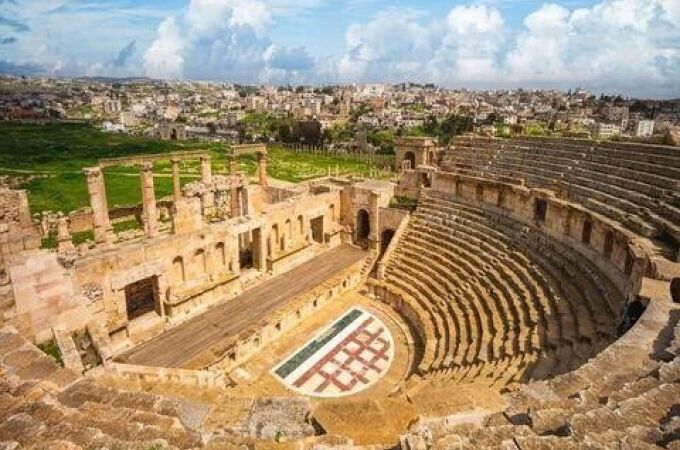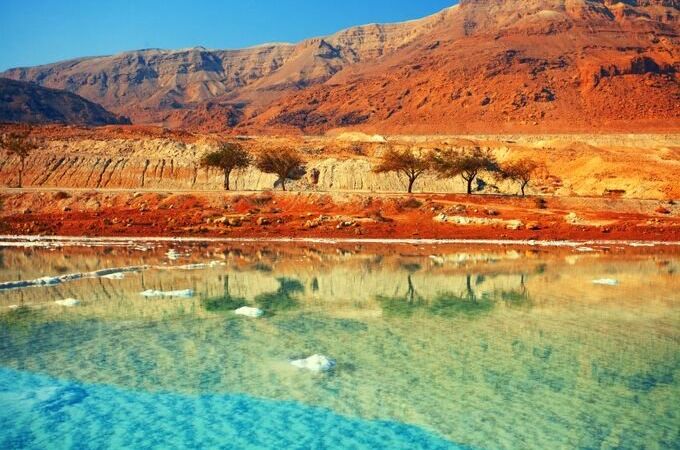
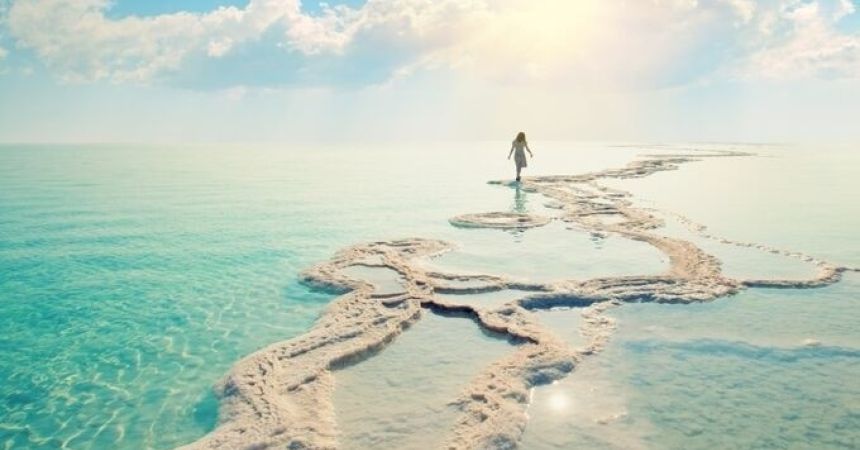
June in Amman Is Less About Escaping Heat Than Spending Energy Well
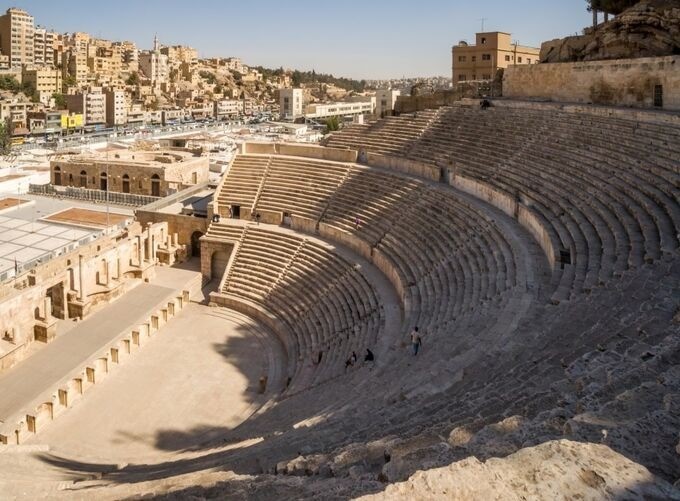
June Becomes Easier When You Stop Counting Steps
A long walking day can look impressive on a fitness tracker without necessarily producing a better experience of Amman.
June makes that distinction increasingly important. If a steep connection between two areas contributes little beyond getting you from one place to another, using a car for that section can preserve enough energy to spend an extra hour somewhere genuinely interesting later.
This is not an argument against walking. Amman deserves to be experienced at street level, and many of its details are easily missed from inside a vehicle. The point is to become selective about where walking adds value.
Spend your energy on streets you want to explore, not simply on distances you need to cross.
The Afternoon Slump Is Often an Itinerary Problem
When travelers feel exhausted midway through a June sightseeing day, heat receives most of the blame. Sometimes the schedule deserves more of it.
An early start followed by several hours of continuous walking, a rushed lunch and another demanding outdoor visit would be tiring even under milder conditions. June sunshine simply makes poor pacing more noticeable.
Before assuming you need to remove an afternoon activity entirely, look at what happens before it.
A substantial lunch, a slower hour, a short ride instead of another uphill walk or an indoor cultural stop can create enough recovery for the later part of the day to remain enjoyable.
The objective is not to conserve energy obsessively. It is to avoid spending it accidentally.
Give Every June Day One High-Effort Anchor
Rather than filling a day with several physically demanding sections, decide which experience deserves the greatest share of your energy.
Everything around it can then be arranged more gently.
If the morning already contains substantial walking, the middle of the day might become slower. If you expect to explore extensively later, there is little benefit in exhausting yourself on an unnecessary transfer beforehand.
This approach also gives individual days different personalities rather than repeating the same sightseeing formula throughout the stay.
Where Is Your Energy Actually Going?
| If Your Day Contains… | Consider Balancing It With… |
|---|---|
| Several steep streets | Shorter vehicle connections later |
| Long outdoor morning | Proper seated lunch |
| Multiple cultural visits | Slower neighborhood time |
| Extensive walking before lunch | Easier early afternoon |
| Active afternoon | Less demanding morning |
| Evening plans | Reserve some physical energy after 17:00 |
The table is not intended as a schedule. It is a quick way to identify when one June day has quietly become much more demanding than another.
Clothing Should Make Movement Easier
June packing is relatively uncomplicated, which is useful because there is little reason to carry unnecessary clothing through the city.
Lightweight, breathable daytime clothes generally make sense, alongside comfortable walking shoes, sunglasses and sun protection. Personal clothing choices should naturally respect the places you intend to visit and local cultural norms.
A light additional layer can still be useful later, depending on conditions and personal preference, but June's more important packing principle is mobility. You should be able to spend several hours away from the hotel without your day bag becoming another source of fatigue.
Save Something for After Sunset
One of the best ways to prevent a June itinerary from becoming monotonous is deliberately leaving something enjoyable for later.
It does not need to be another major attraction.
An evening neighborhood walk, a restaurant you genuinely want to try, time over coffee or simply exploring an area when the daytime brightness has softened can provide a completely different impression of the capital.
This also changes your behavior earlier. Once evening is considered part of the experience rather than recovery after sightseeing, there is less pressure to finish everything before dinner.
That psychological shift may be June's most useful planning adjustment.
Predictability Should Make You More Relaxed
By this stage of the year, rain is much less likely to dominate daily planning than during Amman's winter months. That reliability removes one of the reasons travelers often over-organize: fear that today's opportunity might disappear tomorrow.
There is generally less need to race through the city simply because the current conditions are good.
Allow a café stop to become longer. Leave something for another morning. Use transportation when the alternative adds effort but little experience.
June gives you the confidence to distribute Amman across the stay rather than trying to capture everything in one exhausting day.
12 Questions About Amman in June
1. What is the weather like in Amman in June?
June is typically warm, dry and bright, with daytime temperatures commonly reaching the upper 20s°C and sometimes higher. Rain becomes unusual, creating considerably more predictable sightseeing conditions than during winter and the transitional part of spring.
2. Is Amman very hot in June?
Warm afternoons are normal, but June should not automatically be treated as the peak of Amman's summer heat. Direct sunshine, walking intensity and the city's hills can make a busy day feel more demanding than the temperature reading alone suggests.
3. Does it rain in Amman during June?
Rain is generally uncommon as Amman enters its established dry season. Unusual weather is always possible, so check the forecast before travel, but rainfall usually requires far less itinerary consideration than it does during the winter months.
4. What should I wear in Amman in June?
Lightweight, breathable clothing is generally practical for daytime sightseeing, alongside comfortable walking shoes and appropriate sun protection. Consider local customs and individual sites when choosing clothing, and check your specific forecast before deciding whether an additional evening layer is necessary.
5. Is June suitable for walking around Amman?
Walking remains an excellent way to experience selected parts of the capital, but Amman's hills can make continuous walking tiring. June rewards choosing worthwhile pedestrian routes while using short vehicle transfers when walking would add effort without much additional experience.
6. Should I return to my hotel during the afternoon?
Not necessarily. Some travelers enjoy a hotel break, while others recover perfectly well over a long lunch, café visit or indoor activity. The useful question is which option preserves your energy without unnecessarily disrupting the day's route.
7. How important is hydration in June?
Carrying water should become routine during June sightseeing, particularly when substantial walking is planned. Dry air can make exertion feel deceptively manageable at first, while sunshine and Amman's hills gradually increase the physical demands of a long city day.
8. Can I sightsee throughout the whole day?
Yes, but continuous activity is not the same as a satisfying full day. Alternating higher-effort sightseeing with meals, short rides and slower periods can help you remain engaged with the city rather than becoming exhausted before the evening begins.
9. Are June evenings comfortable in Amman?
Evenings often provide a pleasant change after the brighter daytime period, making them valuable for dining, cafés and additional urban exploration. Conditions vary, so travelers should still check the forecast for their particular dates rather than relying entirely on monthly averages.
10. Do I need sunscreen in Amman in June?
Sun protection is sensible for extended daytime exposure. Sunscreen, sunglasses and suitable clothing can all contribute to comfort, particularly when several hours of sightseeing involve open areas or long walks rather than repeated periods indoors.
11. How should I divide a June sightseeing day?
Instead of dividing the itinerary strictly by clock time, consider physical effort. Give demanding activities enough space, use meals as genuine recovery periods, avoid unnecessary uphill transfers and preserve some energy if you want to experience Amman's evening atmosphere.
12. What makes June different from May in Amman?
May introduces stronger sunshine and intelligent exposure, making the timing of open, shaded and slower activities increasingly relevant. June moves into dry-season energy management: weather becomes more predictable, while the main challenge is distributing walking, rest, transportation and evening activity so a long city day remains enjoyable from beginning to end.

A travel professional specializing in tailor-made travel planning, guest experience management, and multi-destination tourism operations.
With over 23 years of experience in the travel industry, he designs and manages private and cultural tours for international travelers across Türkiye, Greece, Egypt, Jordan, Morocco, and other destinations.
He has strong expertise in both online and face-to-face guest communication, sales processes, and end-to-end travel operations.
Working closely with hotels, travel agencies, and local partners, he ensures smooth coordination and high-quality travel experiences at every stage of the journey.
His focus is on delivering personalized, reliable, and seamless travel experiences for international guests worldwide.