November in Amman Is When Going Inside Becomes Part of Seeing the City
Author: Kenan Ungur
Article Date: 27.09.2024
Reading Time: 13 min

November in Amman Is When Going Inside Becomes Part of Seeing the City

Updated: August 12, 2026

A November day in Amman does not necessarily ask you to choose between sightseeing outdoors and spending time inside.

Its charm often comes from doing both.

You might begin among historical remains under clear autumn light, disappear into a museum later, sit over lunch considerably longer than expected and return to the streets before eventually settling into a café as the afternoon begins losing daylight.

None of those indoor periods needs to feel like time taken away from Amman.

By November, they increasingly become part of how the city is experienced.

Daytime temperatures commonly sit around the high teens Celsius, while nights can become distinctly cool. Rainfall becomes more relevant again after the long dry summer, although conditions vary considerably and November should not be imagined as continuously wet.

The bigger seasonal change is structural: outdoor sightseeing no longer needs to occupy the entire city day to make that day feel complete.

November Shrinks the Gap Between Sightseeing and City Life

Warm-weather itineraries can accidentally create two versions of a destination.

There is the city you “see”—monuments, neighborhoods, viewpoints—and the city where you stop for lunch, drink coffee or spend the evening.

November begins dissolving that distinction.

When temperatures are cooler and daylight is more limited, spending forty minutes over coffee no longer feels like interrupting sightseeing. It becomes an opportunity to experience Amman from another angle: sitting rather than moving, observing rather than completing.

For travelers on a November Amman city stay, this can make the capital feel more intimate.

You are not trying to remain outdoors simply because the weather permits it.

You begin moving through the city the way a city naturally works: outside, inside, outside again.

Shorter Daylight Changes What Deserves Priority

November's shorter days matter even when the weather itself is pleasant.

During summer, an unhurried lunch still leaves a substantial amount of daylight afterward. By November, spending the brightest part of the afternoon indoors may carry a larger opportunity cost if there is an outdoor place you particularly want to experience in natural light.

This does not require an aggressively early itinerary.

It simply rewards identifying which experience actually needs daylight.

A museum does not. A restaurant does not. Many shopping and café experiences do not.

An outdoor historical area or viewpoint may.

That distinction is more useful than attempting to squeeze everything into the first half of the day.

Think in Light, Not Just Hours

A November itinerary becomes easier when activities are divided according to their dependence on daylight.

Experience Daylight Value November Approach
Outdoor historical area High Give it stronger daylight
Urban viewpoint High Avoid accidentally leaving it too late
Neighborhood wandering Medium–high Use brighter portions when possible
Museum/gallery Low Useful when outdoor light matters elsewhere
Long lunch Low Flexible position within the day
Café time Low Fits naturally as daylight fades

This is deliberately not another weather or clothing table.

November's scarce resource is increasingly usable daylight for experiences that genuinely benefit from it.

A Museum Can Protect the Outdoor Part of Your Day

Indoor attractions are sometimes described as “rainy-day options,” which makes them sound secondary.

November deserves a better strategy.

Place indoor experiences where they protect more valuable outdoor time. If the morning is clear and an outdoor site matters to you, use the light rather than visiting a museum simply because the itinerary originally placed it first.

Conversely, an indoor cultural visit can work beautifully later when the daylight has weakened or conditions outside have become less inviting.

An Amman autumn cultural break becomes richer when museums are not treated as emergency substitutes but as deliberate pieces in a mixed city day.

November Lunch Can Become an Experience Again

Earlier months gave lunch strategic responsibilities: shade, recovery, energy management.

November releases it from most of those jobs.

A long lunch can simply be a long lunch.

The cooler season makes sitting over food especially appealing, and there is less pressure to treat every indoor minute as a missed outdoor opportunity. Jordanian food culture deserves enough time to be experienced without repeatedly checking whether sightseeing should resume.

The only consideration is daylight.

If there is something outdoors you still want to see, it may make sense to schedule the longer meal after that rather than allowing lunch to consume the remaining bright hours accidentally.

Rain Changes the Texture of Amman

November brings the possibility of wetter weather back into consideration, and rain can alter the appearance of the capital considerably.

Stone darkens. Streets reflect light differently. The city loses some of the dusty summer palette and can take on a mood that feels far removed from August.

There are practical consequences, naturally. Wet pavements and Amman's slopes deserve sensible footwear, and an appropriate outer layer becomes useful when rain appears in the forecast.

But there is no reason to frame every shower as an itinerary failure.

Sometimes the most memorable November sequence is precisely the transition from wet streets into somewhere warm for coffee or lunch.

The Café Stop No Longer Needs an Excuse

During warmer months, you might enter a café because you need shade, cooling or recovery.

November can make you enter simply because it looks inviting.

That distinction matters for humanizing a travel itinerary.

Not every stop needs to optimize sightseeing efficiency. A city is also experienced through its ordinary spaces, and Amman's café culture becomes particularly compatible with the slower rhythm of late autumn.

For visitors taking a cool-season Amman journey, these pauses can provide contrast that makes the outdoor portions more enjoyable rather than reducing them.

Evening Begins Earlier Without Ending the Day

Less daylight does not mean the travel day needs to finish early.

It means evening becomes a larger proportion of it.

Restaurants, cafés and other indoor experiences can continue well after outdoor sightseeing has become less practical. Instead of trying to extend the conventional sightseeing schedule artificially, allow the character of the day to change.

Morning may belong to history.

Afternoon can move between streets and culture.

Evening can belong to food and contemporary Amman.

That progression feels far more natural than attempting to make every hour resemble midday sightseeing.

November Is Not Winter Yet

It would be easy to push this article too far toward December by emphasizing cold weather, heavy clothing and winter atmosphere.

That would damage the cluster.

November is the gateway into the cooler urban season, not the finished winter experience. Pleasant outdoor periods remain entirely possible, and the month can offer excellent city exploration when conditions cooperate.

Its distinction lies elsewhere.

October taught travelers how to dress across a day containing different temperature sensations.

November asks a larger question: how should the whole city day be constructed once outdoor sightseeing, museums, cafés, meals and shorter daylight all begin sharing importance?

The answer is not to fight the season by maximizing outdoor hours.

It is to let Amman become an indoor-outdoor city again.

That gives November its exclusive semantic territory: a cooler, more intimate urban rhythm where the places you enter become just as meaningful to the journey as the streets you walk between them.
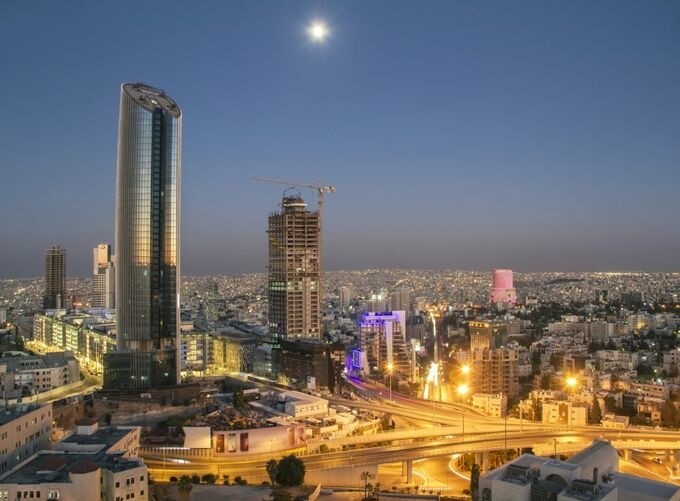
Modern art installations displayed in Amman’s cultural districts

November Works Best When You Stop Calling Indoor Time a Backup

A museum visit planned for the afternoon is not an admission that November weather has defeated the itinerary. Neither is spending longer over lunch or allowing a café to occupy an hour that might have been used for another attraction.

This distinction changes the quality of the trip.

Once indoor experiences are treated as intentional parts of Amman rather than places to hide from cool or wet conditions, there is less pressure to squeeze every historical site and neighborhood walk into the available daylight. You can concentrate the outdoor portions where natural light adds the most value, then allow the city day to evolve rather than abruptly finish.

That rhythm is particularly well suited to November because the season itself encourages contrast: movement followed by stillness, outdoor history followed by contemporary interiors, and brighter daytime exploration followed by a longer urban evening.

A Clear November Morning Is Worth Using

If you wake to good conditions, there is value in recognizing what they offer without turning the morning into a race.

Prioritize something that genuinely benefits from being outside.

This may mean moving a museum until later or postponing a long café stop, not because either experience is less important but because they lose very little when daylight fades. Outdoor locations have less flexibility.

The principle is different from February's weather-responsive planning. There, activities moved because the forecast was uncertain. In November, the issue is primarily allocating limited daylight intelligently.

A clear morning is useful because it provides light, not because you need to panic about what the afternoon might bring.

The Best November Break Has a Purpose

November naturally produces more indoor pauses, but they need not become random waiting periods.

A café can connect two neighborhoods. A museum can occupy a darker part of the afternoon. Lunch can provide enough time for a passing shower to move through without requiring any special strategy.

Think about what the stop contributes.

Indoor Stop What It Adds to a November Day
Museum Cultural depth without consuming valuable outdoor light when timed well
Long lunch Warmth, food and a natural change of pace
Neighborhood café Local atmosphere between walking sections
Gallery Short cultural interval without major logistics
Shopping stop Flexible activity when outdoor conditions are less inviting
Restaurant dinner Extends the city experience beyond daylight

November therefore does not divide neatly into “good-weather sightseeing” and “bad-weather alternatives.” Its strongest days often combine several environments deliberately.

Footwear Starts Mattering for a Different Reason

Comfortable shoes are relevant throughout the Amman cluster because of the city's hills, but November adds another consideration: wet surfaces.

Rain is not guaranteed, yet when it occurs, smooth or sloping streets can require more attention. Footwear with reasonable grip becomes useful without requiring specialized outdoor equipment for ordinary urban sightseeing.

This is another reason to check the forecast shortly before departure rather than packing for every theoretical November condition.

If several dry days are predicted, dress accordingly. If rain is likely, adjust.

Seasonal preparation should support the actual trip rather than turn the suitcase into insurance against every historical possibility.

November Evenings Deserve Their Own Identity

Once daylight fades, there is no reason to treat the remaining hours as leftover travel time.

This is when Amman's restaurants, cafés and social spaces can take over from conventional sightseeing. A city that appeared historical and architectural during the morning becomes more contemporary and personal once the formal itinerary loosens.

Rather than asking what attraction remains open, consider what kind of evening you want.

Perhaps dinner becomes the main event. Perhaps you spend time in a café before eating. Perhaps the evening remains intentionally uncomplicated after a full outdoor morning.

The reduced daylight has not shortened your experience.

It has simply changed what the later hours are good for.

What to Carry on a November City Day

Packing becomes slightly more substantial than in October, but there is still little reason to overcomplicate it.

A practical outer layer, comfortable closed shoes and clothing that works across cooler conditions provide the foundation. Rain protection becomes increasingly sensible when supported by the forecast, while a small day bag remains useful for whatever you do not need continuously.

The objective is to remain comfortable moving repeatedly between outdoors and heated interiors.

That transition—not preparing for extreme winter—is November's practical clothing story.

12 Questions About Amman in November

1. What is the weather like in Amman in November?

November generally brings cooler autumn conditions, with daytime temperatures commonly around the high teens Celsius and noticeably colder evenings. Rain becomes more possible after the dry summer season, although individual stays can still include substantial periods of clear and pleasant weather.

2. Is Amman cold in November?

It can feel cool, particularly early in the morning, after sunset and during unsettled weather, but November should not automatically be treated as deep winter. Comfortable outdoor sightseeing remains possible, especially during brighter daytime periods when conditions are favorable.

3. Does it rain in Amman during November?

Rain becomes increasingly relevant in November, although it does not necessarily dominate a visit. Check short-range forecasts for your dates and carry appropriate protection when needed rather than constructing the entire itinerary around the assumption of continuous wet weather.

4. What should I wear in Amman in November?

Bring layers suitable for cooler autumn weather, including a practical outer layer and comfortable closed footwear. Clothing should work equally well for outdoor sightseeing and indoor restaurants, museums or cafés because November naturally involves frequent transitions between both environments.

5. Do I need a winter coat in November?

That depends on your dates, forecast and personal tolerance to cooler weather. Many travelers may find adaptable autumn layers sufficient during typical conditions, while colder spells can justify something warmer, particularly for evenings or extended periods outdoors.

6. Are November days too short for sightseeing?

No, but daylight deserves more deliberate use. Prioritize outdoor places that genuinely benefit from natural light, then move museums, meals, shopping and cafés into periods when fading daylight has less effect on the quality of the experience.

7. Can I walk around Amman comfortably in November?

Yes, when conditions cooperate. Cooler temperatures can be pleasant for walking, although rain may make some sloping surfaces more demanding. Comfortable shoes with dependable grip are therefore particularly useful if wet weather appears in your forecast.

8. What can I do in Amman when it rains?

Rather than creating a separate rainy-day itinerary, incorporate museums, galleries, restaurants, cafés and shopping naturally into the city plan. These experiences remain worthwhile regardless of weather and can allow outdoor sightseeing to resume later if conditions improve.

9. Are cafés useful for November sightseeing days?

Very much so, but not merely as shelter. A café can provide warmth and rest while also offering an opportunity to experience contemporary Amman at a slower pace, making it a genuine part of the journey rather than time between attractions.

10. Are November evenings cold in Amman?

Evenings can feel distinctly cool compared with daytime, so an appropriate outer layer is useful if you intend to remain outside. Restaurants and cafés allow the city experience to continue comfortably even after outdoor sightseeing becomes less appealing.

11. Should I start sightseeing earlier in November?

There is value in using the stronger daylight for outdoor priorities, particularly if your itinerary includes viewpoints or open-air historical areas. However, there is no need to rush; simply avoid spending the best daylight indoors when those activities could easily move later.

12. What makes November different from October in Amman?

October focuses on managing temperature changes within one long day through intelligent layering. November shifts to indoor-outdoor balance and daylight allocation: museums, cafés, meals and cultural interiors become intentional parts of the itinerary while the strongest daylight is reserved for experiences that genuinely benefit from being outside.

 
Kenan Ungur
Author

A travel professional specializing in tailor-made travel planning, guest experience management, and multi-destination tourism operations.

With over 23 years of experience in the travel industry, he designs and manages private and cultural tours for international travelers across Türkiye, Greece, Egypt, Jordan, Morocco, and other destinations.

He has strong expertise in both online and face-to-face guest communication, sales processes, and end-to-end travel operations.

Working closely with hotels, travel agencies, and local partners, he ensures smooth coordination and high-quality travel experiences at every stage of the journey.

His focus is on delivering personalized, reliable, and seamless travel experiences for international guests worldwide.
Join The Newsletter

To receive our best monthly deals

Magnificent Travel Logo

Magnificent Travel
Usually responds the same day

Magnificent Travel
Welcome to the Magnificent Travel

How may i help you?
Today
+905324935198
X