Jordan Weather in April 2027: Petra, Wadi Rum & Spring Travel Guide
Last Updated: August 9, 2026
April is the month when Jordan's outdoor possibilities stop feeling like an emerging promise and become one of the main reasons to travel.
Petra can occupy a full day without the winter uncertainty that shapes earlier months or the stronger heat that begins influencing later ones. Northern and western landscapes may retain the effects of spring rainfall, nature reserves become increasingly relevant to itinerary planning, and Wadi Rum invites travellers to do more than watch the desert through a vehicle window.
The obvious conclusion is that April has excellent weather.
That is true often enough to be useful, but it is not the most interesting thing about the month.
April's real strength is that culture and landscape can receive almost equal weight. You do not have to build a trip exclusively around Jordan's archaeological highlights, nor do you need a dedicated trekking holiday to justify spending serious time outdoors.
A temple, a trail, a desert and an ancient city can all belong naturally to the same journey.
That freedom makes April powerful.
It also makes the month remarkably easy to overplan.
April Is Spring With More Confidence
March still carries a transitional quality. Conditions can shift noticeably, and the landscape appears to be deciding how quickly it wants to move beyond winter.
April feels more established.
Days are longer, outdoor touring generally becomes easier to organise, and the classic Amman–Petra–Wadi Rum route can expand to include nature without every addition feeling like a logistical compromise.
Regional differences remain important, however.
| Destination | April Character | Why It Works |
|---|---|---|
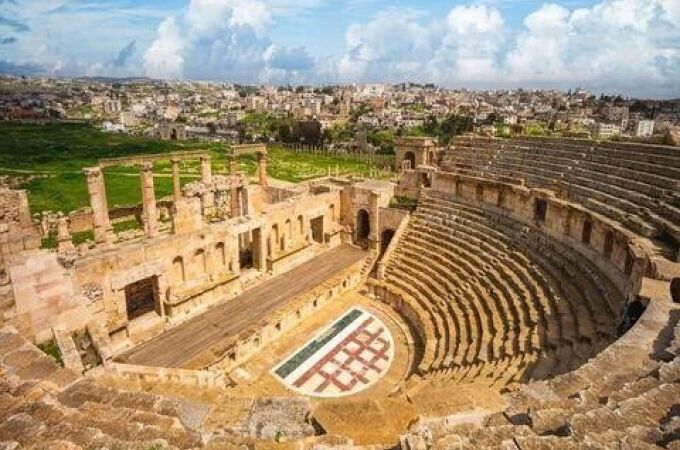
| Amman & Jerash | Established spring | Comfortable cultural touring |
| Dana region | Nature becomes a major draw | Walking and landscapes |
| Petra | Excellent exploration potential | Longer archaeological days |
| Wadi Rum | Strong outdoor conditions | Desert activities and camping |
| Dead Sea | Warmer low elevation | Relaxation after active days |
| Aqaba | Increasingly warm | Red Sea extension |
These are seasonal tendencies rather than guarantees. Rain or unusual conditions remain possible, and travellers planning serious outdoor activities should always check current local information.
April gives you greater confidence.
It should not give you complacency.
Petra Deserves More Than Your Best Weather Day
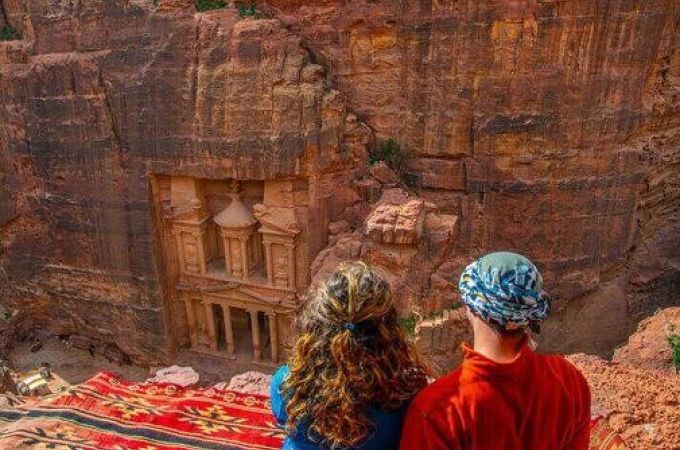
Petra is usually the centrepiece of a first Jordan itinerary, and April gives travellers enough outdoor comfort to explore the site far beyond the familiar Treasury view.
That creates a different planning question.
How much Petra do you actually want?
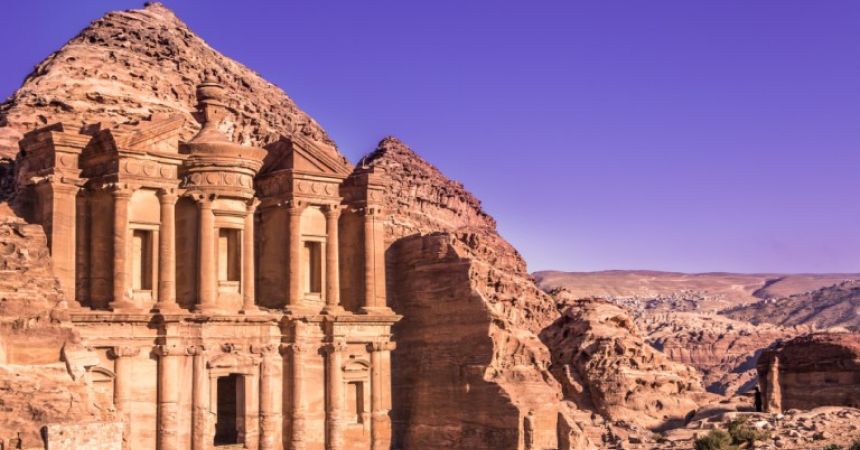
Some visitors will be satisfied with the main archaeological route and a few additional viewpoints. Others want the Monastery, longer trails and enough time for the scale of the site to become part of the experience.
Neither approach is wrong.
What matters is not allowing good conditions to persuade you that every possible route belongs in the same day.
April makes longer exploration possible.
It does not make Petra flat.
Travellers who want to build the journey around archaeology can consider Petra cultural journeys, allowing the site to occupy the itinerary according to its importance rather than treating it as one stop in an increasingly crowded spring schedule.
Spring Popularity Changes the Rhythm
There is another side to favourable conditions.
Other people have noticed them too.
April falls within one of Jordan's attractive travel periods, so major destinations may feel busier than during winter. Petra in particular can receive substantial visitor numbers, and pretending otherwise would create unrealistic expectations.
The solution is not to become obsessed with finding an empty Treasury.
That photograph is increasingly difficult to promise in any popular destination.
Instead, use time intelligently.
Start earlier when practical, move beyond the most concentrated areas and remember that Petra is enormous. Visitor density often changes considerably once you stop standing exactly where everyone arrives first.
A crowded famous viewpoint does not mean the entire archaeological city feels the same.
Dana Gives April a Different Kind of Jordan
This is where April begins separating itself clearly from a standard archaeological itinerary.
Jordan's nature reserves and western landscapes allow travellers to experience the country through terrain rather than monuments. Dana is particularly valuable because it introduces dramatic changes in elevation, geology and habitat within a journey otherwise dominated by historical sites.
Travellers interested in Dana nature walks should choose routes according to fitness, current conditions and appropriate local guidance rather than assuming every trail is suitable simply because April is a strong outdoor month.
The reward is contrast.
After Roman ruins and Nabataean architecture, a day focused primarily on landscape can reset the entire trip.
Wadi Rum Becomes an Activity Destination
Wadi Rum is spectacular even if you do very little.
April simply gives you more reasons to do something.
A 4x4 exploration remains one of the most practical ways to understand the scale of the desert, but walking, climbing-related experiences and longer outdoor programmes may become more appealing depending on your interests and experience.
The mistake is turning Wadi Rum into an adventure checklist.
You do not need a jeep tour, long hike, camel ride, climbing experience and another activity before sunset to justify being there.
Leave time for the desert to be empty.
Travellers looking for a more substantial southern experience can consider Wadi Rum adventures, but the strongest itinerary should still contain periods when nothing more ambitious happens than tea, conversation and watching the light change across sandstone.
The Dead Sea Has a New Job in April
After several active spring days, the Dead Sea becomes particularly useful.
Not because April requires an escape from difficult weather, but because the itinerary may require an escape from your own enthusiasm.
Petra walking, Dana trails and Wadi Rum activities can accumulate quickly.
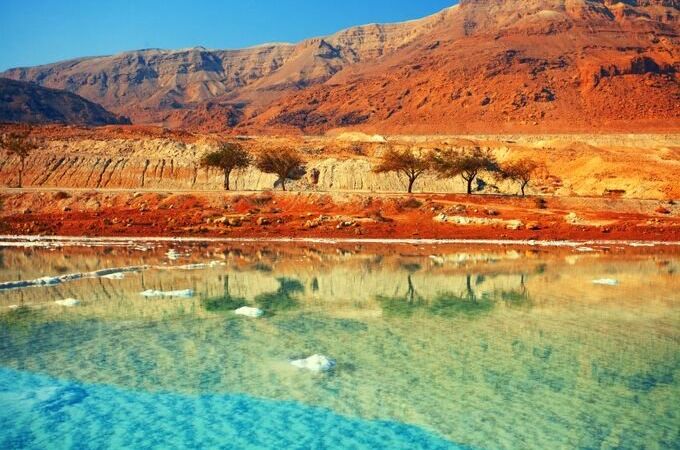
A slower Dead Sea stay creates contrast without feeling disconnected from the journey. You can enjoy resort facilities, experience the unusual landscape and give your legs an afternoon in which their most demanding responsibility is reaching lunch.
For travellers combining culture and downtime, Jordan wellness stays can work particularly well at this point in the route.
Rest is not something you earn by becoming exhausted.
It is how you avoid becoming exhausted.
April Rewards Selectivity
This is the paradox of travelling through Jordan during a strong spring month.
So much works that you have to become better at saying no.
Petra deserves time. Dana deserves time. Wadi Rum deserves time. Amman and Jerash can easily occupy several days, while the Dead Sea and Aqaba each offer completely different endings.
Trying to include all of them in a short itinerary does not take advantage of April.
It wastes the advantage.
Choose whether nature is a supporting element or one of the main purposes of the journey. Decide how important longer Petra exploration really is. Give Wadi Rum enough time to feel like a desert stay rather than an excursion between hotels.
Travellers wanting a broader route can explore Jordan spring tours, but even a comprehensive itinerary should protect the spaces between major experiences.
April gives Jordan room to expand beyond its monuments.
Your itinerary needs enough room to let it.
Three Big Landscapes Should Not Become One Long Day
Petra, Dana and Wadi Rum look wonderfully compatible when you build an itinerary on a screen.
All three belong naturally to a journey through southern Jordan. Each offers excellent outdoor experiences in April, and the road between them is manageable enough to encourage ambitious planning.
The problem appears when you experience them rather than map them.
Petra is physically demanding because of its scale. Dana asks you to engage with terrain and elevation. Wadi Rum may involve less continuous walking if you explore by 4x4, but a full desert programme still occupies time and energy.
Put the most demanding version of all three back-to-back and the final destination may receive whatever enthusiasm remains.
April gives you favourable conditions for being active.
That does not mean every day should test how active you can be.
Decide Which Landscape Gets the Longest Walk
A simple decision can improve the entire route.
Choose where walking matters most.
If Petra is the centrepiece, give it the substantial walking day and approach Dana more selectively. A shorter nature experience can still introduce the reserve's landscape without turning the following Petra visit into an exercise in tired legs.
If hiking is one of the main reasons you chose April, reverse the emphasis. Give Dana the stronger walking programme and explore Petra at a more moderate pace, perhaps allowing additional time rather than trying to cover its longest routes immediately afterwards.
Wadi Rum then provides another opportunity to change the physical rhythm because much of the desert can be explored by vehicle with selected walks added along the way.
The itinerary becomes stronger when every destination has a different job.
Petra Is Archaeology Inside a Landscape
One reason travellers underestimate Petra's physical demands is that it is usually categorised as sightseeing.
That description is technically correct and practically incomplete.
Petra requires movement through a vast archaeological environment. Even without choosing a dedicated trail, you can accumulate substantial distance between the entrance, Siq, Treasury, central sites and additional monuments.
Add the Monastery or elevated viewpoints and the day changes considerably.
April's generally favourable outdoor conditions make those additions tempting, but your choices should reflect the rest of the route. There is little benefit in exhausting yourself at Petra if tomorrow contains the hike you have been anticipating for months.
Sometimes leaving one viewpoint unseen is excellent itinerary planning.
Dana Should Feel Different From Petra
Dana's value within an April journey comes partly from contrast.
There are no globally famous façades waiting at the end of every path, and that changes the reason for walking. Attention moves towards geology, elevation, vegetation and the experience of travelling through the landscape itself.
Allow that difference to remain.
If you approach Dana with the same “what are the must-see stops?” mentality used for an archaeological site, you risk turning a nature experience into another checklist.
The better question is what kind of time outdoors you want.
That might be a substantial hike, a shorter guided walk or simply enough time to appreciate the environment before continuing south.
April makes several approaches possible.
You only need one.
Let Wadi Rum Lower the Tempo
Wadi Rum is where this three-landscape sequence can breathe.
After Petra and Dana, there is no requirement to prove your commitment to outdoor travel with another long walk. A well-paced desert day can use a 4x4 to cover distance, include short walks where they add something and leave enough time to experience the camp and sunset without watching the clock.
This does not make Wadi Rum less active.
It makes the activity appropriate to the place.
Moving slowly through a canyon or walking a short distance away from the vehicle can reveal more than rushing through a long list of formations simply because they appear on a standard excursion.
The desert benefits from pauses.
Give it some.
Use the Dead Sea as Punctuation
If the route continues north after Wadi Rum, the Dead Sea can function almost like punctuation at the end of an active section.
You have spent several days looking at landscapes, walking through archaeological sites and moving between very different environments. Arriving somewhere that asks very little of you changes the emotional rhythm of the trip.
Stay long enough for that change to register.
A two-hour stop can provide the famous floating experience, but an overnight stay gives you an evening without another transfer and a morning that does not begin with archaeological objectives.
That can be surprisingly valuable in April, precisely because the month makes it so easy to keep adding activities.
A Strong Spring Itinerary Has Contrast Built In
The best April route is not necessarily the one with the greatest number of outdoor experiences.
It is the one where those experiences remain distinct.
Petra should feel archaeological even when the walking is substantial. Dana should shift attention towards nature. Wadi Rum should open the horizon and change the pace, while the Dead Sea can provide a deliberate period of recovery.
When those roles are clear, you do not need to maximise every destination.
A longer Petra day can be followed by a gentler Dana experience. A demanding Dana hike can justify a slower Petra programme. Wadi Rum can combine vehicle exploration with selected walking instead of becoming another full trekking day.
April gives you enough good options to make restraint difficult.
That restraint is exactly what produces the better journey.
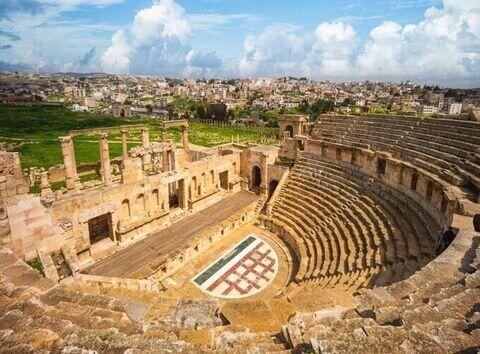
April's Best Conditions Are Not a Secret
There is an unavoidable reality about travelling through Jordan in April: many of the reasons you find the month attractive are exactly the reasons other travellers choose it too.
Comfortable outdoor conditions, established spring landscapes and the ability to combine archaeological sightseeing with nature make April one of the more appealing periods for a broad Jordan itinerary. Petra, Wadi Rum and other major destinations can therefore feel busier than they do during winter.
This does not make April a month to avoid.
It simply changes what good planning looks like.
The objective should not be to manufacture the illusion that you have Jordan to yourself. It is to protect the experiences that matter most while leaving enough flexibility for the journey to remain enjoyable.
Petra Has a Visitor Flow, Not One Crowd Level
Petra is often described as either crowded or quiet, as though every part of the archaeological city shares the same visitor density throughout the day.
It does not.
The entrance, Siq and Treasury naturally concentrate visitors because almost everyone follows that route. Once you continue deeper into the site, movement begins to spread across a much larger archaeological landscape.
This is another reason to give Petra sufficient time in April.
If your schedule allows only a short visit, you are more likely to experience precisely the areas where visitors are most concentrated. A longer day gives you the freedom to continue beyond them, stop when something interests you and avoid treating every busy moment as evidence that the entire site is overcrowded.
Starting earlier can help, but timing alone is not magic.
Petra becomes more rewarding when you have somewhere to go after everyone has photographed the Treasury.
Choose Accommodation for the Journey You Are Actually Taking
April availability can encourage travellers to compare hotels primarily by price or star category.
Location deserves equal attention.
If Petra is central to the itinerary, convenient accommodation can simplify an early start and make the end of a long walking day considerably easier. Saving a small amount on a property that adds unnecessary transfers may not feel like much of a saving when your legs have spent hours exploring the archaeological site.
Wadi Rum requires a different calculation.
The camp is part of the experience rather than simply somewhere to sleep, so understand what you are booking. Location, accommodation type, meals, facilities and the structure of included desert activities can vary.
A photograph of a beautiful tent does not explain the entire stay.
Reserve the Inflexible Parts First
Good advance planning does not mean deciding months beforehand exactly where you will drink coffee at 3:15 p.m.
It means identifying which elements become difficult to replace.
International flights obviously matter. So do accommodation choices when a particular location or style is important. Specialist guided walks, certain nature experiences and preferred Wadi Rum camps may also deserve earlier attention during popular periods.
Once those pieces are secure, resist the urge to reserve every remaining hour.
April is too good outdoors for an itinerary that cannot respond to an unexpectedly beautiful afternoon.
Popular Does Not Mean Ruined
There is a peculiar tendency in modern travel advice to treat other travellers as evidence that a destination has somehow been spoiled.
Jordan's major sites are famous for good reasons.
Standing in front of the Treasury with other visitors does not reduce its archaeological importance, just as sharing a viewpoint does not make the landscape smaller. What matters more is whether your itinerary gives you enough time to move beyond the most concentrated moments.
The same principle applies in Wadi Rum.
Popular sunset areas may attract several vehicles, but the desert is enormous. A well-designed experience can still contain silence, open space and long stretches where attention returns to the landscape rather than the people around you.
Don't Schedule April to the Minute
The irony of travelling during favourable weather is that people often create itineraries too rigid to enjoy it.
Breakfast at 7:00. Departure at 7:45. Attraction at 8:30. Lunch at 12:15. Transfer at 13:00.
Everything technically works until you find somewhere you want to stay longer.
April is precisely the month when that is likely to happen. A viewpoint may be particularly clear. A trail may be more enjoyable than expected. Lunch outside may turn into the hour you remember better than the attraction scheduled afterwards.
Leave margin.
Not enormous empty days, necessarily, but enough space that an additional thirty minutes somewhere does not create anxiety about everything that follows.
Planning Ahead Should Buy You Freedom
This is the distinction worth remembering.
You organise the important components in advance so that you can relax once you arrive.
Secure the accommodation that makes the route work. Protect the Petra time you consider essential. Arrange specialist outdoor experiences when they matter, and understand what your Wadi Rum stay actually includes.
Then stop planning.
April already provides the raw material for an excellent Jordan journey: spring landscapes, long outdoor days, archaeological depth and desert experiences that do not need to be squeezed around seasonal extremes.
The itinerary should create room for those advantages rather than controlling every minute of them.
Who Gets the Most From Jordan in April?
April is particularly well suited to travellers who do not want to choose between Jordan's archaeology and its landscapes.
You can devote serious time to Petra, explore Roman heritage farther north, include a nature experience and spend a night beneath the Wadi Rum sky without building the entire itinerary around seasonal limitations. The challenge is rarely finding enough to do.
It is deciding what deserves your time most.
Travellers who enjoy walking, cultural sightseeing and varied landscapes will find plenty of reasons to consider April, provided they accept that attractive spring conditions can also bring stronger demand at Jordan's best-known destinations.
Frequently Asked Questions About Jordan in April
1. Is April a good time to visit Jordan?
Yes. April is particularly attractive for travellers who want to combine archaeological sightseeing with nature and outdoor experiences. Spring is well established, daylight supports longer touring days, and destinations such as Petra, Dana and Wadi Rum can fit naturally into the same itinerary.
2. What is the weather like in Petra in April?
April generally brings increasingly comfortable spring conditions to Petra, although temperatures can still change between morning and afternoon. Because the archaeological site involves extensive outdoor walking and different elevations, layers, comfortable footwear and sun protection remain more useful than dressing according to one average temperature.
3. Is April good for exploring Petra?
Yes. April can provide excellent conditions for travellers wanting to explore beyond the Treasury and spend substantial time inside the archaeological landscape. Longer routes still require realistic planning, appropriate footwear and enough energy, particularly when the Monastery or elevated viewpoints are included.
4. Is Jordan crowded in April?
April falls within an attractive spring travel period, so major destinations such as Petra can receive significant visitor numbers. Crowds vary by day and location, however, and Petra's large archaeological area often feels different once visitors move beyond its most concentrated entrance and Treasury sections.
5. Is April good for hiking in Jordan?
April can be an excellent month for walking and nature-focused travel, but trail choice should reflect fitness, current conditions and appropriate local guidance. Travellers combining hiking with Petra should remember that archaeological sightseeing itself can involve substantial physical effort.
6. Is Dana worth visiting in April?
Yes, particularly for travellers who want Jordan's landscapes to play a meaningful role in the journey. Dana can provide a strong contrast with archaeological sightseeing, although the appropriate walking programme depends on available time, fitness, trail conditions and the wider itinerary.
7. Is Wadi Rum good in April?
April can provide favourable conditions for exploring Wadi Rum through a combination of 4x4 touring, walking and an overnight desert stay. Temperatures can still change after sunset, so travellers should check current conditions and pack appropriate layers for the evening.
8. Can I swim in the Dead Sea in April?
April can offer increasingly appealing conditions for enjoying the Dead Sea, although swimming comfort always depends on actual weather and personal preference. The destination also works well as a slower stop after physically demanding days in Petra, Dana or Wadi Rum.
9. Is Aqaba worth adding in April?
Aqaba can be a good addition when Red Sea activities or several relaxing coastal days genuinely matter to you. On shorter trips, however, including Aqaba alongside Amman, Petra, Dana, Wadi Rum and the Dead Sea may create unnecessary movement.
10. What should I pack for Jordan in April?
Bring comfortable walking clothing, reliable footwear, sun protection and layers for temperature changes between regions and times of day. Travellers planning nature walks should also pack according to the specific activity rather than assuming ordinary sightseeing clothing will suit every trail.
11. How far in advance should I plan an April trip?
If particular hotels, Wadi Rum camps or specialist outdoor experiences matter to you, arranging the essential components earlier can provide better choice during a popular spring period. There is no need, however, to schedule every meal and sightseeing hour before arrival.
12. Is April or May better for Jordan?
April has a stronger established-spring identity and works particularly well for travellers combining culture, nature and substantial outdoor activity. May moves Jordan towards warmer late-spring conditions and requires a different daily rhythm, so the two months should not be treated as interchangeable.

A travel professional specializing in tailor-made travel planning, guest experience management, and multi-destination tourism operations.
With over 23 years of experience in the travel industry, he designs and manages private and cultural tours for international travelers across Türkiye, Greece, Egypt, Jordan, Morocco, and other destinations.
He has strong expertise in both online and face-to-face guest communication, sales processes, and end-to-end travel operations.
Working closely with hotels, travel agencies, and local partners, he ensures smooth coordination and high-quality travel experiences at every stage of the journey.
His focus is on delivering personalized, reliable, and seamless travel experiences for international guests worldwide.