Petra in February Is a Landscape You Need to Read
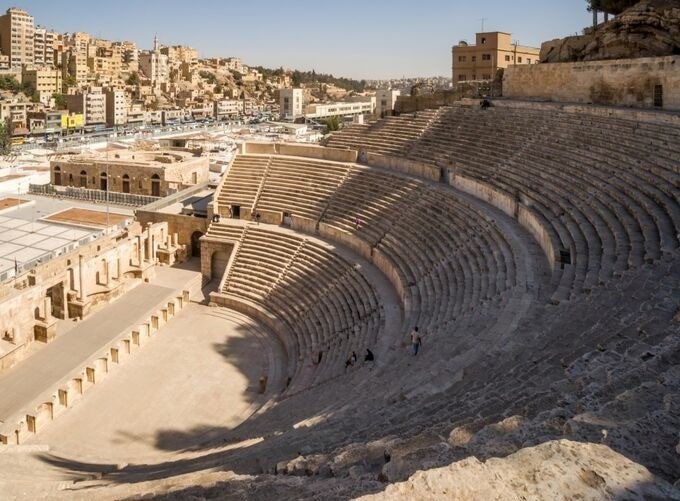
After Rain, Slower Can Mean Better
When surfaces are damp, the instinctive response is often to think only about safety and inconvenience. There is another consequence worth considering: you naturally move more deliberately.
In Petra, that is not necessarily a disadvantage.
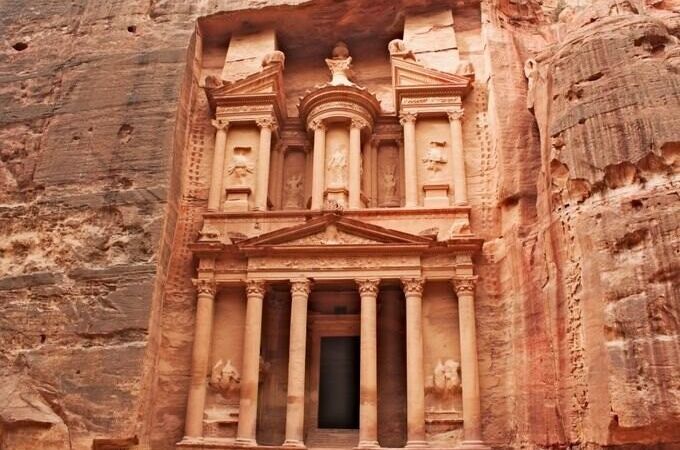
A slower pace gives you more time to notice the details that disappear when the visit becomes a race between major monuments. Water channels carved into sandstone, variations in rock texture, smaller façades and traces of ancient infrastructure become easier to notice when you are paying attention to the ground and surroundings rather than concentrating entirely on the next destination.
This does not mean difficult conditions should be romanticized. If authorities advise against a route or close part of the site, that decision should be followed without hesitation. However, when Petra remains safely accessible after ordinary rainfall, a less ambitious route can still produce an exceptionally rewarding archaeological day.
Build the Day Around What Is Open, Not What Was Promised
A printed itinerary creates expectations before you reach Petra. February sometimes requires those expectations to remain flexible.
Suppose you planned a substantial trail extension but discover that recent weather has affected access. The wrong response is to spend the day feeling that you received a reduced version of Petra. The more productive approach is to redistribute that time across the archaeological areas that remain safely accessible.
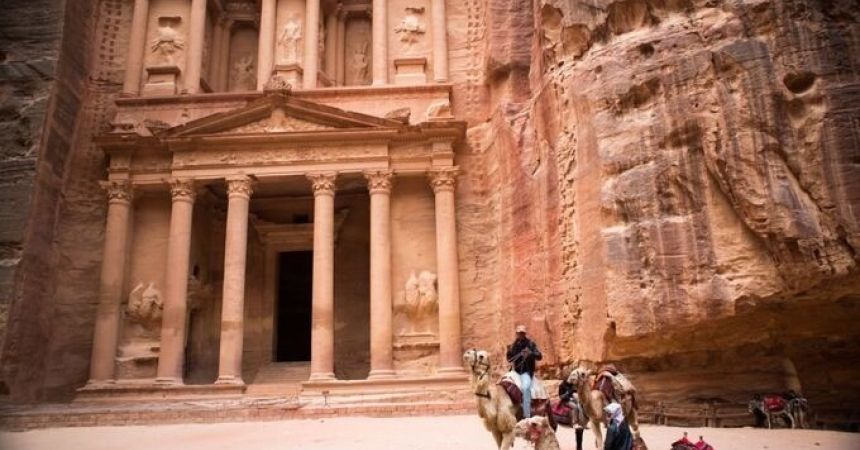
You might linger over the Royal Tombs, spend longer understanding the main urban corridor or pay more attention to Nabataean water engineering that you would otherwise have walked past.
This is one of Petra's great advantages: route flexibility does not automatically mean experience loss.
The archaeological city contains enough depth that a shorter geographical journey can still become a richer intellectual one.
Watch the Return Route as Carefully as the Outbound One
Visitors naturally assess conditions while moving deeper into Petra, but the route back deserves equal consideration.
A surface that was merely damp earlier can feel different after further rainfall, while fatigue makes uneven terrain more demanding later in the day. Descending steps also requires different footing from climbing them, particularly when stone is wet.
Allow enough time for the return rather than calculating the day according to how quickly you reached the farthest point.
February rewards travelers who preserve a little margin.
Not because every day will become complicated, but because archaeological landscapes are more enjoyable when you are not forced to rush through changing ground conditions as daylight begins to fade.
What Should Change After Overnight Rain?
Rather than automatically cancelling plans, make a few targeted checks.
| Morning Observation | Useful Decision |
|---|---|
| Site operating normally | Begin with the main accessible route |
| Recent rainfall reported | Ask about current trail conditions |
| Some routes restricted | Rebuild the day around open areas |
| Wet stone underfoot | Reduce pace and take extra care on steps |
| Weather deteriorating | Follow official guidance rather than itinerary ambition |
| Conditions improving | Do not assume closed routes have reopened; confirm first |
This decision table belongs specifically to February's search intent because it answers what travelers actually need after winter weather: not “Is Petra rainy?” but “What should I do differently today?”
Leave the Sandstone Where Petra Put It
Wet conditions also make responsible site behavior particularly important.
Avoid creating improvised shortcuts around muddy areas, stepping onto archaeological remains to keep shoes dry or leaving established routes simply because another surface appears easier. Fragile landscapes do not become less fragile because the official path is inconvenient.
The same principle applies when photographing water moving through the site. Observe from appropriate locations and follow instructions rather than approaching drainage areas for a more dramatic image.
Petra's water story is fascinating precisely because the landscape has shaped human life here for centuries. It deserves curiosity without unnecessary interference.
February Can Reveal a Different Petra
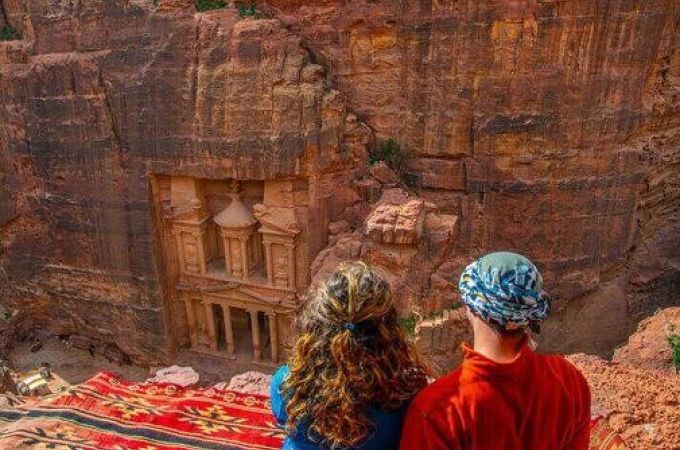
When conditions are safe and the weather begins clearing, the hours after rainfall can produce a visual character quite unlike the dry, sun-bleached Petra familiar from many photographs.
Sandstone may appear deeper in color, surfaces can hold greater contrast, and the relationship between water and the surrounding terrain becomes much easier to comprehend.
That does not make February “better,” and we should resist that comparison because it belongs to the Best Time to Visit Petra intent.
It simply makes February distinctive.
This month's experience is about recognizing that Petra is not a static collection of ruins. It remains a physical landscape shaped by geology, water and weather, and visitors move through that landscape rather than merely looking at it.
12 Practical Questions About Petra in February
1. What is the weather like in Petra in February?
February remains part of Petra's winter, bringing cool daytime conditions, colder nights and the possibility of rain. Individual weather systems can vary considerably, making the short-range forecast more useful for an actual visit than relying exclusively on historical monthly averages.
2. Does it rain in Petra in February?
Yes, rainfall is possible during February, although this does not mean every visit will be wet. What matters particularly in Petra is how rainfall affects terrain, drainage and access, so visitors should consider recent conditions as well as the forecast for the day itself.
3. Can rain close Petra?
Severe or potentially hazardous weather can result in access restrictions or closures when authorities consider them necessary. Visitors should rely on current official information and instructions rather than assuming the site or a particular trail will remain accessible because conditions appear manageable elsewhere.
4. Can I visit Petra after it has rained?
Potentially, provided the site is operating normally and the routes you intend to use are open. Recent rainfall can leave wet, muddy or slippery surfaces, so ask locally about current conditions and adapt your walking plans accordingly.
5. Is the Siq safe when it rains?
The Siq is part of a landscape where water management and flash-flood risk must be taken seriously. Visitors should never make an independent safety judgment based only on visible rainfall; follow official site instructions, warnings and any access restrictions in place.
6. What shoes should I wear in Petra in February?
Choose supportive walking shoes with reliable traction and enough comfort for substantial distances. Some weather resistance can be useful, but grip is particularly important because stone, steps and uneven surfaces may become more challenging when wet.
7. Do I need waterproof clothing?
That depends on the forecast for your travel dates. A practical weather-resistant outer layer can be valuable when rain is expected, but remember that Petra involves extensive walking, so clothing should remain breathable and comfortable during sustained physical activity.
8. Are Petra's trails muddy after rain?
Some unpaved areas can become softer or muddier, while stone surfaces and steps may remain damp or slippery. Conditions vary significantly by route, which is why checking locally is more useful than assuming the entire archaeological site will behave in the same way.
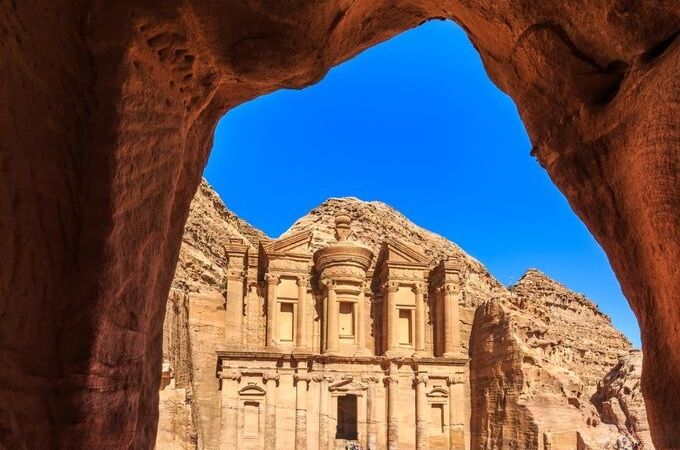
9. Can I visit the Monastery after rain?
Do not decide from historical February conditions alone. The route involves substantial walking and many steps, so suitability should be judged according to current access, surface conditions, weather and official advice on the actual day of your visit.
10. Should I change my Petra itinerary if rain is forecast?
Possibly, but an immediate cancellation is not always necessary. Start with official information and the current forecast, then prioritize accessible areas and keep demanding extensions conditional. If authorities issue warnings or restrictions, those instructions should determine the plan.
11. Is Petra worth visiting if some trails are closed?
Petra's main archaeological landscape contains far more than any single trail. If certain extensions are unavailable, safely accessible areas can still provide substantial historical and architectural depth, particularly when you use the additional time to explore them more attentively.
12. What makes February different from January in Petra?
January focuses on winter temperature contrasts within Petra, particularly the changing sensation between cold mornings, shaded sandstone, sunny areas, movement and stationary stops. February owns a different problem: water and route conditions, explaining how rain, runoff, wet surfaces and recent weather can influence where and how you explore the archaeological landscape.

A travel professional specializing in tailor-made travel planning, guest experience management, and multi-destination tourism operations.
With over 23 years of experience in the travel industry, he designs and manages private and cultural tours for international travelers across Türkiye, Greece, Egypt, Jordan, Morocco, and other destinations.
He has strong expertise in both online and face-to-face guest communication, sales processes, and end-to-end travel operations.
Working closely with hotels, travel agencies, and local partners, he ensures smooth coordination and high-quality travel experiences at every stage of the journey.
His focus is on delivering personalized, reliable, and seamless travel experiences for international guests worldwide.