Wadi Mujib Is Not a Sightseeing Stop You Happen to Walk Through
Updated: August 2026
Wadi Mujib looks deceptively simple when it appears between other Jordan destinations.
The reserve lies close enough to the Dead Sea that travelers can easily imagine adding it to the same part of the itinerary: spend a few active hours in the canyon, change clothes, continue to the water or hotel and congratulate yourself on having transformed a transfer day into an adventure.
For the right traveler, that can work extremely well.
For somebody who dislikes moving through water, feels uncomfortable on slippery rock, expects a conventional walking trail or assumes that every Jordan attraction can be visited in ordinary sightseeing clothes, Wadi Mujib may feel like a completely different trip from the one they believed they booked.
That is why Wadi Mujib should be chosen according to the experience itself, not because its geography makes it convenient.
Depending on the route available and current operating conditions, canyon experiences can involve walking and moving through water, negotiating wet rock, using fixed ropes or other aids and accepting that your clothes and footwear may finish the activity considerably wetter than they began.
For active travelers who enjoy that combination, Wadi Mujib can provide one of Jordan's most memorable contrasts.
For everyone else, passing nearby without entering the canyon is not a missed obligation.
Wadi Mujib Is Active Travel, Not Archaeological Walking
Jordan itineraries contain a great deal of walking, which can cause travelers to overestimate how directly their experience elsewhere prepares them for Wadi Mujib.
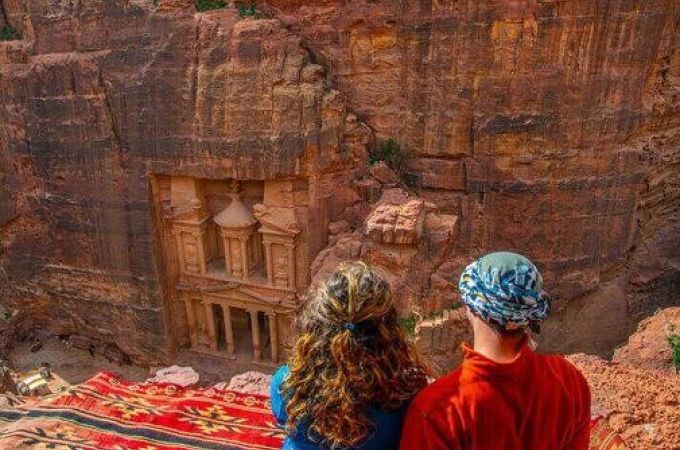
Spending several hours inside Petra demonstrates stamina.
Walking the ancient streets of Jerash demonstrates that you can remain on your feet for a substantial part of the day.
Neither experience is exactly the same as moving through a canyon where water, wet surfaces and physical obstacles can become part of the route.
This distinction matters because fitness has more than one dimension.
A traveler may comfortably walk twelve kilometers on dry ground yet dislike using upper-body strength to steady themselves on a wet section. Another may be extremely active but uncomfortable when they cannot clearly see the riverbed beneath moving water.
Wadi Mujib therefore asks a different question from Dana.
Dana asks whether you enjoy giving substantial time to hiking and natural landscapes.
Wadi Mujib asks whether you enjoy participating physically in the landscape.
The difference is much larger than both places appearing under the category of outdoor Jordan.
The Water Is Not Something You Walk Beside
Photographs can understate how central water is to the experience.
Travelers sometimes imagine a canyon walk where occasional pools provide visual interest while the route remains mostly dry. Depending on the specific experience and current conditions, water can instead become an integral part of how you progress through the canyon.
That means clothing, footwear and personal comfort with water matter from the beginning.
You should expect suitable clothing to become wet and select items accordingly rather than discovering halfway through the experience that the carefully chosen sightseeing outfit was never intended for this job.
The same applies to valuables.
Phones, cameras, wallets and other items that dislike water require appropriate protection, and travelers should confirm what facilities or storage arrangements are currently available rather than building plans around assumptions.
This sounds less glamorous than describing canyon walls.
It is also considerably more useful once you are standing at the entrance.
Being Able to Swim and Being Comfortable in Water Are Different Things
A traveler may technically know how to swim while remaining uncomfortable when water conditions, depth, movement and canyon surroundings differ from a swimming pool.
That distinction deserves respect.
Specific requirements can vary by route and current operating arrangements, so travelers should check official or local guidance for the activity they intend to undertake. Where buoyancy equipment or other safety gear is supplied or required, instructions should be followed rather than treated as optional accessories.
The more important self-assessment is whether water makes you nervous.
A little uncertainty about a new activity is normal, but if the idea of moving through a wet canyon already causes significant anxiety before the trip, choosing Wadi Mujib simply because other travelers call it exciting may not produce the experience you want.
Adventure is enjoyable when the challenge feels engaging.
Once challenge becomes sustained discomfort, the word adventure is doing too much public-relations work.
Wadi Mujib Needs Seasonal Flexibility Built Into the Plan
Unlike an archaeological monument that generally remains in the itinerary throughout the year subject to normal site operations, water-based canyon activities can depend much more heavily on seasonal conditions, weather, water levels and current safety decisions.
This means travelers should not treat a particular trail description found online several months or years earlier as a permanent operating schedule.
Access can change.
Specific routes may not operate throughout the entire year, and conditions can influence whether an activity is available even when the wider reserve remains part of the destination.
For this reason, Wadi Mujib should never be the single irreplaceable component holding an entire Jordan itinerary together.
Confirm the current situation close enough to travel that the information is meaningful, and maintain a sensible alternative if conditions make the preferred activity unavailable.
Nature has very little interest in the fact that your itinerary was finalized in January.
Physical Confidence Matters More Than Athletic Ambition
Some travelers approach active experiences competitively.
Once they discover that Wadi Mujib has routes of varying physical demand, the instinct is to choose whichever sounds hardest because completing the most difficult option appears to promise the most rewarding experience.
That is not necessarily how canyon travel works.
A route that pushes you slightly beyond your comfort zone can be exhilarating, while one that repeatedly forces you into movements you dislike can reduce enjoyment even if you technically complete it.
Fitness, balance, confidence on wet surfaces, previous outdoor experience and willingness to follow guide or staff instructions should all influence the decision.
For Jordan Active Tours, the strongest program is therefore not automatically the one containing the most demanding activity; it is the one where the level of challenge matches the travelers closely enough that the experience remains exciting rather than becoming something they simply endure until the exit.
Footwear Can Decide Whether the Canyon Feels Adventurous or Irritating
This is one destination where shoes deserve more thought than they receive on a conventional cultural day.
Ordinary sandals designed for a hotel pool may not provide the grip or security required for wet rock and uneven canyon surfaces, while heavy shoes that retain large amounts of water may become cumbersome once soaked.
The correct choice depends on the route and current operator requirements, so specific advice should be confirmed before the visit.
What remains consistent is that footwear needs to function when wet.
A shoe that performs beautifully on dry pavement tells you very little about how it behaves on a slippery surface.
Travelers sometimes focus heavily on clothing because they know they will get wet, then wear whatever footwear happens to be easiest to pack.
At Wadi Mujib, the reverse priority often makes more sense.
Nobody remembers whether your shirt coordinated perfectly with the canyon.
You will remember every step if your shoes are sliding.
The Experience Needs a Change-of-Clothes Strategy
Wadi Mujib is one of those activities that continues influencing the itinerary after the official experience has ended.
If you are wet, changing clothes becomes part of the day.
If the next destination involves a hotel check-in nearby, the logistics may be easy. If you intend to spend several hours in a vehicle afterward, practical changing and dry clothing become considerably more important.
A small bag containing dry clothes, basic toiletries where useful and something appropriate for the next stage of travel can therefore make the transition much easier.
The exact arrangements depend on current facilities and the specific tour program, which should be checked beforehand.
What should be avoided is the assumption that you will somehow emerge completely dry because the itinerary says “hiking.”
This is not Dana with a little extra humidity.
The water is part of the activity.
The Dead Sea Is Nearby, but It Should Not Be Used to Pretend the Experiences Are the Same Day
Geographical convenience naturally encourages Wadi Mujib and the Dead Sea to be combined.
That can work beautifully when the day has enough room.
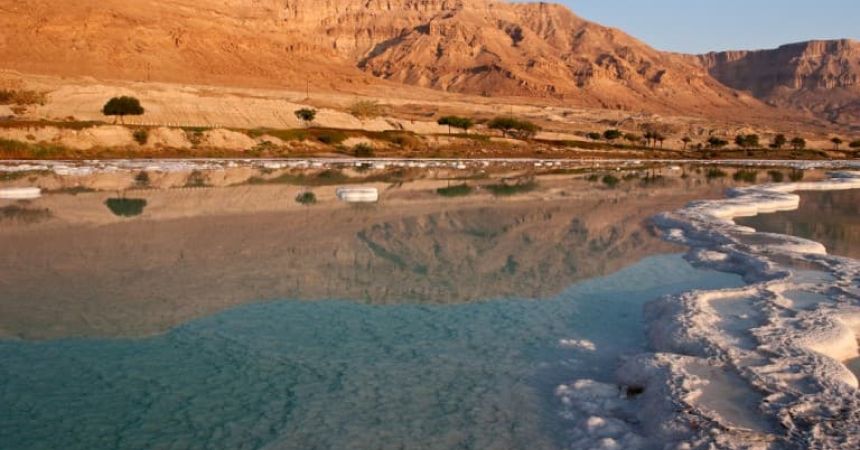
The two experiences also complement each other in an almost suspiciously convenient way: one is active and physically engaging, while the other can provide a much slower period afterward.
The danger is overpacking the day because the destinations appear close.
A Wadi Mujib activity requires arrival procedures, preparation, the canyon experience itself, changing afterward and whatever recovery time the travelers actually need. The Dead Sea then requires its own practical sequence if swimming or resort access is planned.
Our Dead Sea page owns the separate decision of whether that destination should be a short stop or an overnight stay.
Here, the relevant lesson is simply that proximity removes road time; it does not remove activity time.
Combining two experiences does not compress either one automatically.
Do Not Put Wadi Mujib Before an Ambitious Petra Day Without Thinking About Your Legs
Wadi Mujib and Petra involve different physical demands, yet fatigue still accumulates across the same body.
If the canyon experience has been energetic, the following morning may not be the ideal time to begin the longest version of your Petra visit unless you are accustomed to consecutive active days.
For very fit travelers, this sequence may be perfectly enjoyable.
For others, it can cause a preventable problem where Petra receives less energy because yesterday's activity was underestimated.
This is why Jordan Hiking Tours should be designed across several days rather than evaluating every activity independently.
A program can contain appropriate individual experiences and still be poorly paced when all of them are placed consecutively.
Recovery belongs in the itinerary even when it does not have an attraction name.
Wadi Mujib Should Not Be the “Active Version” of Dana
Dana and Wadi Mujib must remain strictly separated inside the Jordan cluster because their audiences overlap without their experiences being interchangeable.
Dana is the stronger choice for travelers who want sustained hiking, landscape immersion and enough time for the natural environment to define a substantial portion of the day or overnight stay.
Wadi Mujib appeals more strongly to travelers who want a concentrated canyon experience where water and direct physical interaction with the terrain can be central.
Someone may prefer both.
Someone may prefer neither.
Someone who loves six-hour mountain walks may surprisingly dislike wet canyon movement, while an adventurous traveler who has little patience for long hikes may adore Wadi Mujib precisely because the experience feels immediate and physical.
Putting both under “Jordan adventure” is useful commercially.
Treating them as duplicate activities is not.
Wadi Mujib Is Also Not Wadi Rum With Water
The distinction may sound obvious, although generic Jordan content often groups the two destinations simply because both look dramatic in photographs.
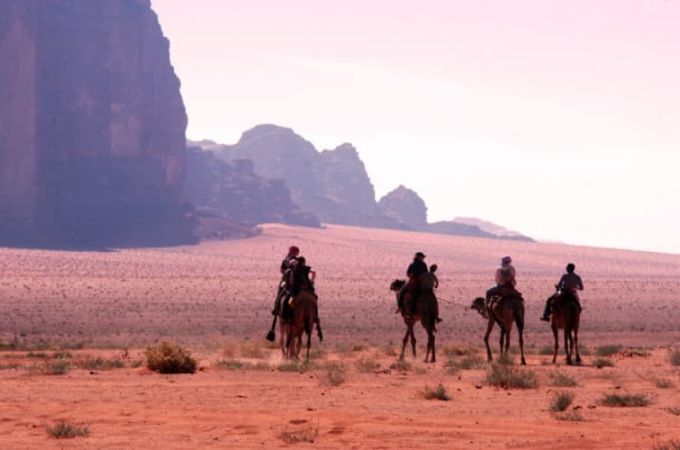
Wadi Rum's central first-time decision concerns whether the desert should remain a daytime landscape or become an overnight experience involving sunset, darkness and morning.
Wadi Mujib's decision concerns physical suitability.
You do not need to spend the night inside the canyon to understand it, and the primary value does not emerge after everybody stops moving.
The experience exists through movement itself.
This makes the two destinations excellent complements on an active Jordan journey because they create very different relationships with natural landscape.
One expands space around you.
The other narrows it dramatically.
That contrast is far more interesting than calling both adventurous and moving on.
A Shorter Canyon Experience Can Be Better Than the One Everyone Posts Online
Travelers often discover Wadi Mujib through photographs or videos of particular trail sections, which can create the impression that only one version of the experience is worth doing.
That is a poor way to select an outdoor activity.
Available routes and conditions can vary, and travelers should choose according to what is operating and what suits their physical ability rather than chasing a specific social-media image.
A shorter experience can still provide the canyon atmosphere, water-based movement and physical engagement that distinguish Wadi Mujib from conventional hiking.
If the longer option requires a level of fitness or confidence that turns the activity into sustained stress, completing more canyon does not necessarily create more enjoyment.
Distance is an objective measurement.
Satisfaction is annoyingly unwilling to follow it.
A Guide or On-Site Instruction Matters More Here Than Independent Confidence
Experienced hikers sometimes assume that outdoor competence automatically means they can approach any new environment independently.
Canyons deserve more humility.
Water levels, slippery surfaces, route-specific obstacles and local operating conditions can change, and instructions from authorized staff or guides should take priority over general experience from unrelated environments.
If a particular route requires guiding, equipment or specific procedures, those requirements are part of the experience rather than bureaucratic inconvenience.
This is especially important when traveling through Jordan Bespoke Tours, where customization should not be confused with removing safety structures merely because a traveler prefers independence.
A personalized itinerary adapts timing and activity selection.
It does not rewrite the canyon.
Photography Needs a Different Strategy When Everything Is Wet
Wadi Mujib produces dramatic visual opportunities, which makes travelers understandably reluctant to leave cameras or phones behind.
The difficulty is that electronic equipment and moving water have a famously poor relationship.
Waterproof protection should therefore be planned before the activity, and travelers should consider whether carrying expensive equipment will improve the experience or cause them to spend the entire canyon worrying about it.
For many people, a properly protected phone or action camera is more practical than a conventional camera system, although individual equipment choices naturally vary.
The most important point is that photography should not interfere with safe movement.
There will be moments where using both hands for the route is more important than obtaining a photograph.
Your friends will probably believe you visited Wadi Mujib even if one obstacle went undocumented.
Age and Activity Restrictions Need to Be Checked, Not Remembered
Outdoor attractions often have age, height, fitness or other participation conditions that vary according to route and current operating policy.
Because these rules can change, a travel blog should not present a fixed age threshold as though it will remain valid indefinitely.
Families should therefore verify the requirements for the exact Wadi Mujib activity they intend to undertake close to the travel date, particularly when younger travelers are involved.
This is operationally important because discovering at arrival that one member of the family cannot participate can restructure the entire day.
The same applies to medical considerations.
Anyone with health conditions, recent injuries or concerns about suitability should seek appropriate professional advice rather than relying on the fact that somebody of a similar age completed the route online.
Bodies have the inconvenient habit of being individual.
Wadi Mujib Is Not a Good Surprise Activity
Some experiences work beautifully when added spontaneously.
A scenic viewpoint, an extra café stop or an evening walk can improve a trip precisely because nobody planned them.
Wadi Mujib is less suited to surprise scheduling.
Travelers need appropriate clothing, footwear, a change-of-clothes strategy and enough understanding of the activity to decide whether they actually want to do it. Physical and participation requirements should also be checked beforehand.
This makes Wadi Mujib something that should appear clearly in the itinerary before departure rather than being introduced by a guide that morning as an exciting optional stop.
The traveler should know what they are consenting to.
That principle becomes especially important in mixed groups where one person loves outdoor adventure and another believes “canyon visit” means looking at it from a viewpoint.
Both interpretations are reasonable until somebody gets wet.
The Day Needs Recovery Time Even When You Feel Fine
A physically confident traveler may finish Wadi Mujib energized and ready to continue immediately.
Another may want lunch, a shower and an hour where nobody asks them to climb anything.
Both are normal.
This is why tightly scheduling another major cultural visit immediately afterward can be risky.
The canyon has an unpredictable personal intensity because travelers use different amounts of energy to negotiate the same obstacles.
An itinerary should therefore contain enough flexibility that finishing somewhat tired does not damage the rest of the day.
The nearby Dead Sea can work naturally after the activity precisely because it changes the physical rhythm, provided the timing remains sensible.
What we should avoid is the classic planning error of treating the official trail duration as the total amount of time the experience occupies.
Preparation and recovery count too.
How Do You Know Whether Wadi Mujib Belongs in Your Trip?
Instead of ranking trails, use a readiness test.
| Your Reaction | What It Suggests |
|---|---|
| “I enjoy getting wet and scrambling through natural environments.” | Strong fit |
| “I hike regularly but dislike water-based activities.” | Dana may suit you better |
| “I want one physically adventurous experience in Jordan.” | Wadi Mujib deserves serious consideration |
| “I prefer scenic landscapes without technical participation.” | Wadi Rum may provide more value |
| “My itinerary already contains several demanding days.” | Recovery and sequencing need careful thought |
| “I have young children in the group.” | Current participation requirements must be checked first |
| “I am uncomfortable on slippery surfaces.” | Think carefully before committing |
| “I only want a quick roadside stop.” | Wadi Mujib's active experience is probably not the right addition |
The table deliberately compares traveler preferences, not Jordan destinations.
That is because the deciding variable at Wadi Mujib is usually the person entering the canyon.
Who Usually Comes Out Delighted?
Travelers who enjoy active outdoor experiences, are comfortable getting wet, do not mind using their hands as well as their legs, and prefer participating in a landscape rather than simply viewing it tend to understand Wadi Mujib immediately.
It can also be particularly rewarding for people whose Jordan itinerary is otherwise heavily historical because the canyon interrupts several consecutive days of monuments, guides and archaeological interpretation with something completely physical.
The mind gets a break.
The body does considerably more work.
That trade can feel refreshing.
Who Should Leave It Out Without Regret?
Travelers who dislike water, feel insecure on slippery terrain, have relevant mobility or health limitations, or simply prefer cultural sightseeing should feel no obligation to add Wadi Mujib.
The same applies when current operating conditions do not support the activity you specifically wanted or when the wider itinerary already contains enough physical intensity.
Leaving out Wadi Mujib does not make a Jordan trip insufficiently adventurous.
Petra, Wadi Rum, Dana and numerous other experiences create their own forms of movement and landscape interaction.
The destination should be selected because the actual canyon experience sounds enjoyable to you, not because the word adventure looks good in the itinerary.
Wadi Mujib Is Worth It When the Challenge Is Part of What You Came For
That is the cleanest way to decide.
If you want Jordan to contain at least one experience where the environment determines how you move, where dry sightseeing clothes become irrelevant and where the landscape is not merely observed but physically negotiated, Wadi Mujib can be an outstanding addition.
If what attracts you is only the dramatic appearance of the canyon, there may be easier ways to appreciate Jordan's natural geography without committing to a water-based activity.
This distinction protects Wadi Mujib from becoming another “must-see.”
It does something better.
It becomes the right place for a clearly defined traveler.
12 Wadi Mujib Questions That Matter Before You Get Wet
1. What should I wear if my Wadi Mujib activity involves water?
Choose clothing that remains comfortable when wet, dries reasonably well and allows unrestricted movement. Exact equipment guidance should follow the current route and operator instructions, while valuable or delicate clothing is better saved for a part of Jordan that is less committed to soaking it.
2. Can someone who does not swim confidently still visit Wadi Mujib?
Suitability depends on the specific activity, current conditions and official participation requirements. Because water can be central to certain canyon experiences, travelers who lack confidence should discuss the exact route beforehand rather than assuming that basic swimming ability makes every option appropriate.
3. What should I do with my phone during the canyon experience?
Use reliable waterproof protection appropriate to the activity and avoid carrying electronics in a way that interferes with your grip or safe movement. Current storage options at the site should also be checked if you would rather leave valuable equipment behind.
4. Can Wadi Mujib operate after heavy rain?
Weather and water conditions can affect canyon safety and access, so activities may be restricted or closed when conditions require it. Always rely on current local operating decisions rather than assuming a reservation or previously published seasonal schedule guarantees access on a particular day.
5. Will I need upper-body strength in Wadi Mujib?
Some active canyon sections can require pulling, steadying or assisting yourself using fixed aids, depending on the route and conditions. Travelers should therefore consider general strength and confidence rather than evaluating suitability solely according to how far they can walk on dry ground.
6. Is Wadi Mujib suitable if I am afraid of heights?
The answer depends on the particular route and what specifically triggers your discomfort. Canyon experiences can involve uneven terrain and obstacles, so review the current activity carefully and discuss concerns beforehand rather than discovering during the experience that a particular section exceeds your comfort level.
7. Can I wear ordinary running shoes in Wadi Mujib?
Some footwear can perform poorly once wet, particularly if grip is limited. The appropriate choice depends on current activity requirements, so confirm footwear guidance before traveling and prioritize secure grip, drainage and comfort rather than relying solely on shoes that work well for dry city walking.
8. How much dry clothing should I bring afterward?
For most travelers, a complete change suitable for the next part of the day is the practical minimum, particularly when another road journey follows. Keep dry items separated from wet equipment and confirm what changing facilities are available for the activity you booked.
9. Should I eat immediately before entering Wadi Mujib?
A substantial meal immediately before vigorous physical activity may be uncomfortable for some travelers, while beginning an active experience hungry is equally unhelpful. Plan meals according to your normal activity habits and the scheduled start rather than forcing a large lunch into the itinerary purely because of timing.
10. Can a mixed group split if only some travelers want Wadi Mujib?
Potentially, and this can be a sensible solution when interests or physical suitability differ significantly. The alternative activity and transportation logistics should be arranged beforehand so that the travelers opting out are not simply left waiting for several hours without a meaningful plan.
11. Does Wadi Mujib require a whole day?
Not necessarily. The total time depends on the selected activity, preparation, changing, transportation and what follows. The important planning mistake to avoid is counting only the official canyon duration while ignoring the practical time required before and after the activity.
12. What is the clearest reason not to include Wadi Mujib?
If the thought of wet rock, active canyon movement and physically negotiating the environment sounds more stressful than exciting, Wadi Mujib is probably solving the wrong travel problem for you. Jordan offers abundant natural scenery without requiring every traveler to experience it this way.

A travel professional specializing in tailor-made travel planning, guest experience management, and multi-destination tourism operations.
With over 23 years of experience in the travel industry, he designs and manages private and cultural tours for international travelers across Türkiye, Greece, Egypt, Jordan, Morocco, and other destinations.
He has strong expertise in both online and face-to-face guest communication, sales processes, and end-to-end travel operations.
Working closely with hotels, travel agencies, and local partners, he ensures smooth coordination and high-quality travel experiences at every stage of the journey.
His focus is on delivering personalized, reliable, and seamless travel experiences for international guests worldwide.