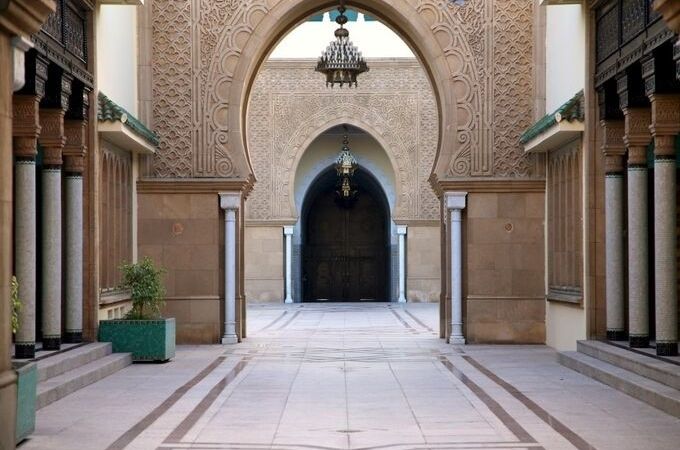
Marrakech in June Is Almost Two Cities in One Day
Author: Kenan Ungur
Article Date: 05.10.2024
Reading Time: 14 min

Marrakech in June Is Almost Two Cities in One Day

Updated: August 2026

A June itinerary in Marrakech becomes easier when you stop expecting every hour to perform the same job.

The city you encounter in the morning can be energetic without feeling overwhelming, giving you space to explore historical sites, navigate the medina and spend meaningful time on foot before the day develops further. Several hours later, those same activities may require considerably more effort, while a long lunch, museum visit or return to the riad suddenly feels less like time taken away from sightseeing and more like intelligent use of the day.

Then Marrakech changes again.

As the later hours arrive, streets regain their pull, terraces become more attractive, dinner begins competing with sightseeing for your attention, and places such as Jemaa el-Fnaa develop an atmosphere that bears little resemblance to their morning personality.

June's weather story is therefore not simply heat.

It is time.

Stop Building June Itineraries From 9 to 5

Conventional city sightseeing often follows a familiar pattern: breakfast, attractions, lunch, more attractions, hotel, dinner.

June encourages a different structure.

Instead of treating the middle of the day as the center of your sightseeing schedule, give your strongest outdoor activities to the earlier hours and allow the itinerary to become deliberately less ambitious later. When the city begins changing again toward evening, you can return with enough energy to enjoy a second substantial period outside.

This creates a day with two active chapters rather than one continuous sightseeing marathon.

For travelers on a Marrakech summer escape, accepting that structure can make the city feel considerably more natural.

Morning Is for the Places That Need Your Attention

The first active portion of the day should not be wasted simply because the whole day still appears to be ahead of you.

Use the morning for experiences that require walking, concentration or time outdoors. Historical monuments, substantial medina exploration and sections of the city where you want to move slowly all benefit from receiving your fresher attention.

This does not mean rushing through breakfast and racing toward a checklist.

A June morning should remain enjoyable, but it benefits from having purpose. If one place genuinely matters to you, put it where your energy and the day's conditions are more likely to support the experience.

Later, less demanding activities can take over without making the itinerary feel incomplete.

The Middle of the Day Is Not Missing Time

This is the mental adjustment that matters most.

Travelers often feel guilty when several daytime hours are not filled with attractions, particularly during a short city break. Returning to the riad after lunch can seem inefficient when a map still contains places you have not visited.

June challenges that assumption.

A slower middle section can protect the quality of both halves of the day. You might have a long lunch somewhere comfortable, visit an indoor cultural attraction, spend time at your accommodation or simply stop treating every hour as something that must be converted into movement.

The result is not necessarily less Marrakech.

It may give you considerably more enthusiasm for the Marrakech that appears later.

Think of June as a Two-Act Itinerary

Part of the Day Best Role June Logic
Early sightseeing Historical visits and purposeful walking Use fresher conditions and energy
Late morning Souks and connected city exploration Continue while outdoor movement still feels worthwhile
Lunch Genuine transition point Slow the itinerary deliberately
Midday / early afternoon Indoor visit, riad or extended rest Stop demanding constant movement
Later afternoon Gradual return outside Let the city become active again
Evening Squares, terraces, dinner and street atmosphere Treat it as the day's second chapter

Unlike May's spatial table, June's structure is entirely temporal. The question is no longer which streets provide shade, but which experiences belong to which part of the day.

A Long Lunch Can Be Good Sightseeing Strategy

Lunch becomes particularly useful when you stop treating it as a refueling stop between attractions.

Choose somewhere you actually want to spend time, and allow the meal to create a clean transition between the morning and the slower middle of the day. A pleasant restaurant, shaded courtyard or suitable indoor setting can give you enough distance from the morning's movement that the afternoon no longer feels like a continuation of the same physical effort.

For a Morocco private adventure that includes several destinations, this rhythm can also prevent accumulated travel fatigue. Not every city needs to be experienced through eight consecutive hours of sightseeing.

Marrakech certainly does not.

Your Riad Can Become Part of the Itinerary

Returning to the riad in the afternoon does not mean admitting defeat to the weather.

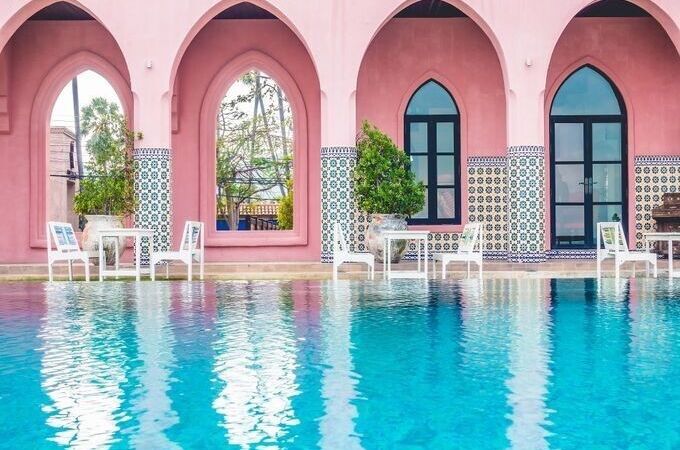
If you deliberately chose a property for its courtyard, pool, architecture or atmosphere, June gives you a reason to actually use those features rather than seeing the room only before breakfast and after dinner.

A slower hour at the accommodation can create an interesting contrast with the intensity of the medina, especially when the morning has involved several hours of concentrated exploration.

This differs from January's discussion of riad temperature and April's emphasis on courtyards as part of an open-air lifestyle.

June uses the riad as a bridge between the day's two active halves.

Don't Schedule Your Most Important Museum as an Afterthought

Indoor attractions can be extremely useful during a June day, but they should not automatically be reduced to places you visit only because the weather made outdoor sightseeing less attractive.

If a museum genuinely interests you, give it proper time.

The advantage is that cultural content and practical timing can support one another. You can spend part of the slower portion of the day engaging with history, art or architecture without feeling that you have simply hidden indoors waiting for evening.

A strong June itinerary never feels as though several hours have been deleted.

They have simply changed character.

Evening Marrakech Is Not the Morning Repeated

This is where June becomes particularly rewarding.

Returning outside later does not mean revisiting the same city under slightly lower temperatures. Street life changes, restaurants become busier, rooftops gain another atmosphere, and Jemaa el-Fnaa increasingly shifts toward the version of itself that many travelers remember most vividly.

The later hours therefore deserve their own itinerary rather than receiving whatever attractions remain unfinished from the morning.

A Marrakech cultural journey can use this distinction deliberately: morning for historical depth and exploration, evening for atmosphere, food, street life and a slower form of observation.

The two halves complement rather than compete with each other.

Don't Turn the Evening Into a Second Marathon

A midday pause can create so much renewed energy that another mistake becomes tempting: trying to reproduce the entire morning again after sunset.

There is no need.

The second act should feel different. Instead of another long sequence of monuments, allow the evening to become less structured, with a meal, rooftop, square or street walk providing enough reason to remain outside.

June's advantage lies in contrast.

If both halves of the day contain identical sightseeing intensity, the split has achieved very little.

June Owns the Split-Day Marrakech Rhythm

May taught visitors to read Marrakech spatially, using covered souks, narrow lanes, gardens and courtyards to move through an increasingly warm city with less unnecessary exposure.

June changes the axis completely.

The important question becomes when.

Morning receives the activities that benefit from movement and concentration, the middle of the day deliberately slows, and evening becomes a second Marrakech experience rather than simply the remainder of the first.

July will change the story again by examining what happens when the physical city itself stores daytime heat and releases it gradually.

June comes before that deeper summer effect.

Its defining idea is simpler and remarkably practical: instead of forcing Marrakech into one continuous sightseeing day, allow the city to have two beginnings.

Discover Marrakech’s rich traditions and awe-inspiring desert scenery

The Afternoon Should Have a Purpose Without Becoming Busy

A slower June afternoon works best when it feels intentional rather than like several empty hours inserted between sightseeing sessions.

There is a considerable difference between returning to the riad because you have run out of ideas and returning because the accommodation was deliberately chosen as part of the Marrakech experience. The same applies to a long lunch or museum visit. When these activities have genuine value, the middle of the day stops feeling like a compromise and becomes another layer of the itinerary.

This is particularly important on shorter trips, when travelers can become anxious about “losing” sightseeing time. A well-structured pause may actually protect the hours that matter most by ensuring you approach the evening with curiosity rather than exhaustion.

Morning Priorities Should Be Chosen the Night Before

June mornings become more valuable when you already know what deserves them.

Instead of spending the first part of the day deciding where to go, identify one or two priority experiences the previous evening and organize the opening hours around them. These should generally be places where you expect to walk substantially, spend time outdoors or concentrate on historical detail.

Secondary stops can remain flexible.

This approach avoids creating an overengineered schedule while still ensuring that the strongest part of your sightseeing day is not consumed by indecision, unnecessary transfers or activities that could have worked equally well later.

Use the Midday Hours to Change Mental Pace

Heat is only one reason to slow down.

Marrakech can be visually and mentally intense, particularly when several hours involve navigating souks, responding to vendors, following unfamiliar streets and absorbing architectural detail. By lunchtime, your attention may need recovery even if your legs do not.

A quieter afternoon activity provides that reset.

Reading beside the riad courtyard, spending meaningful time in a museum, enjoying a hammam or extending lunch can reduce sensory intensity before you return to the streets. The benefit becomes particularly clear in the evening, when familiar places can suddenly feel interesting again rather than like more information arriving after an already full day.

June Planning Is Really About Energy Distribution

Temperature naturally influences the itinerary, but the more useful question is how you want to distribute your attention and physical energy.

Experience Energy Demand Best June Placement
Focused historical sightseeing High Morning
Long medina exploration High Morning to late morning
Leisurely lunch Low Midday transition
Museum or cultural interior Low–medium Slower afternoon
Riad or pool time Low Afternoon reset
Jemaa el-Fnaa atmosphere Medium Later day or evening
Rooftop dinner Low Evening

The useful distinction here is not simply indoor versus outdoor. It is whether an experience consumes energy or restores it, because a strong June itinerary alternates between the two instead of demanding continuous output.

Save Something You Actually Want for the Evening

An evening becomes much more satisfying when it contains a genuine attraction rather than merely dinner after sightseeing has finished.

That attraction does not need an entrance ticket.

Perhaps you deliberately postpone Jemaa el-Fnaa until later because you want to experience its changing atmosphere. Perhaps you choose a rooftop where the view matters as much as the meal, or leave a section of the souks for an unhurried evening walk.

Knowing that something enjoyable remains ahead changes the psychological effect of the afternoon pause. You are not waiting for the day to restart; you are between two experiences that were designed to feel different.

Allow the Evening to Stretch Rather Than Packing It

One advantage of dividing the day is that the evening does not need to compensate for everything you did not accomplish earlier.

If you missed a secondary museum or shop, resist automatically adding it to the later schedule. Evening Marrakech works particularly well when there is room for plans to expand naturally: dinner lasts longer, a square becomes more interesting than expected, or you discover somewhere worth sitting for another drink.

A rigid evening itinerary can remove precisely the spontaneity that makes the second half of a June day distinctive.

Don't Copy June's Rhythm Into July

This distinction is essential for the cluster.

June's semantic ownership is time allocation: reorganizing Marrakech into an active morning, deliberately slower middle and atmospheric second act.

July will examine something physically different. By then, the story will focus on urban heat storage, including how walls, paving, exposed squares and dense built surfaces absorb daytime heat and influence how quickly different parts of Marrakech become comfortable later.

That means June should not overdevelop the idea that “evenings remain hot because the city stores heat.” Doing so would weaken July's exclusive information gain.

Here, evening matters because it creates a second travel experience, not because we are analyzing the thermal behavior of the built environment.

A Successful June Day May Contain Fewer Attractions

This can be difficult for travelers who measure a city break by the number of places completed.

Suppose one itinerary covers eight attractions but leaves you too tired to enjoy dinner or spend meaningful time in the evening city. Another covers five, includes a genuine afternoon pause and allows several relaxed hours around Marrakech later.

The second itinerary has not necessarily delivered less.

Weather-aware travel planning should improve the quality of experience rather than merely protect travelers from discomfort. June demonstrates this particularly well because restructuring the day can expose two different personalities of Marrakech without requiring additional attractions at all.

12 Questions About Marrakech in June

1. What is the weather like in Marrakech in June?

June generally brings hot, dry and increasingly summer-like conditions, although individual temperatures vary between dates and years. For city sightseeing, the most useful strategy is often distributing higher-energy activities toward the morning while allowing the middle of the day to become deliberately slower.

2. Is Marrakech very hot in June?

June can become hot, particularly during warmer spells and later daytime hours, although conditions should always be checked for your specific dates. Rather than judging the month from one average temperature, consider how prolonged walking and outdoor sightseeing will fit different periods of the day.

3. Does it rain in Marrakech in June?

Rain is generally less prominent as Marrakech moves into its dry summer pattern, although unusual weather remains possible. A current forecast is still worth checking, especially because temperature and wind conditions may have more practical influence on your daily sightseeing structure.

4. What should I wear in Marrakech in June?

Lightweight, breathable clothing suitable for warm conditions is practical, while respecting local cultural context. Comfortable footwear, water and appropriate sun protection are important for sightseeing, and clothing choices should always respond to the actual forecast rather than monthly averages alone.

5. What time should I start sightseeing in Marrakech in June?

An earlier start can give demanding outdoor activities a stronger position in the itinerary before the day develops further. Exact timing depends on opening hours, your interests and current conditions, so prioritize important walking-based experiences rather than simply trying to start as early as possible.

6. Should I return to my hotel during the afternoon?

You do not have to, but a riad or hotel can become a useful intentional part of the June itinerary. Resting, using a pool where available or enjoying the property's architecture can preserve energy for a meaningful return to Marrakech later.

7. Are museums useful during June afternoons?

Yes, particularly when they genuinely interest you. Indoor cultural visits can fit naturally into the slower portion of a June day, allowing you to continue experiencing Marrakech without requiring the same physical intensity as extended outdoor walking.

8. Is Jemaa el-Fnaa better in the evening in June?

The square changes substantially as the day progresses, with later hours bringing a different atmosphere from the morning. Rather than ranking one experience as universally better, June planning can deliberately use that contrast by assigning historical sightseeing earlier and atmospheric exploration later.

9. Can I still walk around Marrakech in June?

Yes, but the amount and timing of walking should reflect current conditions, personal tolerance and the route itself. June's strategy is not to stop walking but to place more demanding walking periods where they contribute most effectively to the day.

10. Is a long lunch worthwhile in June?

A longer lunch can work particularly well as a deliberate transition between an active morning and slower afternoon. Choosing somewhere you genuinely enjoy prevents the meal from feeling like time being sacrificed while also reducing the need for continuous sightseeing.

11. Is June the best time to visit Marrakech?

That comparison belongs to a dedicated Best Time to Visit Marrakech page, where weather, crowds, travel style and other months can be evaluated properly. June's exclusive purpose here is explaining how warmer conditions reshape the daily timetable rather than ranking the month.

12. What makes June different from May in Marrakech?

May focuses on spatial planning, using shaded medina lanes, covered souks, courtyards and gardens to influence how you move through the city. June changes to temporal planning, dividing Marrakech into an active morning, deliberately slower middle and distinctive evening second act.

 
Kenan Ungur
Author

A travel professional specializing in tailor-made travel planning, guest experience management, and multi-destination tourism operations.

With over 23 years of experience in the travel industry, he designs and manages private and cultural tours for international travelers across Türkiye, Greece, Egypt, Jordan, Morocco, and other destinations.

He has strong expertise in both online and face-to-face guest communication, sales processes, and end-to-end travel operations.

Working closely with hotels, travel agencies, and local partners, he ensures smooth coordination and high-quality travel experiences at every stage of the journey.

His focus is on delivering personalized, reliable, and seamless travel experiences for international guests worldwide.

Join The Newsletter

To receive our best monthly deals

Magnificent Travel Logo

Magnificent Travel
Usually responds the same day

Magnificent Travel
Welcome to the Magnificent Travel

How may i help you?
Today
+905324935198
X