Morocco Weather in June: Summer Heat, Cool Coasts & Desert Travel
Last Updated: August 9, 2026
June is when Morocco stops pretending that summer is still somewhere in the distance.
In Marrakech and across much of the interior, the warmer part of the year has clearly arrived, while journeys towards Ouarzazate and the Sahara require more attention to heat than they did only a month earlier. Yet move towards the Atlantic or gain elevation in the Atlas Mountains and the travel experience changes considerably, sometimes within a relatively short distance.
This geographical split is the key to understanding Morocco in June.
Rather than asking whether the month is “too hot,” it is more useful to decide which version of Morocco you want to experience. A culture-heavy itinerary through inland cities requires intelligent timing, whereas a journey combining mountains and coast can feel surprisingly comfortable for early summer.
June does not close Morocco.
It rearranges it.
By June, Morocco Has Two Summer Personalities
The difference between inland and coastal Morocco becomes increasingly relevant as summer develops.
Marrakech, the southeast and Sahara belong to the hotter side of the equation, where the timing of sightseeing becomes an important part of itinerary design. Atlantic destinations benefit from maritime influence, while elevation gives mountain regions their own climatic advantage.
| Travel Zone | June Character | Best Approach |
|---|---|---|
| Marrakech | Hotter summer days | Early sightseeing, slower afternoons |
| Fes | Increasingly warm | Protect longer walking days |
| Atlas Mountains | Cooler with elevation | Strong active-travel option |
| Ouarzazate & South | Hot and dry | Reduce exposed midday activity |
| Sahara | Serious daytime heat possible | Carefully timed experiences |
| Essaouira | Mild, often windy | Flexible outdoor exploration |
| Agadir | Coastal summer conditions | Leisure and beach-oriented stays |
The practical consequence is that a June itinerary should no longer give every region equal time simply because a classic circuit says it should.
Marrakech Is Still Worth Visiting—Just Not at One Speed
June Marrakech receives an unfairly simple description in many weather guides: hot.
That is useful information, but it is not much of a travel strategy.
The city remains rewarding when the day is structured around its climate. Early morning becomes increasingly valuable for substantial walking, particularly in the medina, where several hours can disappear quickly between markets, historic buildings and neighbourhoods.
The afternoon deserves a different pace.
Rather than forcing another long exposed walking route into the hottest part of the day, travellers can use lunch, a hammam, indoor attractions or the riad as a deliberate pause. Once the temperature begins easing, Marrakech becomes inviting again, and evenings often provide some of the city's most enjoyable hours.
Travellers wanting greater control over this daily rhythm can consider Morocco bespoke itineraries, particularly when sightseeing times need to adapt to heat rather than follow a fixed programme.
June Makes Hotel Location More Important
A hotel fifteen minutes from the medina and a riad located inside it may sound almost equally convenient on paper.
In June, those minutes can matter.
If accommodation is reasonably close to the areas you intend to explore, returning for an afternoon break becomes easy. If reaching the hotel requires a lengthy transfer, the temptation is to remain outside continuously even when slowing down would make the day more comfortable.
This does not mean everyone should stay in exactly the same neighbourhood.
It means location should be judged according to how you expect to use the property.
During cooler months, accommodation may primarily be somewhere to sleep.
In June, it can become part of the daily itinerary.
Fes Requires a More Selective Walking Day
Fes remains culturally compelling in June, but warmer conditions make it increasingly important to distinguish between meaningful exploration and simply accumulating hours on foot.
The medina contains enough detail to fill several days, so there is little advantage in attempting to compress everything into one continuous marathon. Beginning earlier allows the most substantial walking to happen before the warmer part of the afternoon, while lunch or an indoor visit can interrupt the day naturally.
This is also a good reason to avoid excessive day trips when Fes itself is receiving too little time.
Travellers sometimes add Meknes, Volubilis and other stops, then discover that the destination they actually came to see has been reduced to one exhausting day.
June rewards editing.
The Atlas Becomes More Than a Side Trip
As inland temperatures rise, the Atlas Mountains gain a different kind of value.
Elevation can provide relief from lower-altitude heat, while June generally expands opportunities for walking and trekking compared with the winter and early-spring months. Conditions still vary according to altitude and route, and serious mountain activities require appropriate planning, but the seasonal balance has shifted decisively.
This creates an alternative to the standard Marrakech-plus-Sahara formula.
Travellers who enjoy landscapes and active experiences can spend longer in mountain regions rather than automatically crossing them as quickly as possible on the way south.
For those wanting to make elevation part of the itinerary rather than scenery viewed through a vehicle window, Morocco hiking holidays can provide a more seasonally appropriate June focus.
The Sahara Becomes a Deliberate Choice
During winter and early spring, adding the Sahara to a Morocco circuit can be relatively straightforward from a weather perspective.
June requires more commitment.
Daytime heat can become substantial, which means desert activities need careful timing and the middle of the day may be better suited to rest. Long road journeys through southern Morocco also need to account for the fact that sightseeing stops feel different when the sun is strong and shade is limited.
None of this means the Sahara is closed.
People travel there in June, and the landscape remains extraordinary.
The question is whether it deserves several days of your particular trip when other parts of Morocco are entering one of their strongest seasons.
If seeing the dunes is a lifelong priority, design around the conditions.
If the Sahara is merely something you feel obligated to include, June is a good month to reconsider the obligation.
Atlantic Morocco Begins Winning More Itinerary Space
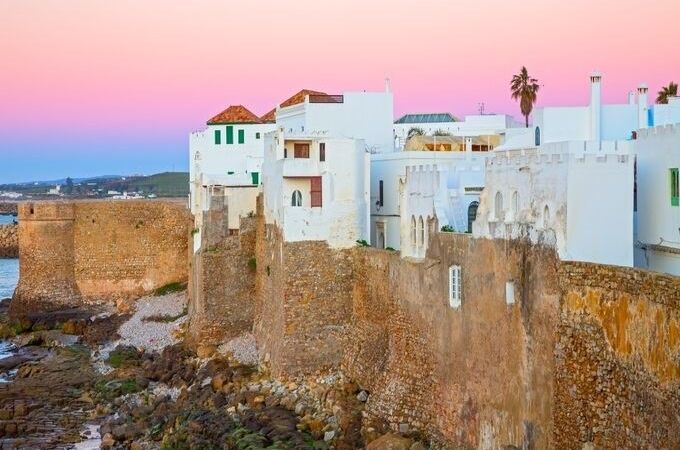
June is when Essaouira's climatic difference becomes increasingly valuable.
The Atlantic influence and the city's famous wind can create a markedly different experience from inland Marrakech, allowing travellers to spend more of the day walking without organising every activity around heat.
This does not make Essaouira simply a cooler version of Marrakech.
Its appeal comes from being completely different: a compact medina, working harbour, seafood, ocean views and a slower rhythm that can provide an excellent contrast after several intensive cultural days.
By June, giving the city three nights rather than treating it as a rushed day trip begins making considerable sense.
Essaouira and Agadir Solve Different Problems
The Atlantic coast should not be treated as a single destination category.
Essaouira is particularly strong for travellers who want the coastal portion of the holiday to remain cultural and exploratory. Agadir suits those who want resort facilities, beach-oriented leisure and a more conventional relaxation period.
| If You Want... | Better Fit |
| Medina atmosphere | Essaouira |
| Harbour and seafood | Essaouira |
| Walkable cultural stay | Essaouira |
| Resort facilities | Agadir |
| Beach-focused downtime | Agadir |
| A break after an active circuit | Either, depending on travel style |
The forecast may help with the decision, but it should not be the only factor.
June Rewards a Triangle Rather Than a Straight Line
One of the strongest early-summer itineraries can be built around three contrasting environments: Marrakech, the Atlas and the Atlantic coast.
Marrakech provides the cultural intensity, the mountains introduce elevation and active landscapes, while Essaouira or Agadir shifts the journey towards the ocean. Instead of pushing deeper into increasingly hot southern Morocco, the route uses geography to keep changing the climate.
This approach can be especially appealing to travellers with seven to ten days.
Those looking for a wider selection of routes can explore Morocco summer journeys, prioritising regions that complement one another rather than simply repeating the standard spring circuit in hotter weather.
June is the first month when this kind of seasonal redesign becomes genuinely important.
Is June Too Hot for Morocco?
For some itineraries, parts of it may be.
For Morocco as a whole, the question is far too broad.
A traveller spending most of the journey around the Atlantic coast and Atlas Mountains can have a completely different relationship with June from someone travelling through Marrakech, Ouarzazate and the Sahara.
Heat tolerance matters as well. Travellers accustomed to hot climates may find an early-start Marrakech itinerary perfectly manageable, while someone who dislikes strong heat may enjoy the country far more by reducing time inland.
The solution is not searching for one temperature that determines whether Morocco is “good” in June.
The solution is choosing the right Morocco.
June Is When Geography Becomes Your Cooling System
Air conditioning matters, shade matters and sensible sightseeing hours matter, but the most effective June itinerary decision happens at a much larger scale.
Move geographically.
Gain elevation in the Atlas. Travel towards the Atlantic. Reduce the number of exposed midday activities in Marrakech, and decide whether the Sahara genuinely deserves the time and heat commitment required to reach it.
This is what separates June from May.
May still allows travellers to negotiate with the approaching summer while keeping a broad classic circuit relatively intact. June begins rewarding those willing to redesign the route rather than merely adjusting the schedule.
July will push that logic considerably further.
June is the moment when you first realise that Morocco itself has already provided the solution to summer heat: mountains, ocean and an extraordinary amount of geographical variety.
How Many Nights Should You Spend Inland in June?
June creates an unusual itinerary problem because adding more days does not automatically mean adding more inland destinations.
A longer Morocco trip can actually justify spending a smaller proportion of the holiday in the hottest regions, leaving enough time for the Atlas Mountains and Atlantic coast to change both the temperature and pace of the journey.
This is particularly important for first-time visitors who begin planning with a spring itinerary they found online, then simply move the same route into June without reconsidering how the season affects it.
The destinations may still be possible.
The proportions need another look.
| Total Trip | Inland Focus | Seasonal Balance |
|---|---|---|
| 5 days | Marrakech + nearby experiences | Keep transfers limited |
| 7 days | Marrakech + Atlas or Atlantic | Choose one major contrast |
| 10 days | Marrakech + Atlas + Atlantic | Strong early-summer balance |
| 14 days | Add northern cities or selected south | Use geography to vary conditions |
The longer the journey, the less reason there is to spend every additional night moving farther into the hottest part of the country.
Five Days: Don't Turn a City Break Into a Transport Exercise
With five days, Marrakech can comfortably remain the centre of the trip.
An early-summer city stay works best when sightseeing is concentrated around cooler periods and accommodation is convenient enough to make an afternoon pause realistic. One carefully chosen excursion can add variety without turning a short holiday into repeated packing and driving.
The Sahara is where travellers often become too ambitious.
Reaching the major dune regions requires substantial travel, and compressing the journey into a short itinerary leaves very little room for adapting the day around June heat. You may technically see the desert, but much of the holiday becomes transportation.
Five days do not need to explain all of Morocco.
They need to work well.
Seven Days: Choose Your Contrast
A week creates enough room to combine Marrakech with a second environment, and June makes the choice particularly meaningful.
The Atlas suits travellers who want walking, landscapes, village experiences and elevation. Essaouira works for those who prefer a cultural coastal stay with a slower rhythm, while Agadir makes more sense when relaxation and resort time are the priority.
Trying to include all three usually weakens the advantage of having seven days because hotel changes begin consuming the time that each destination was supposed to improve.
Choose the contrast you care about most.
Marrakech plus mountains feels active.
Marrakech plus Atlantic feels more relaxed.
Neither needs a third destination simply to make the map look complete.
Ten Days: June Starts Making More Sense
Ten days allow the itinerary to use geography properly.
Several nights in Marrakech can be followed by time in the Atlas before continuing towards the Atlantic, creating three environments with different daily rhythms. The journey gains variety without relying on extreme distances, and warmer inland periods are balanced naturally by elevation and ocean influence.
This also gives travellers enough time to stay somewhere for more than one night.
That matters.
A mountain lodge becomes far more rewarding when you have a full day rather than arriving shortly before dinner and leaving after breakfast. Essaouira similarly benefits from enough time to settle into its slower pace instead of functioning as another overnight stop.
June does not necessarily require fewer destinations.
It requires better spacing.
Fourteen Days: Don't Automatically Go Farther South
A two-week trip creates enough time for a broader circuit, but the obvious temptation is to add the Sahara simply because the calendar has space.
That can work for travellers who genuinely prioritise the desert and tolerate heat well, provided the programme is designed around seasonal conditions.
For others, northern Morocco may add more value.
Rabat, Meknes and Fes introduce a different cultural landscape without pushing the entire itinerary farther into the hottest regions. The route can then continue towards Marrakech, the Atlas and Atlantic coast, creating a journey with significant variety while using geography to manage early-summer conditions.
Fourteen days give you the luxury of choice.
Do not confuse that with an obligation to cover maximum distance.
When Does the Sahara Still Make Sense?
June Sahara travel makes the strongest case when three things are true: the desert is a major personal priority, the itinerary contains enough time for the road journey, and the traveller is comfortable adapting activities around heat.
If all three apply, the Sahara can remain memorable.
If none applies, including it simply because “a Morocco trip should have the desert” is difficult to justify.
The country offers mountains, imperial cities, Atlantic ports, archaeological sites and cultural landscapes that do not become secondary experiences merely because they lack dunes.
June exposes that truth more clearly than spring does.
Count Hotel Changes, Not Just Nights
A ten-night itinerary can sound relaxed until you discover it contains seven hotels.
Repeatedly packing, checking out, travelling and checking in creates a form of fatigue that becomes more noticeable when warmer conditions are involved. The problem is rarely one individual transfer; it is the accumulation of them.
June itineraries benefit from longer stays because a second or third night allows travellers to use the destination differently.
There is time for an early start without immediately checking out afterwards, and an afternoon break does not feel as though it has consumed the only available sightseeing window.
Staying longer creates seasonal flexibility.
Where Should the Slowest Days Go?
In early summer, slower days are particularly useful after Marrakech rather than before it.
The city is stimulating and can be physically demanding, so following it with the Atlas or Atlantic coast allows the journey to change gear naturally. A mountain stay replaces dense urban walking with landscapes, while Essaouira exchanges inland heat and traffic for ocean air and a compact medina.
The itinerary therefore develops a rhythm instead of maintaining the same intensity throughout.
This is especially valuable on ten- and fourteen-day journeys, where constant sightseeing can become tiring even when the weather is perfect.
June Rewards Better Proportions
The question is not how many nights Morocco deserves.
It is how those nights should be distributed once early summer has arrived.
Short trips benefit from concentration, medium-length journeys from one or two strong climatic contrasts, and longer holidays from using northern cities, elevation and the Atlantic rather than automatically extending farther into increasingly hot southern landscapes.
That is June's itinerary lesson.
More time should create more comfort and depth, not simply more kilometres.
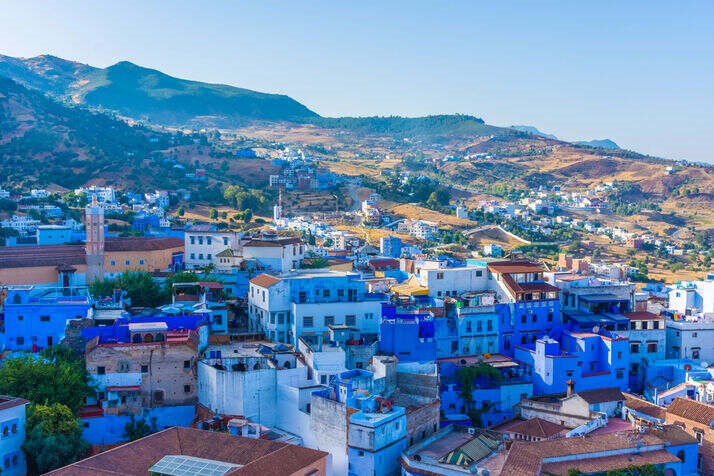
In June, the Right Hotel Can Change the Weather Experience
Accommodation choices matter throughout Morocco, but June changes what “good location” and “good facilities” actually mean.
A beautiful riad deep inside Marrakech's medina may provide exactly the atmosphere you want, yet reliable air conditioning becomes more important than it was in spring. A swimming pool that seemed like an unnecessary luxury when planning the trip in winter can suddenly become useful during a warm afternoon, while an Atlas lodge may need neither elaborate cooling nor a large pool because elevation has already changed the climate.
The best property is therefore not necessarily the most luxurious one.
It is the one that works with the region and the way you intend to structure the day.
What Matters Most Depends on Where You Sleep
| Stay | Useful June Feature | Why It Matters |
|---|---|---|
| Marrakech riad | Reliable air conditioning | Supports midday breaks and comfortable sleep |
| Fes accommodation | Accessible location | Reduces unnecessary walking in warmer hours |
| Atlas lodge | Elevation and outdoor space | Cooler setting becomes part of the experience |
| Sahara accommodation | Effective cooling and shade | Daytime heat can be substantial |
| Essaouira hotel/riad | Sheltered outdoor areas | Wind can matter more than cooling |
| Agadir resort | Pool and beach access | Leisure facilities justify slower days |
This is a more useful June comparison than simply sorting hotels by star rating.
Air Conditioning Is Worth Confirming, Not Assuming
In Marrakech, southern Morocco and the desert regions, effective cooling can have a significant influence on how well the itinerary works.
The word “air-conditioned” on a booking page does not always explain whether cooling is available throughout the property, only inside bedrooms or how effective the system is during hotter periods. Recent guest reviews can therefore provide useful context, particularly in smaller traditional properties.
This matters because an afternoon break only works if the room itself is comfortable.
Returning from several hours of sightseeing to an overheated bedroom defeats much of the purpose.
A Pool Has More Value in June Than It Does on the Hotel Checklist
Travellers sometimes choose between two Marrakech properties and dismiss the pool because they assume they will be sightseeing all day.
June can change that calculation.
A small plunge pool or larger swimming area can turn the warmest part of the afternoon into an enjoyable section of the holiday rather than a period spent waiting for temperatures to ease. This becomes particularly valuable during multi-night stays, when there is no pressure to squeeze every major sight into the same day.
The important question is whether you will actually use it.
If you prefer museums, hammams or long lunches, a pool may still add little value. Facilities should support your travel style rather than simply increase the hotel's feature list.
Medina Location Becomes a Comfort Decision
Staying inside a historic medina provides atmosphere and immediate access to restaurants, shops and cultural life, but exact location deserves attention.
Some properties require a substantial walk from vehicle-accessible points, which may be perfectly enjoyable during a cool morning and less appealing after arriving with luggage during a hot afternoon.
Ask how access works.
A five-minute walk and a twenty-minute walk are both technically “inside the medina,” yet they create very different arrival experiences.
In June, practical geography deserves almost as much attention as architectural charm.
The Atlas Makes Simpler Accommodation Feel Luxurious
Mountain stays operate under a different set of priorities.
A lodge with a terrace, broad views and cooler evening air may provide more seasonal value than a property offering an extensive list of urban-style facilities. The reason for staying there is partly the environment itself.
This can make one or two mountain nights especially effective after Marrakech.
You are not simply changing hotels.
You are changing elevation, temperature, landscape and the way the day is spent.
June is one of the months when accommodation location becomes an actual climatic tool.
Desert Accommodation Needs More Than a Photogenic Tent
A Sahara camp can look spectacular online while telling you almost nothing about midday comfort.
By June, shade, cooling arrangements, access to indoor or sheltered areas and the general structure of the programme become increasingly relevant. Travellers should understand where they will spend the hottest hours rather than focusing exclusively on sunset photographs and evening entertainment.
The same principle applies to hotels near desert areas.
Comfort during the afternoon may matter considerably more than elaborate evening facilities, because that is when you are most likely to use the property.
On the Atlantic, Wind Changes the Priorities
Essaouira reverses much of the inland accommodation logic.
Strong air conditioning may matter less, while a sheltered terrace or courtyard can become more valuable because Atlantic wind affects how outdoor spaces feel. A rooftop that looks perfect in photographs may be wonderful on one day and considerably less inviting when the wind strengthens.
Agadir's resort properties operate differently again, with pools, beach access and leisure facilities forming a larger part of the reason for staying.
The same month does not create the same hotel priorities everywhere.
Book the Property for the Hours You'll Actually Be There
This is the simplest June accommodation rule.
During cooler months, travellers may leave after breakfast and return shortly before dinner, making the hotel largely an overnight base. Early summer increases the likelihood that you will use the property during the afternoon, particularly in Marrakech and the south.
That changes what deserves your money.
Comfortable rooms, effective cooling, useful communal areas, shade or a pool can become more valuable than facilities you will barely notice.
In the Atlas, elevation may provide the comfort.
On the Atlantic, location and shelter may matter more.
June does not necessarily require better hotels.
It requires hotels chosen for the season rather than from photographs alone.
May vs June vs July: Why June Is the Turning Point
June is not simply May with higher temperatures, nor should it be planned exactly like July. It occupies the point where summer begins changing the geography of a good Morocco itinerary, while enough flexibility remains to include inland cities if daily timing is handled intelligently.
| May | June | July | |
|---|---|---|---|
| Seasonal Identity | Pre-summer | Early-summer split | Peak-summer pattern |
| Marrakech | Timing begins to matter | Heat shapes the day | Strong heat planning essential |
| Fes | Broad cultural touring | Warmer walking conditions | Heat increasingly influential |
| Atlas | Excellent active option | Strong climatic advantage | Major summer alternative |
| Sahara | Heat becoming significant | Serious heat possible | Much more demanding |
| Atlantic Coast | Growing appeal | Strong alternative | Central summer role |
| Best For | Broad circuits | Regionally balanced trips | Coast-and-mountain emphasis |
June therefore works best for travellers prepared to redesign the classic route rather than simply repeating a spring itinerary under a stronger sun.
Frequently Asked Questions About Morocco in June
Is June a good time to visit Morocco?
Yes, provided the itinerary reflects regional conditions. Marrakech and inland areas become hotter, while the Atlas Mountains and Atlantic coast gain considerable seasonal appeal. June is particularly suitable for travellers willing to combine cultural sightseeing with mountains or coastal destinations instead of concentrating exclusively on southern Morocco.
Is Marrakech too hot in June?
Marrakech can be hot in June, especially during the afternoon, but many travellers still enjoy the city by starting substantial sightseeing earlier, slowing down during the warmest hours and returning outdoors later. Heat tolerance varies considerably, so individual comfort should influence how many nights are spent inland.
Is Fes worth visiting in June?
Yes. Fes remains culturally rewarding, although warmer weather makes sensible pacing increasingly important because medina sightseeing involves substantial walking. Earlier starts, shaded breaks and avoiding an overloaded one-day programme can make the experience considerably more comfortable than attempting to cover every major attraction continuously.
Should I visit the Sahara in June?
The Sahara remains accessible, but June heat can be substantial and should be taken seriously. Desert travel makes the most sense when it is a genuine priority and the itinerary can adapt activities around cooler hours. Heat-sensitive travellers may prefer shifting those days towards the Atlas or Atlantic coast.
How hot are Sahara days in June?
Conditions vary by location and individual weather patterns, but strong daytime heat is increasingly likely during June. Monthly averages alone should not determine activity planning; travellers should check forecasts close to departure, avoid unnecessary exertion during the hottest periods and ensure appropriate hydration, shade and accommodation.
Is June good for the Atlas Mountains?
June can be an excellent time for many Atlas experiences because elevation provides a useful contrast to hotter lowland destinations and seasonal access is generally broader than during winter. Hiking conditions depend on altitude, route and current weather, so more demanding programmes should still be planned with experienced local guidance.
Is Essaouira cooler than Marrakech in June?
Essaouira generally experiences a different climate because of its Atlantic setting, with ocean influence and wind often creating noticeably milder conditions than inland Marrakech. The difference can make the city particularly appealing for longer daytime exploration, although wind strength also affects how comfortable the weather feels.
Is Agadir or Essaouira better in June?
Essaouira generally suits travellers wanting medina atmosphere, harbour life, seafood and a cultural coastal stay, whereas Agadir is better aligned with resort facilities, beach time and relaxation. Both benefit from their Atlantic location, so the decision should primarily reflect travel style rather than temperature alone.
What should I pack for Morocco in June?
Lightweight, breathable clothing, comfortable walking shoes, sun protection and a reusable water bottle are useful for most itineraries. A light additional layer can still be valuable for Atlantic evenings or higher mountain areas, while specialist hiking equipment should reflect the elevation and difficulty of any planned trekking.
Is June or July better for Morocco?
June generally offers more flexibility for combining inland cities with the Atlas and Atlantic coast, whereas July moves farther into the peak-summer pattern and makes heat-aware route selection increasingly important. Travellers wanting Marrakech and cultural touring may prefer June, particularly if they are sensitive to stronger summer heat.
June Is When the Classic Morocco Route Needs Editing
The standard first-time Morocco circuit is easy to recognise: imperial cities, Marrakech, the Atlas crossing, southern valleys and the Sahara, sometimes followed by the Atlantic coast.
June does not make that journey impossible.
It makes it worth questioning.
The Sahara may be the right choice for someone who has dreamed about the desert for years and is comfortable adapting the experience around strong daytime heat. For another traveller, those same three or four nights may create far more value in the Atlas, where elevation opens possibilities for walking and mountain stays, or beside the Atlantic, where the daily schedule becomes less dependent on avoiding the hottest hours.
Marrakech demonstrates the same principle on a smaller scale. The city remains compelling, but the best June experience rarely comes from trying to reproduce a cool-season sightseeing schedule. Earlier medina exploration, a meaningful afternoon pause and a return to the city later in the day usually make better use of both the weather and Marrakech's evening atmosphere.
Accommodation begins participating in the itinerary as well. Reliable cooling, a useful pool or a convenient medina location can change how comfortably the day flows, while mountain lodges and Atlantic properties derive much of their value from the environments surrounding them.
This is what gives June its distinct place in the annual weather cluster.
May still permits a broad circuit with relatively modest seasonal adjustments. July pushes much more strongly towards the coast, mountains and careful management of inland heat. June sits between those patterns, offering travellers enough flexibility to experience several regions while clearly signalling that summer geography now matters.
The smartest response is not to fight that geography.
Use it.
Spend meaningful time in Marrakech rather than excessive time there, allow elevation to change the temperature in the Atlas, let the Atlantic expand the hours available for outdoor exploration, and include the Sahara only when the desert genuinely deserves to shape several days of the journey.
June is not the month when Morocco becomes too hot to visit.
It is the month when choosing which Morocco to visit becomes more important than ever.

A travel professional specializing in tailor-made travel planning, guest experience management, and multi-destination tourism operations.
With over 23 years of experience in the travel industry, he designs and manages private and cultural tours for international travelers across Türkiye, Greece, Egypt, Jordan, Morocco, and other destinations.
He has strong expertise in both online and face-to-face guest communication, sales processes, and end-to-end travel operations.
Working closely with hotels, travel agencies, and local partners, he ensures smooth coordination and high-quality travel experiences at every stage of the journey.
His focus is on delivering personalized, reliable, and seamless travel experiences for international guests worldwide.