Cappadocia Weather in February: Snow, Cold Nights & Clear Skies
Last Updated: August 2026
February sits in an interesting corner of Cappadocia's calendar. Winter is certainly not finished, yet the month does not always feel locked into the deepest part of the season. Cold nights remain normal, snow is still possible, and shaded ground can stay frozen well into the morning. Then a clear afternoon arrives, the sun reaches a sheltered terrace, and for a few hours the landscape feels unexpectedly approachable.
That uncertainty is precisely what defines February.
For travelers, this is less a month for chasing a particular type of weather and more a time for enjoying Cappadocia at a quieter pace. Göreme's lanes are easier to wander without the movement of high season, major archaeological sites generally feel less pressured, and there is little reason to race through the day simply to fit everything in.
February rewards flexibility, but in a different way from January. Rather than making snow the center of the trip, it makes sense to think about how winter affects the way you explore Cappadocia.
What Does February Actually Feel Like in Cappadocia?
Cappadocia lies on a high plateau in Central Anatolia, so February remains unmistakably wintry. Average daytime conditions are cold, nights frequently fall below freezing, and the difference between a sunny sheltered spot and an exposed ridge can be surprisingly large.
Typical conditions look roughly like this:
| February Weather | Typical Experience |
|---|---|
| Daytime temperatures | Around 4–8°C |
| Night temperatures | Often around -4–0°C |
| Snow | Still possible |
| Rain | Occasional |
| Frost | Common on colder mornings |
| Sunshine | Clear, bright periods are possible |
| Daylight | Gradually increasing |
| Trail conditions | Highly dependent on recent snow and thawing |
These figures are useful for packing, but they do not tell the whole story.
February weather is often experienced in small contrasts. Step into direct sunshine at midday and a heavy coat may suddenly feel excessive. Walk around the shaded side of a rock formation ten minutes later and winter returns immediately.
For that reason, the most useful February habit is not checking one temperature number. It is dressing in layers and allowing the day's conditions to determine how long you spend outside.
February Is a Month for Unhurried Cappadocia
There is an advantage to traveling when daylight and weather naturally slow the itinerary down.
In busier months, visitors sometimes approach Cappadocia as a sequence of boxes: balloon, open-air museum, underground city, valley, viewpoint, sunset. February encourages a different rhythm.
You can spend longer inside Göreme Open-Air Museum without feeling that another three attractions must be squeezed into the afternoon. Lunch can become a proper break from the cold rather than a quick stop. If a valley path looks uncomfortable, there is no need to force the hike simply because it appeared on an itinerary months earlier.
This is where a well-planned Cappadocia winter tour can make sense. The value is not merely transportation between attractions; it is having a sightseeing plan that can shift between outdoor and sheltered places according to the conditions that day.
The quieter atmosphere also changes the character of familiar sites. An underground city is fascinating at any time of year, but emerging from its tunnels into a cold February afternoon with relatively few visitors around feels distinctly different from doing the same thing during peak season.
February vs January: What Really Changes?
Travelers researching winter Cappadocia often struggle to choose between these two months. They belong to the same season, but they should not be treated as identical.
| January | February |
| Deeper winter character | Late-winter character |
| Snowy scenery is a major attraction | Quiet sightseeing becomes more important |
| Shorter daylight | Gradually longer days |
| Greater emphasis on full winter preparation | Layering remains essential |
| Snow and ice strongly shape expectations | Conditions can feel more transitional |
| Best approached as a winter landscape trip | Best approached as a flexible low-season visit |
This does not mean February is reliably warmer or snow-free. A cold spell can make part of February feel thoroughly wintry, while an unusually bright period can produce relatively comfortable afternoons.
The meaningful difference for travel planning is the changing balance of the season rather than a guarantee of better weather.
Can You Still See Snow in February?
Yes, but snow should be considered a possibility rather than the reason to book the trip.
Cappadocia can receive snowfall during February, and existing snow may remain in shaded or elevated areas. At other times, the valleys may be largely clear, with only patches of snow or frost reminding you that winter is still underway.
This makes February appealing to travelers who like winter atmosphere but do not require a postcard-white landscape every morning.
It also creates a practical issue that deserves more attention than snowfall itself: the thaw.
When daytime temperatures rise above freezing, snow and ice begin to melt. Valley surfaces that look perfectly manageable from a distance may become wet or muddy. After sunset, those same surfaces can freeze again.
So while February can offer opportunities for walking, trail choice should be based on current ground conditions rather than a fixed itinerary.
Which Experiences Work Particularly Well in February?
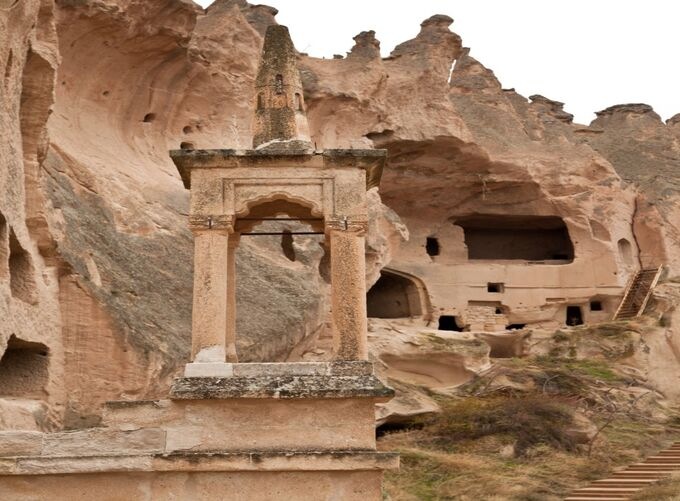
Cappadocia has an unusual advantage as a winter destination: many of its defining attractions are not completely exposed to the weather.
Underground cities such as Kaymaklı and Derinkuyu are obvious examples. Their tunnels, rooms and ventilation systems provide an entirely different experience from the open valleys above.
Rock-cut churches also fit naturally into a February itinerary. At Göreme Open-Air Museum, you still walk between sites outdoors, but significant parts of the visit take place inside historic spaces.
Avanos offers another change of pace. Pottery workshops and the town's indoor stops are useful when a cold afternoon makes another exposed viewpoint less appealing.
This mixture of indoor and outdoor sightseeing is one reason February can work better than travelers initially expect.
Rather than asking, “Will it be too cold to visit Cappadocia?”, a more useful question is, “How should I arrange the day if it is cold?”
Hot Air Ballooning in February: Think in Mornings, Not Months
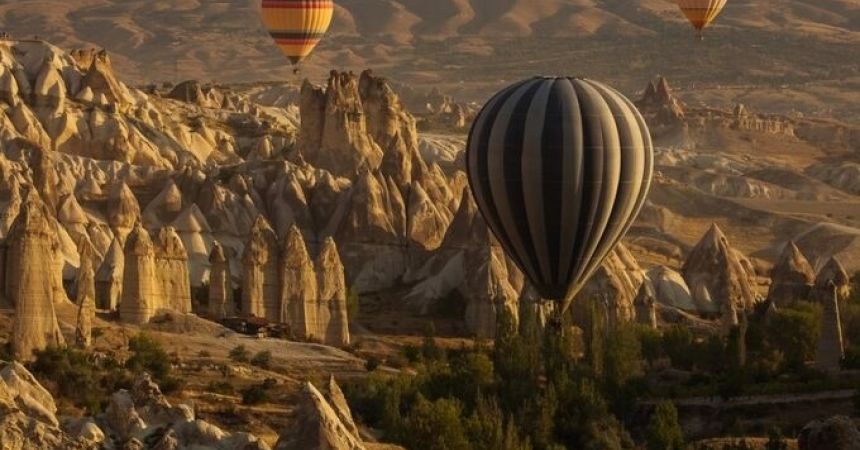
February balloon flights are possible, but the calendar itself does not determine whether balloons fly.
Operations depend on suitable aviation conditions, particularly wind and visibility. A very cold morning can still be flyable, while apparently pleasant weather from the ground does not necessarily mean conditions are suitable.
For travelers, the most noticeable February factor is the pre-dawn start.
The temperature at balloon pickup time can be substantially colder than it will be when you are walking around Göreme later in the day. Gloves, warm socks, a hat and insulating layers matter more at this hour than they may seem to when checking the afternoon forecast.
A Cappadocia balloon experience is therefore best planned as one part of a multi-night visit rather than the only reason for coming. If weather prevents flying, Cappadocia still needs to be worth the journey for you.
That mindset makes winter balloon travel far less stressful.
How Should You Structure a February Sightseeing Day?
Instead of copying a summer schedule, use the warmer middle portion of the day intelligently.
A practical rhythm might begin with an early balloon attempt or relaxed breakfast, followed by outdoor viewpoints once temperatures rise. The middle of the day can be used for places involving more walking, while underground cities, museums, workshops or a long lunch can provide shelter when conditions deteriorate.
Late afternoon requires another adjustment. Temperatures can fall quickly once direct sunlight disappears behind the landscape.
This is especially noticeable around sunset viewpoints. Watching the colors change across the valleys can still be worthwhile, but standing motionless in an exposed location feels much colder than walking around during the afternoon.
February is therefore less about fitting the maximum number of stops into daylight and more about matching the right activity to the right part of the day.
What Should You Pack for February?
The most useful February wardrobe is adaptable rather than bulky.
A warm outer jacket is essential, but underneath it, several lighter layers usually work better than relying on one thick sweater. Thermal base layers are valuable for early mornings, while a fleece or mid-layer can be removed during sunny periods.
Gloves and a warm hat deserve space even if the forecast looks relatively mild. Weather apps often show daytime highs, which have little relevance when you leave the hotel before sunrise.
Footwear should cope with several surfaces: dry pavement, uneven rock, wet ground, mud and possibly ice.
Water resistance and grip matter more than appearance.
A small backpack is also surprisingly useful in February because temperatures can shift enough during the day that you will regularly add or remove layers.
Cave Hotels Make More Sense in February Than You Might Expect
Winter is one of the seasons when Cappadocia's cave accommodation becomes part of the destination rather than simply somewhere to sleep.
After a cold day outside, returning to a warm stone room has a particular appeal. Many properties also have terraces overlooking the valleys or Göreme, allowing guests to enjoy the landscape without spending the entire morning outdoors.
There is, however, considerable variation between hotels.
Traditional cave construction does not automatically guarantee identical room temperature or comfort. Heating systems, ventilation and room design differ, so travelers sensitive to cold should check recent property information rather than choosing solely on photographs.
A longer Cappadocia travel package can also be more comfortable in February than a rushed one-night stop because it gives weather less control over what you manage to see.
February's Real Advantage: Space
Weather is usually the first subject discussed when planning Cappadocia in February, but the quieter atmosphere may be the month's more meaningful advantage.
Popular viewpoints have room to breathe. Photographs require less waiting for people to move. Restaurants and hotel terraces often feel calmer, and the overall experience becomes less about moving with the crowd.
That does not mean Cappadocia is empty. Balloon mornings can still be busy when flights operate, and popular attractions remain popular.
Yet the general pace is noticeably different.
For travelers who prefer archaeological landscapes and historic places when they are quieter, February has a character that cannot be recreated simply by visiting at a different hour during peak season.
Are the Valleys Worth Walking in February?
They can be, but February is not a month for choosing a hiking route simply because it appears on a list of Cappadocia's best walks.
The surface underfoot matters more than distance. A valley may be dry and comfortable after several clear days, while another route can remain muddy, icy or slippery because it receives less sun. Melting snow adds another complication, particularly where water collects on narrow paths.
For casual walkers, shorter sections of valleys are often a better choice than committing to a long point-to-point hike. This allows you to enjoy the landscape without turning the day into an endurance exercise if conditions deteriorate.
February is therefore best viewed as a walk-when-it-works month, not a dedicated hiking season. Travelers primarily interested in covering Cappadocia's valleys on foot will find more dependable conditions later in the year.
Daylight Is Starting to Work in Your Favor
One subtle advantage February has over the heart of winter is increasing daylight.
There is gradually more time between sunrise and sunset, which makes a noticeable difference when sightseeing days are already shaped by cold mornings and rapidly cooling evenings. You have a little more freedom to wait for comfortable conditions rather than rushing outside at the first opportunity.
For photographers, the low winter sun can also be attractive. Rock formations cast long shadows, the landscape has a softer appearance than under harsh midsummer light, and clear cold days can bring excellent visibility.
The important distinction is that February photography does not depend on snow. Bare valleys, winter vegetation and low-angle sunlight create their own visual character.
Is February Right for Your Travel Style?
February suits travelers who do not measure a successful Cappadocia trip by the number of attractions completed each day.
It works particularly well for couples looking for a quieter break, photographers who appreciate uncluttered landscapes, repeat visitors curious about Cappadocia outside the conventional season, and travelers who enjoy combining historic sites with slow afternoons in cafés or cave hotels.
It is less convincing for someone whose priority list begins with long hikes, consistently mild temperatures and extended evenings outdoors.
There is also an important personality factor: flexibility.
If a muddy trail, changed balloon plan or cold afternoon feels like it has ruined the itinerary, another season may suit you better. If those changes simply redirect the day toward an underground city, pottery workshop or leisurely meal, February becomes much easier to enjoy.
How Long Should You Stay?
A short two-night stay is possible, but three nights provide a better balance in February.
The reason is not that Cappadocia suddenly requires more sightseeing time in winter. It is that a little spare time reduces the need to force outdoor activities into unsuitable conditions.
With three nights, one poor-weather morning does not dominate the trip. You have more opportunities to rearrange viewpoints, walks and a balloon flight while still visiting the region's core cultural sites.
That extra flexibility is arguably more valuable in February than adding another attraction to an already busy itinerary.
February Cappadocia: A Quick Decision Guide
| February may suit you if... | Consider another month if... |
|---|---|
| You prefer quieter sightseeing | You want dependable hiking weather |
| Cold weather does not bother you | You dislike freezing mornings |
| You can change plans during the trip | Your schedule must remain fixed |
| Cave hotels are part of the experience | You want long outdoor evenings |
| You enjoy slower travel | You want a packed outdoor itinerary |
| A balloon is desirable, not your only goal | The trip depends entirely on flying |
February's strongest argument is therefore not a particular temperature or guaranteed landscape. It is the combination of low-season space, winter atmosphere and the ability to experience Cappadocia without feeling that every day needs to become a race between attractions.
Frequently Asked Questions About Cappadocia in February
1. Is February a good time to visit Cappadocia?
February can be an excellent choice for travelers who appreciate quiet sightseeing and do not mind winter temperatures. The region remains cold and snow is possible, but major attractions can feel considerably calmer than during peak periods. Flexibility matters because outdoor conditions can change from one day to another.
2. How cold does Cappadocia get in February?
Afternoons may reach several degrees above freezing, while nights and early mornings frequently fall to around or below 0°C. Conditions feel colder at exposed viewpoints or in wind. Visitors should prepare for the coldest part of the day rather than packing according to the afternoon high alone.
3. Does Cappadocia still get snow in February?
Yes. Snow remains possible during February, although a completely white landscape is never guaranteed for a particular visit. Some periods may have fresh snowfall, while others are cold and mostly dry. Remaining snow can also melt during warmer afternoons and create muddy or icy surfaces.
4. Are hot air balloons likely to fly in February?
Balloon flights operate when wind, visibility and other aviation conditions are suitable. February itself does not prevent flights, and cold temperatures alone are not necessarily a reason for cancellation. Because conditions vary by morning, travelers should avoid assuming that any specific date will definitely be flyable.
5. What happens if my balloon flight cannot operate?
Weather-related procedures depend on the booking conditions of the operator or package you purchased. From an itinerary perspective, it is wise to have other worthwhile plans for the day and, where possible, more than one morning in Cappadocia rather than making the entire visit dependent on one flight.
6. Can I hike in Cappadocia during February?
Walking is possible when paths are dry and safe, but February is not a dependable hiking month. Snow, thawing ground, ice and mud can affect individual valleys differently. Shorter flexible walks are generally more sensible than planning a demanding full-day route before you know the local conditions.
7. What should I wear for sightseeing in February?
Wear layers that can be adjusted throughout the day. A winter jacket, warm mid-layer, gloves, hat and suitable socks are useful, particularly early in the morning. Choose water-resistant footwear with reliable grip because conditions underfoot can range from dry rock to mud, frost or ice.
8. Is February quieter than spring and autumn?
Generally, yes. February falls outside Cappadocia's busiest travel periods, so many attractions, viewpoints and public spaces can feel less crowded. That quieter rhythm is one of the month's main attractions, although popular sites still receive visitors and balloon departure areas can be lively on flyable mornings.
9. Is February suitable for families with children?
It can be, particularly for families comfortable with cold-weather travel. Underground cities, museums and shorter outdoor stops allow the itinerary to alternate between different environments. Long exposed walks may be less enjoyable for younger children, so keeping the schedule flexible is more useful than planning every hour in advance.
10. Is a cave hotel a good choice in February?
Yes, and winter can make the cave-hotel experience particularly appealing. Returning to a comfortable stone room after sightseeing in cold weather adds to the atmosphere. Since heating standards and room designs vary between properties, check the hotel's facilities and recent information before choosing a specific room.
11. Do I need three days in Cappadocia in February?
Three nights are not essential, but they can make the trip considerably more relaxed. Additional time provides flexibility when a morning is unsuitable for ballooning or an outdoor activity needs to move. Travelers can then adjust their plans without sacrificing the main cultural and historical sights.
12. Should I choose February or March for Cappadocia?
Choose February if quieter late-winter travel is the priority and you are comfortable with freezing mornings and possible snow. March moves into a more unsettled seasonal transition, when winter and spring can compete from one day to the next. The two months therefore offer different experiences rather than simply progressively warmer weather.
The Case for February Is Simpler Than It Looks
February does not need to compete with Cappadocia's famous spring and autumn seasons. Its appeal lies elsewhere.
This is a month for seeing the region without constantly watching the clock, accepting that a valley walk may become an underground-city visit, and enjoying a landscape that still belongs to winter while daylight slowly begins to stretch toward spring.
You might wake to frost, spend midday in surprisingly pleasant sunshine and need gloves again before sunset. That variability is part of the experience rather than something an itinerary can completely remove.
Come prepared for cold weather, leave some space in the schedule, and resist the temptation to recreate a peak-season itinerary. February's Cappadocia is at its best when you allow the month to set the pace.

A travel professional specializing in tailor-made travel planning, guest experience management, and multi-destination tourism operations.
With over 23 years of experience in the travel industry, he designs and manages private and cultural tours for international travelers across Türkiye, Greece, Egypt, Jordan, Morocco, and other destinations.
He has strong expertise in both online and face-to-face guest communication, sales processes, and end-to-end travel operations.
Working closely with hotels, travel agencies, and local partners, he ensures smooth coordination and high-quality travel experiences at every stage of the journey.
His focus is on delivering personalized, reliable, and seamless travel experiences for international guests worldwide.