Trabzon Turkey: How to Plan a Black Sea Stay
Updated: August 2026
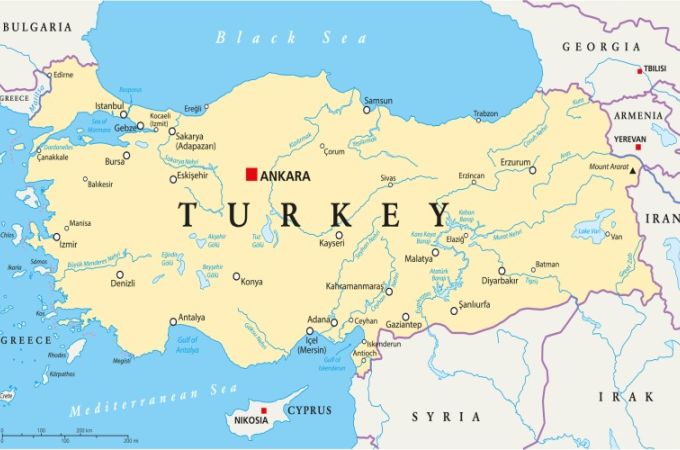
Trabzon does not feel like Mediterranean Turkey, and that is exactly why it deserves its own place in the country’s travel map.
The Black Sea gives the city a different climate, a different landscape and, in many ways, a different rhythm. Mountains rise quickly behind the coast, green valleys push inland, tea and hazelnut culture shape the wider region, and roads that look short on a map can become slow journeys once the terrain begins climbing.
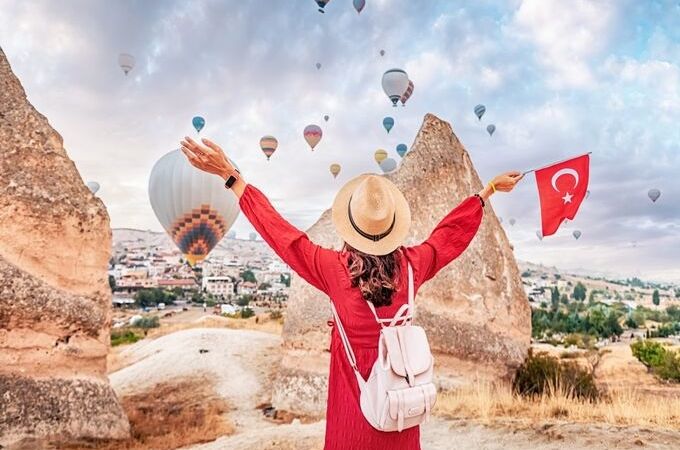
For travelers used to Istanbul, Cappadocia or the Aegean, Trabzon can feel like entering another country without crossing a border.
That contrast is the real attraction.
The city itself has historical depth, waterfront life, local food and enough urban character to justify staying rather than treating Trabzon Airport as nothing more than an arrival point. At the same time, many of the region’s most famous experiences — Sumela Monastery, Uzungol and the eastern Black Sea highlands — lie outside the city.
The planning challenge is therefore not deciding what to see.
It is deciding how much of your trip should belong to Trabzon itself and how much should belong to the mountains around it.
Trabzon Is a Base Only if You Actually Use It Like One
The first mistake many visitors make is booking several nights in Trabzon and then spending every single day on long excursions.
At that point, the city becomes a bedroom.
That can still work logistically, but it wastes one of Trabzon’s strongest advantages: you have a real Black Sea city to return to after the mountain roads.
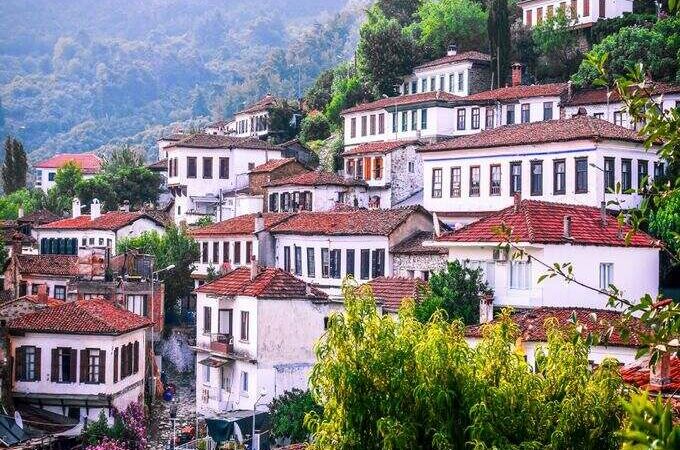
Trabzon has neighborhoods, restaurants, markets, mosques, historical buildings and a different local pace from the resort towns or tourism villages elsewhere in Turkey.
If you stay centrally, allow at least some time to walk without a tour schedule.
Have breakfast slowly.
Visit the bazaar area.
Sit somewhere with a view over the Black Sea.
Eat local dishes that belong to the region instead of defaulting to the same meal you ordered in Istanbul.
A destination becomes more memorable when it is not reduced to its surrounding day trips.
The City Has More Historical Depth Than Most Travelers Expect
Trabzon’s history stretches back through Greek, Byzantine, Komnenian and Ottoman periods, giving the city a layered identity that deserves more attention than a quick pre-Sumela stop.
The former Hagia Sophia of Trabzon is one of the clearest examples. Its architecture reflects the city’s Byzantine and later history, while the wider urban landscape carries traces of multiple civilizations that once controlled this strategic Black Sea port.
Trabzon was never historically isolated.
Its coastal position connected Anatolia with the Caucasus and the Black Sea world, while mountain passes linked inland trade routes with the coast.
This geography mattered politically and commercially.
Understanding that makes the city feel less like a modern airport gateway and more like a historical regional center.
Boztepe Is Useful Because It Explains the Geography
Boztepe is one of those viewpoints whose value goes beyond the photograph.
From above, you can see the relationship between the urban area, coastline and the rising terrain behind the city.
That perspective is extremely useful in Trabzon because geography explains so much of the region’s travel experience.
The Black Sea sits directly in front of the city.
The mountains begin almost immediately behind it.
This is why weather can feel different over short distances, why mountain excursions require more realistic driving estimates and why the regional road network behaves differently from flatter parts of western Turkey.
A few minutes looking at the city from above can make the next several days easier to understand.
Sumela Should Be Treated as a Separate Historical Experience
Sumela Monastery is one of the strongest reasons many international travelers come to Trabzon, but it should not be described as simply “the monastery near the city.”
Its dramatic cliffside setting in the Altindere Valley is central to the experience.
The journey itself matters.
Roads move away from the coast and into a much greener mountain environment before the monastery finally appears high against the rock face.
This transition is one of the reasons Sumela feels so memorable.
The site reflects a long Christian monastic history connected with the Greek Orthodox tradition and survived through changing political periods in the region.
For Trabzon planning, the key point is operational:
Sumela deserves its own substantial half-day or day structure depending on what else is added.
Trying to attach several unrelated mountain stops can turn one of the region’s most important historical visits into a rushed photo stop.
Travelers wanting that cultural emphasis can use Trabzon and Sumela tours as a practical framework while keeping the monastery’s detailed history outside this destination article.
Uzungol Is Not a Trabzon Neighborhood
This sounds obvious, but travel marketing often makes the two feel artificially close.
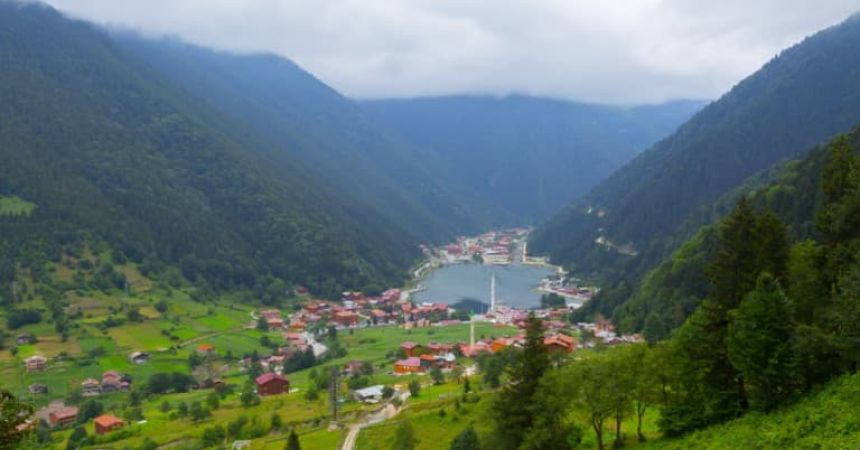
Uzungol lies southeast of Trabzon in a mountain valley and requires a meaningful road journey.
The lake, surrounding village and steep forested slopes create a completely different environment from the city.
That difference is exactly why the excursion is popular.
However, travelers should not treat Uzungol as somewhere you visit quickly after lunch and return without considering the time spent on the road.
Weather, road conditions and traffic can influence the journey, especially during busy travel periods.
For some travelers, staying overnight near Uzungol creates more value than doing a rushed round trip.
For others, a day excursion is perfectly adequate.
The decision depends on whether the lake is one scenic stop or a central part of your Black Sea trip.
Trabzon Is Stronger When the Mountains Do Not All Happen on Consecutive Days
There is a temptation in the Black Sea region to schedule one mountain excursion after another.
Sumela.
Uzungol.
Ayder.
Another plateau.
Another waterfall.
Another viewpoint.
The problem is that the days start to merge.
Roads, forests, clouds and mountain stops begin to feel repetitive even when each destination is individually worthwhile.
A better rhythm alternates:
city → mountain → city or lighter day → another regional excursion.
This prevents fatigue and makes the contrast work again.
Trabzon is valuable precisely because it gives you an urban reset between highland days.
Use it.
Food Is One of the Best Reasons to Stay in Trabzon Overnight
Regional food becomes much more meaningful when you stop treating it as something to “try once.”
The Black Sea region has its own strong culinary identity.
Kuymak or mıhlama, with melted cheese and cornmeal, is one of the most recognizable breakfast or comfort dishes associated with the region.
Akçaabat köfte is another major local specialty.
Corn, anchovies, dairy products, cabbage dishes and local breads also appear frequently across Black Sea cuisine.
This is not the same food rhythm you experience in the Aegean or southeastern Turkey.
That regional difference is important.
A traveler who eats the same grilled chicken and salad in every city misses one of the easiest ways to understand how different Turkey’s regions really are.
Akcaabat Works as a Food and Coastal Change of Pace
Just west of Trabzon, Akçaabat offers a relatively easy local extension compared with the longer mountain excursions.
It is especially well known for Akçaabat köfte, but the town also provides a more relaxed coastal rhythm that can work well after a busy sightseeing day.
This is the kind of outing that does not need to be turned into a formal excursion.
You can go for a meal, spend some time near the coast and return.
That simplicity matters.
Not every travel day needs a major entity.
Sometimes a regional food experience creates a stronger memory than another full-day tour.
The Black Sea Climate Should Influence Planning Without Owning the Blog
Trabzon is greener than much of Turkey for a reason.
Rain and moisture are part of the regional environment, and weather can change more quickly than travelers accustomed to Mediterranean coastal destinations expect.
This is not the place for a monthly climate guide — that belongs to weather content.
For trip planning, the practical lesson is simpler:
bring a lightweight rain layer and avoid building a mountain itinerary that collapses if one day is cloudy.
Cloud cover can be part of the Black Sea atmosphere rather than a failed travel day.
The region often looks dramatic precisely because mist, forest and mountain weather interact constantly.
If you need guaranteed blue skies every morning to enjoy a destination, Trabzon may not be the best match.
Transportation Is Where Black Sea Trips Become Real
Distances in the Trabzon region should not be judged only by kilometers.
Mountain roads, village traffic, elevation and weather can all affect journey time.
This means a rental car can provide useful flexibility, but it does not automatically make the trip easy.
Drivers should be comfortable with mountain roads and changing conditions.
Private or organized transfers reduce navigation stress but naturally reduce spontaneity.
There is no universal winner.
The better option depends on how much independent exploration you want.
| Travel style | Better transport choice | Why |
|---|---|---|
| City + one major excursion | Organized tour/transfer | Minimal logistical effort |
| Multi-day regional exploration | Rental car | Greater flexibility |
| Family with luggage | Private vehicle | Easier movement |
| Solo traveler | Group excursion | Lower cost and simple logistics |
| Photography-focused route | Private/rental | More control over stops |
| Short first visit | Organized logistics | Protects limited time |
This is the kind of operational decision that matters more here than generic “top attractions” rankings.
Should You Stay in Trabzon or Uzungol?
The answer depends on what you want to wake up to.
Stay in Trabzon if you want restaurants, city life, airport convenience and access to multiple day-trip directions.
Stay near Uzungol if the lake, mountain atmosphere and slower highland environment are central to your trip.
Trying to force one base to do both jobs can create unnecessary driving.
A mixed itinerary can work very well: several nights in Trabzon, then one or two nights farther into the mountains.
That structure often produces more balance than repeated day trips in and out of the city.
Trabzon Is Not the Same Experience as Rize
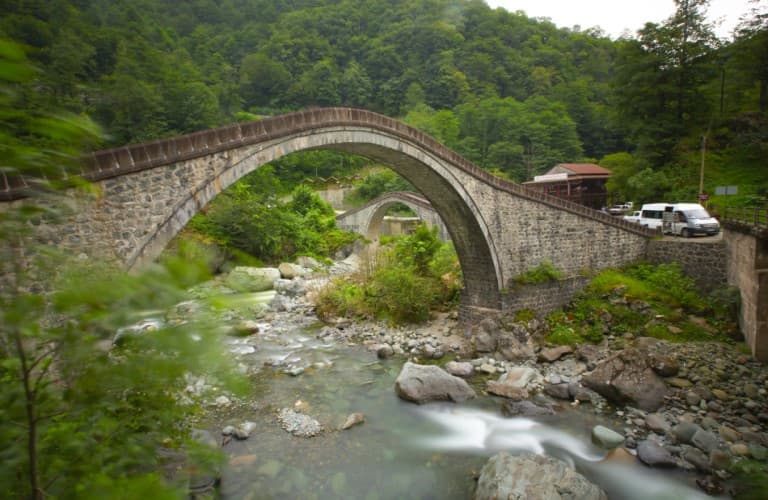
Trabzon and Rize are frequently grouped together under “Black Sea Turkey,” but they should not be treated as interchangeable.
Trabzon offers stronger urban and historical depth.
Rize is more closely associated with tea culture, mountain landscapes and access toward highland areas such as Ayder.
The two can complement each other on a longer regional route, but their travel identities are different.
Choose Trabzon when you want city + history + excursions.
Choose Rize when the wider highland environment becomes the main objective.
For travelers exploring both, Black Sea Turkey journeys can connect them without allowing one destination page to consume the other’s semantic territory.
The Hagia Sophia of Trabzon Deserves Context, Not Comparison
The name naturally encourages comparison with Istanbul’s Hagia Sophia.
That is not especially helpful.
Trabzon’s Hagia Sophia belongs to a different architectural and historical context connected with the medieval Empire of Trebizond.
Its value lies in what it tells you about Trabzon’s own history, not in whether it is larger or more impressive than Istanbul’s monument.
This is another example of why travelers should resist ranking historical sites across cities as though every church or mosque performs the same role.
Understanding the local context produces far more value.
Trabzon Works Better for Slow Travelers Than Checklist Travelers
The region rewards people who accept that a drive can take longer than expected.
That weather can change.
That the best mountain view may appear after waiting.
That lunch may last longer because the road ahead is not going anywhere.
Checklist travelers often become frustrated because the Black Sea does not always behave like a tightly controlled sightseeing corridor.
Slow travelers usually do better.
The landscape itself is part of the experience, so moving between destinations should not be treated purely as lost time.
This is especially true once the roads leave Trabzon and begin climbing inland.
Two Nights, Four Nights or a Week?
A two-night stay works when Trabzon is mainly a city introduction plus one major excursion such as Sumela.
Three or four nights provide much better balance for city time, one mountain day and one additional regional experience.
A week becomes worthwhile when the trip expands beyond Trabzon into Uzungol, Rize or the wider highlands.
At that point, I would avoid keeping one hotel for the entire stay unless there is a strong logistical reason.
Longer Black Sea trips often improve when accommodation moves with the geography.
Families Should Reduce Driving Before Reducing Experiences
Families frequently want to see every famous regional attraction because the distances appear manageable online.
Children usually experience those distances differently.
Three long road days in succession can make the mountains feel repetitive rather than exciting.
A better family itinerary chooses fewer bases and allows more time at each one.
Trabzon can provide a comfortable city start.
One carefully selected mountain stay can then deliver the highland experience without repeated backtracking.
This usually creates better memories than collecting more roadside photo stops.
Trabzon Fits Best as a Regional Journey, Not a Token Add-On
Trabzon is far enough from Turkey’s classic western tourism corridor that adding it for one rushed night rarely makes sense.
The region deserves intentional travel.
If you fly there, give yourself enough time to experience the city and at least one of the surrounding mountain landscapes properly.
Otherwise, save it for another trip.
This is not a destination that needs to appear in every first-time Turkey itinerary.
It is stronger when travelers choose it because they genuinely want to understand the Black Sea.
For that type of journey, Trabzon Black Sea tour routes can integrate city and mountain logistics without turning every day into another long excursion.
The Best Trabzon Trip Lets the Region Stay Different
Do not arrive expecting Cappadocia’s dry valleys.
Do not expect Antalya’s Mediterranean resort atmosphere.
Do not expect Istanbul’s monument density.
Trabzon is valuable because it refuses to resemble those places.
The Black Sea is greener, wetter, steeper and more regional in feeling. Food changes. Architecture changes. Driving changes. Even the relationship between city and countryside feels different because the mountains begin so close to the coast.
Spend time in Trabzon itself.
Then go inland.
Return.
Eat.
Go somewhere else the next day.
That rhythm allows the city and mountains to keep explaining each other.
Trabzon does not need to compete with Turkey’s famous destinations.
Its strongest argument is that after visiting them, it can still show you a version of the country that feels completely new.
Frequently Asked Questions About Trabzon
1. Is Trabzon worth visiting on a first trip to Turkey?
Yes for travelers genuinely interested in the Black Sea, mountain landscapes and regional culture, although it requires additional travel from Turkey’s classic western route. Visitors with limited time may prefer saving Trabzon for a longer or second journey rather than rushing it.
2. How many nights should I stay in Trabzon?
Three or four nights provide a useful balance for city exploration and one or two excursions. Two nights can work for a shorter visit, while longer Black Sea journeys usually benefit from adding an overnight outside Trabzon rather than commuting every day.
3. Is Sumela Monastery a day trip from Trabzon?
Yes. Sumela is one of the most natural excursions from Trabzon and can form a substantial part of the day because of the mountain drive and site visit. Avoid overloading the same day with too many unrelated regional stops.
4. Should I stay in Trabzon or Uzungol?
Choose Trabzon for city life, airport convenience and access to multiple excursion directions. Stay near Uzungol when the lake and mountain environment are the main purpose. Longer itineraries can combine both rather than forcing repeated road journeys from one base.
5. Is Trabzon a good place for food lovers?
Very much so. Black Sea cuisine has a distinctive regional identity, including dishes such as kuymak or mıhlama, Akçaabat köfte and numerous corn, dairy and seafood traditions. Staying overnight gives travelers more opportunity to experience these foods naturally.
6. Do I need a rental car in Trabzon?
Not necessarily. Organized tours or private transfers work well for short visits with one or two major excursions. A rental car becomes more useful for multi-day independent exploration, provided the driver is comfortable with mountain roads and changing regional conditions.
7. Is Trabzon similar to Rize?
No. Trabzon has a stronger urban and historical identity, while Rize is more closely associated with tea-growing landscapes and highland access. They complement one another on a longer Black Sea route but should not be treated as identical destinations.
8. Is Trabzon Hagia Sophia the same as Hagia Sophia in Istanbul?
No. Trabzon’s Hagia Sophia belongs to the medieval history of the Empire of Trebizond and has its own architectural context. Its significance should be understood through Trabzon’s local history rather than by comparing its scale with Istanbul’s monument.
9. Is the weather in Trabzon very rainy?
The Black Sea region receives more precipitation than many parts of Turkey, which contributes to its exceptionally green landscape. Travelers should prepare for changing conditions and carry a light rain layer rather than expecting Mediterranean-style weather throughout the trip.
10. Is Uzungol worth visiting from Trabzon?
Yes for travelers who enjoy mountain scenery and lake landscapes, but the road journey should be treated realistically. A day trip works for many visitors, while travelers wanting a quieter highland experience may benefit from staying overnight instead.
11. Is Trabzon suitable for families?
Yes, although family itineraries improve considerably when long road journeys are limited. Combining city time with one or two carefully chosen mountain experiences usually works better than scheduling a different distant excursion every day.
12. What is the biggest mistake when planning Trabzon?
The biggest mistake is treating Trabzon only as a sleeping base while spending every day on long mountain excursions. The city has its own history, food and Black Sea character, and the wider trip becomes more balanced when urban and regional experiences alternate naturally.

A travel professional specializing in tailor-made travel planning, guest experience management, and multi-destination tourism operations.
With over 23 years of experience in the travel industry, he designs and manages private and cultural tours for international travelers across Türkiye, Greece, Egypt, Jordan, Morocco, and other destinations.
He has strong expertise in both online and face-to-face guest communication, sales processes, and end-to-end travel operations.
Working closely with hotels, travel agencies, and local partners, he ensures smooth coordination and high-quality travel experiences at every stage of the journey.
His focus is on delivering personalized, reliable, and seamless travel experiences for international guests worldwide.