Sailing in Turkey: Choosing the Right Coast and Cruise Style
Updated: August 2026
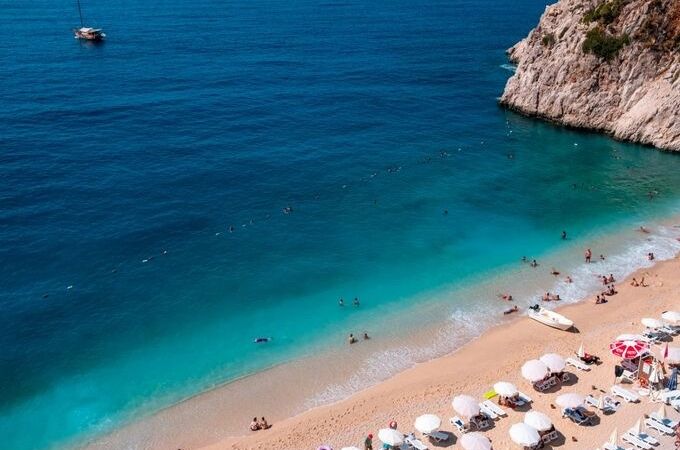
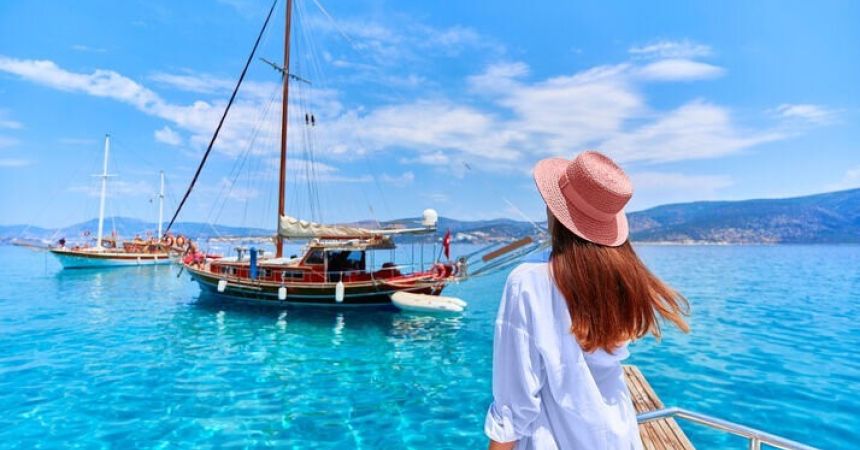
Sailing in Turkey is often described in photographs before it is explained in practical terms: pine-covered bays, wooden gulets, clear water, quiet coves and long lunches on deck. Those images are accurate, but they do not tell you which coast to choose or what kind of sailing holiday you are actually booking.
That distinction matters because a Fethiye–Göcek route feels different from a Bodrum departure, a cabin cruise is not the same product as a private gulet, and a two-night coastal extension has a completely different rhythm from spending a full week at sea.
The most useful question is not whether Turkey is good for sailing.
It is:
Which coastline and cruise format will produce the kind of holiday you actually want?
Once you answer that, the rest of the planning becomes much easier.
Start With the Coast, Not the Boat
Travelers often begin by asking which gulet looks best.
That is understandable, but route character matters first.
Turkey's southwestern and southern coastlines offer several established sailing gateways, especially Fethiye, Göcek, Marmaris and Bodrum. They all provide access to attractive bays and island-like coastal landscapes, yet they suit different travel styles.
| Sailing base | Best for | Route character | Natural pairing |
|---|---|---|---|
| Fethiye | First-time Blue Cruise travelers | Scenic bays, relaxed coastal rhythm | Cappadocia / Antalya / southwest Turkey |
| Göcek | Shorter, refined sailing | Compact gulf, sheltered coves | Fethiye region |
| Marmaris | Longer coastal routes | Broader cruising options | Fethiye or Aegean coast |
| Bodrum | Aegean sailing atmosphere | Marina culture, island-style coast | Ephesus / Aegean Turkey |
| Antalya-linked coast | Coastal extension | More land-and-sea combination | Antalya / Mediterranean touring |
The “best” coast depends less on which bay looks most dramatic and more on how the sailing portion fits the rest of the journey.
Fethiye: The Classic Blue Cruise Starting Point
Fethiye is one of the strongest choices for travelers wanting the archetypal Turkish Blue Cruise experience.
The surrounding coastline opens toward places such as Ölüdeniz, Butterfly Valley and St Nicholas Island, while nearby bays provide the sheltered swimming and overnight anchoring rhythm many travelers associate with gulet travel.
Fethiye also works well logistically.
It can be integrated into a wider Turkey itinerary after Cappadocia, Pamukkale or Antalya, particularly when the cruise is intended as the slower second half of the trip.
That contrast is important.
After several days of sightseeing, airports, hotels and archaeological visits, stepping onto a gulet creates a complete change of pace. Luggage stays put, meals come to the table, and the day revolves around sailing, swimming and where the boat anchors next.
Travelers interested in that combination can compare Turkey Blue Cruise journeys when deciding how a land tour can transition naturally into several days at sea.
Göcek: Better for a Compact, Bay-Focused Sailing Experience
Göcek has a different strength.
Rather than feeling like the beginning of a long coastal journey, it is exceptionally well suited to shorter sailing within a concentrated area of sheltered bays and islands.
This makes Göcek attractive for travelers who want the sailing experience without committing a large portion of the holiday to the cruise.
A short private yacht or gulet stay can work particularly well here because less time is consumed reaching distant sectors of coastline.
Göcek also tends to appeal to travelers who value marina quality, convenience and a slightly more polished atmosphere.
If your goal is:
“I want three relaxed days on the water before continuing the trip,”
Göcek may make more sense than choosing a longer point-to-point cruise simply because it sounds more adventurous.
Marmaris: Strong When the Cruise Itself Is the Journey
Marmaris sits naturally between Turkey's Aegean and Mediterranean coastal identities.
It works particularly well when travelers want a sailing route with enough distance to feel like a genuine coastal journey rather than a local excursion.
Routes from Marmaris can connect toward different bays and neighboring coastal areas, depending on the specific program.
The practical advantage is flexibility of sailing concept.
Marmaris can support:
- longer gulet itineraries;
- point-to-point coastal travel;
- private yacht programs;
- routes that connect with Fethiye-side sailing.
This makes it a good choice for travelers who want the boat to become a major component of the holiday rather than an optional addition.
Bodrum: Choose It for the Aegean Character
Bodrum should not automatically be grouped with Fethiye and Göcek just because all three involve turquoise water and boats.
Its character is more Aegean.
The marina culture, whitewashed architecture and location closer to western Turkey make Bodrum a more natural sailing choice for travelers already exploring Ephesus, the Aegean coast or southwestern Turkey.
Bodrum also suits travelers who want a livelier land component before or after sailing.
A Fethiye cruise often feels strongly connected to the natural coastline and secluded bays, while Bodrum has a more obvious relationship with restaurants, nightlife, marinas and the broader Aegean holiday culture.
Neither experience is superior.
They serve different travel moods.
Gulet, Yacht or Cabin Cruise?
This is where many bookings become confusing.
The word “cruise” can describe several completely different products.
Private gulet
The vessel operates exclusively for your party, with crew and itinerary arranged around the agreed route and operational conditions.
This provides the greatest privacy and flexibility, but naturally costs more.
Cabin cruise
You book a cabin rather than the entire vessel and share the gulet with other travelers.
The route and daily program are more structured, but the cost per person is much lower than chartering privately.
Private motor yacht
A motor yacht offers a different style of sailing, usually with greater speed and a more contemporary yacht experience.
The atmosphere is less traditional than a wooden gulet.
Day sailing
A day trip provides a taste of coastal cruising without overnighting onboard.
It is ideal for travelers whose itinerary cannot accommodate several nights at sea.
| Cruise style | Privacy | Flexibility | Best for |
|---|---|---|---|
| Private gulet | High | High | Families, groups, celebrations |
| Cabin cruise | Shared | Moderate/low | Couples, solo travelers, value-focused trips |
| Private yacht | High | High | Premium, faster cruising |
| Day cruise | Shared/private | Limited | Short coastal stays |
Before comparing prices, make sure you are comparing the same product type.
A Gulet Is Not a Floating Hotel
Travelers sometimes imagine gulets as conventional hotels that happen to move.
That creates the wrong expectations.
Cabins are usually more compact than land-based hotel rooms, storage is limited, bathrooms are functional rather than expansive, and the real living space is often the shared deck.
This is exactly why gulet travel works.
You spend far more time outside the cabin than inside it.
Breakfast on deck, swimming stops, sunset, lunch and evening conversations become the core of the experience.
For travelers who need large private living spaces, extensive hotel facilities or constant air-conditioning expectations, the vessel category and cabin specification should be checked carefully before booking.
The charm of a gulet comes from the fact that it is a boat first.
Private Gulet or Cabin Cruise? Decide by Social Style
The main difference is not simply money.
It is social structure.
A private gulet works especially well for:
families,
friends traveling together,
special celebrations,
groups with specific dietary requirements,
travelers wanting more control over daily pacing.
A cabin cruise suits travelers who are comfortable sharing common areas and following a published route.
For couples, solo travelers or smaller parties, this can represent excellent value because chartering an entire vessel would be unnecessary.
The question is:
Do I want the boat to feel like my private holiday space, or am I comfortable sharing the sailing experience with other travelers?
That answer often determines the product immediately.
Route Length Matters More Than Travelers Expect
A cruise itinerary should not be judged only by how many locations are listed.
Sea travel has its own rhythm.
A route containing too many distant points can create more motoring and less swimming, while a compact route can feel surprisingly rich because each bay is used properly.
For a short cruise, staying within a concentrated coastline can be an advantage.
For a longer cruise, covering greater distance can provide more variety.
That means the value of a three-night trip should not be measured by whether it visits as many places as a seven-night route.
You are purchasing time at sea, not a checklist.
Point-to-Point Cruising Can Improve a Turkey Itinerary
One of the most useful ways to integrate sailing is to avoid returning to the same place.
For example, a cruise can sometimes connect two different coastal points rather than operating only as a round trip.
This can reduce backtracking and make the sailing sector function as both transportation and holiday experience.
That is a very different value proposition from taking a day cruise and returning to the same hotel.
Travelers planning a broader coastal route can explore Turkey gulet cruise tours to understand how the sailing sector can become a bridge between regions rather than an isolated excursion.
Meals Are a Major Part of the Experience
On many gulet programs, meals form a central part of daily life onboard.
Breakfast, lunch and dinner are often served around the cruising schedule, and food becomes one of the pleasures of staying at sea.
Travelers with dietary requirements should communicate them in advance.
This is particularly important because the galley operates with limited storage and provisioning compared with a city restaurant.
Vegetarian, allergy-related or ingredient-specific needs are easier to handle when the crew knows before departure.
Last-minute requests may still be possible, but advance information creates much better operational conditions.
Sea Conditions Matter More Than the Air Temperature
Sailing comfort is not determined only by whether the weather is warm.
Wind, sea state and route exposure influence how the day feels onboard.
This blog intentionally does not become another weather guide.
The important planning point is that two equally sunny days can produce different sailing conditions.
Captains may adjust anchorages, departure times or route details according to operational conditions.
That should be understood as normal seamanship, not as failure to follow a brochure rigidly.
A safe and comfortable route is more important than insisting on a particular bay regardless of conditions.
Not Every Night Is Spent in a Marina
This is one of the biggest misconceptions among first-time gulet travelers.
Part of the attraction is overnighting in quiet bays rather than returning every evening to a town.
That means some nights are intentionally away from shops, nightlife and urban facilities.
For some travelers, this is exactly the dream.
For others, it can feel unexpectedly isolated.
Before booking, ask yourself whether you enjoy the idea of:
swimming before breakfast,
quiet evenings onboard,
limited nightlife,
and waking in a bay rather than beside a city promenade.
If that sounds restrictive rather than relaxing, a shorter cruise or marina-based yacht experience may suit you better.
Air Conditioning Needs to Be Understood Vessel by Vessel
Never assume that “air conditioning included” means continuous hotel-style cooling throughout the night.
Operating hours, generator use and vessel specifications can differ substantially between gulets.
If cabin temperature is important to you, ask about the specific boat and operation before booking.
This detail matters particularly for travelers who struggle to sleep in warm conditions.
General assumptions based on another vessel are not useful.
Gulets vary.
Luggage: Bring Less Than You Think
Hard-shell oversized suitcases are not ideal onboard small or medium-sized vessels.
Cabins have limited storage, and flexible luggage is often easier to manage.
If your gulet cruise is only one section of a longer Turkey trip, consider whether large luggage can be stored securely on land or whether your travel arrangements allow you to bring only what you need onboard.
This is an operational detail that can substantially improve cabin comfort.
You do not need a different outfit for every bay.
A Blue Cruise Works Best When You Stop Measuring Time
The biggest change from land touring is psychological.
On land, travelers think in terms of departure times, entrances, transfers and the next hotel.
At sea, the day is shaped by light, swimming, meals, navigation and anchorage.
Trying to turn a gulet holiday into a tightly scheduled itinerary defeats much of its purpose.
That does not mean nothing is organized.
The crew operates the vessel, meals need timing and routes follow practical requirements.
But the traveler should allow the rhythm to become slower.
That is usually where the value appears.

A travel professional specializing in tailor-made travel planning, guest experience management, and multi-destination tourism operations.
With over 23 years of experience in the travel industry, he designs and manages private and cultural tours for international travelers across Türkiye, Greece, Egypt, Jordan, Morocco, and other destinations.
He has strong expertise in both online and face-to-face guest communication, sales processes, and end-to-end travel operations.
Working closely with hotels, travel agencies, and local partners, he ensures smooth coordination and high-quality travel experiences at every stage of the journey.
His focus is on delivering personalized, reliable, and seamless travel experiences for international guests worldwide.