
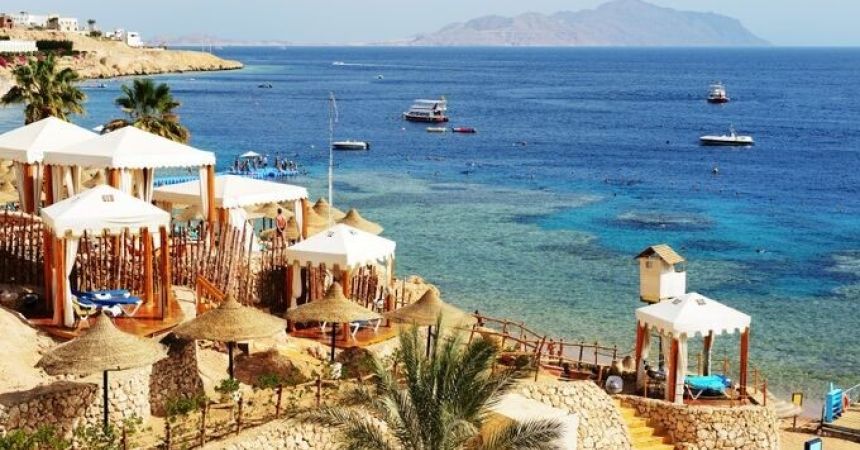
Currency Used in Egypt: A Practical Money Guide for Travelers
Currency Used in Egypt
Money is one of those travel details people often leave until the last minute. Flights are booked, hotels are confirmed, tours are arranged, and then, usually a few days before departure, the practical questions begin. What currency is used in Egypt? Should you bring cash? Are credit cards accepted? Is it better to exchange money before arrival or after landing?
The official currency used in Egypt is the Egyptian pound, known internationally by the code EGP. In Egypt, you may also see it written as LE, which comes from the French term livre égyptienne. On price tags, receipts, restaurant menus, or local signs, both EGP and LE can appear, so it is useful to recognize them before your trip.
Traveling in Egypt is not difficult when it comes to money, but it does work slightly differently from many European or North American destinations. Cards are common in hotels and larger businesses, yet cash still plays an important role in daily travel. Small tips, taxis, local markets, small cafés, public toilets, and some entrance-related extras are often easier to manage with Egyptian pounds in your pocket.
Once you understand where to use cash, when cards are practical, and how to avoid poor exchange choices, handling money in Egypt becomes much simpler.
What Is the Official Currency of Egypt?
The official currency of Egypt is the Egyptian pound. Its ISO currency code is EGP, and it is issued by the Central Bank of Egypt. The currency is divided into smaller units called piastres, although most travelers will mainly deal with pound notes during everyday spending. The Central Bank of Egypt lists denominations from 25 and 50 piastres up to EGP 200.
In real travel situations, you will mostly see banknotes such as 5, 10, 20, 50, 100, and 200 Egyptian pounds. Smaller notes are especially useful, because not every shop, taxi driver, or market seller will have change for a large note.
This is one of the first practical lessons travelers learn in Egypt: having money is not always enough; having the right size notes makes daily life easier.
A 200 EGP note might be fine at a hotel or restaurant, but it can be awkward when buying a bottle of water, tipping a porter, or paying for a short taxi ride. Keeping small notes separate in your wallet saves time and avoids uncomfortable moments.
Egyptian Pound Symbols You May See
Egyptian money can appear in several different forms, especially online and on local signs.
| Symbol or Code | Meaning |
|---|---|
| EGP | International currency code |
| LE | Common local abbreviation |
| E£ / £E | Egyptian pound symbol |
| ج.م | Arabic abbreviation for Egyptian pound |
For travelers, the most important ones are EGP and LE. If a menu says “150 LE,” it means 150 Egyptian pounds. If your bank app shows “EGP,” it is referring to the same currency.
This may sound like a small detail, but it helps avoid confusion in restaurants, shops, and tour-related payments.
What Do Egyptian Banknotes Look Like?
Egyptian banknotes are quite distinctive. One side usually features Arabic text and Islamic architectural designs, while the other side includes English text and images linked to Ancient Egypt. This mix reflects the country’s layered identity: Islamic Cairo, pharaonic history, and modern daily life all appear in the same wallet.
For visitors, the most useful thing is not memorizing every design. It is learning to check the value carefully. Some notes can feel similar at first glance, especially when you are tired after a long flight or paying quickly in a busy place.
A good habit is to pause for a second before handing over a note. Look at the number, not just the color.
Small-value notes can become worn from heavy use. That is normal. However, badly torn or extremely damaged notes may occasionally be refused, so it is better to keep cleaner notes for payments whenever possible.
Cash or Card in Egypt?
This is probably the most important money question for travelers.
The honest answer is simple: you need both.
Cards are widely accepted in international hotels, many restaurants, larger shops, cruise boats, and organized travel services. Cash, however, remains essential for smaller daily payments. Egypt is not a fully cashless destination, and relying only on your card can create unnecessary problems.
Here is a practical comparison.
| Payment Method | Best For | Less Useful For |
|---|---|---|
| Cash in EGP | Tips, taxis, markets, cafés | Large hotel bills or expensive purchases |
| Credit / Debit Card | Hotels, restaurants, larger stores | Street vendors, small tips, rural areas |
| USD / EUR Cash | Emergency backup | Everyday local spending |
| Mobile Payments | Limited tourist use | Most short-term visitors |
A traveler staying only in large hotels may use a card often. Someone exploring markets, taking local taxis, joining day tours, or visiting smaller towns will need cash more frequently.
The safest approach is to carry a mix: a main card, a backup card, some Egyptian pounds, and a small amount of emergency foreign currency kept separately.
Should You Bring US Dollars, Euros, or British Pounds?
You do not need to arrive in Egypt with large amounts of foreign cash, but carrying a reasonable amount of major currency can be useful.
US dollars and euros are generally the easiest foreign currencies to exchange. British pounds are also accepted at many exchange offices and banks, particularly in tourist areas. Still, once you are in Egypt, daily purchases are usually best made in Egyptian pounds.
Some travelers ask whether they can simply pay everywhere in dollars or euros. In tourist areas, a few businesses may accept foreign currency, but that does not always mean it is a good idea. The exchange rate used may not be favorable, and you can lose money without noticing.
For normal spending, Egyptian pounds are usually the better choice.
Foreign currency works best as a backup or for certain travel-related payments when clearly agreed in advance.
Where to Exchange Money in Egypt
Exchanging money in Egypt is usually straightforward if you use official channels.
Banks, licensed exchange offices, and airport exchange counters are the safest choices. Hotels may also exchange money, but the rate is not always as competitive. Street exchange offers should be avoided, even if the rate sounds attractive.
The Egyptian pound has experienced periods of fluctuation in recent years, including a major currency float in 2024 as part of wider economic reforms. Because rates can move, it is better to check current exchange values close to your travel date rather than relying on old blog posts or outdated forum comments.
A practical approach is to exchange a small amount at the airport when you arrive, just enough for tips, snacks, transport, or immediate expenses. Later, you can exchange more at a bank, ATM, or licensed exchange office in the city.
This avoids arriving with no local cash while also preventing you from changing too much money at once.
Airport Exchange vs City Exchange Offices
Airport exchange desks are convenient. After a long flight, convenience matters.
Still, they are not always the best place to exchange your entire travel budget. Many travelers change a modest amount at the airport, then compare rates later in Cairo, Luxor, Aswan, Hurghada, or Sharm El Sheikh.
| Exchange Option | Advantage | Best Use |
|---|---|---|
| Airport exchange counter | Fast and convenient on arrival | Small first amount |
| Bank | Secure and official | Larger exchanges |
| Licensed exchange office | Often practical in tourist areas | Comparing rates |
| Hotel reception | Easy but sometimes weaker rate | Emergency or small amount |
| Street exchange | Risky and unofficial | Avoid |
The difference on a small amount may not matter much. On a larger amount, it can become noticeable.
A little patience often gives you a better result.
How Much Cash Should You Carry Each Day?
There is no perfect number, because travel style matters. A guest on a fully organized tour will need less daily cash than someone arranging taxis, meals, tickets, and shopping independently.
For a normal sightseeing day, it is useful to carry enough Egyptian pounds for small tips, drinks, snacks, short taxi rides, market purchases, and minor extras. You do not need to carry your entire trip budget in your day bag.
Keep the rest in your hotel safe when possible.
The most useful habit is separating your money. Keep small notes in an easy-to-reach pocket for daily payments, and larger notes somewhere more secure. This makes payments quicker and also avoids showing too much cash in public.
Why Small Notes Matter More Than You Expect
Small notes are surprisingly valuable in Egypt.
A 10 or 20 EGP note can be useful for tips. A 50 EGP note may work well for small purchases. Larger notes are better for restaurants, shops, or payments where change is clearly available.
The problem is that small notes disappear quickly. After a day of tipping hotel staff, drivers, restroom attendants, and luggage handlers, many travelers realize they are left only with large notes.
Whenever you exchange money or withdraw from an ATM, try to break large notes at supermarkets, hotel receptions, or restaurants. Do this before you actually need small change.
It is a simple habit, but it makes travel smoother.
Using ATMs in Egypt
If you don't want to carry a large amount of cash from home, ATMs are one of the easiest ways to get Egyptian pounds after you arrive.
You'll find cash machines at airports, shopping centers, banks, major hotels, and throughout cities such as Cairo, Luxor, Aswan, Hurghada, and Sharm El Sheikh. Most international debit and credit cards work without difficulty, although your own bank may charge an overseas withdrawal fee.
One tip that experienced travelers often share is to use ATMs attached to bank branches whenever possible. They tend to be more reliable, better maintained, and offer extra security compared with standalone machines on busy streets.
If your card asks whether you'd like the withdrawal charged in your home currency or in Egyptian pounds, choosing the local currency is often the better option. Your own bank frequently provides a more competitive exchange rate than the ATM's currency conversion service.
Paying by Credit Card
Compared with a decade ago, paying by card in Egypt has become much easier.
Most four- and five-star hotels, larger restaurants, shopping malls, supermarkets, museums, and established tour operators accept Visa and Mastercard. Contactless payment is also becoming more common in larger cities.
That said, cash is still part of everyday life.
Family-run cafés, local bakeries, traditional markets, independent souvenir shops, and some taxi drivers may accept only cash. Even where cards are accepted, internet connections occasionally fail, making cash a useful backup.
Rather than asking whether Egypt is a "cash country" or a "card country," it's more accurate to say it's comfortably somewhere in between.
Cash vs Card: Which Works Better?
The answer depends entirely on where you are.
| Situation | Cash | Card |
|---|---|---|
| Luxury hotels | ✓ | ✓✓✓ |
| Local restaurants | ✓✓ | ✓ |
| Souvenir markets | ✓✓✓ | Sometimes |
| Supermarkets | ✓ | ✓✓✓ |
| Taxi rides | ✓✓✓ | Occasionally |
| Nile cruises | ✓ | ✓✓ |
| Small cafés | ✓✓✓ | Sometimes |
A simple rule works well throughout Egypt:
Use your card for larger expenses and keep Egyptian pounds for everything else.
That combination gives you flexibility without carrying unnecessary amounts of cash.
Is Tipping Expected in Egypt?
Sooner or later, every visitor hears the word baksheesh.
Tipping has long been part of Egyptian culture, particularly in tourism. While it's not legally required, it is widely appreciated and often expected for good service.
Hotel staff, drivers, tour guides, restaurant employees, luggage porters, and even attendants at public facilities may receive small tips.
For first-time visitors, this can feel unfamiliar. The easiest approach is not to overthink it. Keep a few smaller notes in an easily accessible pocket and use them naturally when someone provides helpful service.
Trying to calculate the "perfect" amount for every situation usually creates more stress than necessary.
Good service deserves appreciation, but tipping shouldn't feel uncomfortable or forced.
Can You Bargain in Egypt?
Shopping in Egypt is often very different from shopping in fixed-price stores back home.
In traditional bazaars such as Cairo's famous Khan el-Khalili, bargaining is part of the experience rather than a confrontation. Prices for souvenirs, handmade crafts, spices, and decorative items are often negotiable.
The conversation itself is usually friendly. Shopkeepers expect visitors to ask questions, compare products, and negotiate politely.
Large supermarkets, pharmacies, shopping malls, and branded stores operate with fixed prices, so bargaining isn't appropriate there.
Knowing the difference helps avoid awkward situations.
Planning a Daily Spending Budget
One of the reasons Egypt remains popular is that it offers good value for many travelers.
Your daily budget depends largely on your travel style.
Someone staying in luxury hotels with private guides will naturally spend more than a backpacker using public transport. Most visitors, however, fall somewhere in between.
Here's a general comparison.
| Travel Style | Typical Daily Spending |
|---|---|
| Budget traveler | Lower daily costs with local restaurants and simple accommodation |
| Mid-range traveler | Comfortable hotels, guided tours, restaurants, occasional shopping |
| Luxury traveler | Premium hotels, private transfers, fine dining, exclusive experiences |
Instead of carrying cash for your entire holiday, many travelers withdraw smaller amounts every few days. It feels safer and makes it easier to keep track of spending.
Simple Money Tips That Make Travel Easier
The biggest money mistakes in Egypt are surprisingly easy to avoid.
Don't keep all your cash in one place.
Carry only what you expect to need during the day.
Keep one payment card separate from your main wallet.
Hold on to a few smaller notes whenever possible.
And perhaps most importantly, don't become overly focused on exchange rates during your holiday. Spending an extra few pounds on a cup of tea while watching the Nile at sunset is unlikely to affect your travel budget, but the memory may stay with you for years.
Travel is about experiences, not chasing the last decimal point.
Common Questions Travelers Ask Before Arriving
Many first-time visitors worry about money far more than they need to.
Once you're in Egypt, paying for everyday things quickly becomes routine. Hotel staff explain local customs, guides are happy to answer practical questions, and most businesses that regularly welcome international visitors make the payment process straightforward.
The first day always feels unfamiliar.
By the second or third day, you'll probably find yourself recognizing banknotes, knowing when to use cash, and understanding exactly why those smaller notes are so useful.
Like many parts of travel, it feels complicated only until you've actually experienced it.
Travel Through Egypt with Confidence
Managing money is only one small part of a successful trip. Choosing the right itinerary, staying in well-located hotels, and having reliable local support often makes a much bigger difference. When transportation, sightseeing, and daily logistics are carefully arranged, you can spend less time worrying about practical details and more time enjoying Egypt's extraordinary history and culture.
At Magnificent Travel, we design journeys that combine flexibility with local knowledge. Whether you're looking for Egypt escorted tours, tailor-made private Egypt holidays, or complete Egypt and Nile cruise packages, our team helps make every stage of your trip straightforward—from airport arrivals to your final day exploring ancient temples. That means you can focus on the experience, not the logistics.
Frequently Asked Questions
What currency is officially used in Egypt?
Egypt uses the Egyptian pound (EGP) as its official currency. You may also see it written as LE or E£ on menus, receipts, and shop signs. All three refer to the same national currency used throughout the country.
Should I exchange money before traveling to Egypt?
It's useful to arrive with a small amount of Egyptian pounds or exchange a little at the airport. After reaching your destination, banks, licensed exchange offices, and ATMs usually offer convenient ways to obtain additional local currency.
Can I use US dollars or euros in Egypt?
Some hotels and tourist businesses may accept US dollars or euros, but everyday purchases are generally easier and better value when paid in Egyptian pounds. Local currency is the preferred option for restaurants, taxis, and smaller shops.
Are credit cards widely accepted in Egypt?
Yes, especially in hotels, shopping malls, larger restaurants, and established tourist businesses. However, cash remains important for markets, taxis, tips, smaller cafés, and many independent local shops throughout the country.
How much cash should I carry each day in Egypt?
Carry enough Egyptian pounds for meals, tips, transport, and small purchases, but avoid carrying your full holiday budget. Keeping larger amounts securely stored at your accommodation is generally the safer and more practical approach.
Is tipping expected in Egypt?
Yes. Tipping is a well-established part of everyday life, particularly within the tourism industry. Small tips are commonly given to guides, drivers, hotel staff, porters, and others who provide helpful service during your visit.

A travel professional specializing in tailor-made travel planning, guest experience management, and multi-destination tourism operations.
With over 23 years of experience in the travel industry, he designs and manages private and cultural tours for international travelers across Türkiye, Greece, Egypt, Jordan, Morocco, and other destinations.
He has strong expertise in both online and face-to-face guest communication, sales processes, and end-to-end travel operations.
Working closely with hotels, travel agencies, and local partners, he ensures smooth coordination and high-quality travel experiences at every stage of the journey.
His focus is on delivering personalized, reliable, and seamless travel experiences for international guests worldwide.
