White Desert Egypt: Is the Experience Worth the Journey?
Updated: August 2026
Egypt already contains enough desert to make the phrase “desert experience” sound almost redundant.
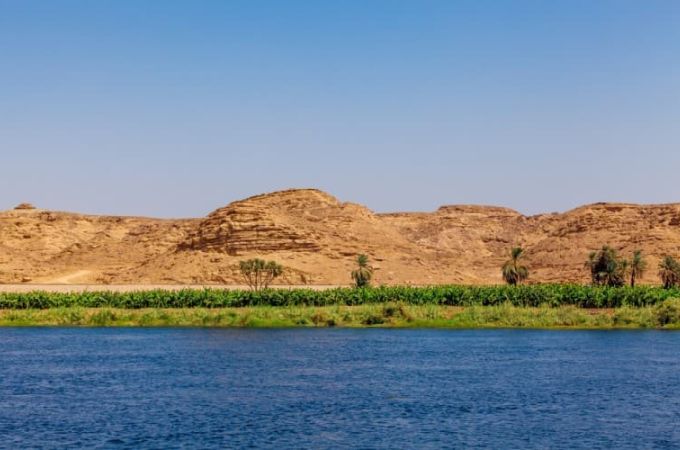
You see arid landscapes around Giza, watch the green Nile corridor end abruptly against vast dry terrain and cross long stretches of open country while moving between destinations. For a first-time visitor, the desert is present almost continuously, even when it is not the principal reason for the day's journey.
The White Desert asks you to experience it differently.
Here the landscape stops functioning as the space between monuments and becomes the destination itself. Pale chalk formations rise unexpectedly from the desert floor, wind and erosion have created shapes that can appear sculptural from one angle and almost surreal from another, and the absence of dense settlement changes both the visual scale and the rhythm of the experience.
Reaching this part of Egypt's Western Desert requires commitment. The White Desert does not sit conveniently outside Cairo as a quick afternoon excursion, while experiencing the landscape properly usually involves accepting that remoteness rather than attempting to remove it from the trip.
That produces the real question:
Is spending significant time reaching, entering and often sleeping within the desert worth giving up days that could otherwise remain in Cairo, Luxor, Aswan or elsewhere?
For the right traveler, emphatically yes.
For the wrong itinerary, not at all.
The White Desert Is Not Valuable Because Egypt “Needs More Scenery”
A common mistake is evaluating the White Desert as though it were another visual attraction competing with the Pyramids, Nile or temples.
Its value is experiential rather than monumental.
At Giza, the desert frames some of humanity's most recognizable architecture. Around Luxor, landscape gives archaeological sites their wider context. In the White Desert, there is no monument required to justify the horizon.
The geological environment itself commands attention.
The extraordinary chalk formations associated with the White Desert were shaped through long-term geological processes and erosion, leaving isolated towers, rounded forms and unusual silhouettes across the pale landscape. Some have acquired informal names because visitors recognize familiar shapes in them, although reducing the entire desert to formations resembling mushrooms, animals or other objects misses the larger effect.
What makes the landscape memorable is scale and repetition.
One unusual rock is interesting.
An entire environment governed by pale formations against open desert changes how you perceive the place.
You Are Choosing Immersion, Not Another Sightseeing Stop
This distinction determines whether the White Desert belongs in the trip.
A conventional attraction allows you to arrive, understand what you came to see and leave after a defined period. A desert experience becomes meaningful partly because you spend enough time inside the environment for your relationship with it to change.
The light shifts. Distance becomes difficult to judge. Familiar urban sound disappears. The landscape that initially seemed empty begins revealing texture.
That is why trying to reduce the White Desert to the shortest possible visit can defeat the purpose.
You may technically see the formations, take photographs and confirm that the landscape exists.
What you lose is the part of the experience that only appears when there is no immediate pressure to leave.
The White Desert therefore deserves to be evaluated less like an attraction and more like a temporary way of traveling.
The Overnight Question Changes Everything
For many travelers, the most important decision is whether they are comfortable with an experience that extends beyond daylight sightseeing.
Spending a night in or around a remote desert environment can transform the journey because sunset, darkness and early morning become part of the landscape rather than boundaries around a daytime excursion.
This is where expectations need to become realistic.
Desert camping is not a conventional hotel night transported outdoors.
Comfort levels depend on the arrangement, equipment and style of experience, but travelers should generally approach the overnight component because they value remoteness and environment rather than expecting normal hotel convenience.
The same absence of infrastructure that can make the night feel extraordinary can also make it inappropriate for someone who needs particular comfort, facilities or predictable conditions.
Neither response requires justification.
Some travelers hear “sleep in the desert” and immediately understand the appeal.
Others hear exactly the same phrase and know they would rather return to a proper bed.
That personal reaction is useful information.
A Hotel Traveler Can Still Love the White Desert
There is an unhelpful assumption that travelers interested in desert camping need to be highly adventurous, physically tough or accustomed to rough travel.
Not necessarily.
Someone can spend most of an Egypt holiday in excellent hotels and still consider one desert night the highlight because the experience provides something those hotels cannot.
The deciding factor is often tolerance for temporary simplicity, not identity as an “adventure traveler.”
Can you accept one night where surroundings matter more than facilities?
Can you enjoy the unusual precisely because it is not how you normally sleep?
Are you comfortable with the idea that environmental conditions influence the experience more strongly than they would inside a hotel?
If yes, the contrast can be powerful.
If no, forcing yourself into an overnight experience because travel culture suggests it is somehow more authentic rarely produces a better trip.
Bahariya Has a Logistical Role, but It Should Not Steal the Intent
Travelers researching the White Desert quickly encounter Bahariya Oasis, because it plays an important role in access to this part of the Western Desert.
That naturally creates a cluster risk.
A weak article would begin expanding into Bahariya's history, accommodation, attractions, surrounding destinations and a complete road itinerary. Before long, White Desert Egypt has become a generic Western Desert route guide.
We should resist that.
For this page, Bahariya matters because it reminds travelers of something operationally important:
The White Desert is not reached by simply driving out of central Cairo and arriving shortly afterward among white formations.
There is a transition into the Western Desert experience, and the logistical structure surrounding that transition needs to be respected.
Bahariya can be the gateway without becoming the semantic owner of this article.
This Experience Is More About Landscape Than Luxury
The travel industry has become extremely good at making remoteness luxurious.
Across the world, desert accommodation can involve private tents, fine dining and carefully staged experiences. There is nothing inherently wrong with that approach.
But it is useful to ask what you are really trying to purchase in Egypt's White Desert.
If the answer is luxury itself, numerous destinations can supply it with fewer logistical complications.
If the answer is a strange geological landscape, silence, open desert and the change in perspective created by spending meaningful time there, then comfort should support the experience without becoming its reason for existing.
This distinction matters because photographs of highly styled desert arrangements can shift expectations away from the landscape that justified the journey in the first place.
The White Desert should remain larger than the campsite.
The Difference Between Siwa and the White Desert Is the Difference Between Place and Experience
Because both appear within discussions of Egypt's Western Desert, travelers may reasonably wonder whether they serve the same purpose.
They do not.
Siwa is an oasis destination with a living community, distinctive regional culture, agriculture, architecture and a geographical identity that rewards spending time within the destination itself.
The White Desert is more strongly landscape-led.
Its value comes from entering an unusual desert environment and allowing that environment to dominate the experience for a period of time.
| If Your Priority Is... | Siwa | White Desert |
|---|---|---|
| Living oasis community | Central | Not the primary reason |
| Distinct regional culture | Major part of experience | Secondary to landscape |
| Geological desert spectacle | Part of wider environment | Core motivation |
| Staying in a destination | Strong | Experience-led instead |
| Overnight desert immersion | Possible component | Often central to the appeal |
| Why you make the detour | The oasis itself | The desert experience |
This is the only Siwa comparison this page needs.
Turning it into “White Desert vs Siwa” would create yet another competing intent.
Darkness May Be More Memorable Than the Famous Formations
The White Desert is usually marketed through daylight photographs because those images explain its name immediately.
Yet the part many landscape-oriented travelers value most may come after the visual spectacle becomes less obvious.
Without dense artificial lighting, a desert night alters the relationship with the place. The formations disappear into silhouettes, distance becomes harder to interpret, and attention shifts away from photographing shapes toward noticing silence, temperature and sky.
That shift matters because it transforms the experience from sightseeing into presence.
There is no guarantee that every night produces perfect atmospheric conditions, nor should a journey be sold as though nature follows a marketing schedule.
The value lies in allowing natural conditions to become part of what happens rather than expecting the environment to perform identically for every visitor.
Remoteness Has to Be Something You Want, Not Merely Endure
Travelers sometimes describe remote destinations as though inconvenience automatically proves their value.
It does not.
A long journey to an average experience remains a long journey.
The White Desert becomes worthwhile when remoteness actively improves what you came to experience. Limited development, vast open views and reduced urban intrusion are not unfortunate side effects here; they are central to the appeal.
This gives travelers a useful self-test.
If you spend the entire journey wishing the White Desert were closer to Cairo, more developed and easier to leave, you may be fighting the exact qualities that distinguish it.
If remoteness is part of what excites you, the logistical commitment becomes easier to accept.
One of the Biggest Rewards Is the Absence of Historical Homework
Egypt's cultural journeys can be intellectually intense.
At Saqqara you are absorbing chronology. Around Luxor you are distinguishing temples from tombs and kings from gods. Museums add thousands of objects and further context, while a good guide continually reveals information worth remembering.
The White Desert demands a different type of attention.
You do not need to understand a dynasty before appreciating the horizon.
Geology can certainly deepen interpretation, but the landscape remains visually legible without requiring extensive preparation.
For travelers who love Egypt's history but need a break from processing it, this change can be surprisingly restorative.
The desert offers contrast without becoming a resort.
That is an unusual position within an Egypt itinerary.
Archaeology Travelers May Appreciate the Desert More Than They Expect
The White Desert is not primarily an archaeological destination, which is precisely why it can work well alongside an archaeology-heavy journey.
Travel fatigue does not always come from movement. Sometimes it comes from repetition of attention.
If six consecutive days require close listening, site interpretation and constant historical context, switching to a landscape where the principal task is simply to observe can reset the journey.
This is particularly valuable for travelers using Egypt Desert Tours as a deliberate counterpoint to Cairo and Upper Egypt rather than treating the desert as another attraction category to complete.
The experience succeeds when it creates a different mental rhythm.
Families Need to Decide Based on the Night, Not the Photographs
Children may find the desert landscape enormously exciting.
Open space, unusual formations and the novelty of sleeping away from a conventional hotel can create strong memories. For some families, the absence of normal urban surroundings becomes part of the adventure.
Yet family suitability cannot be judged only from the fun parts.
Parents need to consider children's comfort with road travel, changing facilities, sleeping arrangements, unfamiliar environments and the more limited infrastructure associated with remoteness.
A child fascinated by the idea may cope beautifully.
Another who needs a highly predictable bedtime routine may find the experience less magical by midnight.
Family travel becomes better when adults evaluate the whole night, not simply the daytime scenery.
Travelers With Specific Comfort Needs Should Ask More Questions, Not Fewer
Remote experiences benefit from honest communication.
If mobility, medical needs, dietary requirements, sleep arrangements or access to particular facilities matter significantly, those questions belong before booking rather than after arrival.
The White Desert should never be sold through the idea that discomfort is proof of authenticity.
A well-organized experience should clarify what is realistically provided, what is not, and whether the traveler's needs can be accommodated safely and comfortably.
For Private Egypt Tours, customization has particular value in situations like this because the question is not merely where the traveler wants to go. It is whether the form of the experience genuinely matches the people taking part.
The White Desert Is Easy to Add Badly
This may be the most important planning warning.
Because the White Desert feels completely different from Cairo, it can be tempting to squeeze it into an itinerary simply to maximize contrast.
But contrast requires time.
If the desert experience sits between two fixed flights, follows an exhausting arrival or forces another major destination to lose the time it actually needs, the addition can destabilize the wider trip.
The relevant cost is therefore not only the hours required to reach the desert.
It is what happens before and after.
A strong experience deserves a strong position in the itinerary.
Otherwise the traveler spends the desert night thinking about tomorrow's transfer instead of the desert.
Give the White Desert a Job
Every destination or experience in a good itinerary should answer a question.
Why is it there?
For the White Desert, several answers make sense:
It provides landscape contrast after an archaeology-heavy journey.
Desert immersion is personally important to me.
I specifically want an overnight experience away from Egypt's cities and conventional hotels.
Geology and unusual landscapes are among my main travel interests.
Much weaker answers include:
It was on a list.
We had two empty days.
Everyone says it looks amazing.
The difference between those groups of answers is intention.
Remote experiences are too expensive in time to exist without one.
What You Sacrifice Tells You Whether You Really Want It
The cleanest White Desert decision often appears when you identify the alternative.
| To Include the White Desert, You Would Sacrifice... | What That Suggests |
|---|---|
| Another rushed Cairo attraction | Desert may add stronger contrast |
| Your only relaxed day | Think carefully about accumulated fatigue |
| A meaningful Luxor day | Archaeological priorities may win |
| A Red Sea resort day | Decide whether you want landscape or relaxation more |
| Nothing because trip is long enough | White Desert becomes much easier to justify |
| Another desert experience | Choose which has the clearer purpose |
This is more useful than a universal recommendation.
Every traveler is spending the same currency: limited days.
The only difference is what those days are worth elsewhere.
White Desert Photography Is a Bonus, Not a Planning Strategy
The landscape is exceptionally photogenic.
Its pale formations, changing light and open horizons naturally attract photographers, while sunset and early morning can change the appearance of the same geological structures considerably.
But photography should not become a promise.
Weather, light, visibility and environmental conditions are variable. The desert is not a controlled studio where a particular image is guaranteed because you traveled far enough to earn it.
Photographers who understand that tend to gain more from the experience because they remain attentive to what the landscape is actually offering.
The same principle applies to non-photographers.
Arrive with expectations.
Leave room for the place to contradict them.
You Do Not Have to Be an “Adventure Traveler”
Labels can discourage people unnecessarily.
The White Desert is often grouped with adventure travel, and there is an adventurous element to leaving Egypt's principal visitor corridor and spending time in a remote environment.
That does not mean visitors need to define themselves as adventurers.
A couple interested in unusual landscapes may value it. A history-focused traveler may welcome a complete thematic change. A photographer may come for geology and light. Someone who normally prefers comfortable hotels may decide that one unusual night is exactly the contrast they want.
The relevant quality is openness to the environment, not belonging to a travel tribe.
When I Would Leave the White Desert Out
I would remove it from a short first trip when doing so protects Cairo, Luxor or another destination that the traveler values more strongly.
I would also reconsider it when the overnight aspect creates anxiety rather than excitement, when physical or medical needs cannot be comfortably supported, or when the itinerary already contains another substantial desert experience that fulfills the same purpose.
Travelers who primarily want rest should also distinguish between quiet and relaxation.
A remote desert can be wonderfully quiet, but transportation, environmental exposure and non-hotel sleeping arrangements do not necessarily equal a conventional relaxing break.
That distinction matters.
When the White Desert Becomes the Right Kind of Detour
The answer becomes much clearer when landscape itself is one of your reasons for traveling.
If you want the journey to contain something that cannot be explained through a temple, museum, city or resort, the White Desert occupies an unusual niche.
For travelers building Egypt Adventure Tours, it can also provide a genuinely different form of activity without requiring the experience to become physically extreme.
Most importantly, the White Desert can change the texture of an Egypt trip.
Cairo is dense. The Nile Valley is historically concentrated. The Red Sea is aquatic and recreational. The White Desert strips the environment back until landscape occupies almost everything.
That difference is not supplementary.
For the right traveler, it is the reason to go.
So, Is the White Desert Worth the Journey?
Yes, when you want the desert experience itself, rather than merely another unusual photograph.
Its strongest qualities—remoteness, silence, geological landscapes and the possibility of spending meaningful time outside Egypt's conventional hotel-and-monument circuit—are the same qualities that make it a poor addition for travelers who want infrastructure, minimal transfers or a highly compressed itinerary.
That is why White Desert planning should begin with willingness rather than logistics.
Are you interested enough in landscape to give it real time?
Does the idea of an overnight desert environment appeal rather than merely sound tolerable?
Will adding it improve the rhythm of your Egypt journey rather than forcing three other destinations to become rushed?
If the answer to those questions is yes, the travel commitment begins to make sense.
The White Desert does not need to compete with the Pyramids.
It offers something entirely different.
For several hours, there may be no famous monument in front of you, no museum label to read and no ancient king whose chronology needs remembering.
There is simply an enormous, strange landscape and enough time to notice it.
That is either exactly what your Egypt trip needs or something it can comfortably live without.
Knowing which is true before you go is the entire point of this page.
Frequently Asked Questions About Choosing the White Desert
1. Is the White Desert still worthwhile if I have already seen desert landscapes around Egypt?
Yes, if unusual geology and immersion in landscape interest you. The White Desert differs from simply viewing arid scenery between destinations because its chalk formations and remote environment become the principal experience rather than the background to archaeology or transportation.
2. Do I need to enjoy camping to appreciate the White Desert?
Not necessarily, although comfort with a non-hotel overnight environment can significantly affect the experience. Travelers who value the landscape may accept temporary simplicity easily, while those strongly dependent on conventional facilities should understand the arrangements before committing.
3. Is seeing the White Desert in daylight enough?
You can appreciate the geological landscape during daylight, but spending longer in the environment changes the experience substantially. Sunset, darkness and early morning introduce different conditions, which is why many travelers value the immersive overnight dimension rather than treating it as a photo stop.
4. Can someone who normally chooses upscale hotels still enjoy this experience?
Absolutely. Preference for comfortable hotels does not prevent someone from enjoying one unusual night in a remote setting. What matters is understanding the facilities realistically and choosing the experience because the environment interests you rather than because discomfort is supposed to be virtuous.
5. Is the White Desert mainly for photographers?
No. Photographers naturally respond to its formations and changing light, but travelers interested in geology, silence, desert landscapes or simply experiencing a dramatic contrast with Egypt's cities can find it equally rewarding without approaching the journey through a camera.
6. Why shouldn't I treat the White Desert as a quick side excursion?
The travel commitment and remoteness make an aggressively compressed visit poor value. The destination becomes more meaningful when travelers allow enough time for the environment itself to register rather than investing substantial transportation time for a brief series of photographs.
7. Is the White Desert relaxing?
It can feel mentally restorative because of its silence and lack of sightseeing density, but that is different from resort relaxation. Road travel, outdoor conditions and camping arrangements may still require energy, so travelers should distinguish peacefulness from conventional comfort.
8. Would I enjoy the White Desert if archaeology is my main interest in Egypt?
Possibly even more because it creates strong contrast. After several days of temples, tombs and museums, a landscape-led experience can change the type of attention the journey requires without competing directly with Egypt's archaeological heritage.
9. Is the White Desert appropriate for travelers who dislike organized group experiences?
It can be, depending on the arrangement. Remoteness requires appropriate logistics and experienced local support, but that does not mean every experience must feel like a large group excursion. Travelers should choose the format according to their preferred level of privacy.
10. How do I know whether the overnight element is right for me?
Imagine the actual night rather than the promotional photograph. If remoteness, changing temperatures, simpler facilities and sleeping outside a conventional hotel sound like worthwhile parts of the experience, you are probably approaching it with realistic expectations.
11. What should I remove first if the White Desert makes my itinerary too crowded?
Remove the White Desert itself if doing so protects destinations that matter more personally to you. A remote experience should never survive merely because it is unusual. Its purpose must be strong enough to justify the time taken from the rest of the journey.
12. What makes the White Desert genuinely different from other Egypt destinations?
Few major Egypt experiences ask travelers to focus almost entirely on landscape rather than civilization. In the White Desert, geology, open space, light and remoteness provide the narrative, creating an unusual pause from the monuments and cities that dominate many first journeys.

A travel professional specializing in tailor-made travel planning, guest experience management, and multi-destination tourism operations.
With over 23 years of experience in the travel industry, he designs and manages private and cultural tours for international travelers across Türkiye, Greece, Egypt, Jordan, Morocco, and other destinations.
He has strong expertise in both online and face-to-face guest communication, sales processes, and end-to-end travel operations.
Working closely with hotels, travel agencies, and local partners, he ensures smooth coordination and high-quality travel experiences at every stage of the journey.
His focus is on delivering personalized, reliable, and seamless travel experiences for international guests worldwide.