In May, Petra Makes You Notice How Long You Have Been in the Sun
Author: Kenan Ungur
Article Date: 16.09.2024
Reading Time: 15 min

In May, Petra Makes You Notice How Long You Have Been in the Sun

Updated: August 2026

May can begin deceptively.

You enter Petra in the morning, the air feels comfortable, walking comes easily, and the sandstone landscape seems to offer exactly the kind of spring day you hoped for. Nothing about those first hours necessarily suggests that sunshine will become one of the main factors shaping your visit.

The change happens gradually.

After the Siq opens toward the Treasury and you continue deeper into the archaeological city, longer sections of the route become exposed to direct light. By midday, you may have spent several hours moving between open archaeological areas, stone surfaces and routes where substantial shade is not always available exactly when you want it.

That accumulated exposure is May's real story.

The month sits in an important position between spring and the hotter summer period. Daytime temperatures generally rise compared with April, rainfall becomes less prominent, and sunshine takes a stronger role in how a long day inside Petra feels. Individual conditions naturally vary, which makes checking the forecast for your actual dates more useful than relying on averages alone.

What separates May from the months around it is not simply that Petra becomes warmer.

It is that sun exposure begins influencing route decisions before extreme summer heat becomes the dominant problem.

The Siq Can Give You the Wrong Idea About the Rest of the Day

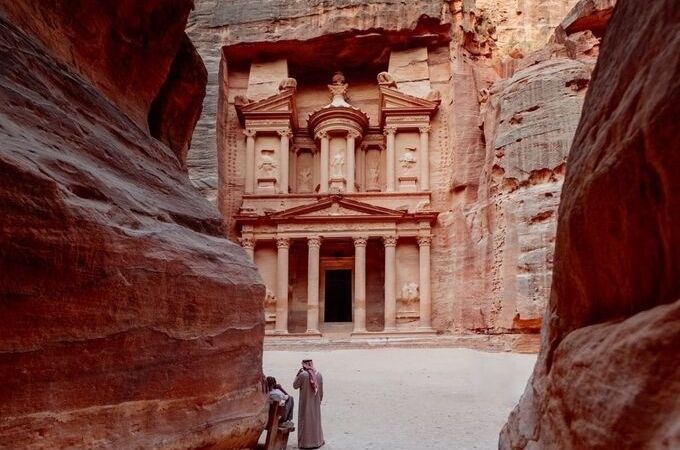
Petra's entrance sequence is unusual because one of its earliest major sections also offers some of its most dramatic natural enclosure.

Inside the Siq, towering sandstone walls create substantial periods of shade. Depending on the hour, you can walk through sections where direct sunshine feels surprisingly limited.

Then the landscape opens.

The Treasury is only the beginning, and as you continue toward wider archaeological areas, the balance between shade and exposure changes considerably. What felt like a comfortably protected morning can develop into a much brighter walking day.

This matters for travelers on a May Petra walking journey because the conditions experienced during the first hour should not determine how you prepare for the next five.

Petra's geometry changes as you move through it.

So does your relationship with the sun.

Shade Is Unevenly Distributed

It is tempting to imagine shade as something you can simply find whenever you become warm.

Petra does not work quite like that.

Some sections provide natural protection from cliffs, structures or the orientation of the terrain, while others leave you exposed for meaningful periods. A route can therefore alternate between comfortable shaded passages and open areas where sunlight becomes difficult to ignore.

Instead of waiting until you actively want shade, notice where opportunities occur.

A short pause in a suitable shaded location can be more useful than walking another twenty minutes and then discovering that the next section offers very little protection.

This is not yet summer heat scheduling.

It is using the site's natural rhythm intelligently.

May's Most Important Number Is Not the Maximum Temperature

Weather pages naturally emphasize daily highs.

For Petra in May, another measurement can be more useful: how many hours have you already spent outdoors?

A temperature that feels completely comfortable during a twenty-minute walk can have a different effect after several hours of continuous sun exposure, particularly when the day also includes stairs, uneven surfaces and substantial distances.

This is why visitors sometimes feel surprisingly energetic during the first half of a May visit and considerably more depleted later, even though the temperature itself has not changed dramatically.

The body is responding to the entire day.

Not merely the number displayed on a weather app.

Petra Has Different Types of Sun Exposure

The archaeological landscape does not expose you to sunlight in one uniform way.

Petra Setting May Sun Experience What to Notice
Siq Intermittent or prolonged shade Comfortable conditions can disguise the brighter day ahead
Open main route Longer direct exposure Sun time begins accumulating
Stone steps Exposure plus physical effort Heat sensation can rise quickly
Open monument areas Easy to remain stationary in sunshine Photography time still counts as exposure
Rest areas with shade Valuable recovery opportunity Use them before fatigue becomes obvious
Return route Exposure arrives after hours outdoors Earlier sun protection still matters

This table deliberately avoids May temperature statistics.

The relevant distinction is where exposure occurs and how it accumulates during an archaeological day.

Standing in the Sun Counts Too

Walking receives most of the attention because Petra is physically demanding, but May exposure also builds during the moments when you are doing almost nothing.

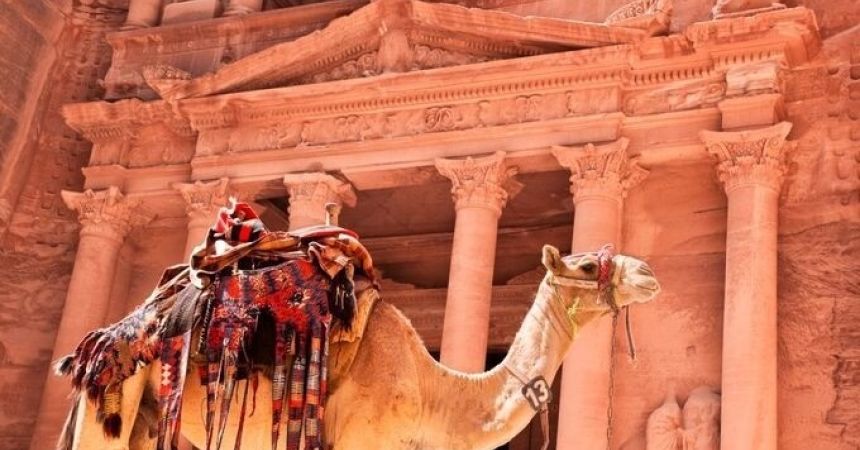
You stop to photograph the Treasury.

A guide explains a façade.

Someone in your group takes longer to arrive.

You spend ten minutes deciding where to go next.

None of this feels strenuous, yet you may remain in direct sunshine throughout.

When a shaded position is available nearby, use it for longer explanations, route discussions or waiting. There is no archaeological advantage in standing several metres away in full sun simply because that is where the group happened to stop.

Small decisions like this preserve comfort surprisingly well.

Sun Protection Should Begin Before You Feel You Need It

May is exactly the kind of month when travelers can postpone sun protection because the morning feels pleasant.

That misses the point.

Sunscreen, sunglasses, suitable head protection and practical clothing are most useful when they prevent accumulated exposure rather than responding after several hours of it.

For a sun-conscious Petra visit, preparation should happen before entering the more exposed portions of the archaeological landscape.

Water deserves the same forward thinking. Drink consistently during the day instead of waiting until thirst becomes strong, particularly when your route includes additional climbs or long sections away from your next planned stop.

A Shaded Break Can Be Short and Still Matter

You do not need to transform every pause into a long rest.

Sometimes ten minutes in appropriate shade is enough to change how the next section feels.

This is particularly useful in May because the month does not generally require the more aggressive heat-management approach associated with peak summer conditions. You can often continue exploring normally while introducing small recovery periods before the day begins feeling demanding.

That makes the strategy easy to integrate.

See something.

Walk.

Stop somewhere meaningful.

Use shade when it naturally appears.

Continue.

The day retains its archaeological rhythm without becoming organized entirely around weather.

May Changes the Cost of an Exposed Climb

A staircase or ascent does not become longer because the calendar has moved from April into May.

Its physiological cost can change.

Physical effort produces body heat, while direct sunshine adds another source of stress. A climb that looks manageable on the map may therefore deserve more consideration when undertaken during a bright part of the day.

This does not mean May owns the exposed-climb intent; that territory belongs to July, when sandstone heat and climbing become central.

In May, the lesson is subtler.

Simply recognize that exposure multiplies effort.

If you already feel depleted after several hours outdoors, another exposed ascent deserves a more thoughtful decision than it might have received earlier in the morning.

Don't Chase Shade Through Petra

There is an important limit to all this advice.

Petra is an open-air archaeological landscape, and attempting to avoid direct sunshine continuously would make little sense. Some monuments, views and walking sections require exposure because that is simply how the site is arranged.

The objective is not avoidance.

It is accumulation management.

For travelers taking a May Petra heritage escape, that means using shade when it naturally supports the route, protecting yourself before exposure becomes uncomfortable and understanding that several moderate hours outdoors can matter more than one short period that feels particularly warm.

May Owns the Accumulation of Sun

April asked how to turn Petra into a complete archaeological day without converting that day into a sightseeing race.

May introduces a different variable.

You may still have enough time and energy for a long visit, but the environment increasingly asks you to consider how much of that day has been spent exposed to direct sunshine.

June will move toward a different relationship between distance and the increasingly long dry day. July will make heat on exposed routes and climbs much more central, while August will demand a stronger early-entry strategy.

May stays before all of them.

Its exclusive territory is the moment when Petra's sunshine stops being merely beautiful and begins becoming something you should consciously manage.

Not because May has already become extreme, but because the easiest way to enjoy a long day in Petra is to notice sun exposure before your body forces you to notice it.

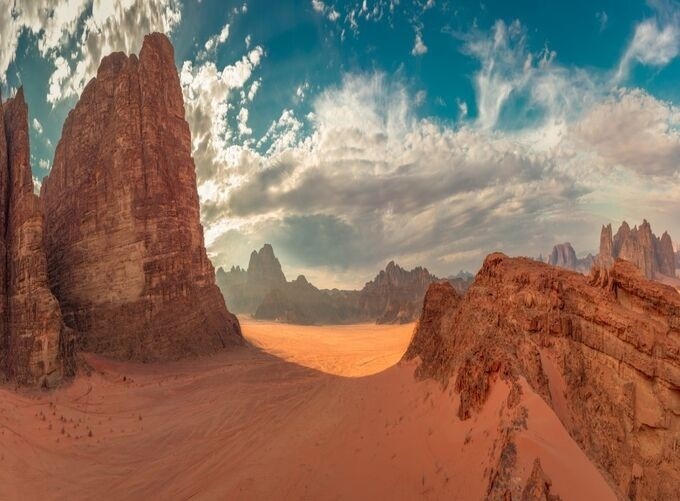
Wadi Rum's desert adventures offering unforgettable jeep and camel rides

May Rewards Small Decisions Made Before You Feel Tired

The easiest mistake in May is waiting for discomfort before changing anything.

By the time you feel that you urgently need shade, water or a longer rest, several hours of exposure may already be behind you. Petra works better when these adjustments happen earlier and almost casually: drink while you still feel comfortable, use a shaded area when the route naturally passes one, and put sun protection in place before the strongest part of the day rather than after your skin begins feeling warm.

None of this needs to interrupt the archaeological experience. In fact, the most effective May strategy is one you barely notice because it becomes part of the way you move through the site.

Photography Has a Hidden Exposure Cost

Petra encourages visitors to stop frequently, and May makes those stationary periods more important than they first appear.

You may spend fifteen minutes photographing one façade, another ten waiting for people to move from a composition and considerably longer at a viewpoint. Because you are not walking, these periods rarely register as physically demanding, yet direct sun exposure continues throughout them.

Before settling into a long photography stop, look around.

If essentially the same view can be enjoyed from nearby shade, there is little reason to remain exposed throughout the wait. When shade is unavailable, simply recognize that photography time belongs in the day's exposure calculation just as much as walking does.

This is especially useful later in the visit, when several seemingly insignificant stops have accumulated into hours outdoors.

The Return Is When Earlier Choices Become Visible

May often reveals the quality of your sun-management strategy on the way out.

If you protected yourself consistently, drank regularly and used sensible pauses, the return can remain an enjoyable final section of the archaeological day. If you spent the morning assuming that comfortable temperatures meant exposure did not matter, fatigue may become much more noticeable once you are already several kilometres into the visit.

This is why saving all your sun-management decisions for the afternoon works poorly.

The return journey cannot undo the exposure that came before it.

A better approach is to imagine from the beginning that you will still want enough concentration and physical comfort to appreciate Petra on the way back, rather than merely calculating how far you can travel into the site.

Let the Route Tell You When to Pause

Rigid rest schedules are unnecessary for most May visits.

Instead, use Petra itself.

A shaded section encountered shortly before you expected to stop may be more useful than continuing until an arbitrary time. Similarly, if you have just completed a long open stretch, pausing before the next exposed section can make more sense than stopping halfway through it.

What Just Happened? What May Suggests Next
Long open walk Use the next suitable shade briefly
Extended photo stop in sun Drink before continuing
Several comfortable shaded sections Continue while conditions remain easy
Exposed steps or ascent Recover before adding another demanding section
Long lunch or shaded rest Reapply sun protection before returning outside
Several hours already outdoors Judge the next extension more conservatively

This is a cumulative-exposure decision table, keeping May separate from April's full-day pacing and the stronger heat-management themes reserved for later summer.

Clothing Should Reduce Exposure Without Becoming Another Problem

May clothing has to perform two jobs that can sometimes conflict.

It should provide useful protection from strong sunshine while remaining comfortable enough for substantial walking. Heavy garments that technically cover more skin may become unpleasant during physical activity, while very light clothing can leave more skin exposed for many hours.

Breathable fabrics and practical coverage generally make more sense than dressing according to how warm you expect to feel at one particular time.

A hat can also become increasingly useful in open sections, especially for visitors who are sensitive to prolonged direct sun. Sunglasses deserve a place in the day bag as well, because brightness across sandstone and open terrain can become tiring even when the air itself remains comfortable.

May Is When “Not Too Hot” Can Become Misleading

A visitor can spend much of a May day thinking, “This isn't particularly hot,” and still finish more depleted than expected.

That is precisely what makes this month different.

Comfortable air temperatures can encourage longer walks, fewer pauses and more time standing in exposed locations. Because there is no dramatic heat forcing an immediate response, the effects accumulate quietly.

The solution is not to treat May like July.

Doing so would erase the semantic distinction between the two months.

May calls for awareness rather than avoidance. You can still allow the archaeological route to dominate the day; simply recognize that sunlight has become one of the variables influencing how long that day remains comfortable.

12 Questions About Petra in May

1. What is the weather like in Petra in May?

May generally brings increasingly warm, dry and sunny conditions to Petra as spring moves toward summer. Individual days vary, but stronger sunshine and longer periods of exposure become more relevant to visitors spending several hours walking through the open archaeological landscape.

2. Is Petra hot in May?

Warm conditions are increasingly common, particularly during sunny parts of the day, although May should not automatically be treated like peak summer. What often matters more is the cumulative effect of spending many hours outdoors while walking through exposed archaeological areas.

3. Does it rain in Petra in May?

Rain becomes less characteristic as the dry season develops, although unusual weather can still occur. Check the short-range forecast for your actual dates rather than assuming historical patterns guarantee a completely dry day, particularly before undertaking longer routes.

4. What should I wear in Petra in May?

Choose breathable walking clothing that provides practical sun protection without becoming uncomfortable during sustained physical activity. Comfortable shoes, sunglasses and suitable head protection can all be useful, while any additional layer should be easy to carry when no longer needed.

5. Do I need sunscreen in Petra in May?

Yes, sun protection becomes increasingly important because a Petra visit can involve many hours outdoors. Apply sunscreen before prolonged exposure begins and remember that extended photography stops, sightseeing explanations and waiting periods can contribute significantly to your total time in direct sunlight.

6. Is there enough shade inside Petra?

Shade availability varies considerably across the archaeological site. The Siq and certain locations provide substantial protection, while open routes, monuments and steps can leave visitors exposed for longer periods, making it useful to take advantage of appropriate shade when it naturally appears.

7. Should I start Petra very early in May?

An earlier start can be useful, but May's defining strategy is not the strict early-entry scheduling reserved for hotter summer conditions. More important is managing total exposure throughout the day so that comfortable morning conditions do not encourage you to ignore later fatigue.

8. How much water should I carry in Petra during May?

Needs vary according to temperature, route length and individual requirements, but several hours of walking make regular hydration important. Drink consistently rather than allowing a pleasantly mild morning to convince you that water will not matter until the afternoon.

9. Are exposed trails difficult in May?

Physical effort can feel greater when a route combines climbing with prolonged direct sunshine. May does not necessarily make these routes unsuitable, but visitors should consider how many hours they have already spent outdoors before adding another exposed or physically demanding section.

10. Can I spend a full day in Petra in May?

A long visit can be entirely realistic when conditions, fitness and route choices support it. The important May adjustment is managing accumulated sunlight through sensible protection, hydration and naturally timed shade rather than waiting for significant discomfort before responding.

11. Does sandstone make Petra feel hotter?

Open stone surfaces and direct sunshine can contribute to how bright and exposed the landscape feels, particularly after several hours outdoors. Rather than focusing on sandstone alone, consider the combined effect of sun, physical effort, limited shade and total exposure time.

12. What makes May different from April in Petra?

April focuses on building a complete archaeological day through pacing, rest and selective exploration. May introduces accumulated sun exposure as the defining variable: the visit may still feel pleasantly manageable, but hours spent across open routes, steps, monuments and photography stops increasingly influence comfort before peak summer heat arrives.

Kenan Ungur
Author

A travel professional specializing in tailor-made travel planning, guest experience management, and multi-destination tourism operations.

With over 23 years of experience in the travel industry, he designs and manages private and cultural tours for international travelers across Türkiye, Greece, Egypt, Jordan, Morocco, and other destinations.

He has strong expertise in both online and face-to-face guest communication, sales processes, and end-to-end travel operations.

Working closely with hotels, travel agencies, and local partners, he ensures smooth coordination and high-quality travel experiences at every stage of the journey.

His focus is on delivering personalized, reliable, and seamless travel experiences for international guests worldwide.

Join The Newsletter

To receive our best monthly deals

Magnificent Travel Logo

Magnificent Travel
Usually responds the same day

Magnificent Travel
Welcome to the Magnificent Travel

How may i help you?
Today
+905324935198
X